

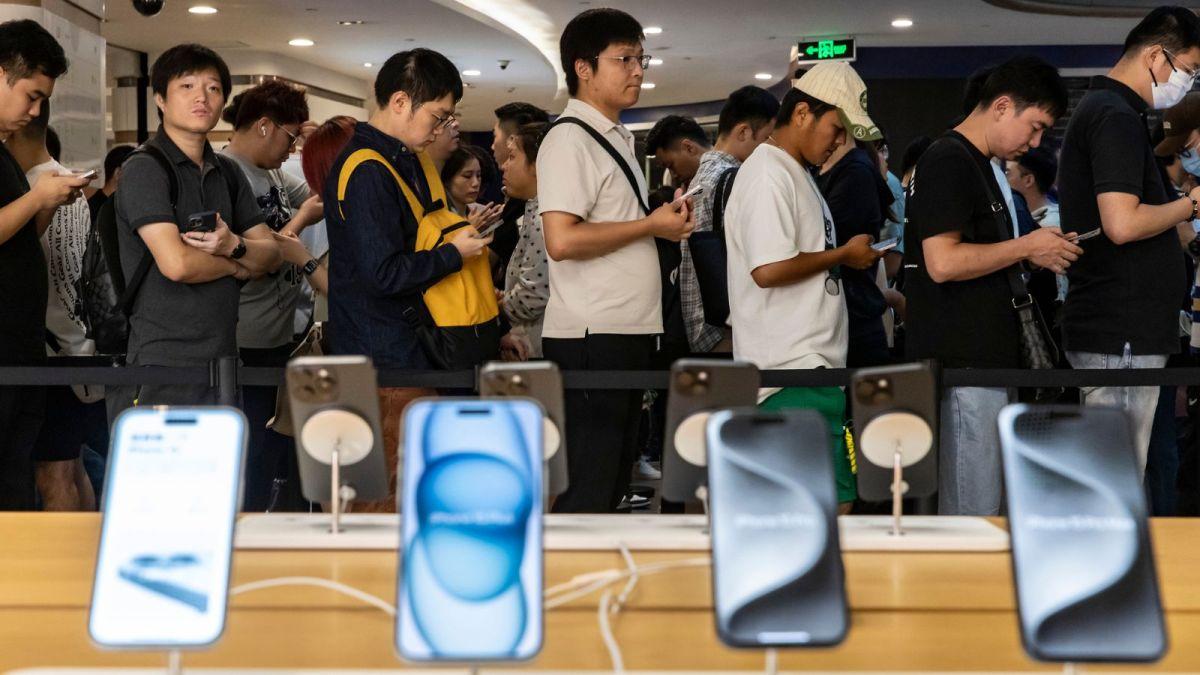
Apple’s China AI breakthrough is more than a product update. It is a strategic opening in one of the world’s most difficult technology markets.
For months, Apple’s artificial intelligence story had one obvious weakness: the company could promote Apple Intelligence globally, but China remained a regulatory and competitive obstacle. In a market where local smartphone makers are moving fast on AI features, that delay mattered.
Now the signal has changed.
Apple Intelligence has been registered with China’s cyberspace regulator, opening the path for the service to reach iPhone users in the country. That does not mean every competitive problem disappears. But it does give Apple something it urgently needed: permission to compete more directly in China’s AI smartphone race.
Apple’s China AI Breakthrough Changes The iPhone Story
Apple’s China AI breakthrough matters because the iPhone is no longer judged only by hardware.
The next smartphone battle is increasingly about intelligence inside the device: smarter assistants, image tools, writing help, translation, search, productivity features and personalised functions that make the phone feel more useful every day.
For Apple, that creates both opportunity and pressure.
The company has always sold hardware, software and ecosystem control as one package. Apple Intelligence is supposed to strengthen that package. But in China, the package could not be complete without regulatory approval and local AI partners.
That made the Chinese rollout a strategic test.
The registration now gives Apple a clearer route to close the AI gap with local rivals.
China Is Not A Normal Tech Market
China is too important to treat like just another launch territory.
It is one of the world’s largest smartphone markets, one of Apple’s most valuable commercial arenas and one of the hardest regulatory environments for foreign technology companies.
Generative AI services in China require official approval, content compliance and local operational alignment. Western AI platforms cannot simply launch freely. Companies must work within rules that cover data, censorship, model behaviour, security and domestic technology priorities.
That is why Apple’s path has been complicated.
It could not just copy its U.S. AI strategy and export it to China. It needed Chinese partners, Chinese regulatory clearance and a version of Apple Intelligence that fits the local system.
Alibaba And Baidu Become Strategic Partners

Apple’s China AI breakthrough also shows the importance of local alliances.
Reuters reports that Apple has partnered with local technology companies including Alibaba and Baidu to comply with Chinese requirements for generative AI services. Alibaba confirmed the integration of its Qwen model into Apple devices across iOS, iPadOS, macOS and visionOS, while Baidu is cooperating on AI features tailored to Chinese iPhone users.
That is significant.
Apple is famous for controlling its ecosystem tightly. But in China, control must be balanced with local compliance. The company can protect the iPhone experience only if it works with partners that regulators accept and users recognise.
This is the new reality for global AI.
The product may be Apple’s.
The permission structure is local.
The AI Race Is Now A Smartphone Race
Artificial intelligence is often discussed through cloud platforms, chatbots and data centres.
But for consumers, much of the battle will happen through the smartphone.
The phone is where people write, search, photograph, translate, shop, message, work and manage daily life. If AI becomes useful inside those routines, the device becomes more valuable. If it does not, the phone risks feeling behind.
Chinese smartphone brands understand this.
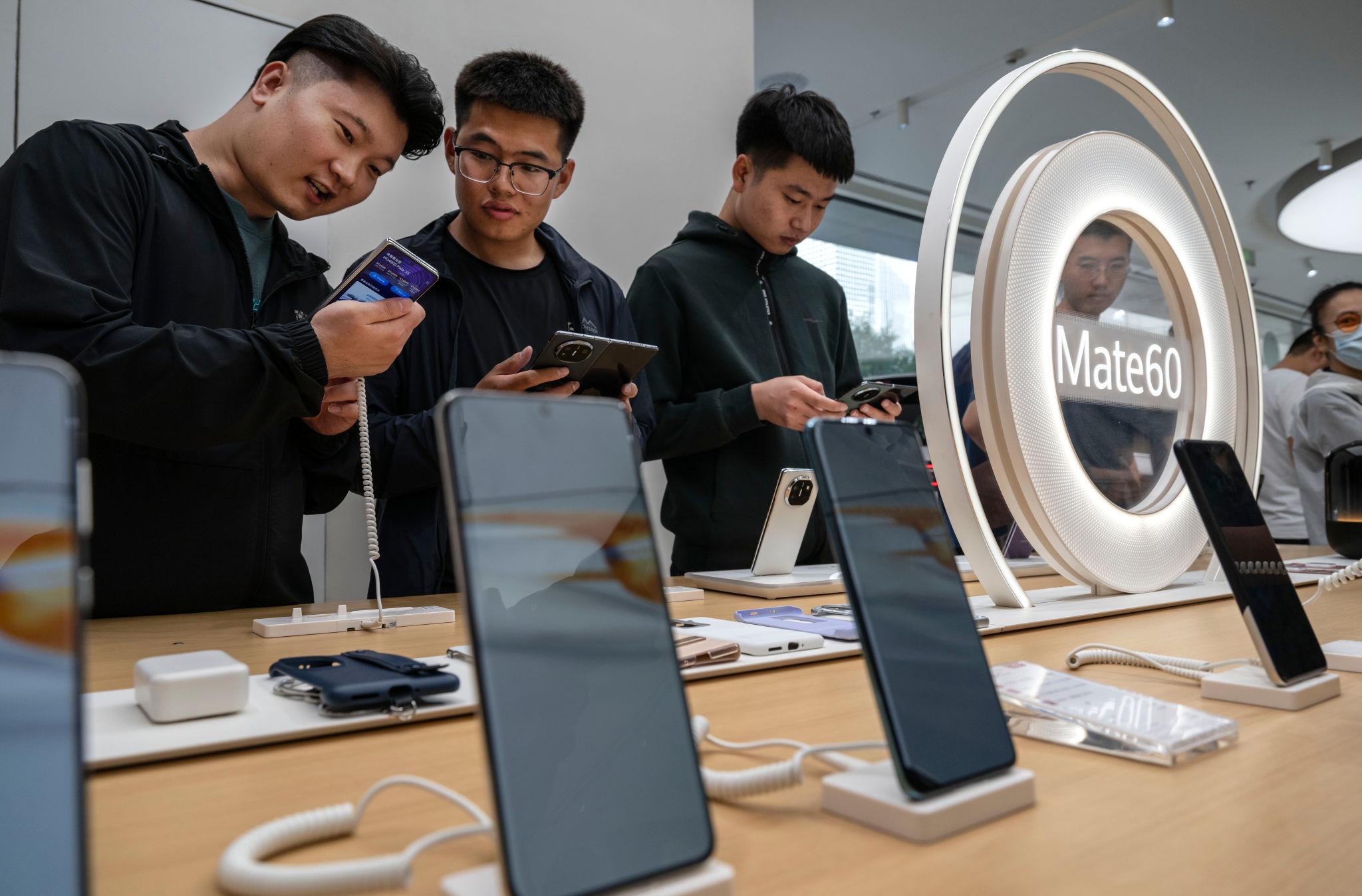
Huawei, Xiaomi, Oppo, Vivo and other domestic players are using AI features to make devices feel modern, local and fast-moving. Apple cannot afford to look late in a market where consumers already have strong domestic alternatives.
Apple Intelligence is therefore not only a software feature.
It is a defence of iPhone relevance.
The 24.4% Shipment Rise Gives Apple Momentum
Apple is not entering this moment from a position of collapse.
Reuters reports that Apple shipments in China rose 24.4% in the second quarter, a strong sign that demand has improved despite fierce competition.
That gives the AI approval more importance.
If Apple already has sales momentum, Apple Intelligence can become a reinforcement rather than only a repair tool. It gives the company a new reason to keep Chinese consumers inside the iPhone ecosystem at a moment when the premium smartphone market is being reshaped by AI.
But momentum can fade quickly.
In China, rivals move fast, pricing is aggressive and national technology pride can influence consumer behaviour. Apple needs AI features that feel useful, not just branded.
The Green Light Does Not Remove Every Risk
The approval path is a major step, but it does not remove all risk.
Apple still has to execute the launch properly, integrate local models smoothly, maintain user trust and avoid a version of Apple Intelligence that feels weaker than the global product. Chinese users are sophisticated, and they will compare features quickly.
There is also a brand tension.
Apple has built much of its global AI positioning around privacy, on-device processing and controlled user experience. In China, the company must work inside a regulatory system that requires local compliance. That can create questions about how much of Apple’s global privacy message remains intact in a different legal environment.
The company must manage that carefully.
An AI product can win attention.
Trust keeps it alive.
Local Compliance May Shape Global AI
The Chinese rollout also shows how AI will become more regional.
A global company may have one brand name, but not one identical AI product everywhere. Rules in China, Europe, the United States and other regions can push companies toward different partners, different model behaviour, different data arrangements and different feature sets.
This is a major shift from the old app economy.
Software once scaled globally with relatively small adjustments. AI is more sensitive because it generates content, processes user context and can become politically, culturally and legally exposed.
Apple’s China model may become a sign of the future.
Global AI will not always be global in one piece.
It will be localised by regulation.
Apple Needs AI To Protect The Ecosystem
The deeper business issue is ecosystem defence.
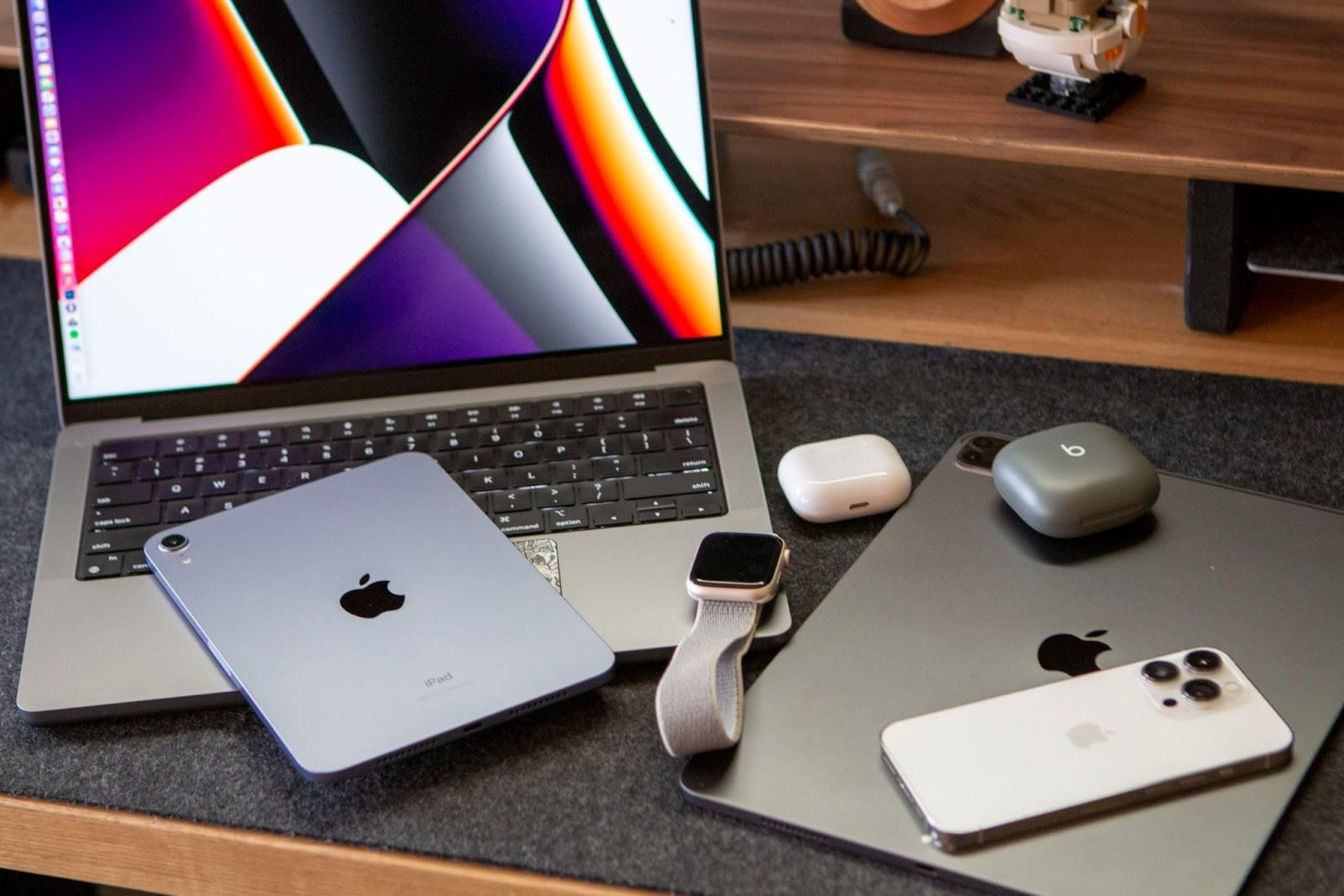
Apple’s strength has always been that iPhones, Macs, iPads, watches, services and apps work together in a way that makes users reluctant to leave. Apple Intelligence is supposed to deepen that lock-in by making the ecosystem smarter across devices.
If Chinese users cannot access those AI features, the ecosystem feels less complete.
That creates an opening for domestic rivals that can offer locally approved AI tools immediately. A consumer comparing phones may ask not only which camera is better, but which device helps more in daily life.
The AI layer is becoming part of the switching-cost battle.
Apple needed China approval because without it, the iPhone risked looking premium but incomplete.
The Competitive Pressure Is Still Domestic
Apple’s biggest China challenge is not only regulation.
It is local competition.
Huawei’s return to strength, Xiaomi’s premium push and other domestic brands have created a market where Chinese consumers have serious alternatives. These companies understand local apps, local services, local AI expectations and local pricing pressure.
Apple still has brand power.
It still has loyal users.
It still has the ecosystem advantage.
But AI changes the conversation. If domestic phones feel smarter in local use cases, Apple’s premium position can weaken.
That is why Apple Intelligence must do more than arrive.
It must feel competitive in China.
Alibaba Gains A Visibility Win
The deal also matters for Alibaba.
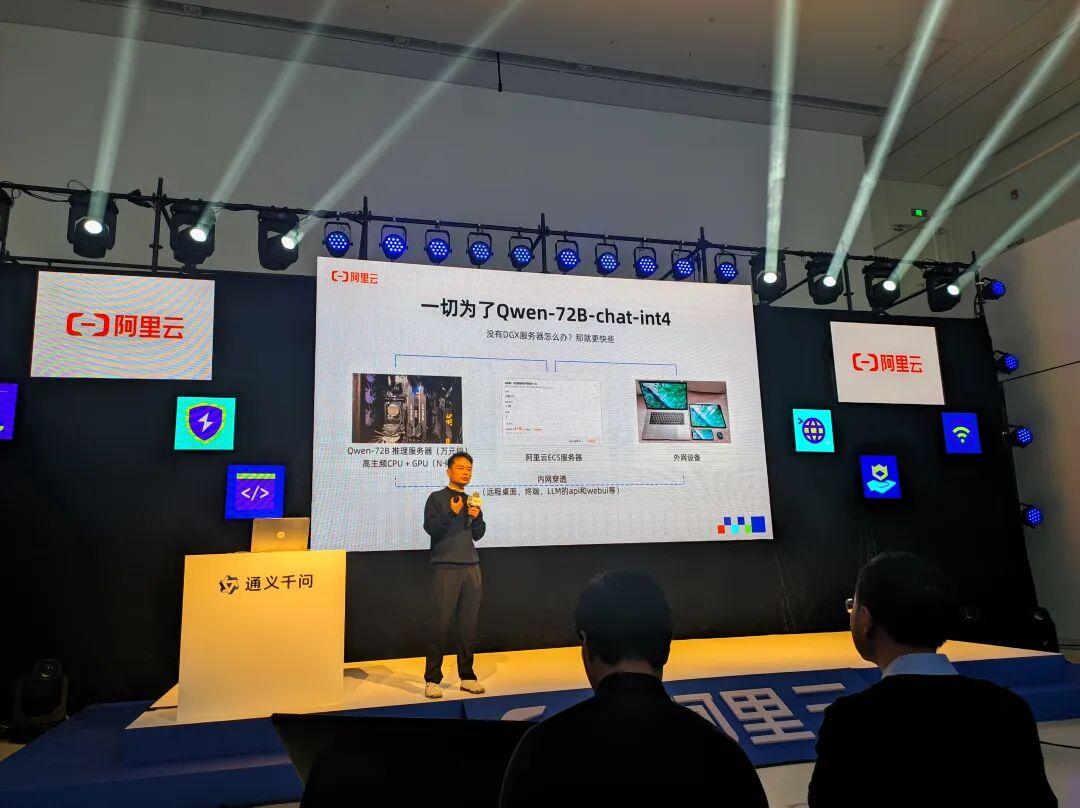
Integrating Qwen into Apple devices gives Alibaba’s AI model a powerful distribution channel and global credibility, even if the deployment is focused on China. It positions Alibaba as a key infrastructure partner for one of the world’s most valuable technology brands.
That is important in China’s AI competition.
Baidu, Alibaba, Tencent, ByteDance and other players are all fighting to define the country’s AI stack. Working with Apple gives Alibaba a high-profile role in the premium consumer-device layer.
For Apple, Alibaba offers regulatory and model support.
For Alibaba, Apple offers prestige and scale.
This is a partnership built on mutual need.
The Launch Date Still Matters
Registration opens the path, but the market will still watch timing.
A delayed launch would reduce the advantage. A smooth launch could give Apple a powerful marketing moment. A partial launch with limited features may create disappointment.
The key question is whether Apple can make the Chinese version of Apple Intelligence feel integrated, fast and useful from day one.
AI products are judged harshly because users test them immediately. They ask practical questions. They compare outputs. They notice errors. They share failures online.
Apple’s reputation gives it attention.
Execution will decide whether that attention becomes loyalty.
The Bottom Line
Apple’s China AI breakthrough gives the company a long-awaited opening in one of its most important markets.
With Apple Intelligence now registered by China’s cyberspace regulator, Apple can move closer to launching its on-device AI service for Chinese iPhone users, supported by local partners including Alibaba and Baidu. The timing is important, especially after Apple shipments in China rose 24.4% in the second quarter.
But the green light is only the beginning.
Apple must now prove that its AI experience can compete with fast-moving Chinese rivals, satisfy regulators, protect user trust and strengthen the iPhone ecosystem in a market where technology, politics and consumer loyalty are tightly connected.
In China, Apple Intelligence is not just another feature.
It is a test of whether Apple can remain premium in the AI smartphone era.