

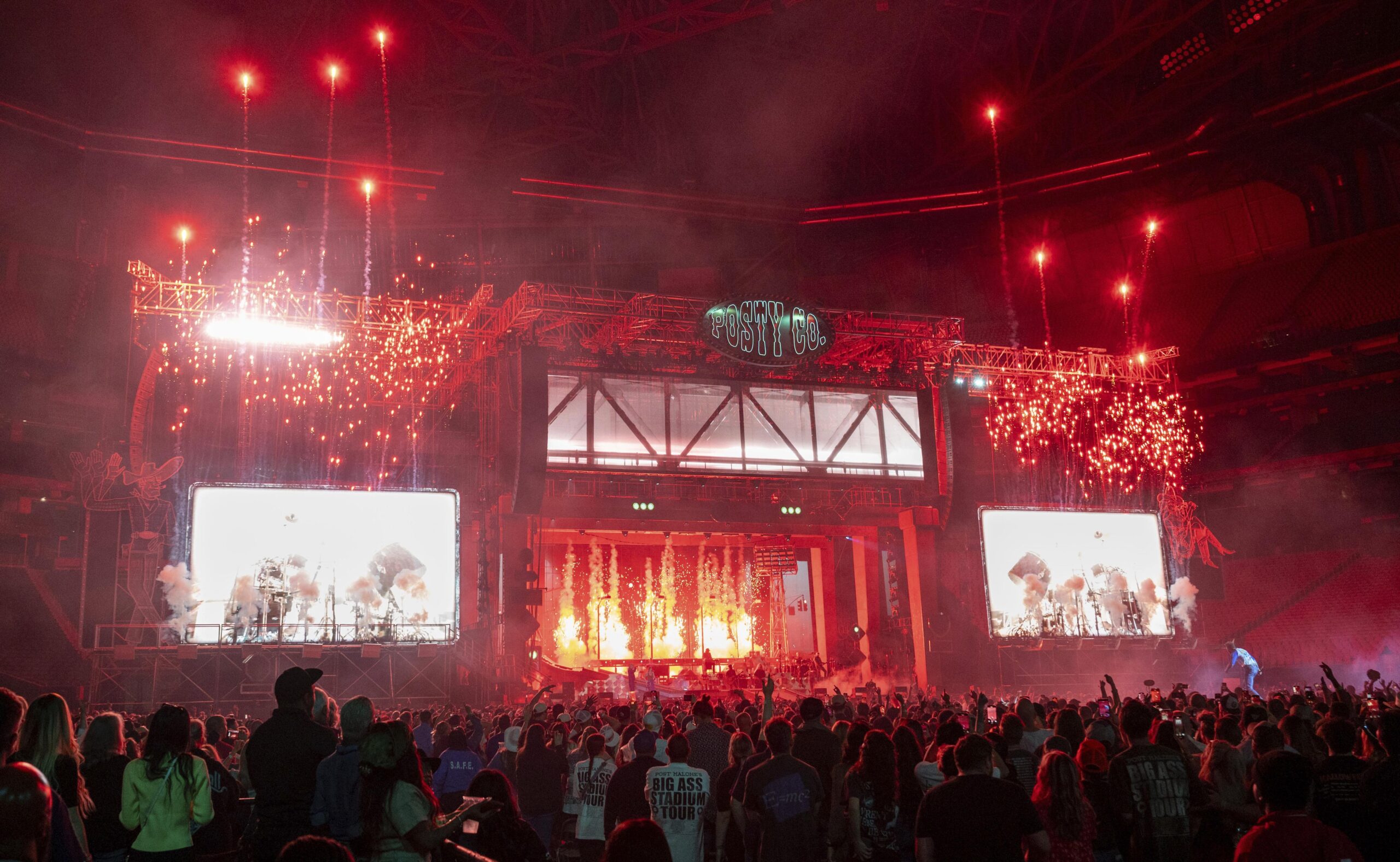
The World Cup final is no longer only a match.
It is becoming a global entertainment product.
With Tom Cruise, IShowSpeed, Post Malone, Jennifer Hudson, Laura Pausini, Nicole Scherzinger and Robbie Williams attached to the closing ceremony, FIFA is making one thing clear: the final in New York/New Jersey is designed to compete not only with sport, but with the biggest entertainment events on earth.
Football still decides the trophy.
But show business now surrounds the stage.
World Cup Showtime Becomes FIFA’s Super Bowl Moment
The World Cup Showtime strategy matters because FIFA is borrowing from the American mega-event playbook.
The Super Bowl is not just a football game. It is an advertising platform, a music stage, a celebrity parade, a broadcast spectacle and a cultural appointment. FIFA now appears to be pushing the World Cup final in the same direction.
That does not mean football needs entertainment to matter.
The World Cup final is already one of the most watched events on the planet.
But in the United States, where sport and spectacle often merge, FIFA has an opportunity to make the final feel even bigger to casual viewers, younger audiences and global entertainment media.
The ceremony is not decoration.
It is strategy.
Post Malone Brings The Headline Power
Post Malone gives the ceremony mainstream music weight.
His appeal crosses pop, hip-hop, country and streaming audiences, making him a useful choice for an event trying to speak to several generations and several markets at once. He is not a narrow football-world name. He is a global entertainment figure.
That matters because FIFA wants the closing ceremony to travel beyond traditional sports coverage.
A Post Malone headline creates music headlines.
It creates social media clips.
It creates reaction content.
It creates a reason for non-football fans to tune in early.
In modern event economics, attention before kick-off is part of the product.
Tom Cruise Adds Hollywood Scale
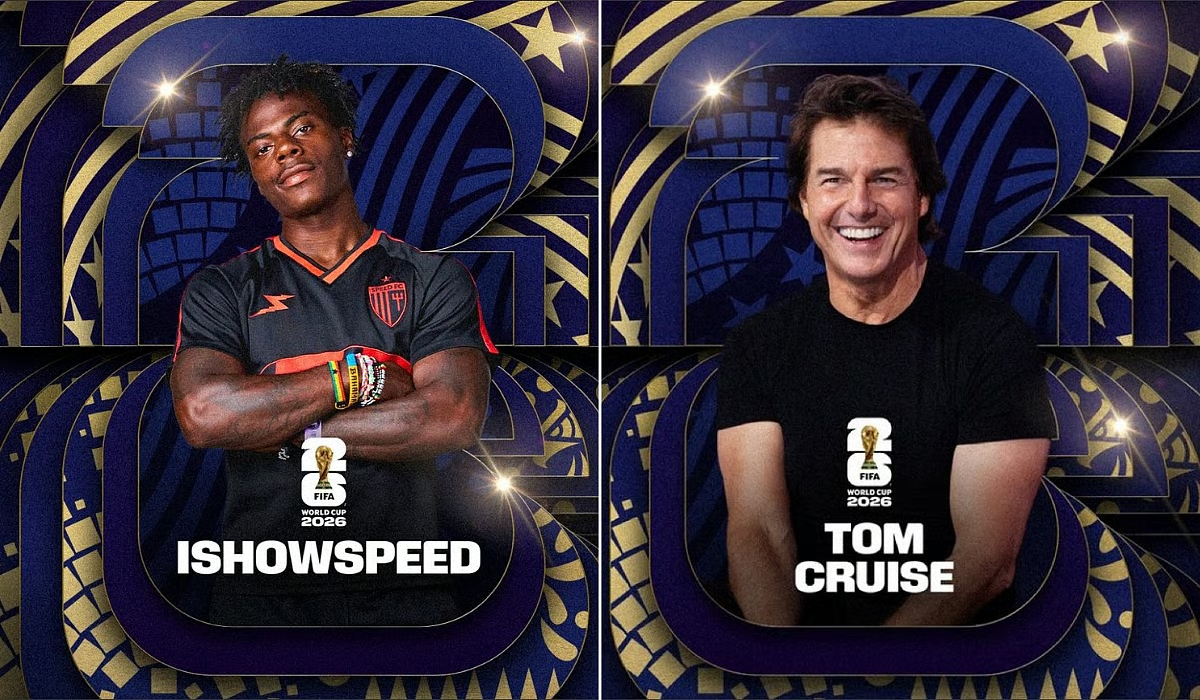
Tom Cruise brings another kind of power.
He represents cinematic spectacle, global celebrity and stunt-driven event culture. AP reports that Cruise is billed for a “special appearance” at the ceremony, after also being visible in the stands during the tournament and performing a major role at the Paris Olympics closing ceremony.
That connection is important.
Cruise has become a symbol of live-event spectacle: the celebrity who does not simply appear, but performs an image of risk, movement and scale. For FIFA, that is perfect.
The World Cup final wants to feel cinematic.
Cruise helps sell that feeling.
IShowSpeed Shows Where Football Media Is Going
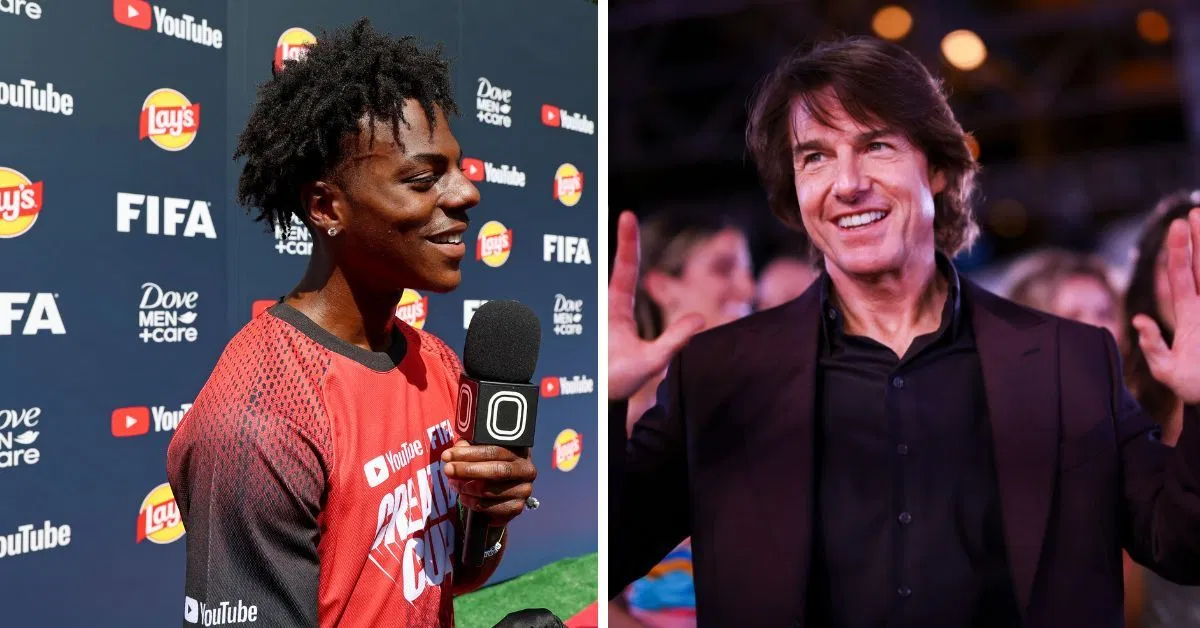
The inclusion of IShowSpeed may be the most modern part of the lineup.
He is not a traditional singer.
He is not a former player.
He is not a Hollywood actor.
He is a creator whose football fandom has played out through livestreams, reactions, viral clips and direct connection with younger audiences. AP notes that IShowSpeed streamed multiple matches and is listed as a performer for the closing ceremony.
That says a lot about where football culture has moved.
Young fans do not only watch the match.
They watch reactions to the match.
They watch creators outside the stadium.
They watch fan culture, memes, live streams, short clips and emotional chaos around the event.
FIFA is not ignoring that layer.
It is putting it on stage.
Jennifer Hudson Gives The Ceremony A Vocal Centre
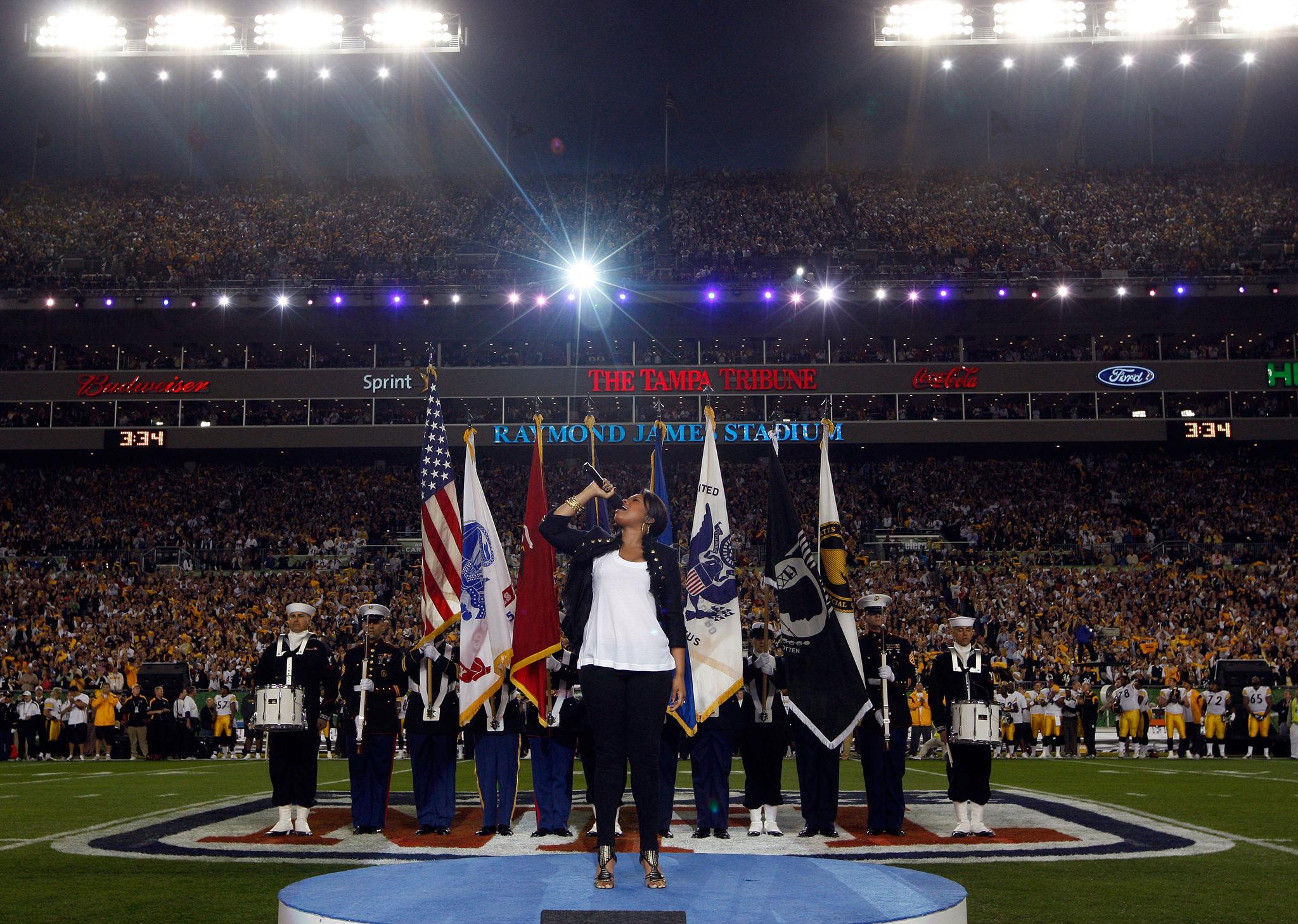
Jennifer Hudson singing the U.S. national anthem gives the ceremony a strong American broadcast moment.
That matters because the final is being staged in the United States, and FIFA needs the event to feel rooted in the host country while still remaining global. Hudson gives the show a recognizable, high-quality vocal performance that fits major American sports tradition.
The anthem is not only a song.
It is the emotional bridge between entertainment and the match itself.
For U.S. audiences, it signals occasion.
For global audiences, it marks the host-country identity of the final.
The Lineup Is Built For Different Audiences
The closing ceremony is not aimed at one type of viewer.
Laura Pausini brings international pop prestige.
Nicole Scherzinger brings music, theatre and television familiarity.
Robbie Williams brings British pop nostalgia and stadium energy.
Post Malone brings contemporary streaming power.
Tom Cruise brings Hollywood.
IShowSpeed brings creator culture.
That mix is deliberate.
FIFA is building a lineup that can generate multiple conversations at once. A football fan may care most about Argentina vs Spain. A teenager may react to IShowSpeed. A music fan may notice Post Malone. A cinema fan may watch for Tom Cruise.
The same event is being sold through several doors.
The Final Is Becoming A Content Factory
The ceremony will create content before the match even starts.
There will be entrance clips, celebrity shots, rehearsal speculation, social media reactions, fan videos, performance highlights, memes, outfit commentary and live broadcast moments.
This is the modern mega-event model.
A match is no longer only 90 minutes.
It is a stream of content before, during and after the game.
For FIFA, that is valuable because every extra moment creates advertising inventory, social media reach, sponsor visibility and audience retention. The final becomes not only sport, but a global media machine.
The ball has not kicked off yet.
The content cycle has already begun.
Some Fans Will Hate The Spectacle
Not every football fan will welcome this.
Traditional supporters may argue that the World Cup final does not need celebrity decoration. They may see the closing ceremony as too American, too commercial or too distracting from the game.
That criticism is understandable.
Football’s emotional power comes from the teams, the shirts, the fans, the anthems and the fear before kick-off. Too much entertainment can feel like noise around something that is already sacred.
FIFA has to manage that balance carefully.
The spectacle should lift the final.
It should not swallow it.
Players Need The Match To Remain The Centre
There is also a sporting concern.
A ceremony before the final must not disrupt preparation, pitch conditions, warm-up timing or the emotional rhythm of the teams. Players are not attending a concert. They are preparing for the biggest match of their careers.
If the show becomes too long, too loud or too operationally complicated, criticism will grow quickly.
The event must feel polished without feeling intrusive.
That is the challenge of combining sport and entertainment. The audience wants spectacle, but the competition must remain credible.
The trophy cannot feel like a prop.
FIFA Is Chasing Younger Audiences
The entertainment push is partly about youth.
Football remains huge, but attention habits are changing. Younger audiences live across TikTok, YouTube, Instagram, streaming platforms and creator ecosystems. They do not wait passively for a broadcast. They consume events through fragments, personalities and shareable moments.
That is why IShowSpeed matters.
That is why the lineup matters.
That is why FIFA is turning the final into a broader entertainment spectacle.
The organisation is not only serving existing fans.
It is recruiting future ones.
The 48-Team Tournament Needs A Big Ending
AP reports that FIFA says the ceremony will celebrate the journey of 48 teams across 16 host cities in three countries.
That is important because the 2026 tournament has been the biggest World Cup ever.
More teams.
More matches.
More host cities.
More travel.
More markets.
More commercial opportunity.
A tournament of that size needs an ending that feels equally large. FIFA does not want the conclusion to look like a normal pre-match show. It wants a finale that matches the scale of the expanded format.
The closing ceremony becomes a symbolic final chapter.
New York-New Jersey Gives The Perfect Backdrop
The location also matters.
A World Cup final in the New York-New Jersey region naturally invites spectacle. The area sits at the intersection of sport, media, finance, fashion, music, celebrity and global tourism. It is one of the few places where FIFA can stage a football final and instantly connect it to the language of American entertainment power.
MetLife Stadium provides the physical stage.
New York provides the image.
That combination gives FIFA room to think bigger than football tradition.
The final is being placed inside a city-region that knows how to turn events into global theatre.
The Entertainment Economy Around Football Is Exploding
The ceremony also reflects the wider entertainment economy around football.
Clubs, leagues and tournaments increasingly compete for attention outside match time. They produce documentaries, behind-the-scenes series, creator collaborations, celebrity partnerships, fashion campaigns, gaming content and music tie-ins.
Football is still sport.
But it is also lifestyle media.
The World Cup final is the highest expression of that trend. It is where national emotion, commercial branding, celebrity culture and broadcast scale all meet.
FIFA is simply making the invisible business visible.
The Risk Is Overcommercialisation
The danger is clear.
If every football moment becomes a marketing platform, fans may feel the game is being pushed into the background. The World Cup has power because people believe the match itself matters more than everything around it.
Overcommercialisation can weaken that belief.
A closing ceremony works if it feels like celebration.
It fails if it feels like a sponsor deck with music.
That is the line FIFA must not cross.
The final must still belong to the players and supporters before it belongs to celebrities and brands.
The Bottom Line
The World Cup Showtime lineup shows exactly where global sport is heading.
With Post Malone headlining, Tom Cruise making a special appearance, IShowSpeed bringing creator culture, and major performers including Jennifer Hudson, Laura Pausini, Nicole Scherzinger and Robbie Williams, the World Cup final is being turned into a full entertainment spectacle.
This is FIFA’s Super Bowl-style moment.
The opportunity is enormous: more viewers, more clips, more sponsors, more younger fans and more global cultural reach.
But the risk is just as real.
The show must enhance the final, not overpower it.
Because after the music, the celebrities and the viral moments, the world will still remember one thing above everything else.
Who lifted the trophy.