
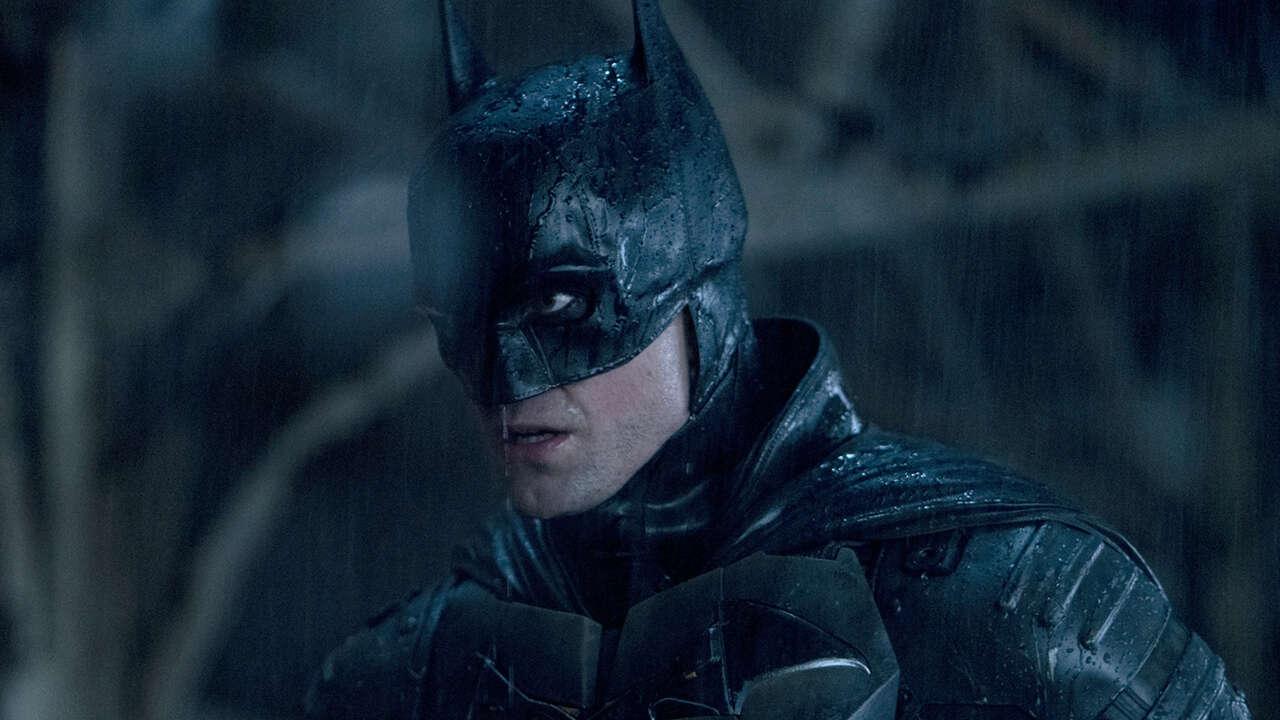
The Batman Delay Loop is becoming more than a release-date story. It is a warning about how difficult modern franchise filmmaking has become when studios must balance fan expectations, cinematic universes, premium formats, production pressure and billion-dollar brand management.
The Batman: Part II has been delayed again.
For ordinary moviegoers, that may sound like one more calendar change.
For Hollywood, it says something bigger.
Even the most powerful characters in cinema are no longer immune to the slow, expensive and complicated machinery behind modern blockbusters.
Batman Delay Loop Tests Fan Patience
The Batman Delay Loop matters because Batman is not a minor franchise.
He is one of Warner Bros.’ most valuable screen assets, a global superhero symbol and one of the few characters who can still generate serious theatrical excitement in an era dominated by streaming habits and franchise fatigue.
A delay therefore carries weight.
Fans can accept one postponement.
They may tolerate a second.
But repeated delays create a different mood. The conversation moves from anticipation to anxiety. People begin asking whether the script is ready, whether the studio is confident, whether the franchise plan is stable and whether the sequel can still capture the energy of the first film.
That is the danger of the delay loop.
The movie has not failed.
But the waiting period starts becoming part of the brand.
The New Date Changes The Rhythm
Page Six reports that The Batman: Part II has moved from October 1, 2027 to February 18, 2028, marking another shift for the highly anticipated Matt Reeves sequel. The report says the move gives Reeves more post-production time on an effects-heavy film.
That matters because release dates are not neutral.
An October slot gives a darker, prestige-franchise feel. It connects Batman with autumn, awards-adjacent seriousness and a horror-thriller atmosphere. A February slot can still work commercially, but it changes the emotional framing.
The first The Batman succeeded partly because it felt like a moody crime epic, not just another superhero product.
The sequel now has to protect that identity even as the calendar keeps moving.
Matt Reeves’ Batman Is Not The DCU’s Batman
The complication is bigger because Reeves’ Batman sits outside the main DC Studios universe.
James Gunn and Peter Safran are building a new DC roadmap, while Reeves’ Gotham exists as a separate “Elseworlds” world with Robert Pattinson as Batman. That gives the franchise creative freedom, but it also creates scheduling and messaging complexity.
Audiences are already being asked to understand multiple superhero timelines.
There is a main DC universe.
There is Reeves’ Batman universe.
There are spin-offs.
There are new versions of famous characters.
For dedicated fans, that can be exciting.
For casual viewers, it can become confusing.
A delay gives the studio more time, but it also extends the period during which the brand must explain where this Batman fits.
Warner Bros. Is Rearranging The Board
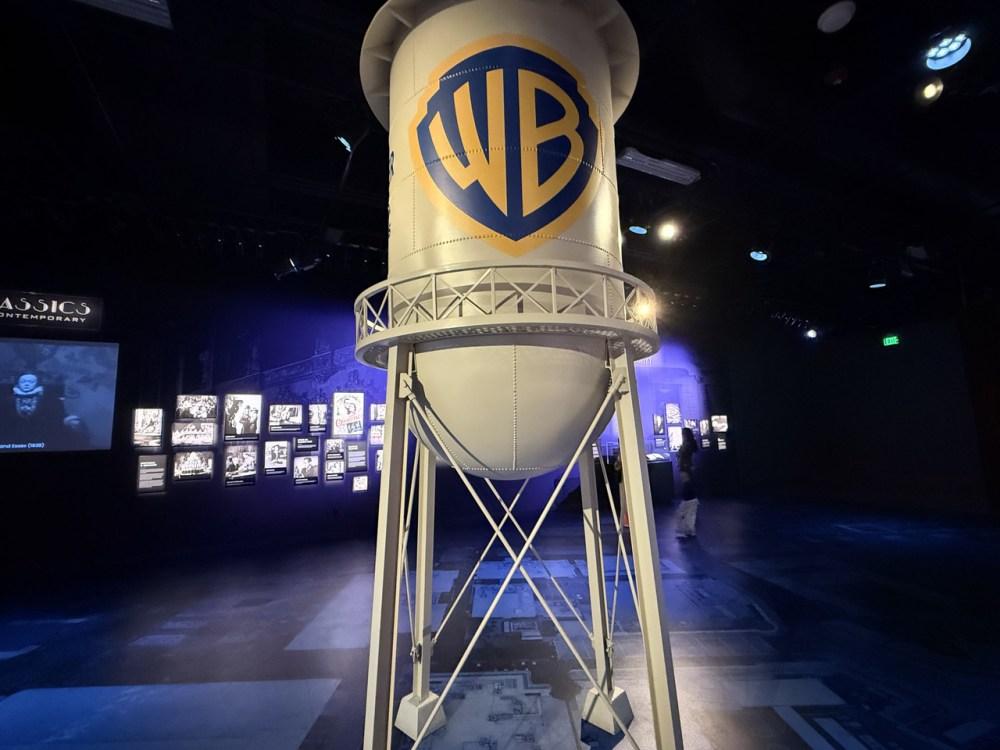
The Batman delay is not happening in isolation.
Page Six reports that J.J. Abrams’ new film The Great Beyond, starring Glen Powell, Jenna Ortega and Samuel L. Jackson, is now set to take the October 2027 slot previously held by The Batman: Part II.
That shows Warner Bros. is not simply moving one title.
It is rearranging a larger theatrical board.
A studio calendar is a puzzle of seasons, formats, competition, marketing windows, talent schedules and investor expectations. When a major film moves, another film often has to fill the space. The change can affect trailers, partnerships, press tours, IMAX planning and international release strategy.
The public sees one date.
The studio sees a chain reaction.
Franchise Cinema Needs More Time Than Before
Modern franchise films take longer because the expectations are heavier.
Audiences want scale.
Studios want global box office.
Fans want continuity.
Streaming platforms want spin-off potential.
Merchandising teams want usable imagery.
Premium screens want spectacle.
Critics want more than recycled formula.
That is a difficult combination.
A Batman sequel cannot simply arrive because a release date exists. It has to justify itself as cinema, as a franchise engine and as a brand asset. The more valuable the character becomes, the less room there is for a rushed result.
That may explain why the studio prefers delay over panic.
A late Batman film can still win.
A weak Batman film can damage years of planning.
The 2023 Strikes Still Echo
Hollywood’s labour strikes in 2023 continue to affect release schedules years later.
Page Six notes that the Batman sequel’s calendar shifts are partly linked to the disruption created by the WGA and SAG-AFTRA strikes, which slowed writing, production planning and studio pipelines across the industry.
That is important because the industry sometimes talks about delays as isolated events.
They are not.
A strike does not only pause one film. It disrupts scripts, actor availability, production crews, soundstage booking, visual effects schedules and marketing plans. Once a major pipeline is interrupted, the consequences can travel years into the future.
Batman is only the most visible example.
The entire franchise machine is still adjusting.
DC Has A Crowded Rebuild
Entertainment Weekly reported that DC’s upcoming slate includes Lanterns, Clayface, Man of Tomorrow, animated projects and several planned or developing series and films under the wider DC Studios strategy.
That crowded rebuild is both opportunity and risk.
DC needs volume because Marvel trained audiences to expect interconnected superhero ecosystems. But DC also needs clarity because years of reset, reboot and restructuring have made some viewers cautious.
Every project must now answer a simple question.
Is this essential?
Batman usually feels essential.
But the longer the sequel waits, the more pressure there is for it to feel like a major event rather than another piece of an overcrowded superhero calendar.
The First Film Set A Difficult Standard
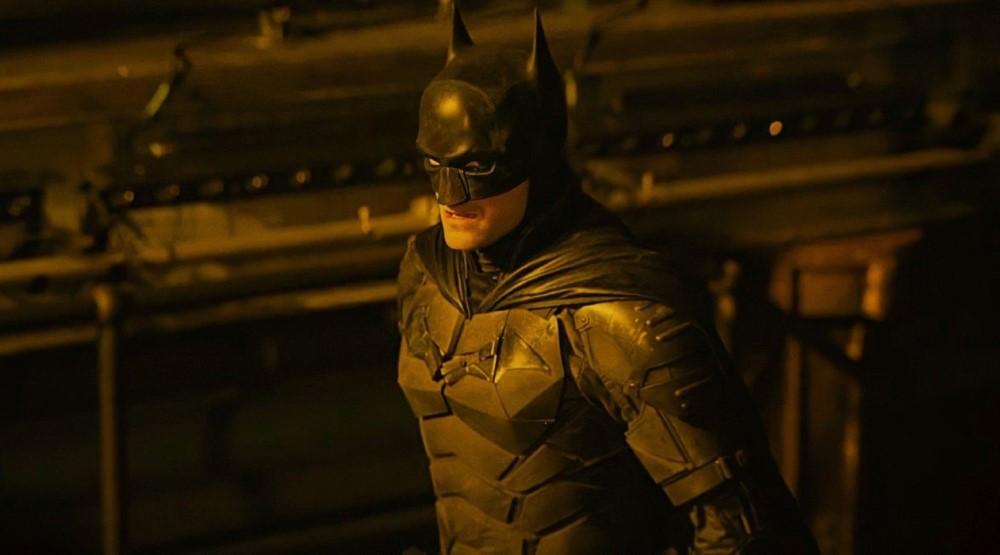
The Batman worked because it had a clear identity.
It was noir-driven.
It was atmospheric.
It treated Gotham as a diseased city rather than a generic action playground.
It gave Robert Pattinson’s Batman a younger, more obsessive and emotionally wounded quality.
That success is now a burden.
The sequel cannot simply repeat rain, darkness and corruption. It must expand the world while keeping the tone that made the first film feel distinctive.
That is not easy.
If it becomes too large, it risks losing the detective atmosphere.
If it stays too small, audiences may wonder why they waited six years.
This is the creative trap of a strong first chapter.
Robert Pattinson’s Batman Still Has Value
Despite the delay, Pattinson’s Batman remains a valuable asset.
His version of the character is young enough to grow, different enough to stand apart and serious enough to attract viewers who want superhero films with crime-drama weight. The audience is still there.
But timing matters.
A long gap can make a sequel feel special.
It can also make it feel distant.
The studio must keep the franchise warm without overexposing it. Spin-offs can help, but only if they deepen the world rather than distract from the main event.
For Batman, silence can create mystery.
Too much silence creates concern.
The Franchise Machine Is Losing Its Automatic Power
The delay also reflects a wider Hollywood problem.
Franchise names still matter, but they no longer guarantee automatic excitement. Audiences have become more selective. Superhero fatigue is real. Streaming has trained viewers to wait. Ticket prices make cinema decisions more deliberate.
A famous logo is not enough.
The film must feel necessary.
That is why studios are becoming more cautious. They would rather delay a franchise film than release something that looks expensive but feels disposable.
In the old superhero boom, speed was power.
Now discipline may matter more.
Premium Formats Change The Economics
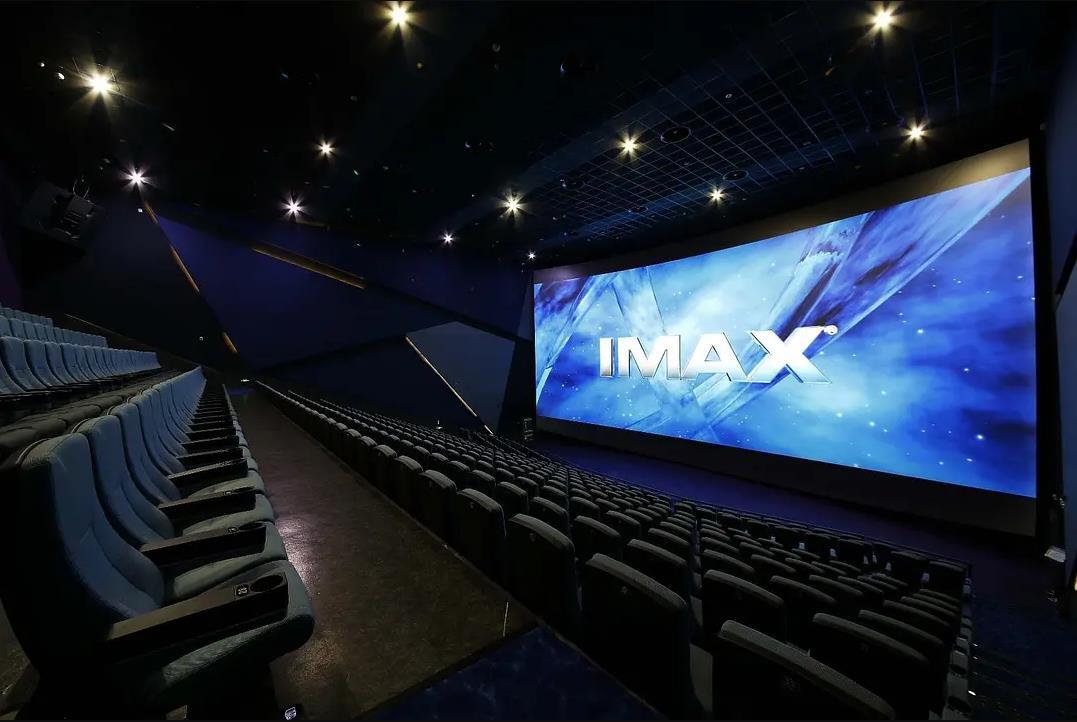
Page Six also reports that the reshuffling around Warner Bros.’ calendar involves premium format planning, including an IMAX 70mm approach for J.J. Abrams’ The Great Beyond.
That detail matters because premium formats are now central to theatrical strategy.
Studios do not only want a release date. They want the right screens. IMAX, Dolby, 70mm and other premium experiences can help turn a film into an event rather than just another weekend opening.
Batman also benefits from that logic.
A darker, cinematic Gotham world can play strongly in premium formats, but only if the studio secures the space, the technical timeline and the marketing build.
Modern release strategy is not only about when a film arrives.
It is about how big it feels when it arrives.
Delay Can Protect Quality
There is a positive interpretation.
The delay may protect the film.
If Reeves needs more time for post-production, effects, editing and final shaping, the extra months could help the sequel arrive stronger. Fans complain about delays, but they complain much more loudly about disappointing films.
Batman’s brand can survive waiting.
It struggles more with mediocrity.
A careful director with more time may deliver a better movie than a studio forcing a release to satisfy a calendar.
The risk is that the public does not see the work behind the delay.
It only sees another postponement.
The Marketing Challenge Starts Now
Warner Bros. now has to manage the narrative.
The studio must prevent the delay from becoming the only story. That means eventually offering controlled updates: production progress, casting confidence, visual teases, a strong trailer and a clear sense that the film has a reason to exist.
The first major marketing beat will matter.
If the first images feel powerful, the delay may be forgiven instantly.
If the campaign feels uncertain, the delay narrative will return.
Batman can command attention.
But attention must be converted into trust.
The Bigger Lesson For Hollywood
The Batman delay is a symbol of where Hollywood stands.
Studios still depend on franchises, but franchises are harder to manage. Audiences want bigger experiences, but they punish formula. Cinematic universes can build loyalty, but they also create confusion. Premium formats can lift box office, but they complicate scheduling.
Hollywood’s machine is still powerful.
It is also slower, more expensive and more fragile than it used to be.
That is why a Batman release date matters.
It reveals the stress inside the system.
The Bottom Line
The Batman Delay Loop shows that even Hollywood’s strongest franchises are no longer simple machines.
With The Batman: Part II reportedly delayed to February 18, 2028, Warner Bros. is choosing more time for a film that carries major creative, commercial and brand pressure. The move may frustrate fans, but it also reflects the reality of modern blockbuster filmmaking: a rushed franchise sequel can do more damage than a delayed one.
Batman will return.
The question is whether the wait makes the film feel bigger, sharper and more essential.
Because in today’s Hollywood, even the Dark Knight cannot escape the calendar.