

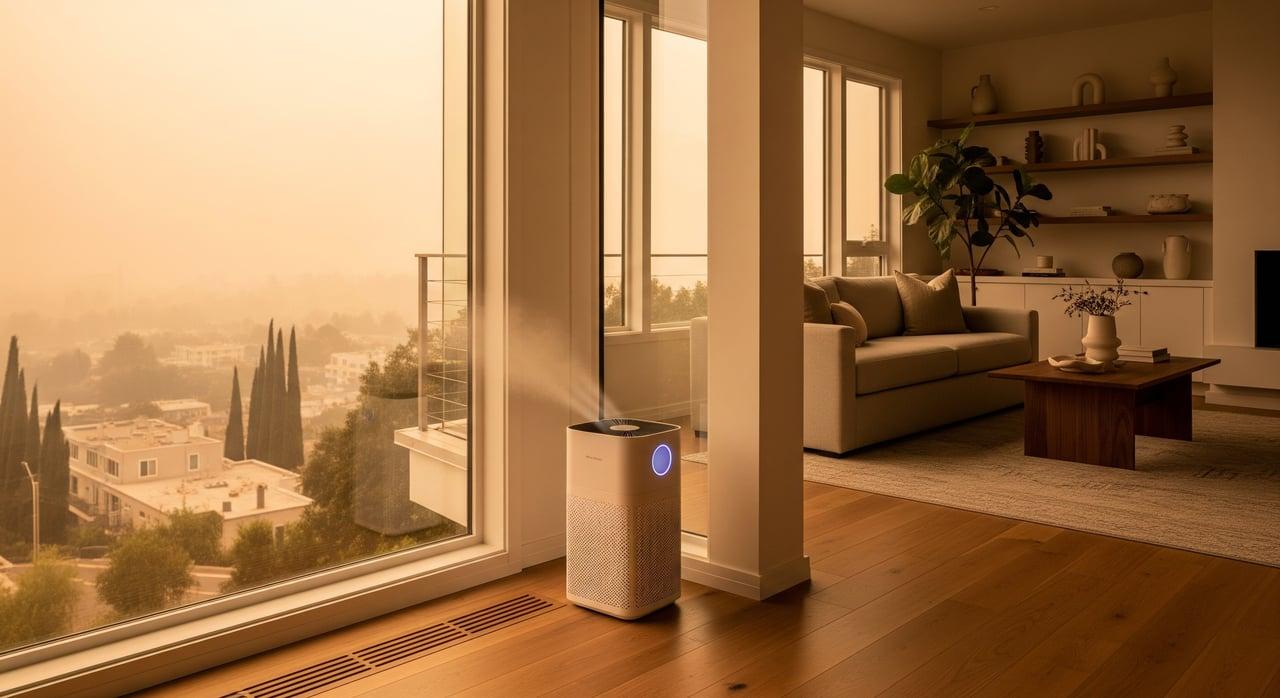
The new summer luxury is not only a beach view, a cold drink or a shaded terrace.
It is clean air inside the home.
As wildfire smoke spreads across borders and air-quality alerts become a repeated summer reality, Clean-Air Living is moving from a niche health concern to a mainstream lifestyle priority. Families are no longer thinking only about air conditioning, sunscreen and hydration. They are thinking about filters, sealed windows, indoor air monitors, masks, HVAC systems and air purifiers.
This is not paranoia.
It is adaptation.
When outdoor air becomes unreliable, the home becomes the first line of defence.
Clean-Air Living Becomes A Summer Habit
Clean-Air Living matters because wildfire smoke has changed the meaning of staying indoors.
In the past, going inside during bad weather usually meant protection. Rain, heat, wind or cold could be managed by closing the door. Smoke is different. Fine particles can enter homes through gaps, ventilation systems, open windows and poorly sealed buildings.
That means indoor air cannot be taken for granted.
Reuters reports that wildfire smoke exposure can cause immediate symptoms such as sore throat, coughing, headaches and brain fog, while also worsening asthma, heart disease and other respiratory conditions.
That changes the lifestyle calculation.
A home is no longer automatically a safe space.
It must be prepared to become one.
The Air Purifier Moves From Gadget To Essential
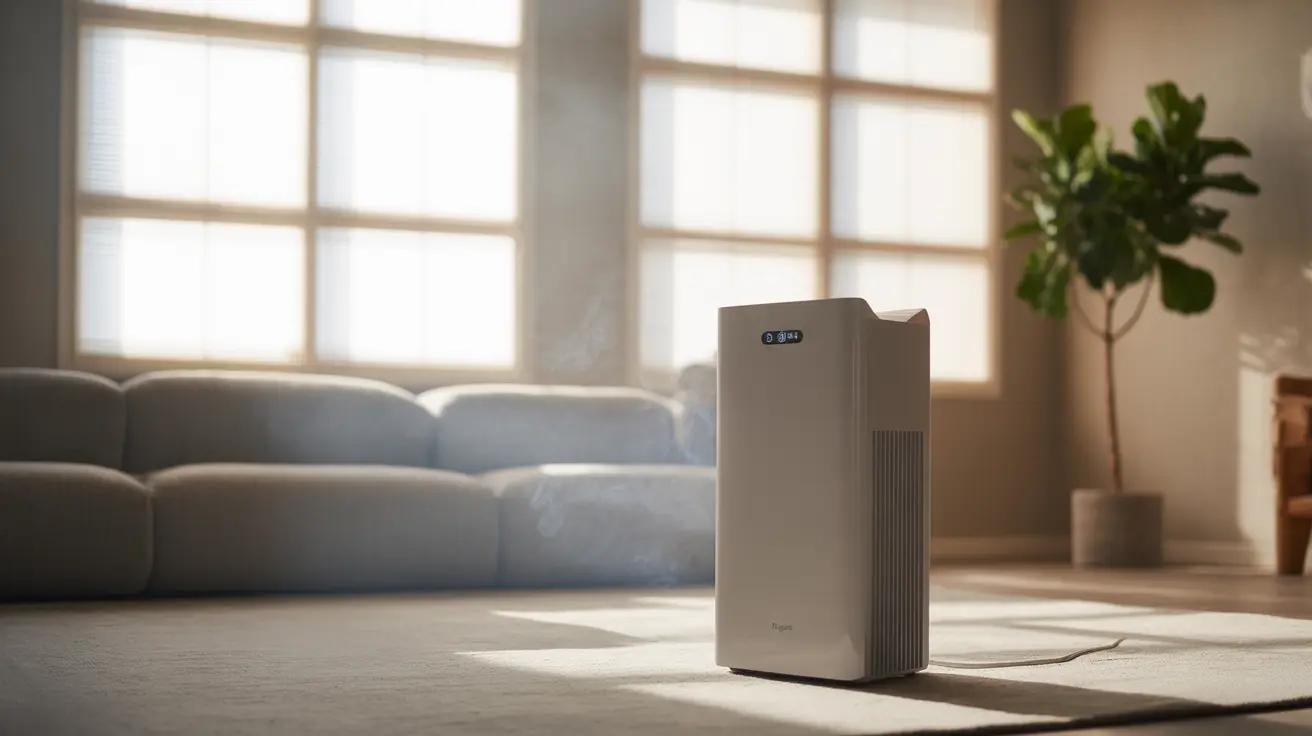
For years, air purifiers were treated like optional wellness products.
Useful for allergies.
Nice for pet owners.
Popular among people who cared about dust, pollen or city pollution.
Now the category is becoming more urgent. During wildfire smoke events, a good air purifier is not about comfort alone. It is about reducing fine-particle exposure inside the rooms where people sleep, work, eat and protect their children.
The EPA’s wildfire guidance includes factsheets on indoor air filtration and creating cleaner air rooms at home, reflecting how central indoor filtration has become in smoke preparedness.
That is the shift.
An air purifier is no longer a lifestyle accessory.
It is becoming summer infrastructure.
Families Are Thinking Like Risk Managers
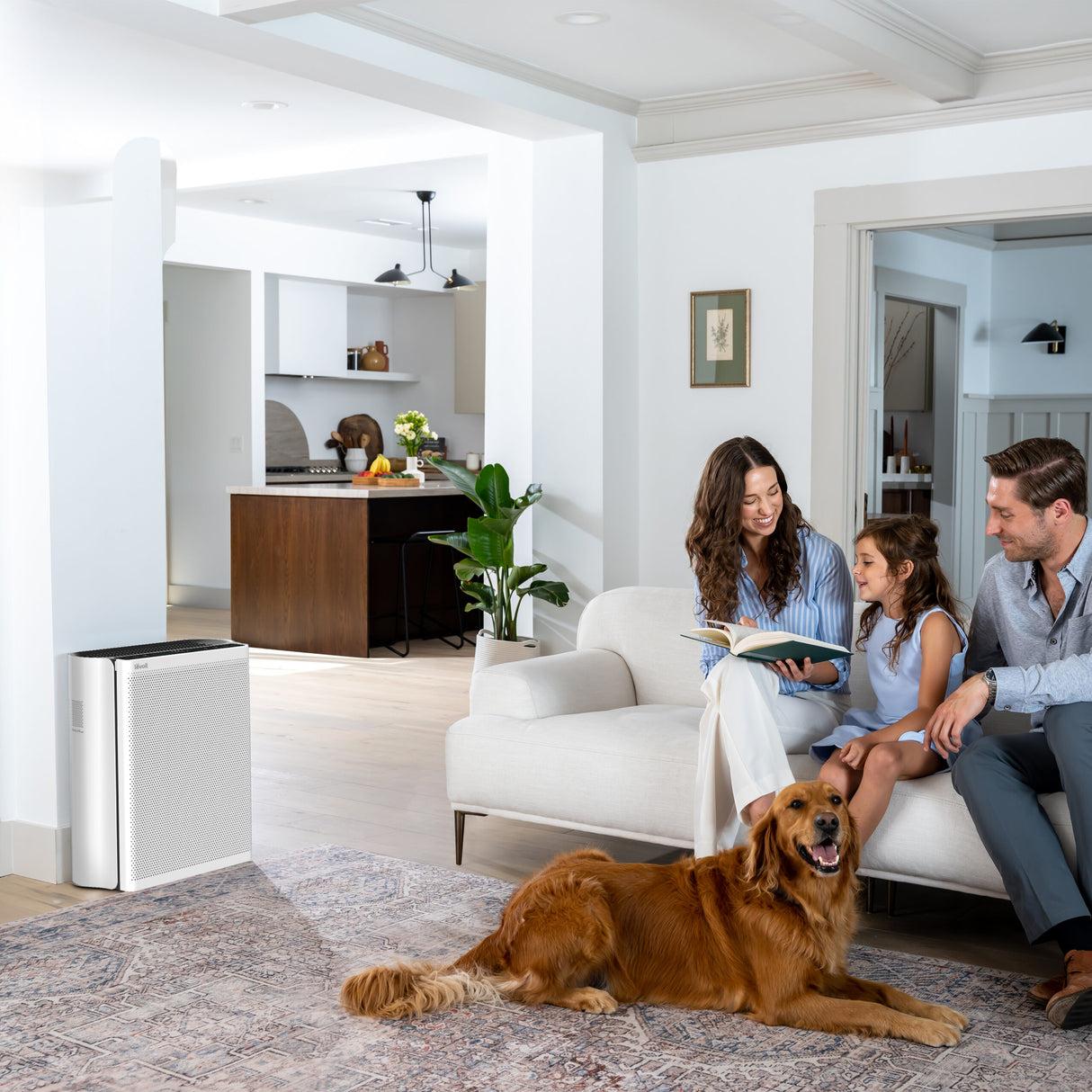
Wildfire smoke forces ordinary households to think differently.
Parents check the Air Quality Index before letting children play outside. People with asthma look for inhalers, masks and indoor alternatives. Older adults may avoid errands. Remote workers may close windows and run purifiers all day.
The Guardian reported that smoke alerts across more than 20 U.S. states have left families changing routines, including keeping children indoors and considering HVAC filter replacements and indoor air-quality monitors.
That is a lifestyle change.
The question is no longer only “Is it hot outside?”
It is “Can we breathe safely today?”
That question affects everything from school holidays to family dinners.
The Cleaner Air Room Is The New Safe Room
The idea of a cleaner air room sounds technical, but it is simple.
Choose one room.
Keep windows and doors closed.
Use a portable air cleaner or effective HVAC filtration.
Avoid activities that add particles indoors.
Make that room the place where vulnerable people can spend time when smoke is heavy.
EPA guidance specifically advises households to create a cleaner air room when wildfire smoke enters the home and outdoor air becomes unhealthy.
This concept could become normal in the years ahead.
Just as people prepare for heatwaves with fans and water, families may prepare for smoke days with one protected indoor space.
The modern summer home may need a clean-air zone.
Indoor Pollution Can Come From Inside Too
One mistake is thinking that only outdoor smoke matters.
During smoke events, indoor activities can make the air worse. Reuters notes that the EPA advises avoiding indoor activities that add fine particles, including frying or broiling food, burning candles or incense, smoking, and vacuuming without a HEPA filter.
That matters because lifestyle habits change during smoke days.
A candle may feel comforting.
Cooking may feel normal.
Vacuuming may feel useful.
But if the outdoor air is already bad and the home is closed, indoor particle sources become more important. Clean-air living therefore requires behaviour as well as equipment.
It is not only what you buy.
It is what you avoid doing when the air is bad.
Premium Homes Will Sell Air Quality
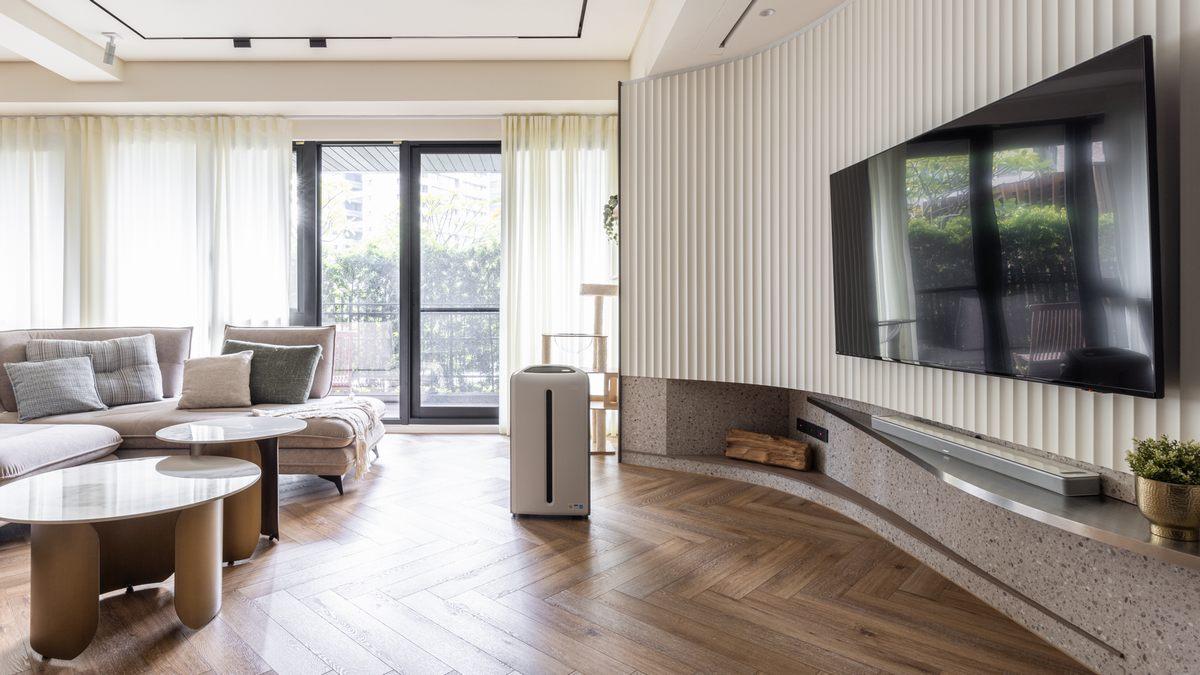
Real estate and interior design will follow this trend.
For years, homes were sold through views, kitchens, terraces, pools, gyms, parking and smart-home systems. Clean air may become part of that premium language.
Better filters.
Sealed windows.
Modern HVAC.
Air-quality monitoring.
Dedicated purification systems.
Bedroom-level filtration.
Cleaner nurseries.
This is especially relevant in cities and regions repeatedly affected by wildfire smoke, dust, traffic pollution or extreme heat. Buyers may begin asking questions that were once rare.
What filtration does the building use?
Can windows seal properly?
Is there mechanical ventilation?
Can the system handle smoke days?
In the climate era, indoor air becomes part of property value.
Hotels Will Need To Adapt Too
Clean-air living does not stop at home.
Travellers will increasingly expect hotels to manage indoor air during smoke events. A luxury hotel that offers a beautiful room but poor filtration may feel less premium when the sky outside is orange or gray.
Guests may ask about air purifiers.
They may check whether windows seal.
They may request rooms away from outdoor smoke exposure.
They may expect indoor lounges with strong filtration.
Hospitality brands that communicate clearly will gain trust. Those that treat smoke as an inconvenience rather than a health issue may look unprepared.
Clean air is becoming part of service quality.
Children Change The Urgency
The clean-air trend becomes more emotional when children are involved.
Adults may accept discomfort or take risks. Parents are less likely to be casual when smoke affects children’s lungs, sleep, school activities or sports. A smoky summer day can mean cancelled playground time, indoor boredom, irritated eyes and anxious parents.
This is why air purifiers sell not only function.
They sell reassurance.
A parent who buys a purifier is buying the feeling that at least one part of the home is safer. That emotional value is powerful, especially when smoke events feel unpredictable and official warnings change quickly.
Clean-air products are entering the parenting economy.
Wellness Culture Is Becoming Environmental
Wellness used to focus heavily on the body.
Exercise.
Diet.
Skincare.
Sleep.
Supplements.
Meditation.
Now environmental wellness is becoming just as important. People are realising that health is shaped not only by what they eat or how they train, but by the air they breathe, the heat they endure and the pollutants entering their homes.
Clean-air living fits that shift perfectly.
It turns the home into a health environment.
It makes air quality part of lifestyle design.
It connects climate risk with daily habits.
The wellness consumer who once bought protein powder and yoga mats may now buy HEPA filtration and indoor air monitors.
The wellness market is moving from self-optimisation to survival comfort.
Air Monitors Become The New Thermometer
A thermostat tells you temperature.
An air-quality monitor tells you what temperature cannot.
That is why monitors are becoming more relevant. During smoke events, the sky may look only slightly hazy while fine-particle levels remain unhealthy. In other cases, the air may look dramatic but improve quickly after wind or storms.
People want data.
An indoor monitor gives households a sense of control. It can show whether a purifier is working, whether cooking increased particles, whether a room is safe enough for a child, or whether windows should stay closed.
This does not mean every home needs expensive devices.
But the direction is clear.
Air quality is becoming visible.
Once people can measure it, they may start demanding better air everywhere.
Inequality Will Shape Clean-Air Living
There is a serious social problem inside this trend.
Not everyone can afford high-quality air purifiers, replacement filters, sealed windows, modern HVAC systems or larger homes with cleaner rooms. People in older housing, rental apartments or low-income communities may face higher exposure and fewer options.
Reuters notes that for those who cannot afford an air purifier, UC Davis provides instructions for building a lower-cost purifier.
That matters because clean air should not become only a luxury product.
If smoke events become frequent, public policy will have to address access: schools, shelters, libraries, community centres, public housing and care homes all need clean-air strategies.
The market will sell purifiers.
Governments must think bigger.
Offices Will Face New Expectations
Workplaces are not exempt.
Employees may ask whether offices have proper filtration during smoke days. Companies may need policies for remote work when air quality is poor, especially for staff with health conditions or long outdoor commutes.
This changes the office conversation.
A company cannot simply say the building is open if the air outside is unhealthy and indoor filtration is weak. Worker safety may increasingly include air-quality management.
Clean air could become part of workplace wellbeing, alongside ergonomics, mental health and flexible schedules.
The office of the future may need to prove not only that it is productive.
It must prove that it is breathable.
Design Will Become More Practical
Clean-air living may also influence interior design.
People may choose fewer candles, better kitchen ventilation, washable materials, reduced dust traps, sealed doors, improved window treatments and furniture layouts that allow air purifiers to work effectively.
The purifier itself may become more design-conscious.
Brands will try to make devices quieter, more attractive, smaller, smarter and easier to place in bedrooms or living rooms. Nobody wants a home filled with loud plastic machines that feel like hospital equipment.
The winning products will combine performance and aesthetics.
In lifestyle markets, function matters.
But the object still has to live in the room.
The New Summer Routine
A clean-air summer routine may soon feel normal.
Check the AQI.
Close windows early.
Run the purifier.
Use the cleaner air room.
Avoid candles and frying.
Limit outdoor exercise.
Watch children and vulnerable relatives.
Replace filters on time.
Keep masks available.
Plan indoor activities when smoke is heavy.
This is not the summer lifestyle people dreamed of.
But it may be the one many households need.
Climate adaptation is often discussed through infrastructure and policy. In daily life, it appears as small routines repeated inside ordinary homes.
The Bottom Line
Clean-Air Living is becoming one of the defining lifestyle shifts of smoky summers.
Wildfire smoke can travel across borders, enter homes and affect people who are nowhere near the flames. Reuters reports that smoke exposure can trigger immediate symptoms and worsen respiratory or heart conditions, while EPA guidance points households toward cleaner air rooms and indoor filtration during wildfire events.
That is why air purifiers, better filters and indoor air monitors are becoming more than gadgets.
They are becoming part of modern household preparedness.
The old summer essential was air conditioning.
The new one may be clean air.
 Jamal Mahdad, Founder & Editor-in-Chief