


America’s clock fight is back.
Not as a niche debate for sleep experts.
Not as a seasonal complaint when phones jump forward or back.
This time, Permanent Summer Time has moved one serious step closer to becoming law.
The U.S. House has passed the Sunshine Protection Act, a bill that would make daylight saving time permanent and end the twice-yearly clock change that millions of Americans dread.
The promise sounds simple.
More evening light.
No more switching.
No more confusion.
But the fight is not simple at all.
Permanent Summer Time Gets A House Win
Permanent Summer Time matters because the clock is one of the few things government changes that everyone feels immediately.
AP reports that the House passed the Sunshine Protection Act by 308 votes to 117, moving the United States closer to keeping clocks permanently one hour ahead. The bill would still need Senate approval before reaching the president.
That means the debate is not finished.
But it is no longer theoretical.
The House has given permanent daylight saving time a major push, and the White House has signalled support if the bill reaches the president’s desk.
For supporters, this is common sense.
For critics, it is a winter sunrise problem waiting to happen.
The Lifestyle Promise Is Evening Light

The biggest selling point is easy to understand.
People like light after work.
A later sunset can mean more time outside, more sports, more shopping, more restaurant activity, more walking, more family time and less of the gloomy feeling that the day ends too early.
That is why permanent daylight saving time has emotional appeal.
It sounds like giving people more day.
Technically, it does not create more sunlight.
It shifts the usable light toward the evening.
For many workers and families, that feels like a lifestyle upgrade. The morning may be darker, but the evening becomes more alive.
In a culture built around after-work errands, children’s activities, outdoor dining and commuting, evening light is powerful.
The Morning Darkness Problem Is Real
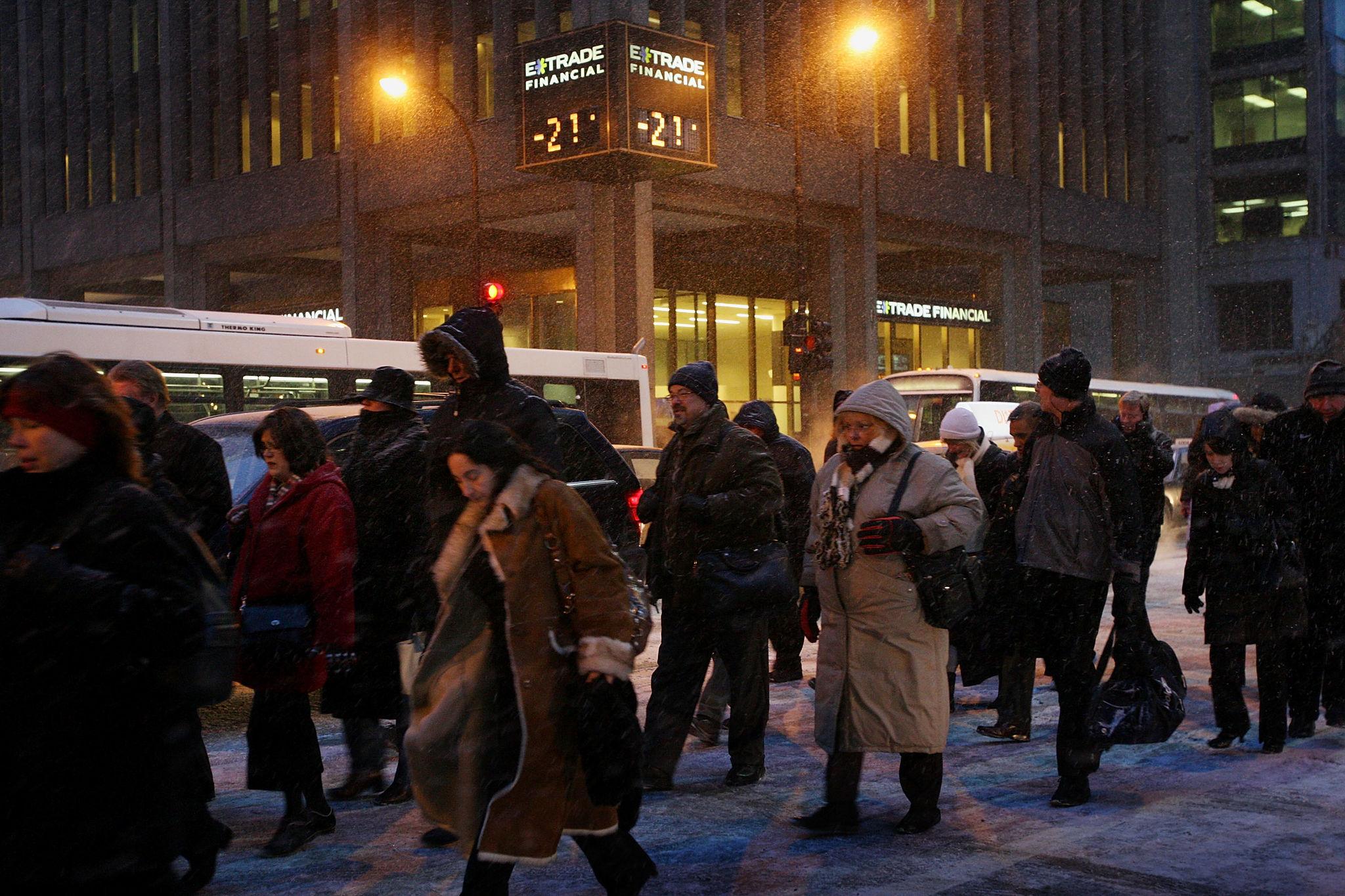
The opposition is just as easy to understand.
Permanent daylight saving time means darker winter mornings.
In some parts of the country, sunrise could arrive very late during the coldest months. That affects children going to school, early commuters, construction workers, drivers, cyclists and anyone whose day begins before the sun.
Barron’s notes that critics warn permanent daylight saving time would push winter sunrises later and reduce morning light that many people rely on for safety and wellbeing.
That is the core trade-off.
Supporters focus on evening life.
Opponents focus on morning safety.
Both sides are talking about daily life, not abstract time policy.
Americans Are Tired Of The Switch
The strongest argument may not be evening light.
It may be exhaustion with the clock change itself.
Changing clocks twice a year is unpopular because it disrupts sleep, routines, school schedules, work patterns, travel planning, device settings and basic mental rhythm. Even when phones update automatically, people still feel the shift.
AP reports that if Americans had to choose one national system, 56% of adults would prefer making daylight saving time permanent.
That explains the political appeal.
Ending the switch feels like removing a small but universal irritation.
It is rare for a policy debate to touch almost every household at the same moment twice a year.
The clock change does.
Sleep Experts May Not Celebrate
The popular preference is not necessarily the health preference.
Many sleep scientists and medical groups have historically argued that permanent standard time better matches human circadian rhythms because morning light helps regulate sleep, alertness and biological timing.
That creates a difficult public-policy divide.
Voters may prefer evening light.
Experts may warn that morning light is healthier.
Politicians may prefer the simple slogan: ditch the switch.
The science may be more complicated than the slogan.
This is why permanent summer time can be politically attractive and medically controversial at the same time.
Airlines See Operational Risk

The clock debate also affects travel.
Reuters reported that Airlines for America, which represents major U.S. carriers, warned that permanent daylight saving time could have implications for aviation, including passenger disruption, crew and aircraft positioning, and domestic and international connectivity.
That matters because time is infrastructure.
Airlines operate through schedules, slots, crews, maintenance windows, international connections and airport coordination. A permanent shift in time rules is not only a lifestyle decision. It affects systems that depend on precision.
For passengers, the change may look simple.
For airlines, it can create months of schedule planning.
The clock is not just on the wall.
It is inside the global travel network.
The Senate Is The Next Obstacle
The House vote was decisive.
But the Senate remains the key test.
CBS News reported that the bill still needs Senate approval before it can go to the president, and senators who backed similar efforts before have called for quick action.
That history matters.
The Senate passed a similar permanent daylight saving time bill in 2022, but the measure stalled in the House at the time.
Now the situation has flipped.
The House has acted.
The Senate must decide whether this becomes law or another failed clock reform.
America has been close before.
Close is not the same as finished.
The State Patchwork Problem
One reason the debate keeps returning is that states have pushed for change.
Some states want more flexibility. Some have passed measures supporting permanent daylight saving time if federal law allows it. Others prefer standard time or already have special arrangements.
But national time policy cannot be handled casually.
If states move in different directions, the country risks confusion for travel, business, broadcasting, school schedules and interstate commerce.
That is why federal action matters.
The clock is local in feeling, but national in function.
A person may experience time in their own kitchen.
Airlines, markets and supply chains experience it across borders.
Retail And Restaurants May Like Later Light
Businesses that benefit from evening activity often support later daylight.
Restaurants, shopping districts, sports facilities, outdoor entertainment venues and tourism operators can gain when people feel the day remains open after work. A brighter evening can encourage consumers to go out rather than stay home.
This is the lifestyle economy argument.
More light after work can mean more spending.
Dinner outside.
Youth sports.
Golf.
Local events.
Retail trips.
Walking districts.
That does not guarantee a boom, but it gives the policy a commercial constituency.
The clock can influence consumer behaviour.
Parents Are Divided
Parents may feel both sides of the issue.
Later evening light can help after-school life. Children can play outside longer. Sports practices may feel easier. Family errands may be less rushed. The end of the workday can feel less dark and compressed.
But darker winter mornings worry parents too.
Children waiting for buses in darkness, walking to school before sunrise or starting the day with less natural light can raise safety and health concerns.
This is why the issue does not break neatly into simple camps.
The same family may like the evening benefit and fear the morning cost.
The clock creates winners and losers inside the same household.
Work Culture Has Changed
One argument for reform is that work habits have changed.
Remote work, flexible schedules, later commuting patterns and digital work have made the old clock system feel less connected to how many people live. If fewer people follow traditional early-morning patterns, the case for preserving morning light may feel weaker to supporters.
But that is not true for everyone.
Millions still work early shifts.
Schools still start early.
Healthcare, logistics, aviation, factories, construction, policing and service work do not operate on laptop flexibility.
The daylight debate reveals a split economy.
Some people can redesign their day.
Others must report when the schedule says so.
The 1970s Memory Still Haunts The Debate
America has tried year-round daylight saving time before.
During the 1970s energy crisis, the United States experimented with it, but public support weakened as dark winter mornings became more visible and controversial.
Barron’s notes that critics still point to the 1974 experience as a warning about turning permanent daylight saving time into law without fully considering winter mornings.
That history matters.
A policy can be popular in summer and unpopular in January.
The public may love the idea when evenings are warm and bright.
The test comes when children leave for school in darkness.
The Politics Are Surprisingly Emotional
Clock policy sounds technical.
It is not.
People attach daily emotions to light.
Morning people value sunrise.
Evening people value sunset.
Parents value safety.
Businesses value activity.
Sleep experts value circadian rhythm.
Airlines value coordination.
Politicians value simple promises.
That is why this debate keeps returning with intensity far beyond what outsiders might expect.
Time is personal.
When government changes it, people feel it in their bodies.
The Bottom Line
Permanent Summer Time is closer than it has been in years, but not guaranteed.
The U.S. House has passed the Sunshine Protection Act by 308 to 117, aiming to make daylight saving time permanent and end the twice-yearly clock change. The bill still needs Senate approval before it can become law, but AP reports that the White House has signalled support and that 56% of adults prefer permanent daylight saving time if the country must choose one system.
The appeal is obvious.
No more switching.
More evening light.
Simpler routines.
But the trade-off is real.
Darker winter mornings.
Travel complexity.
Health concerns.
School safety worries.
America may soon stop moving the clock.
But the fight over where to place the light is not over.