
The most awkward person in the meeting may no longer be a person.
It may be the bot.
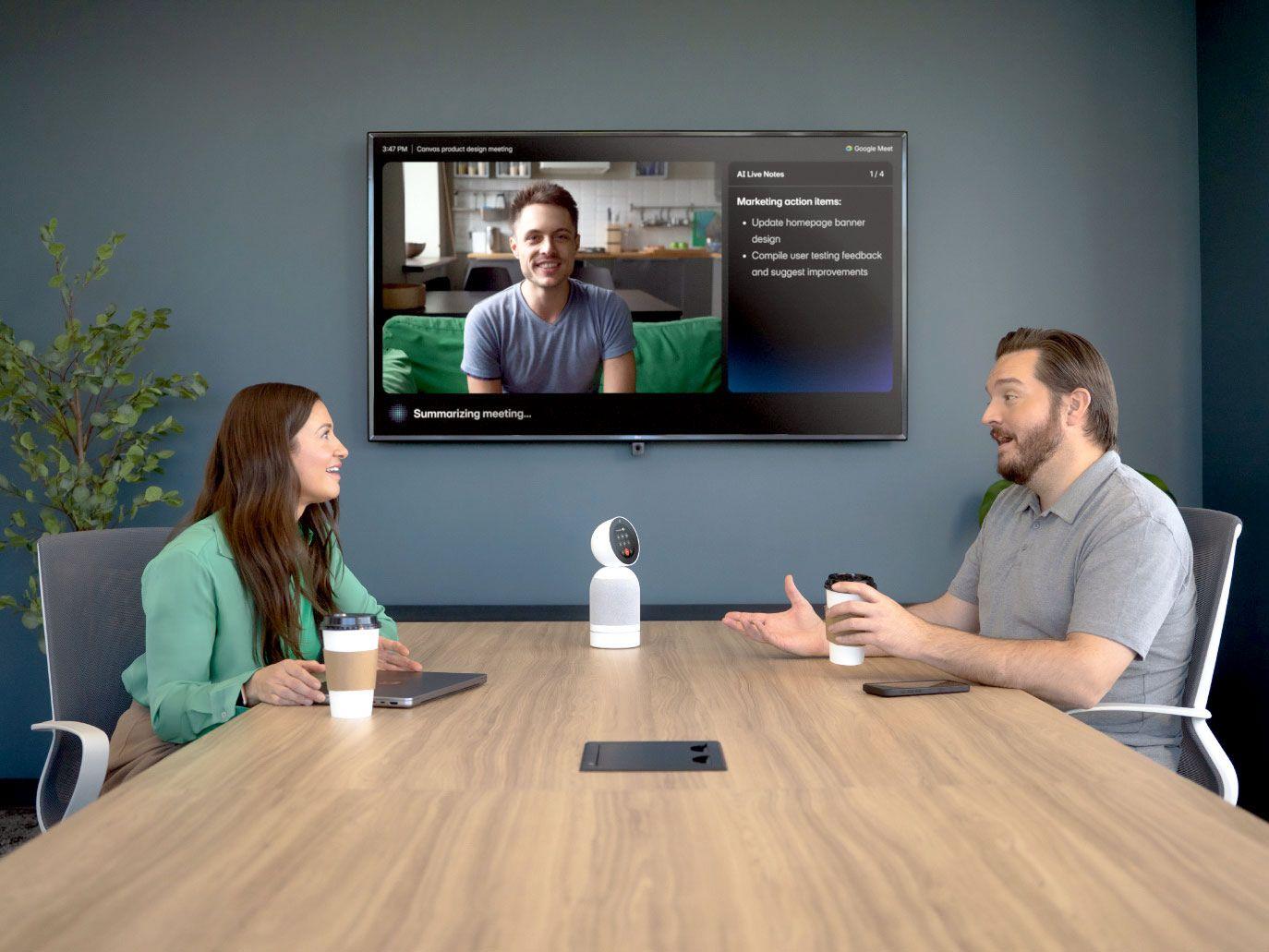
AI notetakers are entering work calls with the promise of convenience. They record, transcribe, summarise, assign action points and help workers remember what was said without taking manual notes.
That sounds useful.
Until the bot joins a sensitive meeting without everyone expecting it.
Then the mood changes.
Who invited it?
Is it recording?
Where will the transcript go?
Who owns the notes?
Can my voice become training data?
Can a joke, hesitation or private comment become searchable later?
The office meeting has entered a new privacy era.
Meeting Bot Backlash Arrives At Work
The Meeting Bot Backlash matters because AI notetakers are turning an ordinary work habit into a consent problem.
AP reports that AI notetakers are becoming increasingly common in workplace meetings, but privacy advocates warn that companies behind these tools may create voiceprints without proper consent. In Illinois, voiceprints are considered biometric identifiers under the state’s Biometric Information Privacy Act, which requires written notice and informed consent before collection.
That is not a small legal detail.
A voice is not just sound.
It can be identity.
Once a meeting tool records voices, names speakers, stores transcripts and produces searchable summaries, the meeting becomes data.
The workplace has always had politics.
Now it has automated memory.
The Bot Changes How People Speak
Meetings depend on context.
People test ideas.
They speak loosely.
They disagree.
They joke.
They think aloud.
They say things that are not final positions.
A human note-taker usually filters that. Formal minutes capture decisions, actions and key points. They do not usually preserve every informal aside, false start or awkward sentence.
AI notetakers can change that.
Reuters Legal warns that many AI tools record and transcribe everything said during a meeting, including pre-meeting chatter or post-meeting office gossip that would typically not be recorded in anyone’s official notes.
That creates a chilling effect.
People may speak less freely when they know every word could become a searchable record.
The meeting becomes less human.
Convenience Is The Selling Point
The appeal is obvious.
Modern work is full of meetings.
Too many meetings.
Long meetings.
Back-to-back meetings.
Meetings where half the value disappears because nobody writes down the decisions clearly.
AI notetakers solve a real problem. They can produce summaries quickly, capture action items, remind teams what was promised and help absent colleagues catch up. For busy workers, that can feel like a breakthrough.
No more messy notes.
No more forgotten tasks.
No more asking, “What did we decide?”
That is why these tools spread so quickly.
The product solves pain.
The backlash begins when workers realise the solution creates a new kind of exposure.
Consent Is The Core Issue

The problem is not only recording.
It is consent.
A meeting may include employees, contractors, clients, lawyers, vendors, journalists, patients, investors or job candidates. Each person may have different expectations about whether the conversation is being recorded and processed by an AI tool.
AP notes that if an AI notetaker appears unexpectedly, experts suggest participants can say they prefer to keep the meeting free of AI recording or transcript tools and offer to take notes manually instead.
That advice matters because workers need language.
Many people feel uncomfortable challenging a bot once it has joined. They may worry about seeming difficult, anti-technology or uncooperative.
But consent should not depend on social courage.
Companies need rules that make the default clear.
Voiceprints Make The Issue More Sensitive
Text notes are one thing.
Voice data is another.
If an AI tool identifies speakers, separates voices or learns vocal patterns, it may create biometric risk. That is why privacy advocates focus on voiceprints. A voice can reveal identity, emotion, accent, health signals and personal characteristics.
Workers may be comfortable with a colleague taking notes.
They may not be comfortable with a third-party system processing their voice.
This distinction is crucial.
A transcript is not only a document.
It may be the output of biometric capture.
That makes the office meeting part of the broader debate over how much personal data employers and software vendors should be allowed to collect in the name of productivity.
Legal Meetings Are Especially Exposed
Lawyers are particularly nervous for a reason.
Some meetings contain privileged information. If an AI notetaker records or processes sensitive legal discussion through a third-party platform, questions can arise around attorney-client privilege, confidentiality and discoverability.
Reuters Legal warns that AI meeting tools can create hidden legal risks, including privilege waiver and discoverability issues, especially when transcripts preserve more than ordinary notes would have captured.
That risk is not theoretical.
A casual comment in a legal strategy meeting can become a record.
A draft idea can become discoverable.
A private discussion can become part of a wider data trail.
For law firms, corporate legal teams and executives, the bot is not only a productivity tool.
It may become a witness.
HR Meetings Are Another Danger Zone
Human resources conversations are also sensitive.
Performance reviews.
Disciplinary meetings.
Layoff discussions.
Medical accommodations.
Harassment complaints.
Workplace conflicts.
Salary negotiations.
These are not ordinary meetings. They contain personal data, emotional detail and legal risk. Recording them through AI tools without clear policy can create distrust and liability.
An employee may ask:
Who can access the transcript?
Can managers search it later?
Will it be used in performance evaluation?
Can it be shared with HR systems?
Can it be subpoenaed?
Will errors in transcription hurt me?
These questions are not anti-AI.
They are basic workplace fairness questions.
Accuracy Is Not Guaranteed
AI notetakers also make mistakes.
They can mishear names, confuse speakers, miss sarcasm, misunderstand accents, summarise poorly or turn a tentative comment into a firm decision. In meetings, nuance matters.
A human note-taker can understand tone and context.
An AI system may flatten the conversation into confident but imperfect text.
That can create problems.
A worker may be assigned an action they never accepted.
A client may read a summary that misrepresents the discussion.
A disagreement may be simplified into false consensus.
A joke may become a damaging sentence without context.
The risk is not only privacy.
It is accuracy.
The Bot Can Become A Power Move
There is also a culture problem.
Sending an AI notetaker to a meeting instead of attending can feel efficient to the sender and disrespectful to everyone else. It suggests the absent person wants the benefit of the conversation without showing up.
That can change meeting etiquette.
Was the person invited, or only their bot?
Can a bot represent someone?
Should a meeting continue if key participants send automated listeners?
Can people refuse to speak to a bot?
The office has not yet fully answered these questions.
But the social meaning is clear.
Presence still matters.
A transcript is not the same as participation.
Workers Need A Right To Say No
A healthy workplace should allow people to object to AI recording without fear.
That does not mean every objection must end the meeting. But it does mean companies need a process.
Before the meeting, attendees should know whether AI recording will be used.
During the meeting, the bot should be visible.
Participants should be able to ask where the data goes.
Sensitive meetings should have stricter rules.
External guests should receive clear notice.
The meeting host should not be allowed to quietly add a recording bot and treat silence as consent.
Silence is not consent.
It is often confusion.
Companies Need Policies Before The Crisis
Many companies adopt AI tools faster than they write policies.
That is dangerous.
A good policy should answer basic questions:
Which AI notetakers are approved?
Which meetings are off-limits?
Who must consent?
Where are transcripts stored?
How long are they retained?
Can vendors use the data for model training?
Who can access summaries?
How are errors corrected?
Can employees opt out?
Reuters Legal advises organisations to develop and implement policies on appropriate use of AI notetakers and transcript tools to reduce legal and privacy risks.
That should be the minimum.
A company should not discover its AI meeting policy during a lawsuit.
The Productivity Argument Is Still Strong
The backlash does not mean AI notetakers will disappear.
They are too useful.
Many workers genuinely need help managing meeting overload. Teams spread across time zones benefit from summaries. People with disabilities may benefit from transcripts. Managers can track decisions more easily. Projects can move faster when notes are clear.
The productivity case is real.
The question is whether productivity can be achieved without turning every workplace conversation into permanent surveillance.
The best version of this technology will be transparent, permission-based, accurate, secure and easy to disable.
The worst version will be invisible, automatic and impossible to control.
Office Trust Is The Real Asset
Companies often talk about efficiency as if it exists alone.
It does not.
Efficiency depends on trust.
If workers believe every meeting is being recorded, analysed and stored, they may become more guarded. They may move sensitive conversations to private channels. They may avoid honest disagreement. They may stop brainstorming freely.
That harms productivity in a different way.
A company can gain better notes and lose better conversation.
That is the central tension.
The purpose of a meeting is not only to create a transcript.
It is to think together.
The International Problem Is Complicated
Global companies face an even harder challenge.
Privacy laws differ across countries and states. Consent rules differ. Biometric rules differ. Labour expectations differ. Data-transfer laws differ. A meeting may include people in several jurisdictions at once.
That means one company-wide AI notetaker policy may not be enough.
A tool that feels acceptable in one location may create risk in another. A recording rule that works for internal U.S. meetings may not fit European clients or multinational legal discussions.
Work is global.
Privacy law is fragmented.
AI notetakers sit directly inside that conflict.
The Human Note May Make A Comeback
Ironically, AI could make human note-taking valuable again.
In sensitive meetings, a trusted person taking structured notes may be safer than a bot recording everything. Human notes can focus on decisions and agreed actions rather than preserving every sentence. They can avoid capturing irrelevant personal details. They can be reviewed before distribution.
That does not mean returning to messy notebooks.
It means choosing the right tool for the right meeting.
AI can help with routine project updates.
Human judgment may still be better for legal, HR, strategic and confidential discussions.
The future is not bot or no bot.
It is controlled use.
Meeting Etiquette Must Be Rewritten
The new office etiquette may become simple.
Ask before adding a bot.
Announce when recording starts.
Do not record sensitive meetings by default.
Do not send a bot instead of attending unless everyone agrees.
Delete transcripts when no longer needed.
Correct errors before sharing summaries.
Do not treat AI summaries as official minutes without review.
Give people a way to object.
These rules sound basic because they are.
The technology is new.
The respect required is not.
The Bottom Line
The Meeting Bot Backlash shows that AI productivity tools are entering one of the most sensitive spaces in office life: the conversation.
AP reports that AI notetakers are increasingly present in workplace meetings, while privacy advocates warn about voiceprints, consent and biometric law. Reuters Legal adds that these tools can capture informal comments and create legal risks around discoverability, privilege and workplace data.
The promise is real.
Better notes.
Faster summaries.
Fewer forgotten decisions.
But the risk is just as real.
Less trust.
More surveillance.
More legal exposure.
More anxiety inside everyday meetings.
The office bot may take perfect notes.
The harder question is whether people still feel free to speak.
 Jamal Mahdad, Founder & Editor-in-Chief