
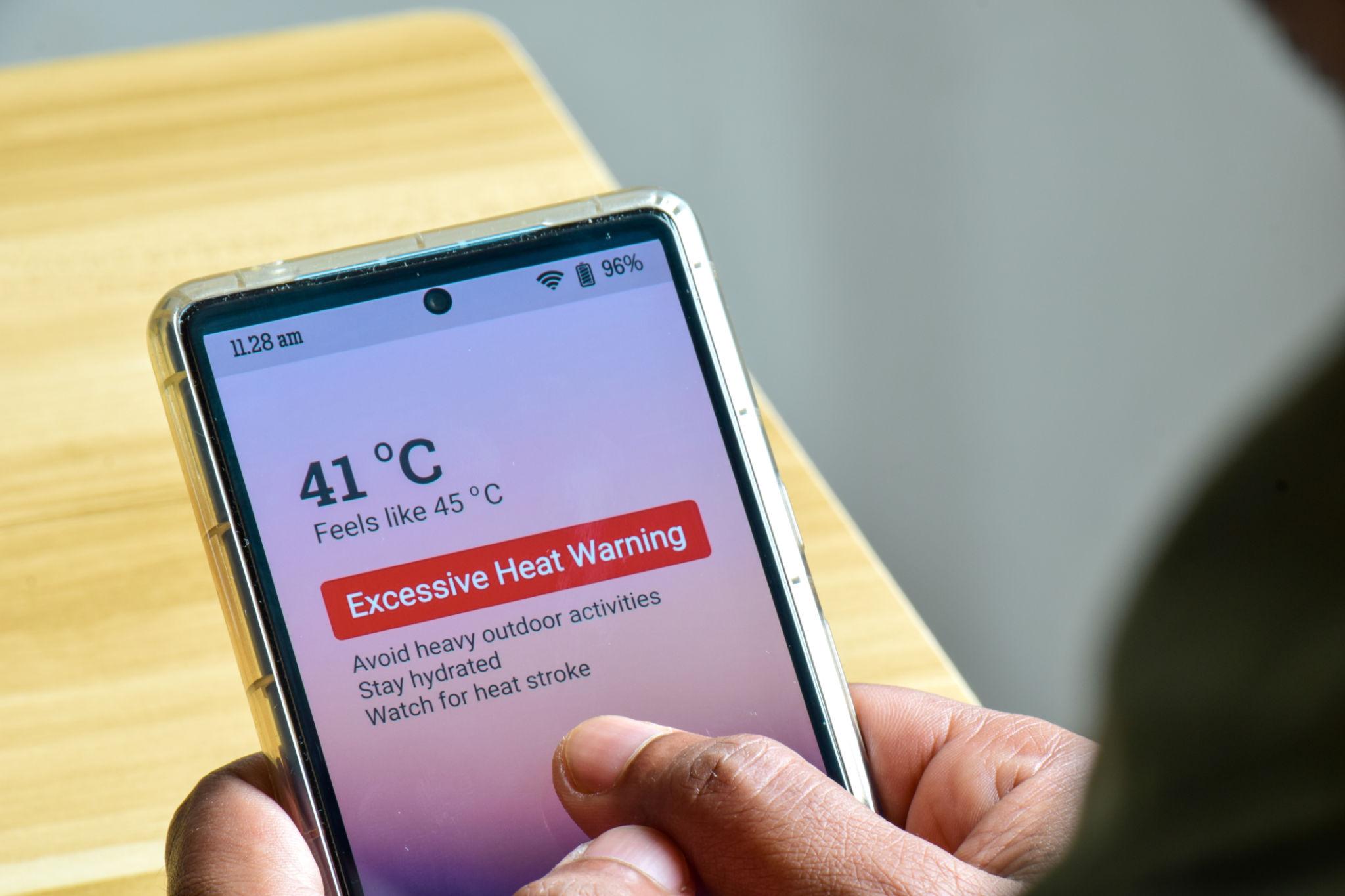
The next climate warning in Morocco may not arrive from the sky first.
It may arrive on a phone.
As heatwaves, floods, fires and sudden storms become harder to ignore, Morocco is moving toward a new kind of public-warning culture: targeted SMS alerts sent directly to people in exposed areas.
That sounds simple.
A message.
A warning.
A few seconds of attention.
But behind that small vibration is a much bigger shift.
Morocco is treating extreme weather not only as a meteorological issue, but as a daily public-safety challenge that must reach citizens wherever they are.
In the climate era, the phone becomes part of the emergency system.
SMS Climate Alerts Become A Moroccan Safety Tool
SMS Climate Alerts matter because weather risk is becoming faster, sharper and more personal.
A heatwave is no longer only a weather report. It affects workers, children, elderly people, farmers, drivers, schools, hospitals, outdoor markets and families without strong cooling at home.
A flood warning is no longer only a line in a bulletin. It can decide whether a family avoids a road, whether a shop closes early, whether a valley crossing becomes deadly or whether a local authority evacuates in time.
SNRT News reports that Morocco is introducing early-warning SMS messages to alert people about climate risks, including floods, fires and heatwaves, using phone-network location data to target people present in risk zones.
That is the important step.
The warning does not wait for the citizen to search for information.
It finds the citizen.
Morocco’s Heat Makes The System Urgent
The timing is not abstract.
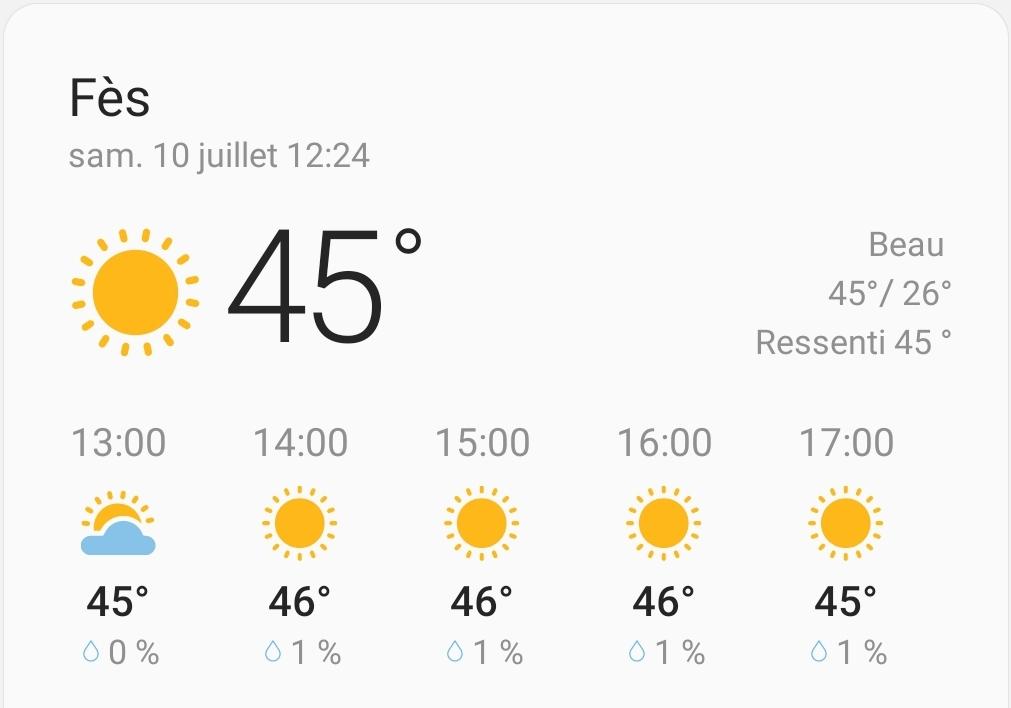
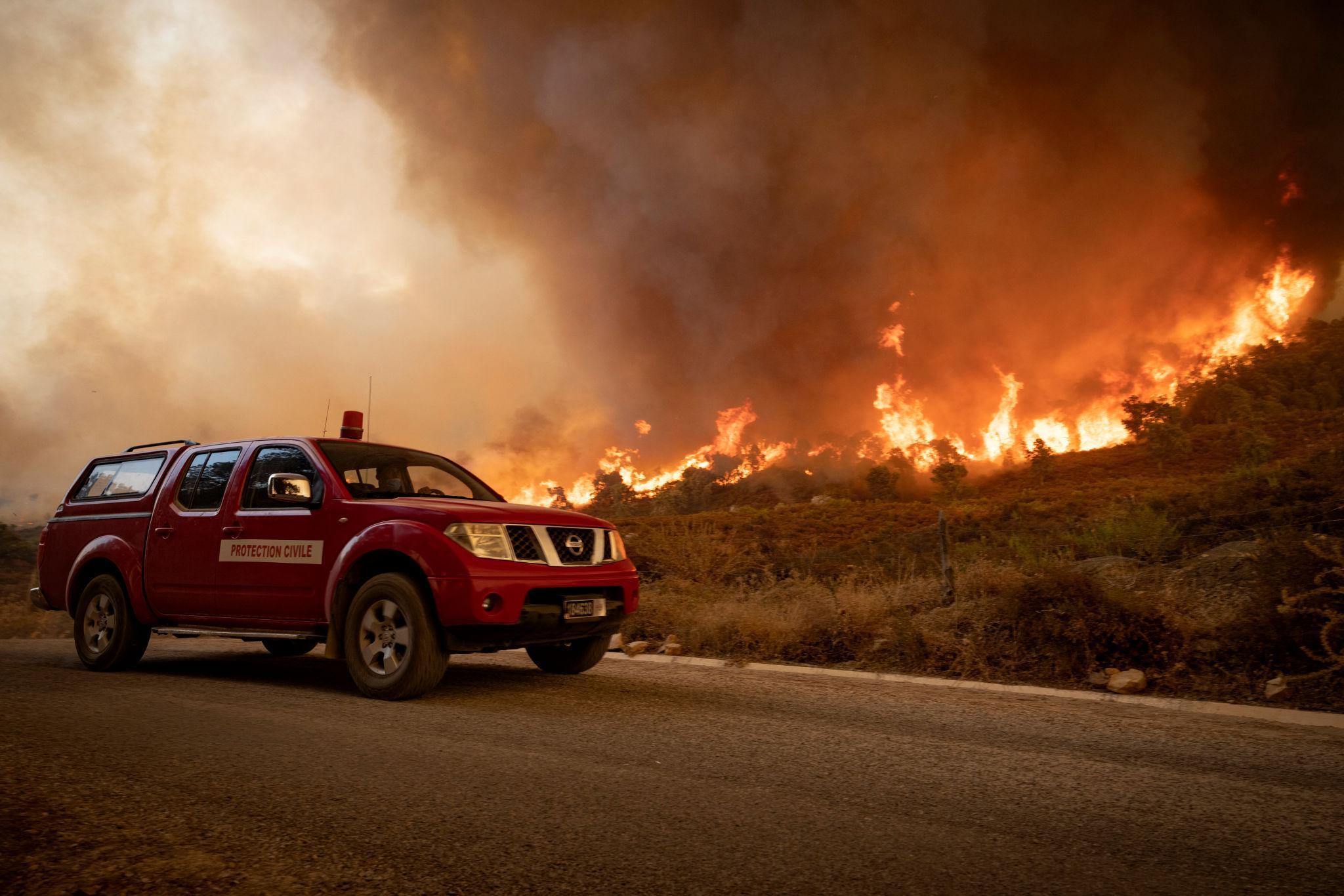
Morocco is already facing extreme summer heat.
Médias24 reported this week that a new heatwave alert could bring temperatures up to 47°C in several provinces, under a DGM orange-level warning.
That kind of heat changes daily life.
People walk differently.
They work differently.
They shop earlier.
They keep children indoors.
They avoid long drives.
They worry about elderly relatives.
They drink more water.
They look for shade.
They delay physical labour.
Extreme heat is not only uncomfortable. It can be dangerous, especially for people who work outside, live in poorly cooled homes or suffer from chronic health conditions.
This is why an SMS warning matters.
A phone alert can turn climate information into immediate behaviour.
The Phone Becomes Public Infrastructure
Morocco has millions of mobile users.
That makes the phone one of the most powerful public-safety channels in the country. A television warning can miss people. A website update requires someone to check it. A social media post depends on algorithms. A radio announcement depends on timing.
An SMS is different.
It appears directly.
It is difficult to miss.
It can reach people without a smartphone.
It can work across social classes more effectively than app-based systems.
That gives SMS alerts a special role in a country where climate risk affects rural areas, urban workers, tourists, drivers, farmers and diaspora visitors at the same time.
The mobile network becomes more than a communication tool.
It becomes a national warning layer.
Targeting Is The Key Innovation
The most important part is not simply sending messages.
It is sending the right message to the right place.
SNRT News explains that the system can identify phones connected to antennas in a threatened area and send alerts to those users, allowing warnings to be geographically targeted.
That matters because national alerts can become too broad.
If everyone receives every warning, people eventually stop paying attention. A person in Tangier may ignore an alert meant for Zagora. A person in Casablanca may dismiss a flood warning affecting a mountain valley. Too many irrelevant alerts create fatigue.
Targeted alerts solve part of that problem.
They tell people: this is about where you are now.
That makes the message more serious.
It also makes the system more useful for travellers, tourists and people moving through unfamiliar areas.
The Message Must Be Clear
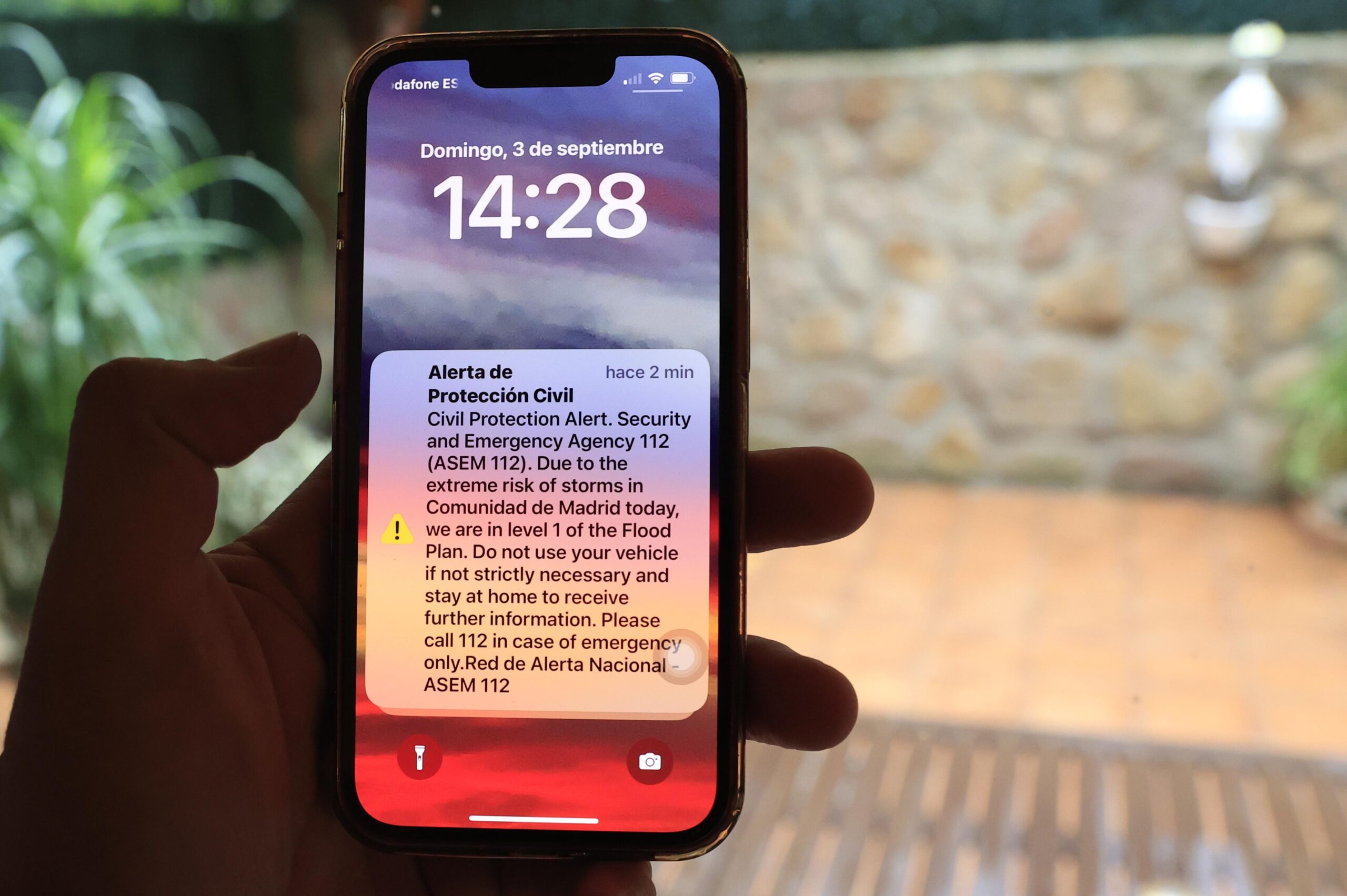
The power of an alert depends on language.
A climate warning cannot sound like bureaucracy.
It must be short, direct and actionable.
People do not need technical paragraphs when danger is near. They need to know what is happening, where, when and what to do.
Avoid travel through this area.
Do not cross flooded roads.
Stay indoors during peak heat.
Drink water.
Check elderly relatives.
Avoid lighting fires.
Move to higher ground.
Follow local authorities.
A vague message creates confusion.
A clear message saves time.
In emergencies, time is safety.
Heat Alerts Need Different Behaviour
Heat is a special kind of danger because it is often underestimated.
People recognise floods and fires as emergencies. Heat can feel more normal, especially in a country used to hot summers. That is dangerous.
A 47°C day is not just “summer.”
It can become a health threat.
Workers exposed to sun can suffer heat exhaustion. Older people can become dehydrated. Children can overheat quickly. People with diabetes, heart disease or respiratory conditions may face higher risk. Outdoor sports, construction, farming and street commerce all become more difficult.
An SMS heat alert can help normalise protective behaviour.
Not weakness.
Not panic.
Adaptation.
Farmers Need Timely Warnings
For Morocco’s rural economy, climate alerts are also economic tools.
Farmers need to know when extreme heat, storms, hail, strong winds or flood risk may affect crops, animals, irrigation planning or transport. A warning sent too late has limited value. A warning sent early enough can change decisions.
Move animals.
Protect equipment.
Delay harvesting.
Secure greenhouses.
Avoid dangerous roads.
Adjust irrigation.
Prepare for hail.
This is where climate alerts become part of agricultural resilience.
Morocco’s farms are already facing water stress and temperature pressure. Faster warnings will not solve drought or climate change, but they can reduce avoidable losses.
The phone becomes a farm-management tool.
Cities Need Alerts Too
Climate risk is not only rural.
Moroccan cities are exposed in different ways.
Heat islands can make urban temperatures feel worse. Concrete, traffic and limited shade increase discomfort. Workers in delivery, construction, taxis, markets and security face direct exposure. Poorer households may have less access to cooling. Traffic can worsen when storms hit. Drains can overflow quickly during heavy rain.
An urban climate alert must therefore be practical.
It should not only say “heatwave.”
It should guide behaviour.
Avoid outdoor activity between certain hours.
Drink water.
Use shade.
Check vulnerable people.
Prepare for possible power or transport disruption.
City life depends on routine.
Extreme weather breaks routine.
Alerts help people adjust before the break becomes dangerous.
Tourists And Diaspora Visitors Also Need Warnings
Morocco is not only warning residents.
It is also warning people who may not understand local risk.
Tourists, diaspora families and business travellers may arrive from cooler climates or from cities where weather systems work differently. They may underestimate heat in inland provinces, flash-flood risk in valleys or wildfire risk in dry areas.
A targeted SMS system can reach them if their phones connect to local networks.
That is important.
A visitor may not follow Moroccan meteorological bulletins.
But they will see a phone alert.
This makes the system part of Morocco’s tourism safety infrastructure, even if the story is bigger than tourism.
Trust Will Decide Whether People Act
An alert system only works if people trust it.
If messages are accurate, timely and useful, citizens will take them seriously. If alerts are too frequent, too vague, too late or too dramatic, people may ignore them.
That is the danger of alert fatigue.
The system must be careful.
Warn too little, and lives may be at risk.
Warn too much, and people stop listening.
The best warning systems are credible because they are disciplined. They do not scream every day. They speak clearly when the risk is real.
Morocco’s challenge will be not only technical.
It will be editorial.
What does the message say?
When is it sent?
Who approves it?
How urgent does it sound?
Those decisions matter.
Privacy Questions Will Come
Any location-based alert system raises privacy concerns.
People may ask whether the state knows where they are, whether their movements are being tracked, whether personal data is stored, and whether emergency systems could be used for other purposes.
Those questions are legitimate.
A public-alert system can use network-level location targeting without turning into individual surveillance, but the rules must be clear.
What data is used?
Is it anonymised?
How long is it kept?
Who has access?
Can it be used only for emergencies?
How is abuse prevented?
Trust requires transparency.
Climate safety should not become a back door for unnecessary monitoring.
The Best Alert Is The One People Understand Immediately
Emergency communication must respect ordinary people’s reality.
Some people are driving.
Some are working outside.
Some are elderly.
Some have low literacy.
Some speak Darija.
Some speak Amazigh.
Some speak French.
Some are tourists.
Some have basic phones.
Some may receive the alert in a stressful moment.
That means language and design matter.
Short sentences.
Clear action.
Local relevance.
No panic words unless needed.
No technical jargon.
A good alert is not written for officials.
It is written for the person standing in the sun, sitting in a bus, driving through a valley or caring for children at home.
Morocco Is Joining A Global Shift
Morocco is not alone.
Around the world, governments are turning mobile phones into warning systems for earthquakes, floods, fires, storms, heatwaves and evacuation orders. The logic is clear: people carry phones more reliably than they watch public bulletins.
Research on mobile emergency alerts after wildfires in Chile found that SMS notifications can trigger rapid movement and behaviour change, but also showed that responses vary by socioeconomic conditions and message timing.
That lesson matters for Morocco.
Alerts can work.
But they must be designed for real communities, not only technical maps.
A wealthy neighbourhood and a remote rural village may not respond the same way. A worker who cannot leave a job site may need different guidance from a family at home. A driver needs different information from a farmer.
Emergency messages must understand behaviour.
Alerts Are Not A Replacement For Infrastructure
SMS warnings are powerful, but they are not enough.
A flood alert cannot replace drainage systems.
A heat alert cannot replace shaded public spaces.
A fire alert cannot replace land management.
A storm alert cannot replace resilient roads.
A drought alert cannot replace water planning.
Warnings help people avoid danger.
They do not remove the danger.
This is why Morocco must treat SMS alerts as one layer of climate adaptation, not the whole strategy. The country still needs better urban planning, water resilience, emergency services, health-system preparation, rural support, weather monitoring and public education.
A message can save minutes.
Infrastructure saves lives over decades.
The Human Chain Still Matters
Technology does not eliminate local responsibility.
After an alert is sent, people still need local authorities, emergency teams, health workers, teachers, police, civil protection units, municipalities and community leaders to act.
An SMS may tell people to avoid an area.
Someone must close the road.
An SMS may warn of flooding.
Someone must help evacuate.
An SMS may warn of extreme heat.
Someone must check elderly neighbours.
Climate safety works through a chain.
The phone is only one link.
If the rest of the chain is weak, the warning loses power.
The New Moroccan Climate Routine
This system may change how Moroccans live with weather.
Before leaving home, people may check alerts.
Parents may decide whether children should go outside.
Drivers may avoid certain routes.
Farmers may adjust field work.
Schools may adapt schedules.
Hospitals may prepare for heat cases.
Municipalities may warn outdoor workers.
Families may call elderly relatives.
That is the point.
Climate adaptation becomes daily behaviour.
Not only government planning.
Not only expert reports.
Not only crisis response after disaster.
A phone alert turns risk into a decision.
The International Image Matters Too
For Morocco, climate-alert systems also carry an international message.
They show that the country is modernising public safety, using telecom infrastructure and preparing for climate extremes. That matters for investors, tourists, insurers, international partners and diaspora communities.
A country that warns better is a country that manages risk better.
This does not mean Morocco is immune to climate shocks.
It means it is building tools to reduce harm.
In an era where climate risk affects agriculture, tourism, cities, health and infrastructure, early warning becomes part of national credibility.
The Risk Of Ignoring Alerts
One challenge will be public education.
People must learn what alerts mean and how to respond. If a heat alert arrives and people continue outdoor work without protection, the message has limited effect. If a flood warning arrives and drivers still cross dangerous roads, the system cannot protect them.
Authorities may need campaigns explaining alert levels, colours, protective actions and emergency numbers.
This is especially important before disasters, not during them.
A warning system works best when people understand it before the first serious alert arrives.
Public education is not optional.
It is part of the technology.
The Bottom Line
SMS Climate Alerts mark a major shift in how Morocco responds to extreme weather.
The country is moving toward targeted phone warnings for climate risks such as floods, fires and heatwaves, using mobile-network location data to reach people in exposed zones. That comes as Morocco faces repeated orange-level heat alerts, including temperatures expected to reach up to 47°C in several provinces this week.
The message is simple.
Climate risk is becoming local, immediate and personal.
So the warning must become local, immediate and personal too.
A weather bulletin tells the country what may happen.
An SMS tells the person what to do now.
In Morocco’s hotter, more unstable climate future, that difference could matter more than people realise.