
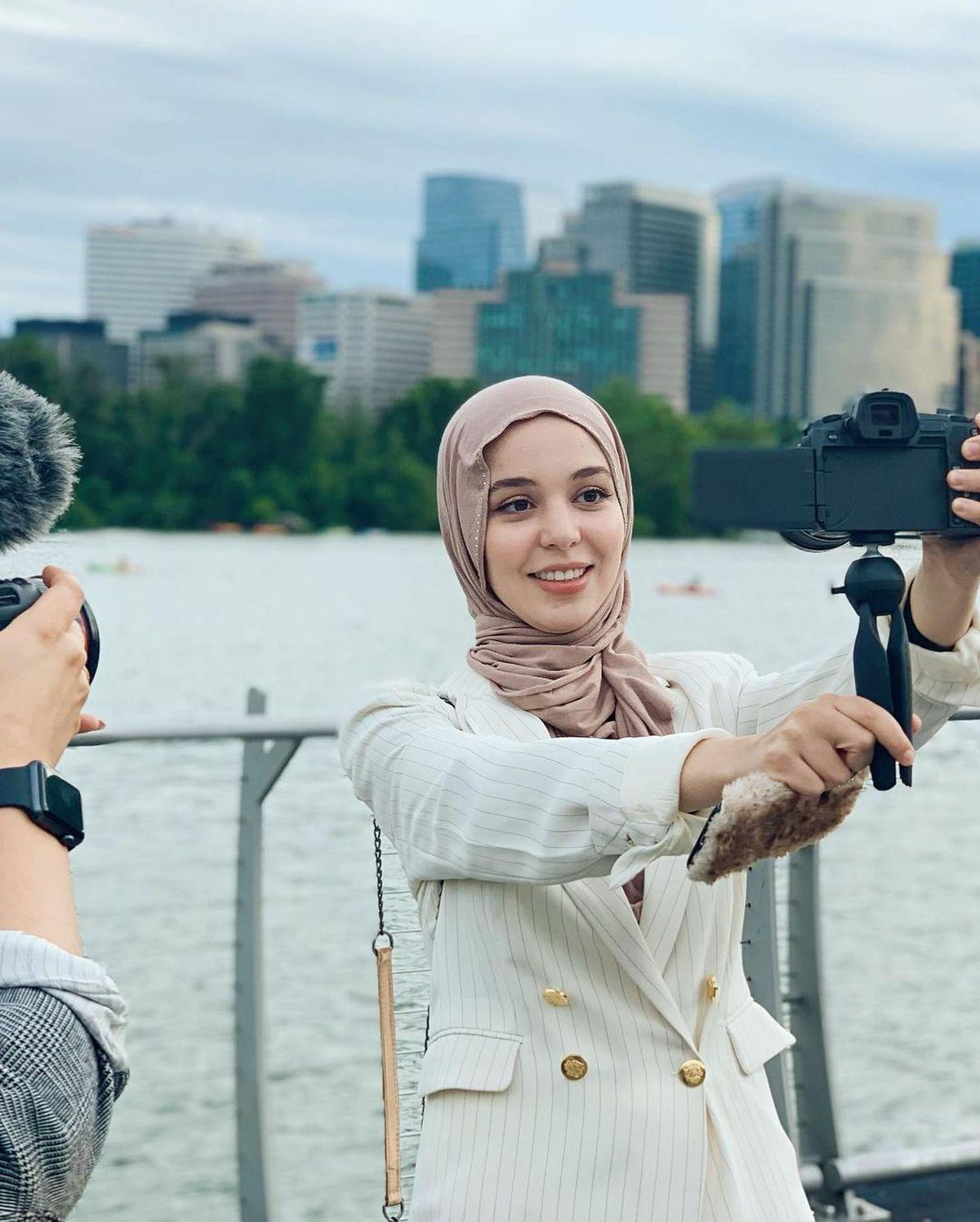
Morocco’s new media stage is not only a television studio.
It is a phone screen.
A kitchen vlog in Casablanca.
A football reaction from Brussels.
A street interview in Tangier.
A food review in Marrakech.
A political rant from Paris.
A travel reel from Chefchaouen.
A business explainer recorded in Darija, French, Arabic or English.
This is Creator Morocco: a country increasingly narrated by YouTubers, TikTokers, Instagram pages, diaspora voices and independent digital personalities who can reach audiences faster than traditional media ever could.
For a Moroccan media brand like MTD, this is not a side trend.
It is the battlefield.
Creator Morocco Becomes The New National Stage
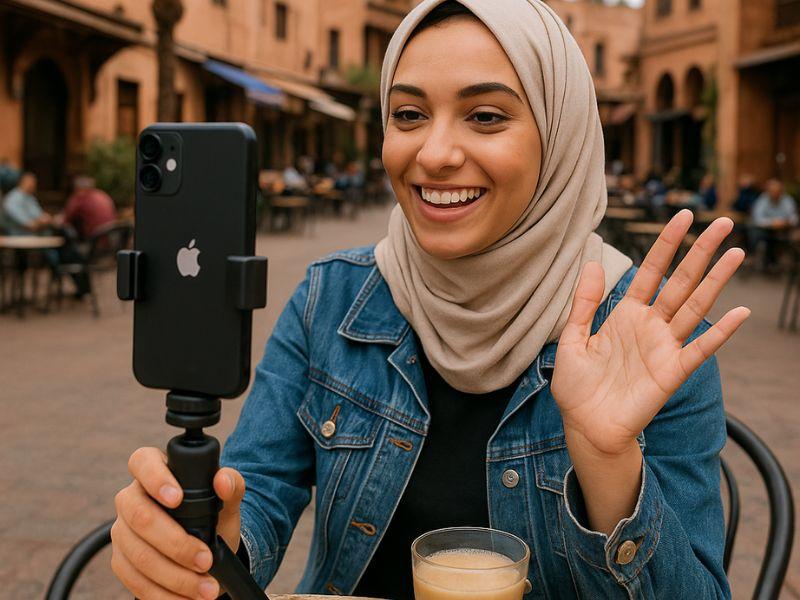
Creator Morocco matters because Moroccan attention is moving from institutions to individuals.
The audience does not wait only for television channels, newspapers or official accounts. It follows personalities. It trusts familiar faces. It shares short clips. It reacts to creators who speak directly, emotionally and quickly.
DataReportal’s 2026 Morocco report says the country had 22.8 million active social media user identities in October 2025, showing the scale of the digital audience available to platforms, brands, creators and media outlets. (datareportal.com)
That number changes the media equation.
A creator with a phone can compete for attention with a newsroom.
A diaspora account can shape how Morocco is seen abroad.
A viral video can travel faster than a press release.
The national stage is no longer controlled from one place.
It is distributed.
The Diaspora Is Part Of The Media System
Morocco’s creator economy is not only inside Morocco.
It stretches across Europe, the Gulf, North America and Africa through diaspora communities that remain emotionally connected to the country. A Moroccan living in Amsterdam, Paris, Brussels, Madrid, Montreal or Dubai can produce content that influences how Morocco is discussed at home and abroad.
That matters because the diaspora has a special voice.
It compares Morocco with Europe.
It explains Moroccan identity to outsiders.
It brings foreign debates into Moroccan conversations.
It turns local Moroccan topics into international stories.
It can defend the country, criticise it, romanticise it or challenge it.
This is powerful.
Morocco is no longer represented internationally only by diplomats, athletes, artists or official campaigns.
It is represented every day by ordinary people with audiences.
TikTok Has Changed The Speed Of Culture
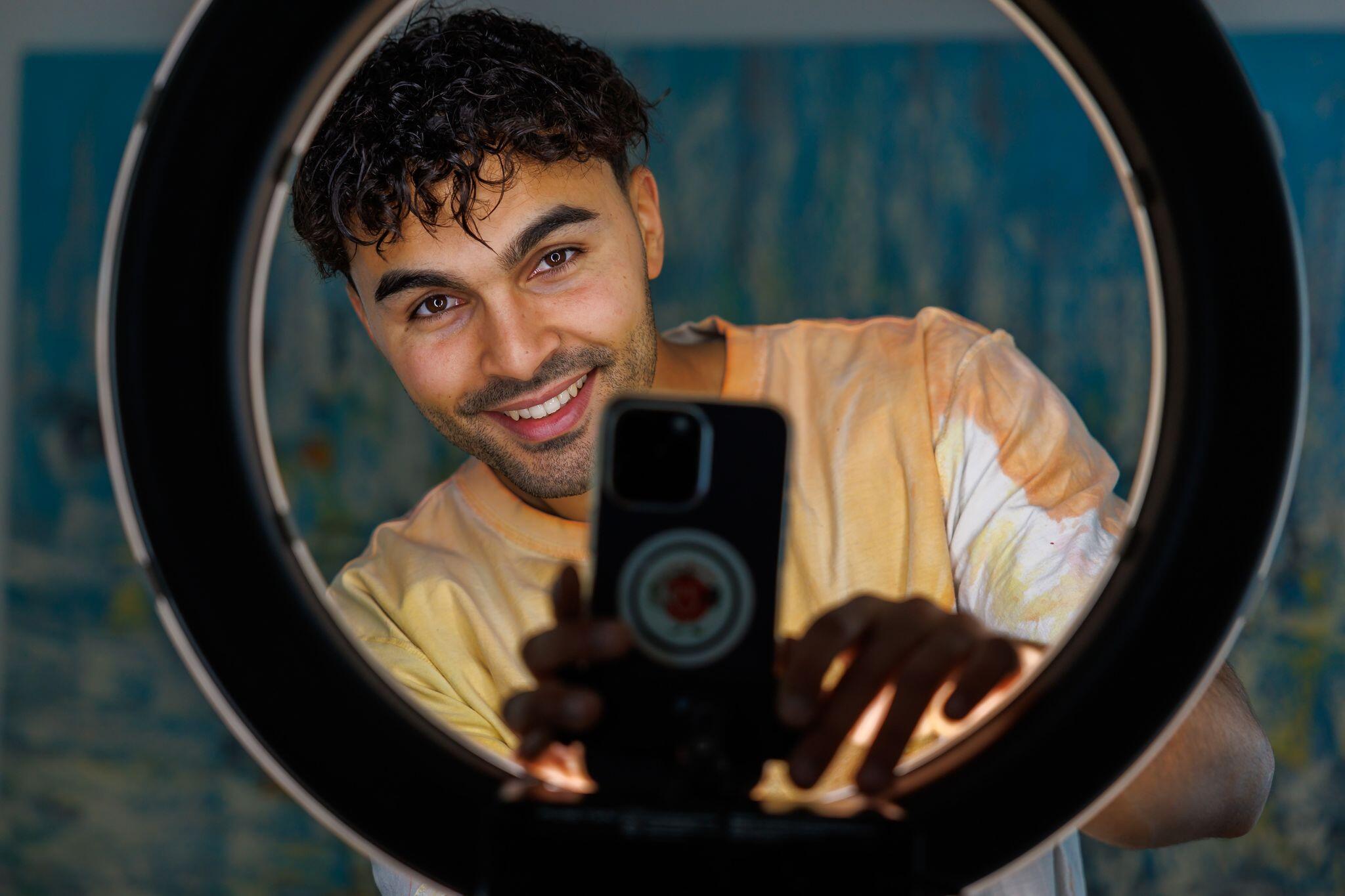
TikTok changed the rhythm of Moroccan digital culture.
YouTube allowed longer storytelling.
Instagram built image culture.
Facebook shaped older community discussion.
But TikTok accelerated everything.
Short video makes humour, music, fashion, gossip, food, football, politics, travel and street culture move at extreme speed. One clip can make a restaurant famous, damage a public figure, revive a song, expose a social problem or create a national joke within hours.
DataReportal’s 2025 report said TikTok’s advertising resources indicated 14.6 million users aged 18 and above in Morocco in early 2025. (datareportal.com)
That is not a niche audience.
It is mass distribution.
Any Moroccan brand, artist, politician, restaurant, hotel, football club or media company that ignores short video is ignoring where public attention is moving.
YouTube Still Owns Depth
TikTok is fast, but YouTube still matters because it gives creators time.
A YouTube creator can build a full documentary, interview, travel series, cooking channel, podcast, business explanation or investigative format. The platform rewards longer loyalty, searchable content and deeper community building.
For Moroccan creators, YouTube is especially important because it can carry multiple languages and audiences.
Darija content can speak to local identity.
French content can reach Morocco, France, Belgium and parts of Africa.
Arabic content can connect with the Arab world.
English content can reach global viewers interested in Morocco, Africa, investment, travel, football or culture.
This is why Morocco’s creator economy should not be seen as entertainment only.
It is also soft power.
The Creator Is Becoming A Media Company
The old creator model was simple.
Post videos.
Gain followers.
Earn attention.
The new model is more serious.
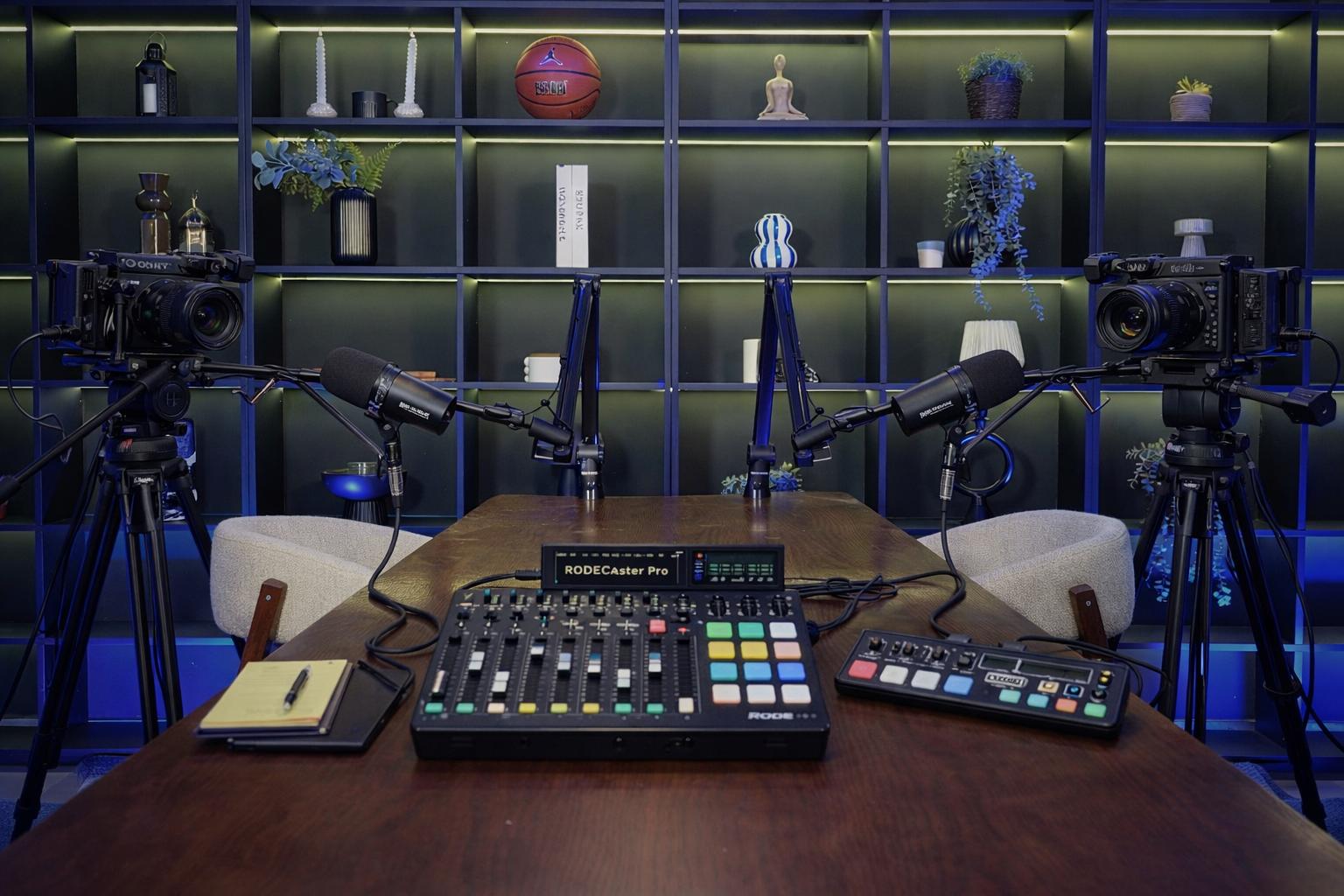
Creators are becoming media companies. They sell advertising, launch podcasts, create merchandise, host events, promote restaurants, build newsletters, collaborate with brands, sell courses, consult businesses and sometimes influence political or social debates.
Fes News described how Morocco’s digital content industry has expanded, with some Moroccan creators turning social media activity into media and business projects through advertising, brand partnerships, live streams and digital gifts. (fesnews.media)
That is the shift.
A creator is no longer just someone who posts.
A creator can become a business.
And in some cases, a creator can become more trusted than a formal outlet.
Entertainment Is Becoming News
Moroccan audiences often discover serious issues through entertainment formats.
A comedian jokes about prices.
A TikToker films a hospital problem.
A travel vlogger exposes infrastructure gaps.
A football creator explains federation politics.
A food reviewer reveals customer service problems.
A lifestyle influencer talks about rent, marriage, work or migration.
The format may look light.
The impact can be serious.
This is why the boundary between entertainment and news is weakening. People may not open a newspaper to read about inflation, but they will watch a funny video about the cost of groceries. They may not read an official report on tourism, but they will watch a creator showing airport queues, hotel prices or taxi behaviour.
The creator makes the issue feel immediate.
Morocco’s Image Is Now Algorithmic
National image used to be shaped by campaigns.
Tourism boards.
Television features.
International newspapers.
Diplomatic visits.
Sports tournaments.
Now, part of Morocco’s image is shaped by algorithms.
If a tourist watches one video about Marrakech, the platform may show ten more. If a foreign user sees negative content about Morocco, the algorithm may reinforce that picture. If a diaspora creator posts emotional content about returning home, millions can see Morocco through that feeling.
This creates opportunity.
Morocco can look dynamic, young, funny, beautiful, creative and modern.
It also creates risk.
One viral controversy can distort perception.
A bad taxi experience can become an international clip.
A misleading political video can spread faster than correction.
In the creator era, reputation management is no longer top-down.
It is continuous.
Brands Follow The Audience
Moroccan businesses understand this already.
Restaurants invite food creators.
Hotels invite travel pages.
Clothing brands send products to influencers.
Real estate projects use digital storytelling.
Gyms, salons, clinics and cafés rely on Instagram and TikTok visibility.
Media platforms chase reels.
Football clubs manage social clips.
This is not only marketing fashion.
It is because attention has moved.
A creator with the right audience can influence consumer behaviour more effectively than a traditional advertisement. People trust faces, tone, humour and perceived authenticity.
But that also creates a problem.
When paid promotion is not clearly labelled, audiences may be misled.
The creator economy needs trust rules.
The Risk Of Low-Quality Virality
The creator boom has a darker side.
Not every viral creator informs.
Some exaggerate.
Some copy.
Some spread rumours.
Some chase outrage.
Some exploit poverty.
Some film people without dignity.
Some sell unrealistic financial dreams.
Some promote products without transparency.
Some turn every social problem into spectacle.
This matters because the algorithm often rewards emotion more than accuracy. Anger, shock and humiliation travel quickly. Nuanced reporting moves slower.
For Morocco, this is a cultural challenge.
A young digital public sphere cannot depend only on views.
It needs ethics.
If creators become media actors, they must accept some media responsibility.
Financial Advice Is A Warning Zone
One of the most sensitive areas is financial content.
Across platforms, creators increasingly discuss trading, crypto, side hustles, dropshipping, property, freelancing, e-commerce and passive income. This content can inspire young people, but it can also expose them to unrealistic promises or high-risk behaviour.
Recent academic research on TikTok finfluencers found that financial creators often discuss entrepreneurship, property investing, trading and saving, while explicit disclaimers and risk language remain limited, especially outside trading content. (arxiv.org)
That lesson matters for Morocco too.
A creator can motivate.
A creator can also mislead.
When young Moroccans consume financial advice through short videos, the need for transparency becomes urgent.
Not every viral success story is a business model.
Young Audiences Need Protection
The creator economy also affects children and teenagers.
Video platforms are immersive. They shape humour, beauty standards, body image, politics, language, spending habits and social comparison. Younger users may not always understand advertising, manipulation, filters or staged content.
Research on TikTok, YouTube and Instagram found that underage accounts can still encounter harmful content during passive scrolling and search, showing gaps in platform moderation. (arxiv.org)
That matters in Morocco because family phones, shared devices and early social media use are common realities.
The question is not whether young people will use platforms.
They will.
The question is whether parents, schools, regulators and platforms can help them understand what they are watching.
Digital literacy is now part of education.
The Language Advantage Is Huge
Moroccan creators have a major advantage: language flexibility.
Darija gives intimacy.
French gives regional and diaspora reach.
Arabic gives Arab-world access.
English gives global scale.
A Moroccan creator can switch languages depending on the audience, the topic and the platform. That makes Morocco unusually adaptable in the digital space.
This is important for MTD and MMO too.
English-language Moroccan media can reach international readers, investors, diplomats, diaspora professionals and global audiences searching for Morocco-related context.
Darija creators dominate emotional local culture.
French creators connect with legacy francophone networks.
English creators can reposition Morocco globally.
Language is not only communication.
It is market access.
Diaspora Creators Can Build Bridges
Diaspora creators are especially powerful because they translate Morocco.
They explain Moroccan culture to non-Moroccans.
They compare systems.
They answer questions about identity.
They show what it means to live between countries.
They help younger generations stay connected to language, food, religion, family and homeland.
They also challenge romantic myths.
Some talk honestly about bureaucracy, investment, return migration, family pressure, culture shock, racism in Europe or opportunities in Morocco.
That honesty can be valuable.
A strong national story does not require fake perfection.
It requires credible voices.
Diaspora creators can make Morocco more understandable to the world because they speak from both inside and outside.
Traditional Media Must Adapt
Traditional Moroccan media cannot ignore the creator shift.
It can criticise the lack of professionalism, but criticism alone will not win back attention. Media outlets must learn from creators without becoming shallow.
That means faster video.
Stronger headlines.
Better visuals.
More personality.
More explainers.
More direct language.
More platform-native formats.
But also fact-checking, context, accountability and editorial judgment.
This is the opportunity for MTD.
A modern Moroccan media brand can combine creator speed with newsroom discipline.
That is the winning formula.
Not old media.
Not chaos content.
A hybrid.
Creators Need Professionalisation
As money enters the sector, professional standards become more important.
Contracts.
Tax compliance.
Advertising disclosure.
Copyright respect.
Image rights.
Fact-checking.
Child protection.
Defamation awareness.
Brand safety.
Audience trust.
A creator who becomes a business must act like one.
Morocco’s creator economy will mature when creators understand that influence is not only visibility. It is responsibility, documentation and long-term reputation.
The most successful creators will not be those who go viral once.
They will be those who build durable trust.
Morocco Can Export Culture Digitally
Moroccan culture has obvious digital strengths.
Food.
Music.
Football.
Fashion.
Architecture.
Street language.
Humour.
Family life.
Weddings.
Travel.
Religion.
Entrepreneurship.
Diaspora identity.
These themes travel well online because they are visual, emotional and distinctive. A Moroccan cooking video can reach global food audiences. A Gnawa clip can reach music fans. A football reaction can reach African and Arab audiences. A travel reel can drive tourism curiosity. A business podcast can reshape how investors see the country.
Creators can export Morocco without shipping anything.
That is soft power at platform speed.
The Danger Of Platform Dependency
There is one major risk.
Creators build their businesses on platforms they do not control.
An algorithm change can cut reach.
A ban can erase income.
A policy shift can reduce monetization.
A hacked account can destroy years of work.
A platform dispute can limit visibility.
This is why serious creators must build owned channels too: email lists, websites, podcasts, communities, products, events and partnerships.
Moroccan media brands should understand this lesson as well.
Social platforms are powerful distribution tools.
They are not home.
Home is the brand, the archive, the website, the mailing list and the trusted audience relationship.
Creator Morocco Is Also A Business Opportunity
For Moroccan companies, the creator economy creates new possibilities.
Local brands can reach niche audiences.
Tourism operators can show real experiences.
Restaurants can build reputation quickly.
Banks can explain products through trusted voices.
Schools can reach students.
Real estate firms can show projects.
Media outlets can grow audiences.
Public institutions can communicate more humanly.
But the market needs maturity.
Brands must choose creators carefully. Follower counts are not enough. Engagement quality, audience fit, credibility and reputation matter more.
The cheapest viral campaign can become expensive if trust is damaged.
The Next Moroccan Stars May Not Come From Television
For decades, entertainment fame passed through television, cinema, music labels, radio or football.
Now a Moroccan teenager can become known through TikTok.
A cook can become a national personality.
A gamer can build a youth audience.
A comedian can bypass television.
A journalist can create a personal media channel.
A diaspora student can become a cultural voice.
This changes the social ladder of fame.
It makes opportunity more open.
It also makes fame more unstable.
The creator economy gives access, but it also demands constant output. Burnout, criticism, privacy loss and online attacks become part of the job.
Digital fame is not always easy money.
The International Audience Is Waiting
Morocco has a chance to speak beyond itself.
Global audiences are curious about the country: football, travel, investment, food, culture, migration, Africa, Europe, the Sahara, renewable energy, ports, cities, luxury, youth and identity.
But global attention does not arrive automatically.
It must be earned through strong storytelling.
That is where creators and media brands can work in parallel.
Creators bring emotion.
Media brings context.
Together, they can make Morocco more visible internationally.
That is the real opportunity.
The Bottom Line
Creator Morocco is no longer a trend.
It is a new national stage.
Morocco had 22.8 million active social media user identities in October 2025, and TikTok already counted 14.6 million users aged 18 and above in the country in early 2025. That scale means YouTube, TikTok, Instagram and diaspora creator voices are now part of how Morocco is seen, discussed and understood. (datareportal.com)
This is entertainment.
But it is also business, reputation, politics, soft power and identity.
The next Moroccan media winners will not be those who choose between journalism and creator culture.
They will be those who understand both.
Morocco’s story is now being filmed, edited, posted and shared every hour.
The question is no longer whether creators matter.
The question is who will tell the Moroccan story well enough to own the global conversation.