
Water scarcity in Morocco is no longer only a national planning issue.
It is becoming a household habit.
Families do not need a government report to understand the change. They feel it in the shower, in the garden, in the kitchen, in the mosque, in the village, in the farm, in the monthly bill and in the quiet hesitation before turning on the tap.
Morocco has received rain. The official drought cycle may have eased. Dams may have improved compared with the worst moments.
But the psychology has changed.
After years of drought, water is no longer treated as something permanent.
It is treated as something that can disappear.
That is the real lifestyle shift.
Water Habit Shift Enters Moroccan Homes
The Water Habit Shift matters because scarcity becomes serious when it changes ordinary behaviour.
A household that once used water without thinking now thinks twice.
How long should the shower last?
Should the car be washed?
Should the garden be watered?
Should clothes wait for a full load?
Should bottled water be stored?
Should the family reduce pressure on the tank?
Should children be reminded not to leave the tap running?
This is how climate stress enters daily life.
Not through dramatic language.
Through small repeated decisions.
Morocco’s water challenge is now moving from ministries and dams into kitchens and bathrooms.
Rain Does Not Erase Memory
The announcement that Morocco’s long drought had ended after winter rains was important.
It brought relief.
It helped dams.
It softened the agricultural outlook.
It gave the country breathing space.
But households do not forget seven years of scarcity overnight.
A family that lived through water cuts will not return immediately to old habits. A farmer who lost income will not trust one rainy season. A village that struggled with supply will not believe the problem is gone just because the national picture improved.
Water memory is powerful.
Once scarcity enters the mind, abundance feels temporary.
That is why Morocco’s water culture may be changing permanently.
The Rural-Urban Gap Remains Sensitive
Water scarcity is not experienced equally.
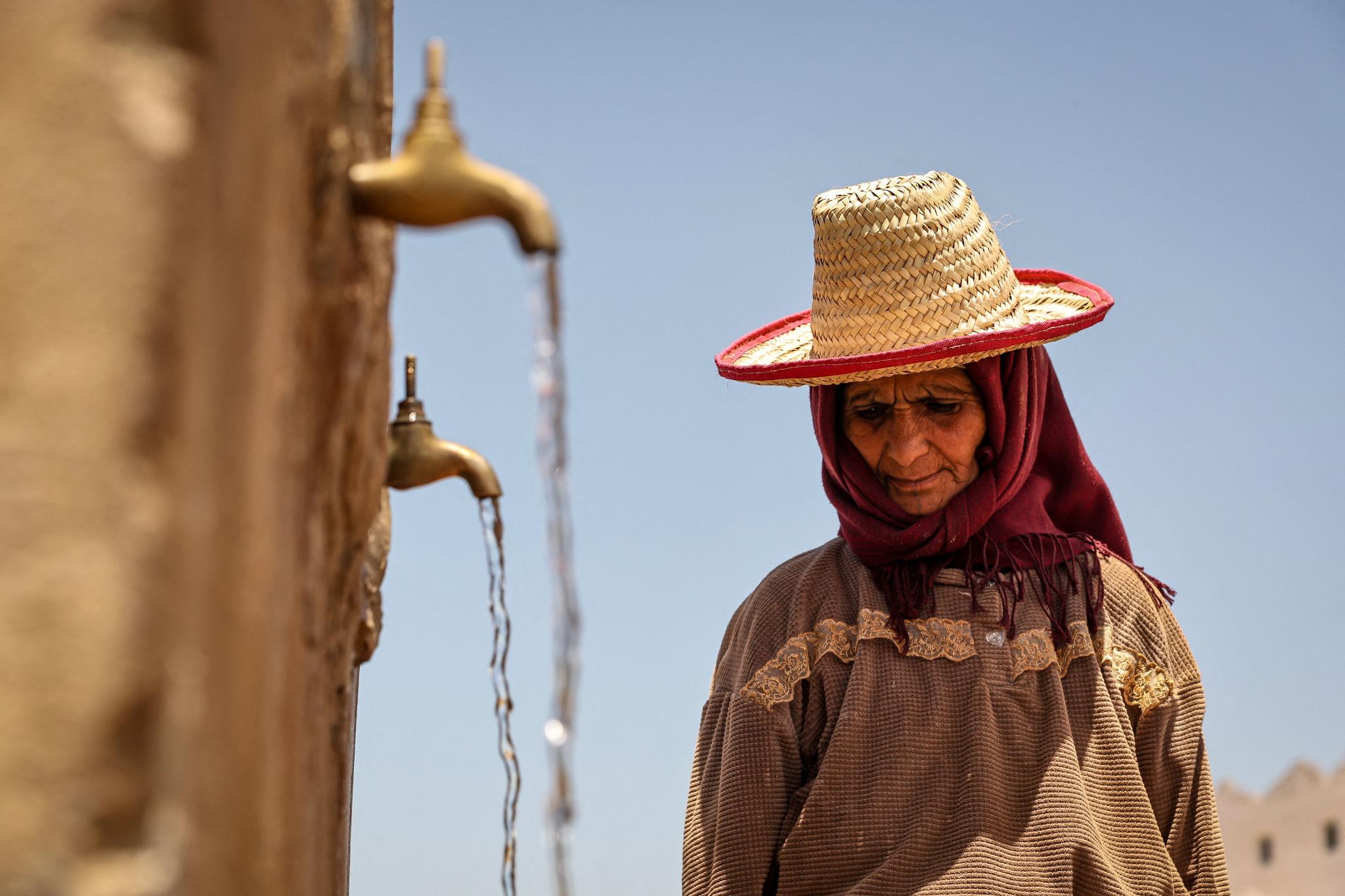
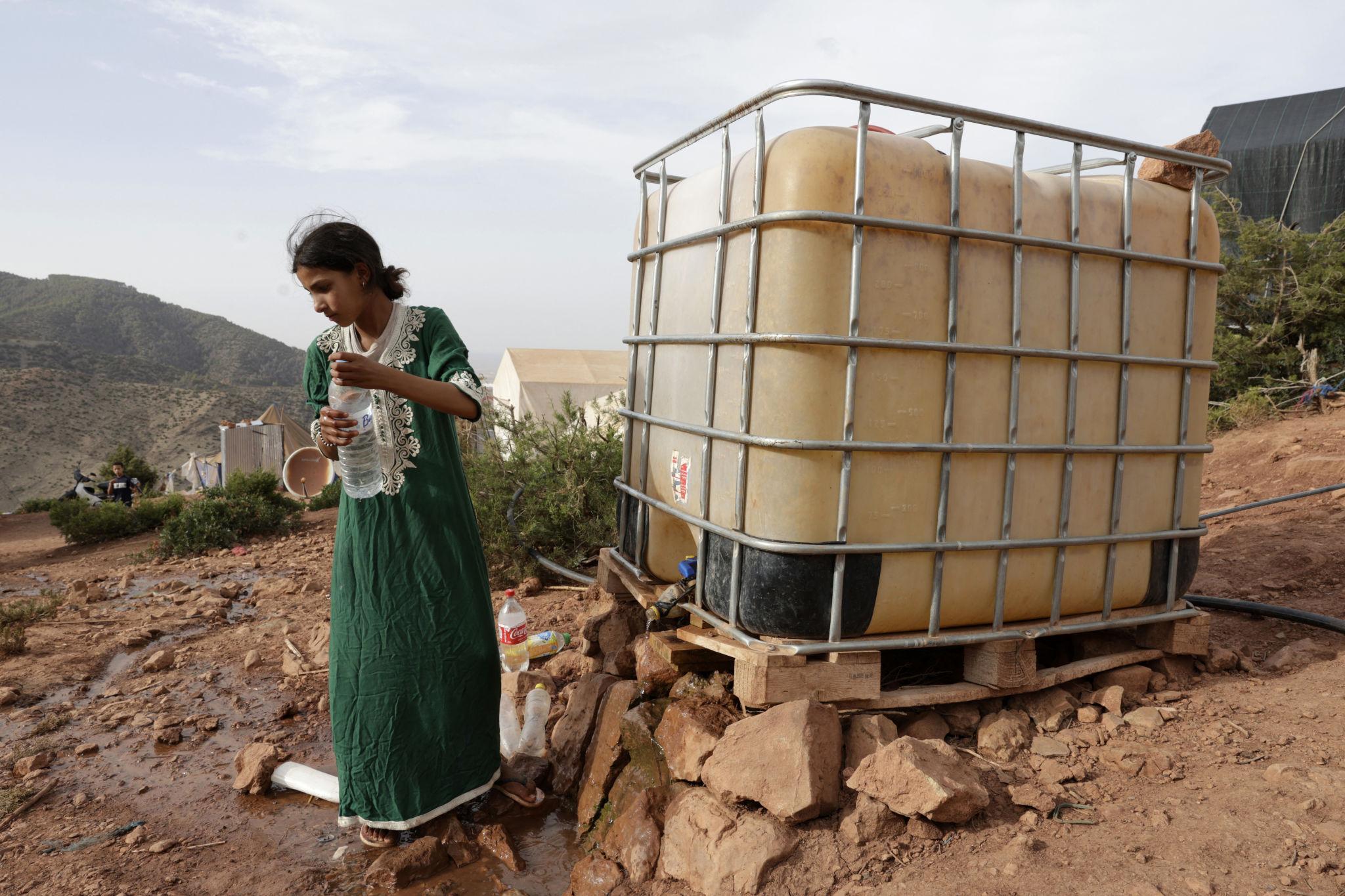
Urban households may complain about pressure, bills or restrictions, but many still have regular access. Rural communities can face a harder reality: longer distances, weaker infrastructure, intermittent supply and dependence on local sources.
Recent reports from northern Morocco show that water shortages persist in some rural communities even after stronger rainfall and improved reserves.
That difference matters.
A person in Casablanca may discuss water conservation as a lifestyle adjustment.
A family in a rural douar may experience it as a daily burden.
The national conversation must not treat all households the same.
Water stress is social before it is statistical.
The Bathroom Becomes A Climate Space
The bathroom is one of the places where water behaviour changes first.
Shorter showers.
Less running water while brushing teeth.
More careful toilet use.
Fewer unnecessary washes.
More attention to leaks.
These actions may sound small, but multiplied across millions of households, they become part of a new culture.
The challenge is consistency.
People often conserve during a crisis and relax when the pressure falls. Morocco’s next step is to make conservation normal even when taps are working.
That is the hardest kind of change.
Emergency behaviour must become everyday behaviour.
The Kitchen Carries The Same Shift
The kitchen is another front line.
Washing vegetables.
Cooking.
Cleaning dishes.
Preparing tea.
Filling bottles.
Managing family meals.
In Moroccan homes, water is deeply tied to hospitality, cleanliness and daily rhythm. Asking people to use less is not only technical. It touches habits, culture and comfort.
That is why water messaging must be respectful.
People do not need to be shamed for using water.
They need practical ways to waste less.
A smarter tap, a repaired leak, a full dishwasher, a bucket for cleaning, a shorter rinse or better storage habits can be easier to accept than abstract lectures about climate change.
Conservation works best when it fits real life.
Children Are Learning A Different Normal
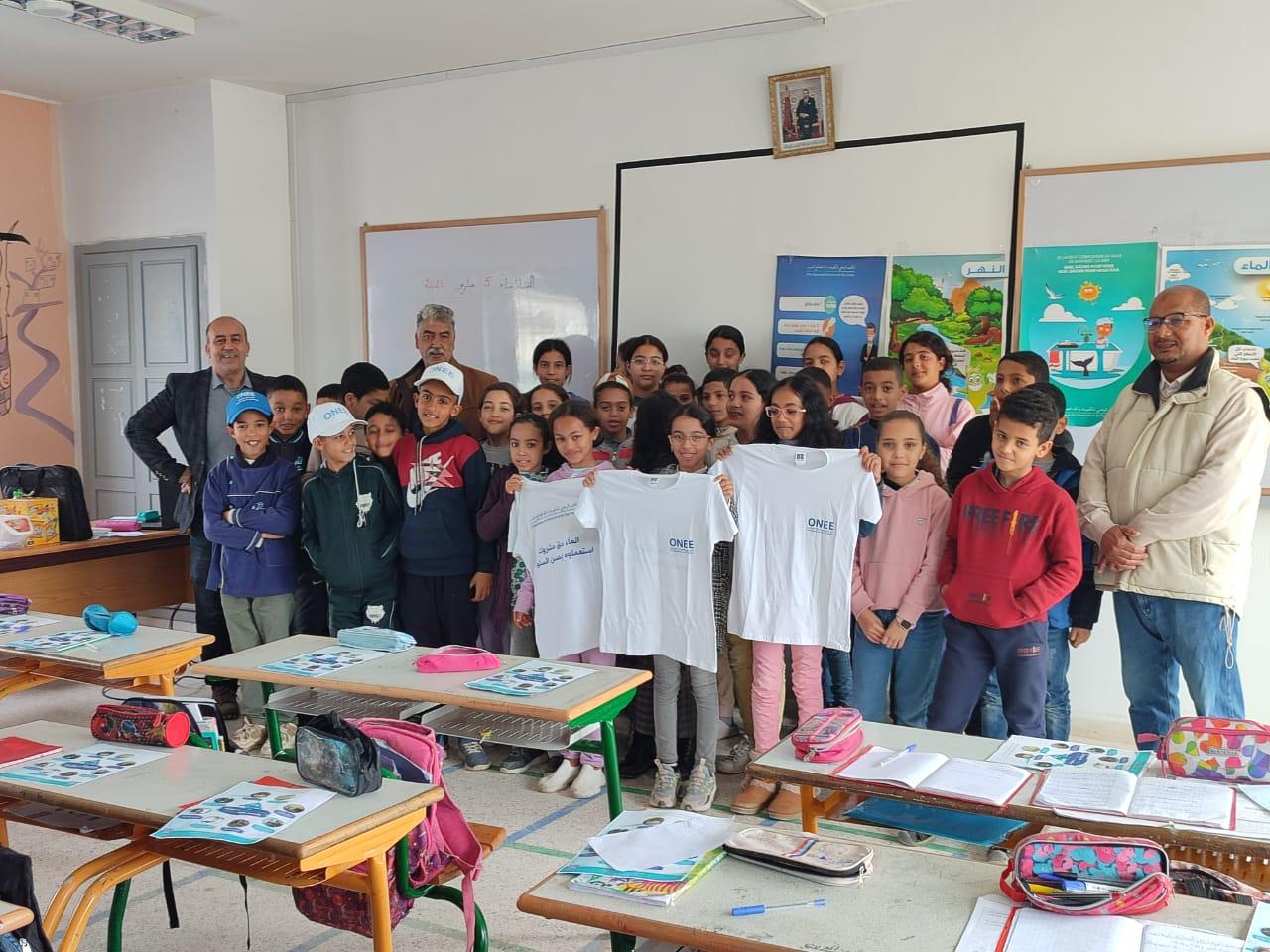
The younger generation is growing up with a different idea of water.
For many Moroccan children, drought, heat, water warnings and conservation messages are part of childhood. They hear adults talk about dams. They see family members store water. They watch parents react to shortages. They learn that rain is not guaranteed.
This may create a more careful generation.
But it can also create anxiety.
Schools, families and media must explain scarcity without creating fear. Children should understand that water is precious, but also that solutions exist: desalination, reuse, repair, irrigation efficiency, better planning and household discipline.
The message should be serious, not hopeless.
Water is scarce.
But behaviour matters.
The Household Bill Becomes A Signal
Water bills may become a more important household signal.
In a scarcity era, the bill is not only a cost. It becomes feedback.
A rising bill can show waste, leaks or changed habits.
A stable bill can reward discipline.
A sudden increase can reveal a hidden problem.
Smart metering and clearer billing could help families understand consumption better. Many households do not know how much water they use until they see a bill. Even then, the number may feel abstract.
Morocco needs more understandable consumption information.
People conserve better when they can see the result of their behaviour.
Leaks Are No Longer Minor Problems
In a water-stressed country, leaks are not small issues.
A leaking tap, pipe, toilet tank or rooftop reservoir can waste large quantities over time. In the past, households may have delayed repairs because the waste felt invisible. That attitude is becoming harder to justify.
The same applies to public networks.
Household conservation matters, but it cannot carry the whole burden if infrastructure loses water before it reaches users. Citizens must do their part, but utilities and municipalities must also reduce leakage, modernize networks and respond quickly to failures.
A country cannot ask families to save water while allowing systems to waste it.
Discipline must be shared.
Gardens And Car Washing Become Social Questions
Some uses of water become socially sensitive during scarcity.
Watering private gardens.
Washing cars.
Cleaning pavements.
Filling pools.
Maintaining decorative fountains.
These activities can become symbols of inequality when other households face cuts or rural areas struggle for drinking water.
That does not mean every non-essential use must be condemned forever.
But it does mean water-heavy habits will face more public scrutiny.
In a scarcity culture, visible waste becomes reputationally risky.
The neighbour may notice.
The municipality may restrict.
Social norms may change.
Water behaviour is becoming part of public responsibility.
Desalination Changes The Conversation, But Not The Habit
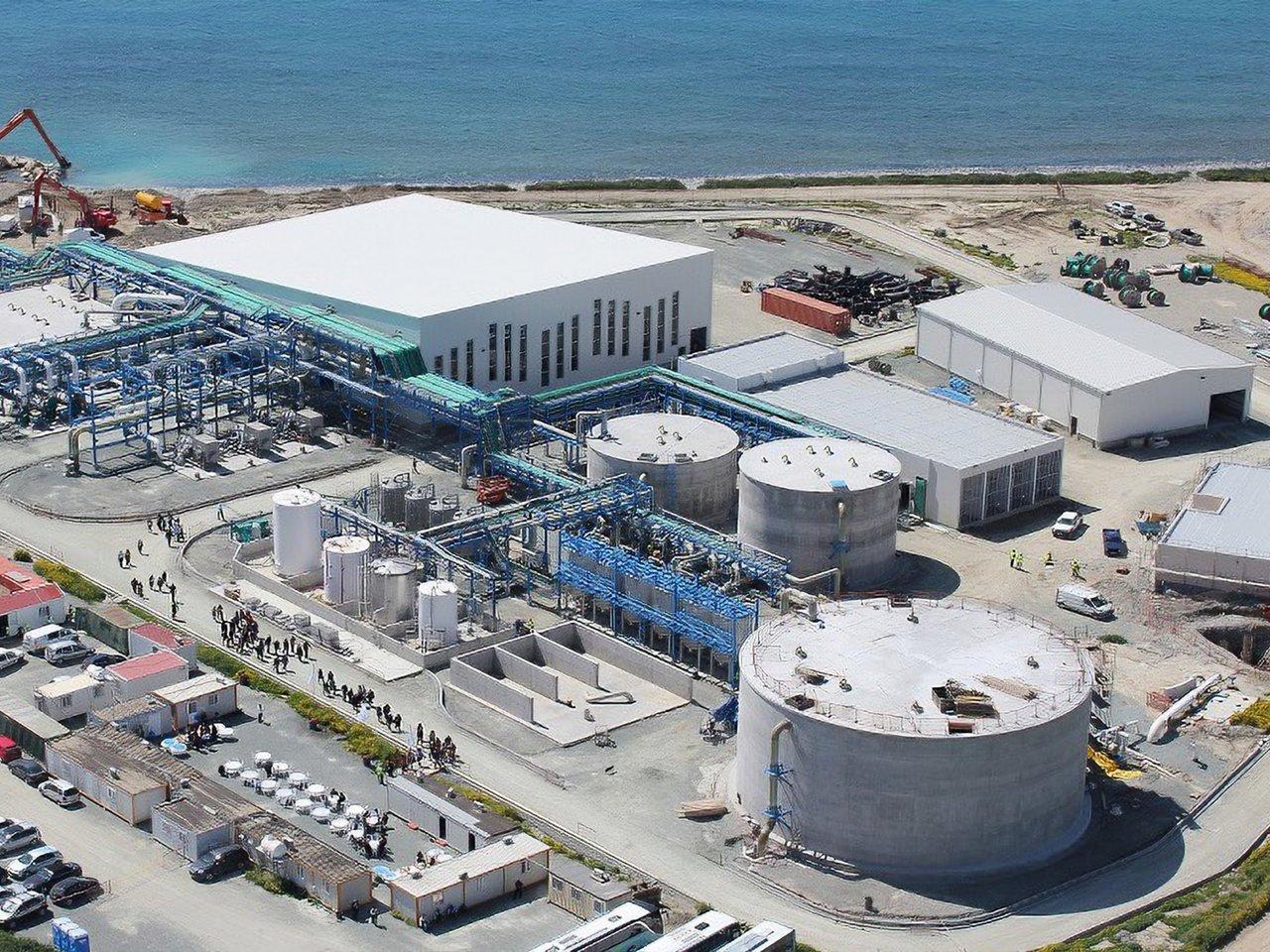
Morocco is accelerating desalination.
That is important.
Desalinated seawater can protect coastal cities, reduce pressure on dams and provide more reliable drinking water. It is one of the country’s biggest strategic responses to drought.
But desalination does not mean households can forget conservation.
Desalination costs money.
It needs energy.
It requires infrastructure.
It works mainly for coastal supply.
It cannot solve every rural, agricultural or inland water challenge alone.
The danger is psychological.
If people believe technology will solve everything, waste may return.
The better message is different.
Desalination increases security.
Conservation preserves it.
Water Scarcity Is Also A Health Issue
Water affects health directly.
Hydration.
Hygiene.
Food safety.
Heat protection.
Sanitation.
Disease prevention.
When supply becomes uncertain, households may store water in unsafe conditions, reduce hygiene routines or depend on alternative sources of unclear quality.
That creates health risks, especially for children, elderly people and people with chronic conditions.
This is why drinking-water access must remain the first priority.
Agriculture, industry, tourism and landscaping all matter.
But household water security is the foundation.
A country can adapt to many things.
It cannot adapt to unsafe drinking water.
Women Often Carry The Hidden Burden
In many households, women manage much of the daily water reality.
Cooking.
Cleaning.
Children.
Laundry.
Bathroom routines.
Family hygiene.
When water becomes scarce, the burden often becomes heavier for women, even if national debates describe the issue in technical terms.
In rural areas, this burden can be even more direct if water collection, storage or rationing becomes part of daily life.
A serious Moroccan water conversation must therefore include the domestic labour dimension.
Water scarcity is not gender-neutral.
The person managing the household often manages the crisis first.
Cities Must Design For Lower Water Use
Moroccan cities need to adapt physically.
Less water-intensive landscaping.
More drought-resistant plants.
Better leak detection.
More reuse of treated wastewater for green spaces.
Better public awareness.
Smarter building standards.
Efficient fixtures in homes, hotels, offices and schools.
Water-saving design should not be treated as an optional luxury.
It should become standard.
A modern Moroccan apartment, villa, hotel or public building should be designed for a water-stressed country, not for an imaginary climate of abundance.
Architecture must follow reality.
Hotels And Restaurants Are Part Of The Lifestyle Shift
The lifestyle shift does not stop at home.
Hotels, restaurants, cafés, hammams, gyms and event spaces also consume water. Some of these are important for Moroccan culture and the economy, but they must adapt.
Tourists and customers are increasingly aware of sustainability. They may not want comfort built on visible waste. Hotels that manage water responsibly can strengthen their brand. Restaurants that reduce waste can lower costs. Hammams and gyms can modernize systems without destroying the experience.
The point is not to make life joyless.
It is to make comfort smarter.
Morocco’s hospitality culture can remain generous without being wasteful.
The Hammam Question Is Cultural
The hammam is one of the most sensitive examples.
It is cultural, social, hygienic and economic. It supports workers and serves communities. But it also uses water and energy.
During severe scarcity, authorities in some areas have restricted hammam activity. That created debate because people understand the need to save water, but also see hammams as part of daily life and local livelihoods.
This is the kind of trade-off Morocco will face more often.
Climate adaptation is not only about technology.
It is about negotiating between culture, economy and resources.
The best solutions will modernize water use without attacking social life.
Scarcity Can Build A New Civic Culture
There is also a positive possibility.
Water scarcity can create a stronger civic culture.
Families checking leaks.
Neighbours reporting waste.
Schools teaching conservation.
Municipalities improving networks.
Businesses reducing consumption.
Farmers adopting efficient irrigation.
Media explaining water clearly.
Citizens understanding that one person’s waste affects the whole system.
This is how a society adapts.
Not only through big projects.
Through shared discipline.
Morocco has already shown national mobilisation in other areas. Water can become the next major civic habit.
The Risk Is Inequality
Water scarcity becomes dangerous when it feels unfair.
If ordinary households are told to save water while luxury developments, golf courses, illegal wells or inefficient agriculture continue wasteful practices, trust breaks.
People accept sacrifice more easily when they believe rules are fair.
That means enforcement matters.
Transparency matters.
Priorities matter.
Who gets water first?
Who pays?
Who is restricted?
Who is exempt?
Who is monitored?
A sustainable water policy must be technically strong and socially legitimate.
Without fairness, conservation becomes resentment.
Agriculture Still Dominates The Debate
Household habits matter, but agriculture remains central to Morocco’s water equation.
No serious conversation can pretend that shorter showers alone will solve national scarcity. Farming consumes a large share of water, and choices about crops, irrigation, exports and subsidies affect the whole system.
But household behaviour still matters for two reasons.
First, drinking-water security is politically and socially essential.
Second, household conservation builds a culture of responsibility that supports wider reform.
Citizens are more likely to support tough agricultural and industrial water decisions if they also see themselves as part of the effort.
National reform begins with shared awareness.
The Language Must Change
Morocco needs to change how it talks about water.
Not only crisis language.
Not only technical language.
Not only “drought” when the rain stops.
The country needs permanent water language.
Water productivity.
Water dignity.
Water security.
Water fairness.
Water reuse.
Water discipline.
Water citizenship.
The goal is to make conservation normal before emergency restrictions are needed.
A country that waits for crisis before talking about water will always be late.
Morocco needs water awareness in normal times.
Especially after the rain.
Media Has A Role
MTD can help by making water a daily-life story, not only an infrastructure story.
People understand dams.
But they also understand taps.
They understand bills.
They understand gardens.
They understand showers.
They understand children asking why water cuts happen.
They understand summer heat.
They understand the anxiety of storing bottles.
A strong media angle connects national strategy with household reality.
That is where this article sits.
Water scarcity is not only about the Ministry of Equipment and Water.
It is about the Moroccan home.
The Bottom Line
The Water Habit Shift is now part of Moroccan life.
Reuters reports that Morocco declared the end of a seven-year drought after strong winter rains, but those years had already depleted dams, cut wheat output, reduced the cattle herd, damaged agricultural employment and accelerated desalination plans. The country now aims to supply 60% of drinking water from treated seawater by 2030.
But even with better rainfall, the household psychology has changed.
Moroccans have learned that water cannot be taken for granted.
That lesson will shape daily life for years.
The future of water in Morocco will not be decided only by dams, desalination plants and government plans.
It will also be decided in bathrooms, kitchens, gardens, schools and villages.
One tap at a time.