
A factory does not become strategically important simply because its investment value is large.
Its real importance depends on what it produces, how deeply it connects with the local economy and whether it changes the country’s position inside a global value chain.
That is the test facing Gotion Power Morocco’s planned battery gigafactory in Kenitra.
The first phase requires an estimated investment of approximately $1.3 billion and has now secured a €100 million loan from the African Development Bank. The bank also intends to mobilise up to €141 million from additional financing partners.
The numbers are substantial, but they are not the most important part of the story.
The project could move Morocco from being one of Africa’s leading automotive manufacturing centres toward becoming a major producer of the component that increasingly determines the economic value of an electric vehicle: the battery.
That transition could protect existing automotive activity, attract new suppliers and create a stronger industrial platform.
But it will only deliver its full economic value if Morocco captures more than land use, factory employment and export volume.
The Battery Changes The Value Equation
Morocco has spent years building a competitive automotive industry around Renault, Stellantis and a broad network of component manufacturers.
The country now hosts more than 250 automotive and component companies, according to reporting on the gigafactory project.
That ecosystem has created employment, export revenue and industrial expertise.
Yet the global automotive market is changing.
As manufacturers move toward electric vehicles, the battery becomes one of the most expensive and strategically important parts of the car. A country that manufactures vehicles but depends entirely on imported battery systems risks losing part of its competitive advantage.
The Gotion project responds directly to that risk.
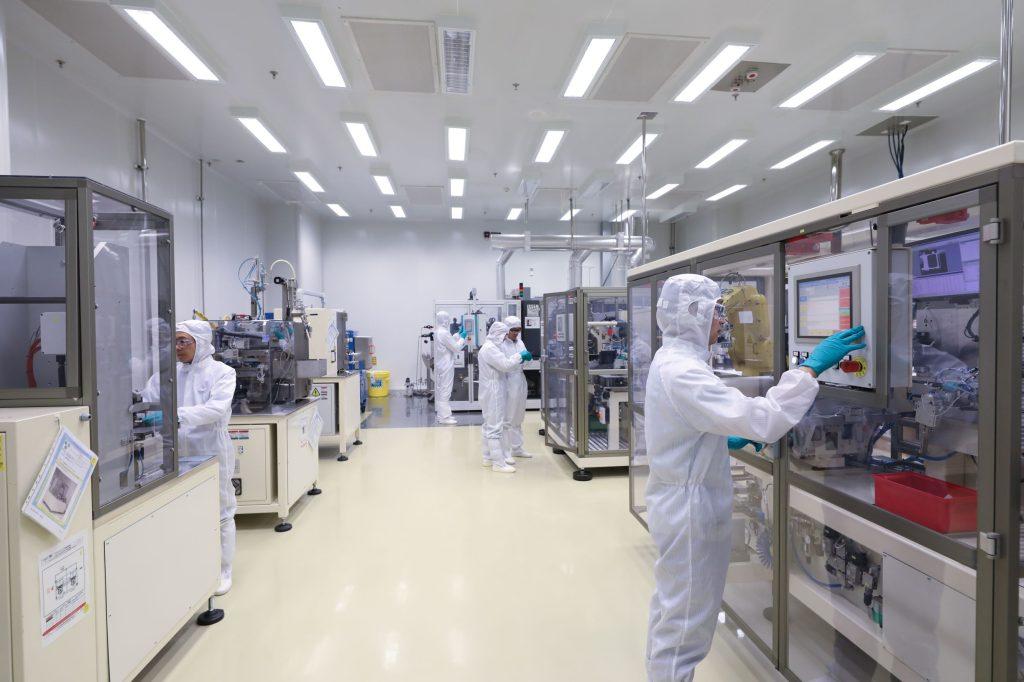
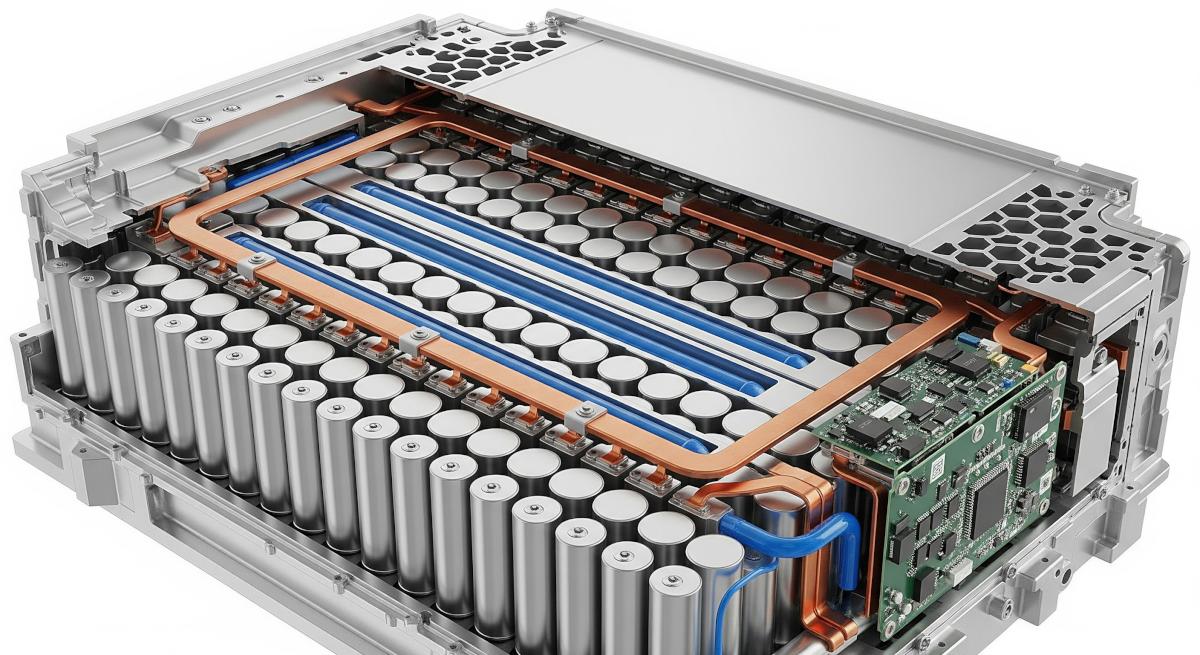
The integrated facility is expected to manufacture lithium iron phosphate battery cells, together with cathode and anode materials. Its first phase is planned with an annual battery capacity of around 20 gigawatt-hours, while the broader project has been designed for significant future expansion.
This is not simply another automotive supplier entering Morocco.
It represents an attempt to place the country closer to the centre of the electric-mobility economy.
Why Development Finance Matters
A €100 million loan covers only part of a $1.3 billion first-phase investment.
Its importance lies less in the percentage financed than in the institutional signal it sends.
Battery plants require heavy expenditure before production begins. They depend on sophisticated machinery, energy infrastructure, raw-material supply, qualified technicians and long-term customer contracts.
They also operate in a competitive market where prices, technology and demand can change rapidly.
The participation of the African Development Bank can reduce perceived project risk and encourage other financial institutions to participate.
By acting as mandated lead arranger and seeking up to €141 million in additional financing, the bank is helping construct a broader funding package around the project.
This is how development finance can influence industrial policy.
Rather than financing only public infrastructure, it can help make large private industrial projects more bankable, particularly when those projects are expected to create employment, exports and technological capacity.
However, institutional financing also raises the standard by which the investment should be judged.
The project must demonstrate measurable development impact, not only commercial success for the investor.
The 70% Local-Integration Test
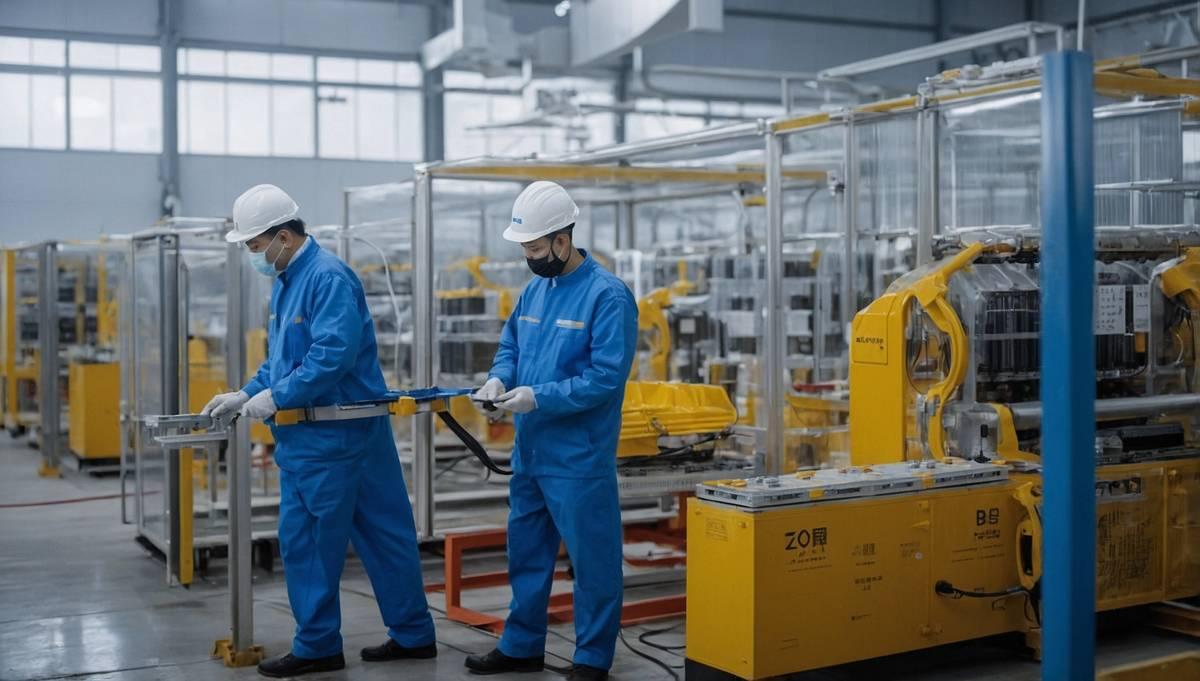
The project’s first phase is expected to create more than 600 direct jobs and target a local industrial-integration rate of approximately 70%.
That percentage could become one of the most important numbers attached to the gigafactory.
But local integration must be defined carefully.
It can include Moroccan labour, locally purchased services, construction materials, logistics, energy, maintenance and components. Those contributions matter, but they do not all create the same level of economic value.
Hiring local workers is positive.
Building Moroccan suppliers capable of producing technically advanced battery components is more transformative.
The strongest outcome would be a network of domestic companies gaining industrial contracts, certifications and expertise that could later serve other battery manufacturers and export markets.
The weaker outcome would be an isolated foreign-owned production platform that imports most of its technology and high-value materials while purchasing only basic services locally.
The headline target is therefore encouraging, but the composition of the 70% will matter more than the percentage alone.
Who Captures The Profit?
The gigafactory is expected to export much of its production to Europe.
That provides a clear commercial logic.
Europe represents a large automotive market located close to Morocco, while the country benefits from established ports, industrial zones and trade connections.
But export volume does not automatically reveal who captures the largest share of profit.
The financial value generated by the project will be divided between multiple participants: the investor, lenders, technology providers, suppliers, employees, logistics operators, energy producers and the Moroccan state.
If the intellectual property, specialised machinery, critical inputs and final commercial relationships remain largely controlled abroad, Morocco may capture only part of the total value.
That would still generate employment and exports, but it would limit the broader transformation.
Morocco’s strategic objective should therefore extend beyond hosting the plant.
It should include supplier development, technical education, research partnerships and the gradual creation of domestic expertise in battery chemistry, manufacturing systems and energy storage.
The country does not need to own every part of the project to benefit from it.
But it must ensure that the investment leaves behind capabilities that remain valuable even if global manufacturers change strategies later.
The Employment Number Is Only The Beginning
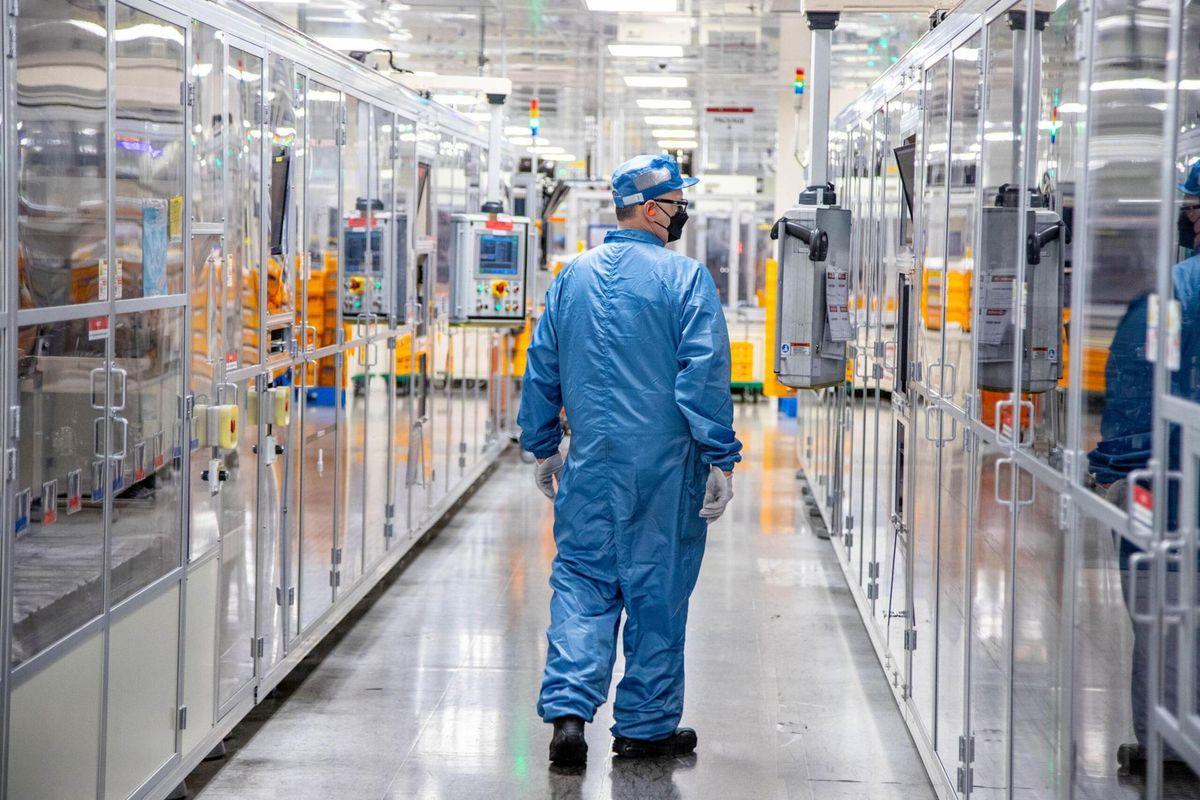
More than 600 direct jobs may appear modest relative to an investment of $1.3 billion.
That reflects the capital-intensive nature of battery production.
Highly automated factories can generate enormous output without employing the same number of workers as traditional manufacturing plants.
The employment case must therefore be evaluated across the wider ecosystem.
The factory could support indirect jobs in logistics, engineering, industrial maintenance, energy, security, construction and supplier operations.
It could also increase demand for technicians and engineers with specialised knowledge.
This creates an opportunity for universities and vocational institutions.
Training programmes must evolve before the factory reaches full capacity, not afterward. Morocco will need workers capable of operating automated systems, maintaining advanced equipment, managing chemical processes and meeting international quality and safety standards.
The project’s long-term labour value will depend on whether Moroccan employees remain concentrated in routine operational positions or progress into technical, managerial and engineering roles.
Protecting A $14 Billion Export Industry
Morocco’s automotive exports were valued at approximately $14 billion in 2023, making the sector the country’s largest industrial export activity at the time.
That success creates both strength and exposure.
A large industrial ecosystem has already been built around conventional and hybrid vehicles. The European transition toward electric mobility means this ecosystem must adapt.
Battery production can help preserve Morocco’s relevance as manufacturers redesign supply chains.
The gigafactory should therefore be understood partly as an industrial insurance policy.
It reduces the risk that Morocco remains highly competitive in the production of yesterday’s vehicles while the most valuable investment shifts toward new technologies elsewhere.
Other battery-material projects are already reinforcing the same direction.
Chinese companies including BTR, CNGR and other industrial groups have announced or developed projects linked to cathodes, battery materials and electric-vehicle supply chains in Morocco.
The Gotion factory becomes more valuable when viewed as part of that wider cluster rather than as a standalone investment.
The Financial Risk Has Not Disappeared
Large industrial announcements often create an impression of guaranteed success.
In reality, the project will face several risks.
Battery prices can fall. Technology can evolve. European demand can weaken. Trade rules can change. Competing factories can reduce margins.
The plant must also secure affordable energy, stable input supplies and long-term purchase agreements.
A gigafactory that operates below capacity can become financially difficult because fixed costs remain high.
That makes customer commitments especially important.
The project’s bankability will depend not only on construction financing but on whether buyers are prepared to purchase significant volumes over long periods.
Morocco’s location and automotive ecosystem provide advantages, but they do not remove market risk.
The investment must remain cost-competitive against production in China, Europe and other emerging battery hubs.
The Real Measure Of Success
The $1.3 billion investment figure will dominate headlines.
It is easy to communicate and large enough to attract attention.
But the more important indicators will appear later.
How much production capacity becomes operational?
How much is exported?
How many Moroccan suppliers receive contracts?
How many skilled positions are created?
How much technology and knowledge remain inside the country?
And does the project attract a second wave of battery, recycling and energy-storage companies?
If the factory answers those questions positively, it could become a defining investment in Morocco’s industrial development.
It would show that the country can move from assembling global products toward producing the technologies that determine their future value.
The greatest achievement would not be the opening of Africa’s first battery gigafactory.
It would be the creation of an industrial ecosystem capable of surviving, expanding and generating value long after the original investment announcement disappears from the headlines.