
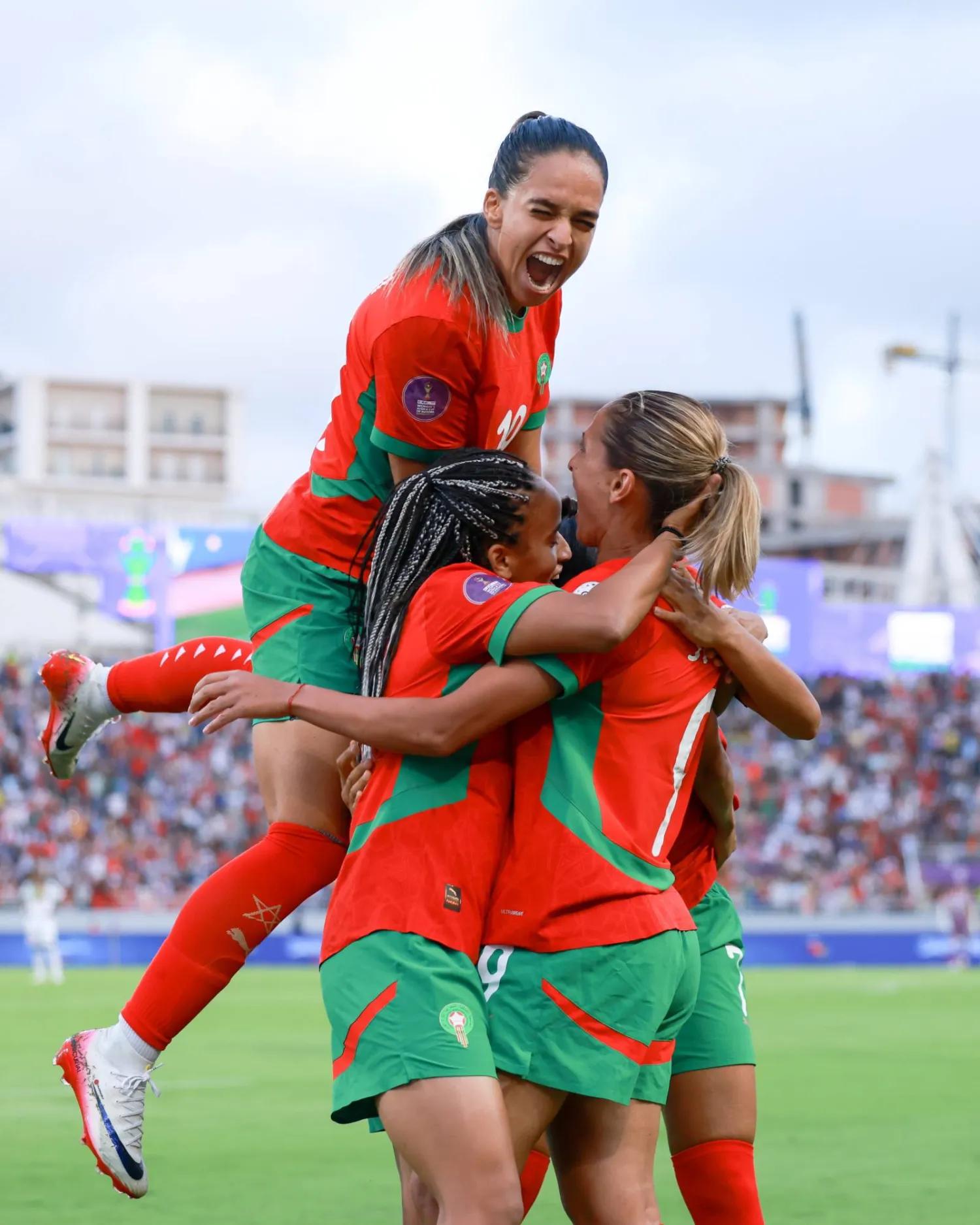
Morocco’s 4-0 victory over Kenya was more than a convincing start to the Women’s Africa Cup of Nations.
It was also the opening statement of a tournament that is becoming larger, more visible and increasingly valuable.
The 2026 edition brings together 16 national teams for the first time, compared with 12 previously. The competition is being broadcast across Africa, Europe and the Middle East, while also serving as a route to the 2027 FIFA Women’s World Cup.
That combination matters.
More teams create more matches. More matches create more broadcasting inventory. Wider distribution creates more opportunities for sponsors, advertisers, tourism operators and consumer brands.
For Morocco, WAFCON is therefore not only a football competition.
It is a test of whether women’s football can become a sustainable commercial platform.
A Strong Opening Creates Immediate Attention
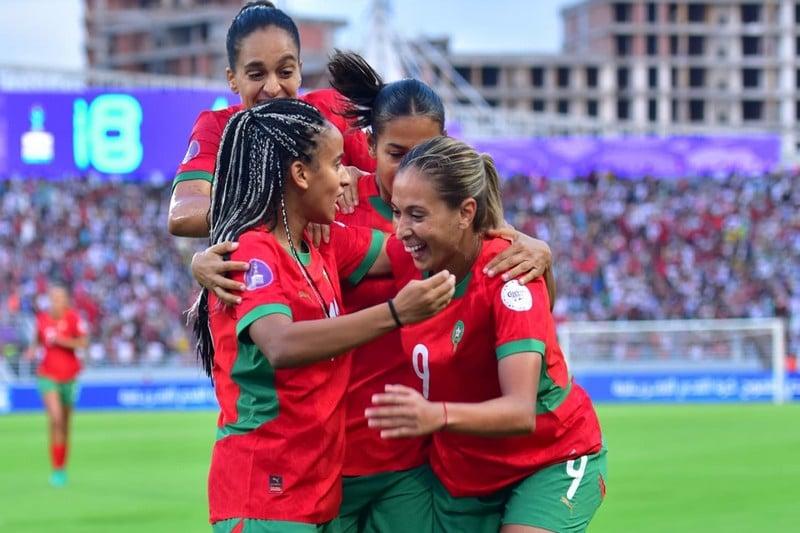
The Atlas Lionesses began their campaign by defeating Kenya 4-0 in Rabat.
Ibtissam Jraidi scored twice, while Sakina Ouzraoui and Meriem Atiq also found the net. The result placed Morocco immediately among the teams setting the standard at the tournament.
Strong performances from the host nation are commercially important.
A successful national team keeps domestic audiences engaged for longer. It increases stadium demand, strengthens television ratings and gives sponsors more opportunities to associate themselves with positive national momentum.
Morocco has already built public recognition around the Atlas Lionesses.
The team reached the final of the previous two WAFCON editions and advanced to the round of 16 during its first Women’s World Cup appearance in 2023.
The next objective is no longer simply participation.
Morocco is attempting to convert sustained progress into a first continental title and a second consecutive World Cup qualification.
The stronger the team performs, the more valuable the surrounding football economy can become.
Broadcasting Is Expanding The Market
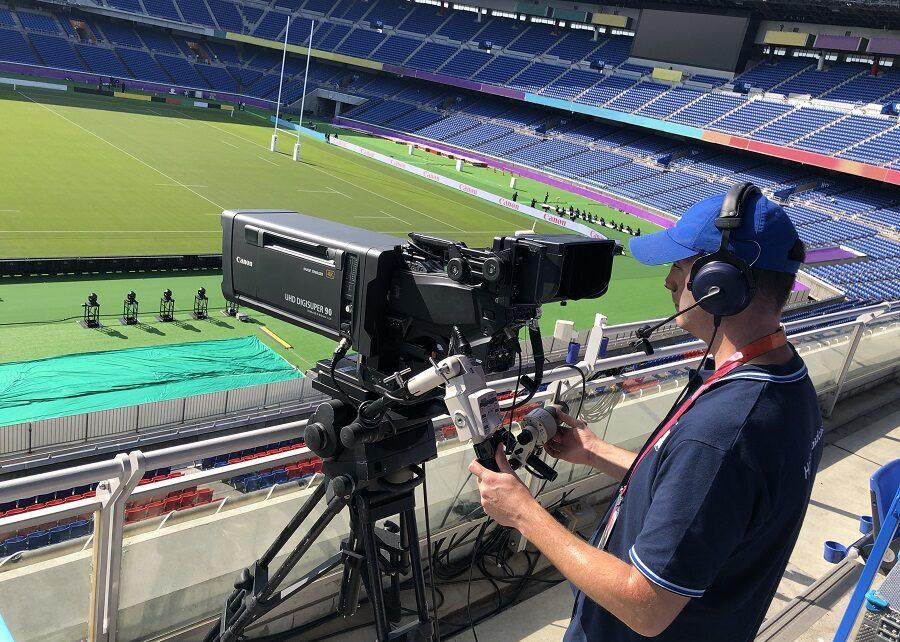
One of the clearest commercial signals around WAFCON 2026 is the scale of its international broadcasting distribution.
The tournament is available through major regional networks, national broadcasters and digital platforms. Coverage across multiple markets is allowing African women’s football to reach audiences well beyond the participating countries.
This changes the commercial potential.
Women’s football is no longer dependent only on supporters attending matches or viewers living in the host nation.
Diaspora communities, international football audiences and commercial partners can increasingly follow the competition from major global markets.
That visibility can strengthen several revenue channels.
Broadcasting rights can become more valuable.
Sponsors can reach audiences across multiple countries.
Players can gain international recognition.
Clubs can attract greater interest from scouts and investors.
Host cities can benefit from visitors, media activity and event-related spending.
The commercial opportunity is not yet comparable with the largest men’s competitions.
But the direction is clear.
Women’s football is moving from limited exposure towards structured distribution.
Prize Money Signals A Larger Ambition
CAF has increased the financial value attached to women’s football in recent years.
Higher prize money sends an important signal to national federations, players and commercial partners.
It suggests that the women’s game is being treated less as a secondary competition and more as a product with growing sporting and economic value.
Prize money alone, however, will not create a complete football economy.
National federations require sustainable funding outside major tournaments.
Domestic clubs need stronger competition structures.
Players need professional contracts, medical support, training facilities and reliable calendars.
Sponsors also need year-round opportunities rather than visibility during only a few weeks every two years.
The real commercial test will therefore begin after the final.
Can the attention generated by WAFCON be transferred into domestic leagues, academies, broadcasting agreements and long-term brand partnerships?
That will determine whether tournament growth produces structural progress.
Morocco Is Building Hosting Experience
Morocco is hosting the Women’s Africa Cup of Nations for a third consecutive edition.
The country is also becoming a regular host of international women’s football events, including youth competitions.
This creates an unusual concentration of experience.
Repeated hosting can strengthen operational capability in stadium management, broadcasting, security, transportation, accommodation and tournament marketing.
It can also help Morocco build a wider football ecosystem.
Young players can watch international competitions at home.
Local coaches and officials gain exposure to higher standards.
Moroccan brands learn how to activate sponsorships around women’s sport.
The strategic value is cumulative.
One tournament creates attention.
A consistent calendar can create an industry.
The Commercial Opportunity Extends Beyond Football
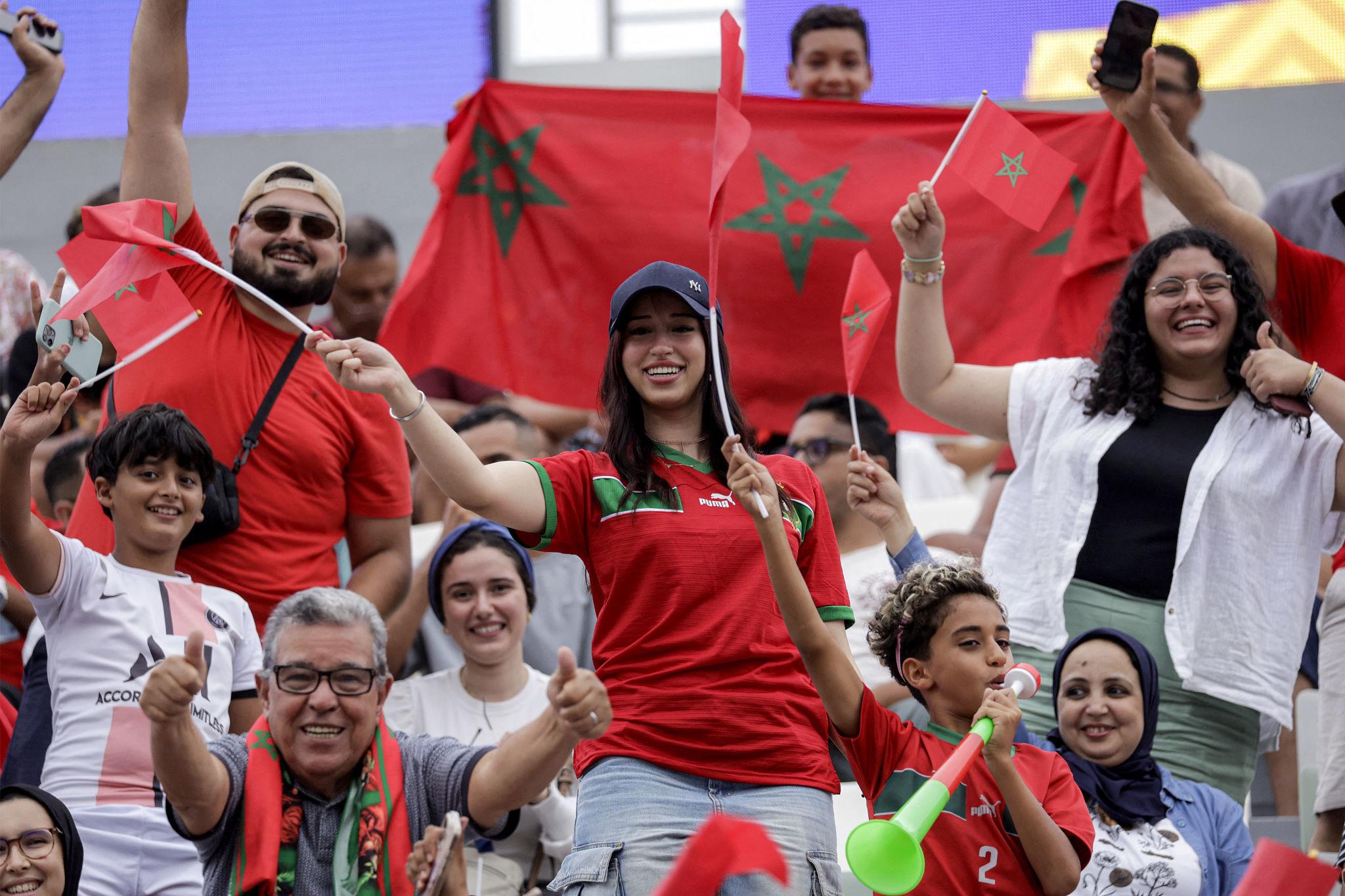
The tournament also creates opportunities for sectors that are not directly part of the game.
Hotels, airlines, restaurants and transport operators can benefit from visiting teams, supporters, officials and media representatives.
Telecommunications companies can develop digital campaigns around match content.
Sportswear brands can build relationships with players and supporters.
Banks, insurers and consumer companies can position themselves around women’s participation, national pride and youth development.
This is particularly relevant because women’s football can reach audiences that traditional football advertising may not fully capture.
Families, younger supporters and new digital audiences may engage differently with the women’s game.
Brands that enter early can help shape that market rather than compete for space after it becomes mature.
The opportunity is therefore not only to sponsor a tournament.
It is to build long-term relevance around a growing audience.
Domestic Football Must Benefit
The most important economic question is whether tournament success can strengthen the domestic game.
Morocco has invested heavily in facilities, national-team preparation and international hosting.
The next step is to ensure that domestic clubs, academies and players also benefit.
A strong women’s league requires reliable financing, professional management, medical standards, coaching development and regular media coverage.
Without those foundations, major tournaments can generate visibility without creating sustainable careers.
The most successful Moroccan internationals should not remain isolated examples.
Their visibility should encourage clubs and academies to identify and develop the next generation.
Young players need to see a complete pathway from local football to professional competition.
That pathway must include education, contracts, protection and long-term career planning.
Data Will Determine Commercial Value
Women’s football also needs better commercial measurement.
Sponsors require clear information about attendance, television audiences, digital engagement and consumer behaviour.
Clubs need reliable data to negotiate partnerships.
Broadcasters need evidence that audiences are growing.
Federations need to understand which investments produce the strongest results.
Transparent data can turn enthusiasm into commercial confidence.
Without measurement, the market risks depending too heavily on assumptions and occasional tournament success.
The objective should be to build a football economy that can explain its audience, demonstrate its reach and justify long-term investment.
This is how women’s football moves from symbolic support to commercial sustainability.
More Than A Three-Week Event
WAFCON 2026 gives Morocco an opportunity to demonstrate that hosting women’s football can generate broadcasting reach, sponsorship value, tourism activity and professional opportunities.
The 4-0 opening victory created momentum on the pitch.
What happens beyond the pitch will determine whether that momentum lasts.
A successful tournament can increase attention.
A professional system can convert that attention into jobs, contracts, investment and stronger domestic competition.
Morocco has already shown that it can host major women’s football events and build a competitive national team.
The larger test is whether it can turn repeated sporting success into a durable commercial platform for Africa.