
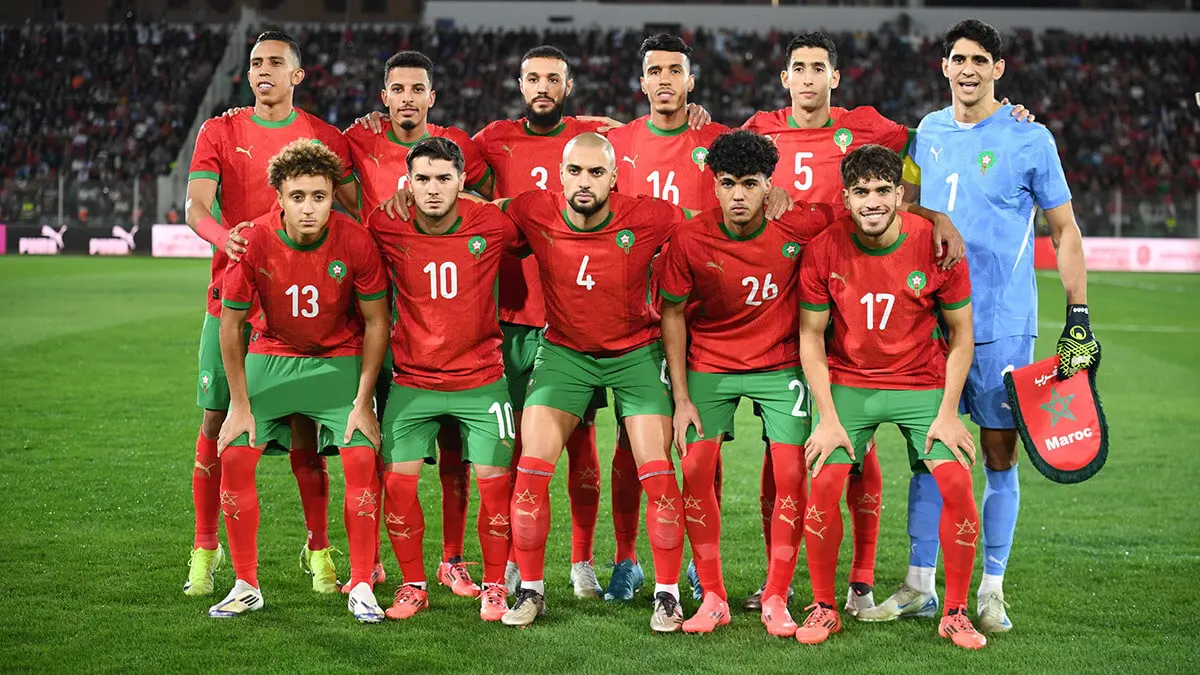
Morocco’s 2026 World Cup ended with a 2-0 quarter-final defeat against France.
But the larger sporting signal was positive.
The Atlas Lions reached the last eight for the second consecutive World Cup, eliminated the Netherlands on penalties and defeated co-host Canada 3-0 before meeting France.
Morocco is no longer arriving at major tournaments as an outsider hoping to create one historic surprise.
It is becoming a national team expected to survive group stages, eliminate established football nations and compete deep into knockout rounds.
That change creates a new challenge.
Success raises standards faster than it creates available places.
Morocco now has experienced internationals, emerging domestic talent and a growing generation of dual-national players competing for the same limited number of positions.
The post-World Cup question is therefore not whether the country has enough football talent.
It is how Morocco will manage more talent than one national-team squad can contain.
The Quarter-Final Has Changed The Benchmark
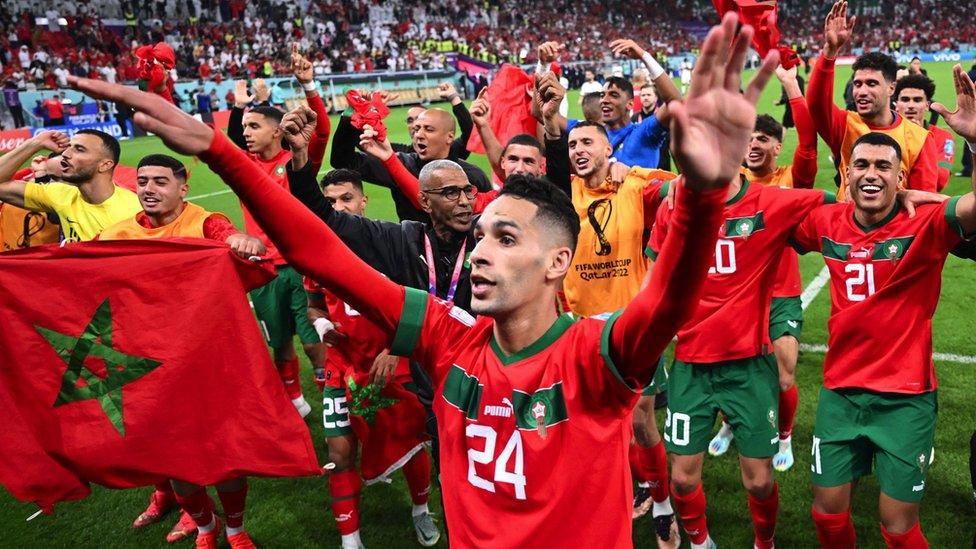
Morocco’s 2022 World Cup semi-final was initially treated as an extraordinary breakthrough.
The 2026 campaign showed that the performance was not an isolated event.
The Atlas Lions finished second in a group containing Brazil, Scotland and Haiti before navigating two knockout rounds.
They eliminated the Netherlands after a penalty shootout and then produced a convincing second-half performance against Canada.
Reaching another quarter-final confirmed that Morocco now possesses something more valuable than occasional individual brilliance.
It has tournament credibility.
Opponents prepare differently when facing Morocco.
Supporters expect more.
Players know that qualification alone is no longer enough.
The national team is being judged against the standards of countries that regularly reach the final stages of major competitions.
That places greater pressure on every selection decision.
A player can perform well for his club and still remain outside the squad because the competition has become stronger.
The jersey is becoming more valuable precisely because it is becoming more difficult to obtain.
Mohamed Ouahbi Inherited A Different National Team
Mohamed Ouahbi took control of the senior national team in March 2026 after leading Morocco to the FIFA U-20 World Cup title in 2025.
His appointment created a direct bridge between Morocco’s youth success and the senior team.
That experience matters.
Ouahbi already knows many of the players moving through Morocco’s development system. He has observed their technical ability, discipline and performance under tournament pressure.
But managing the senior team requires a different balance.
Morocco cannot replace an experienced generation simply to create space for younger players.
It also cannot protect established names indefinitely if emerging players begin performing at a higher level.
The 2026 World Cup squad still included several figures from the historic Qatar campaign, including Yassine Bounou, Achraf Hakimi and Sofyan Amrabat.
Their experience remained important.
But the introduction of younger players, including Ayyoub Bouaddi, demonstrated that the transition has already begun.
Ouahbi’s most difficult task will not be identifying talent.
It will be deciding when potential has become strong enough to replace experience.
The Diaspora Pipeline Is Becoming More Competitive
Morocco’s international recruitment model has been one of the foundations of its football rise.
Players developed in France, Spain, Belgium, the Netherlands, Germany and other European systems have strengthened the national team.
For many years, the central challenge was persuading eligible players to choose Morocco.
That calculation is now changing.
Morocco can offer something increasingly powerful.
A realistic opportunity to compete for major international honours.
Young dual-national players no longer have to view Morocco as the emotional choice and a European country as the competitive one.
The Atlas Lions can offer both identity and sporting ambition.
But Morocco’s growing strength also makes guarantees less realistic.
Choosing Morocco does not automatically mean receiving immediate playing time.
A young player may still need to compete against Champions League footballers, established internationals and successful academy graduates.
That is a sign of progress.
The strongest national teams do not recruit players by promising permanent positions.
They create environments where every player must continue earning selection.
Club Decisions Will Become More Important
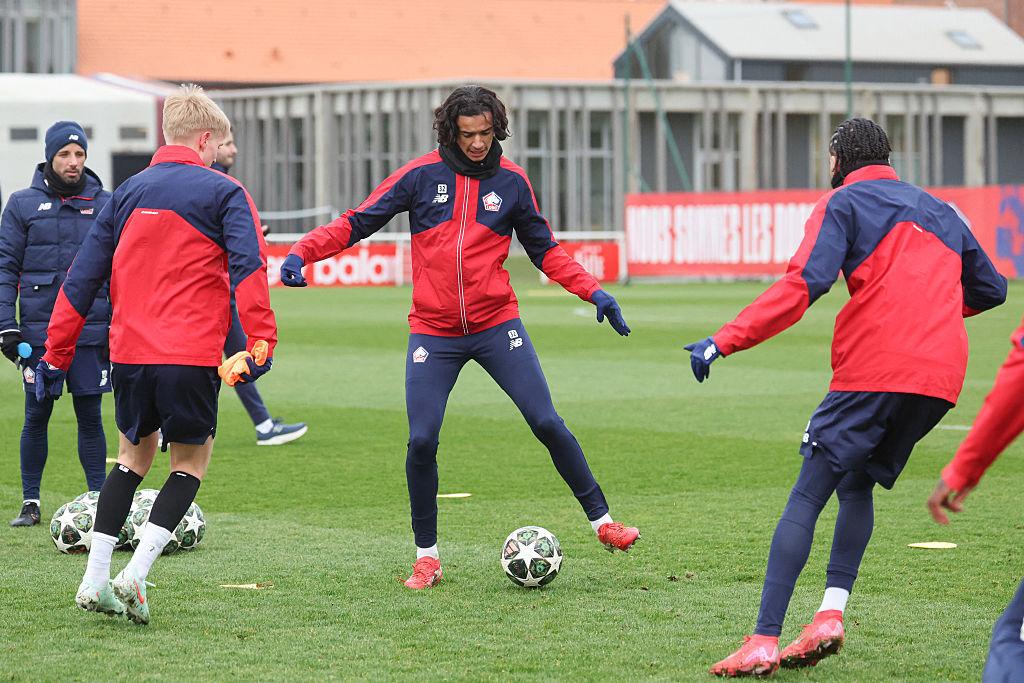
International reputation can influence a player’s club career.
A strong World Cup can increase market value, transfer interest and expectations.
But the wrong move can also slow development.
Young Moroccan players emerging from the 2026 tournament may attract interest from larger European clubs.
The most prestigious offer will not always be the best one.
A player moving too early may spend critical development years on the bench.
Another joining a carefully selected club may receive regular minutes, tactical responsibility and European competition.
Morocco’s interests are best served when its internationals play consistently.
The national team cannot depend only on the badge printed on a player’s club shirt.
It needs footballers arriving at international camps physically prepared, tactically sharp and accustomed to competitive pressure.
This becomes especially important for younger players whose value may rise faster than their experience.
A major transfer fee can create headlines.
Regular football creates national-team performance.
Ayyoub Bouaddi Represents The New Market
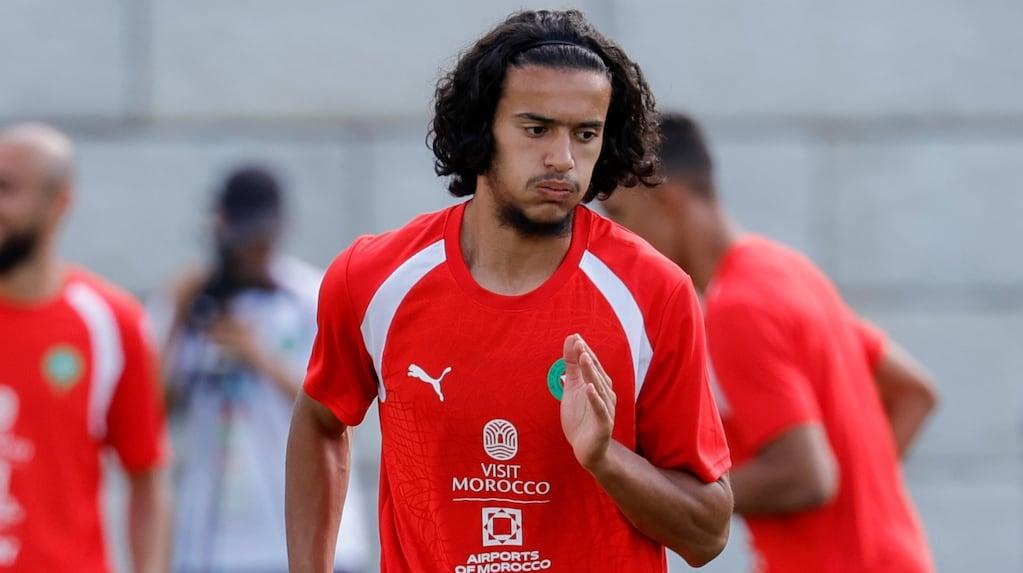
Ayyoub Bouaddi emerged from the World Cup as one of the clearest examples of Morocco’s changing talent profile.
The young midfielder entered the tournament with high expectations and attracted further international attention through his performances.
His age, technical ability and experience in European football make him commercially attractive.
But the discussion surrounding his future also demonstrates the risk of rapid valuation.
Young players can become transfer assets before they become complete footballers.
A strong tournament can cause clubs, agents, supporters and media to project several years of development into one immediate price.
Morocco needs Bouaddi and players like him to develop sustainably.
That means choosing environments where tactical education, physical progression and playing time remain priorities.
His emergence is important not because one young player may receive a major transfer.
It is important because Morocco is beginning to produce and recruit players whom Europe’s largest clubs view as long-term assets.
That strengthens the national team and changes the economic perception of Moroccan football.
Established Players Now Face Real Pressure
The arrival of younger players does not automatically end the role of the experienced generation.
Tournament football frequently rewards maturity.
Veterans understand pressure, travel, recovery and the tactical discipline required in knockout matches.
Morocco benefited from that experience in both 2022 and 2026.
But reputation cannot become permanent protection.
Every successful national team must manage renewal before decline becomes visible.
Waiting too long can create a sudden collapse between generations.
Moving too quickly can remove leadership before younger players are ready to replace it.
The transition must therefore be based on performance rather than age alone.
An older player competing regularly at a high level may remain essential.
A younger player with limited club minutes should not be selected only because he represents the future.
The national team needs the strongest available squad now while preparing the strongest possible squad for 2030.
Those two objectives must be managed simultaneously.
Domestic Football Must Enter The Selection Race
Morocco’s national-team success has relied heavily on players developed abroad.
That international pipeline will remain valuable.
But the domestic system must produce more players capable of competing for senior selection.
Moroccan clubs provide a direct connection between national football investment and the senior team.
When locally developed players succeed internationally, the benefits extend beyond the individual.
Clubs gain transfer income.
Academies gain credibility.
Coaches gain recognition.
Young players see a visible pathway from local competition to the World Cup.
The Botola must therefore become more than a league from which promising players depart.
It should become an active development market capable of preparing footballers for international intensity.
That requires better youth coaching, physical preparation, data analysis and competitive minutes for younger players.
Morocco’s academies have already demonstrated their potential.
The next test is whether more of that talent can progress consistently into professional club football and then into the senior national team.
Selection Requires Better Performance Data
As the talent pool grows, national-team decisions become more complex.
Club reputation and public popularity are not sufficient.
Coaches need reliable information about minutes played, physical condition, tactical performance, injury risk and suitability for different systems.
A player may score frequently but contribute little without the ball.
Another may play for a less prominent club while performing consistently in areas essential to the national team.
Data can help distinguish form from reputation.
It can also support long-term planning.
Morocco should know which positions have several emerging options and which remain vulnerable.
It should identify players before a shortage becomes urgent.
The objective is not to allow statistics to replace coaching judgment.
It is to give that judgment stronger evidence.
A national team competing at elite level needs an elite monitoring system.
The U-20 Success Must Produce Senior Players
Morocco’s U-20 World Cup title in 2025 was a major achievement.
But youth trophies create lasting value only when players progress successfully into senior football.
The transition is difficult.
A player can dominate at youth level and still struggle with the physical speed, tactical complexity and competitive pressure of senior football.
Some will require loans.
Others will need patience at their existing clubs.
A few may progress immediately.
The federation’s responsibility does not end when a youth tournament finishes.
Players need individual development pathways, continued monitoring and coordination with their clubs.
Morocco’s advantage is that Ouahbi understands the generation personally.
He knows which players can handle responsibility and which still require time.
That knowledge can help prevent youth success from becoming an isolated memory.
The objective should not be to place the entire U-20 generation into the senior squad.
It should be to ensure that the strongest members receive a realistic pathway towards it.
The 2030 World Cup Creates A Deadline
Morocco will co-host the 2030 World Cup with Spain and Portugal.
That gives the current transition a clear strategic horizon.
Several veterans from the 2022 and 2026 squads may no longer be at their peak by 2030.
Some will remain valuable.
Others will need to be replaced before the tournament begins.
The players who will define Morocco’s 2030 campaign are already entering professional football.
Their development decisions during the next two or three seasons may determine whether Morocco arrives as a competitive host or merely an ambitious organiser.
The country cannot wait until 2029 to begin constructing the squad.
Partnerships must be tested earlier.
Young players must gain tournament experience.
Leadership roles must be transferred gradually.
Weak positions must be identified before they become emergencies.
The advantage of having a deadline is clarity.
Every international window between now and 2030 should contribute to building the team Morocco wants to field at home.
Competition Can Protect Standards
More competition inevitably creates disappointment.
Talented players will be omitted.
Some may question their role.
Others may reconsider their international commitment.
Managing those situations requires clear communication.
Players should understand that selection depends on performance, fitness and tactical needs.
No position should appear guaranteed.
But the process must also feel fair.
When players believe that club form is recognised and opportunities are distributed honestly, competition can strengthen the group.
When decisions appear based only on reputation or external pressure, competition can become division.
Morocco’s expanding talent pool is therefore both an asset and a management test.
The federation has worked for years to create this depth.
It must now establish a culture capable of handling it.
Morocco Has Moved Beyond The Talent Question
The quarter-final defeat against France ended Morocco’s 2026 World Cup campaign.
It did not end the country’s progress.
Two consecutive appearances in the final eight confirm that Morocco belongs among international football’s strongest competitors.
The next challenge is internal.
Experienced leaders, emerging academy players, domestic prospects and European-developed dual nationals are all competing for the same shirt.
That competition should not be viewed as a problem.
It is the result of Morocco’s rise.
The national team no longer needs to search desperately for enough quality.
It needs to select intelligently from an expanding supply of it.
The countries that remain successful are not those that produce one exceptional generation.
They are those that renew quality without losing standards.
Morocco’s 2026 quarter-final created another proud result.
Its greater value may be the pressure it now places on every player who wants to be part of what comes next.