
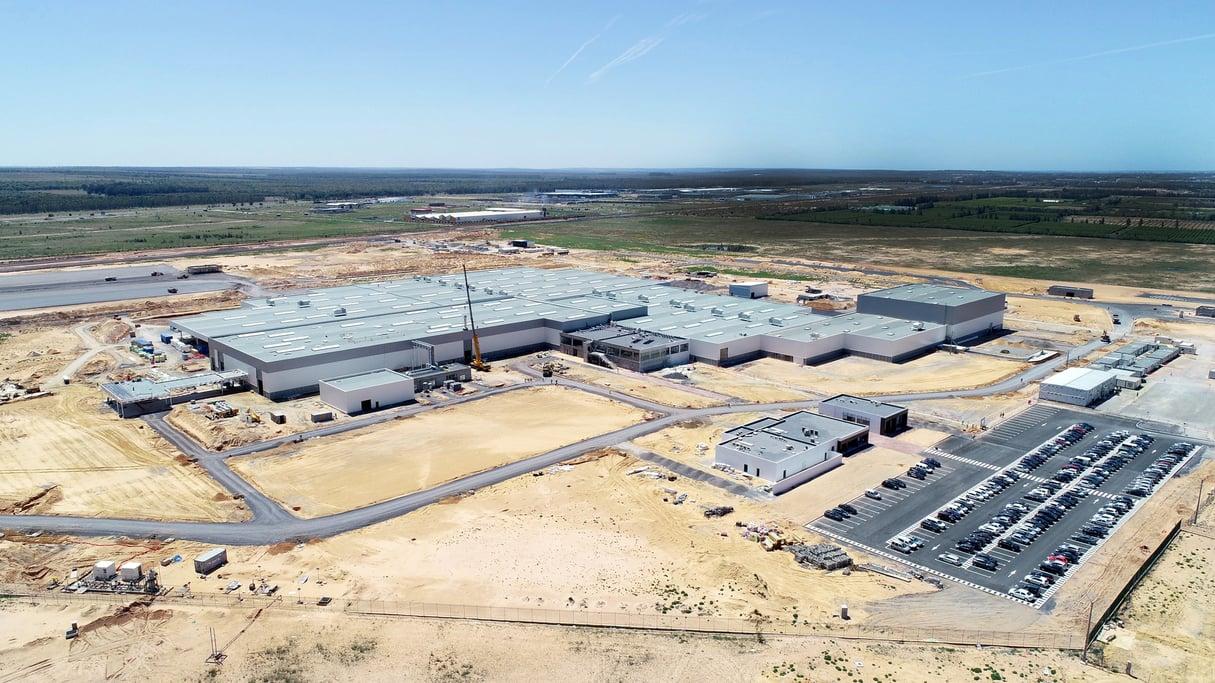
Morocco has approved 29 new investment projects representing nearly 42 billion dirhams.
Together, they are expected to generate approximately 9,800 jobs across 16 provinces and prefectures, six regions and 13 sectors.
The announcement reflects a strong pipeline.
But approval is only the beginning.
Investment becomes economically meaningful when agreements produce construction, equipment orders, supplier contracts, recruitment and operating businesses.
Until then, approved capital remains potential rather than output.
Morocco’s next investment challenge is therefore not simply attracting or announcing more projects.
It is converting every approved dirham into measurable economic activity.
Approval Is Not The Same As Execution
An investment convention creates a formal commitment.
It does not guarantee that a factory will open, a hotel will welcome guests or a logistics platform will begin operating on schedule.
Projects can slow after approval for many reasons.
Land may not be fully prepared.
Permits may remain incomplete.
Infrastructure connections can take longer than expected.
Financing conditions may change.
Imported equipment may be delayed.
Investors may revise their commercial assumptions.
None of these difficulties is unusual.
The problem begins when the gap between approval and execution becomes difficult to measure.
Morocco has strengthened its ability to attract and approve investment. The next phase requires an equally strong system for following each project from signature to operation.
That means knowing which projects have started, how much capital has actually been deployed, how many jobs have been created and which obstacles remain unresolved.
A pipeline is valuable only when it keeps moving.
The 9,800 Jobs Must Become Real Employment
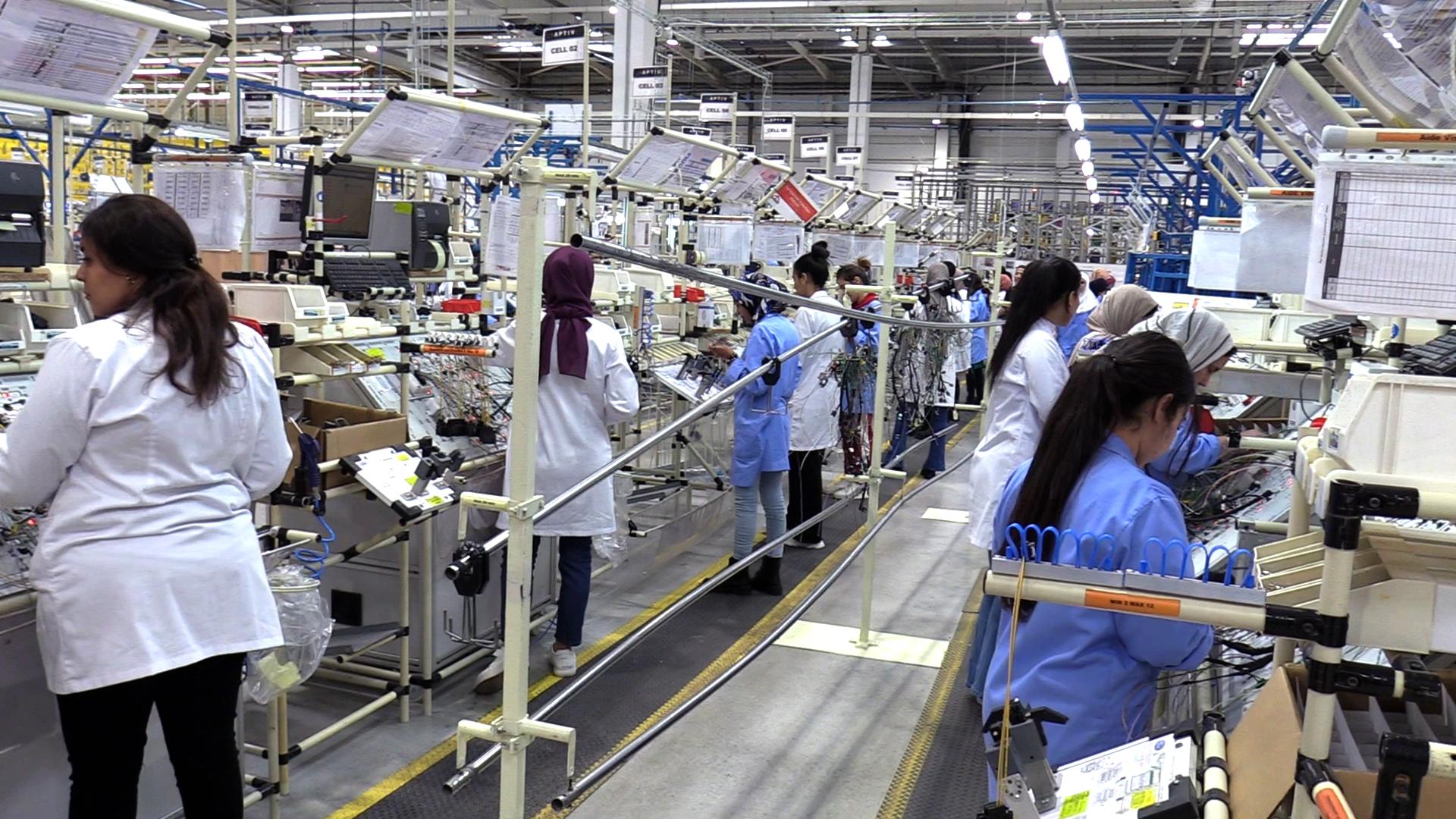
The 29 approved projects are expected to support around 2,400 direct jobs and 7,400 indirect jobs.
Those numbers are significant.
But employment projections should not be treated as completed results.
A direct job exists only when a worker has been recruited.
An indirect job is even more difficult to verify because it may depend on suppliers, transport providers, service companies and wider local demand.
The strongest investment policy would therefore follow employment through several stages.
Jobs announced.
Jobs under recruitment.
Jobs created during construction.
Permanent jobs created after operations begin.
Jobs maintained after the first years of activity.
This distinction matters because some projects create large temporary workforces during development but require fewer employees once operational.
Others may begin modestly and generate wider employment later through suppliers and expansion.
Morocco should measure both effects without confusing them.
Employment quality also matters.
A project that creates stable, skilled and well-paid positions has a different economic impact from one built mainly on temporary or low-productivity labour.
The objective should not be only to count jobs.
It should be to understand what type of employment the investment creates.
Regional Distribution Must Produce Regional Value
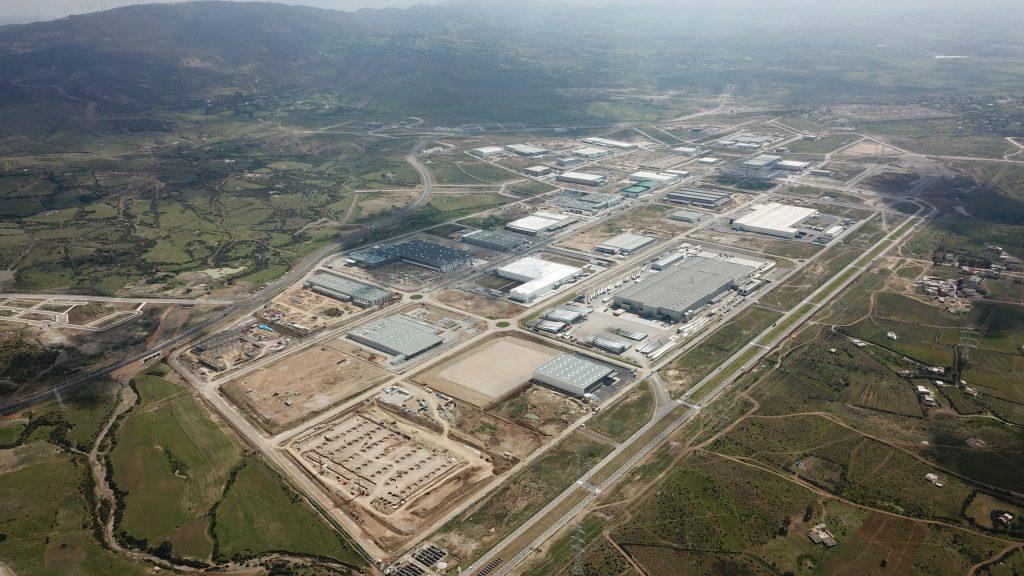
The projects cover 16 provinces and prefectures across six regions.
This wider territorial distribution is one of the most important elements of the announcement.
Investment concentrated in a small number of major cities can increase national output while leaving regional disparities largely unchanged.
Projects in provinces such as Al Haouz, El Jadida, Moulay Yacoub, Nador, Rehamna and Taroudant can create new local economic centres.
But physical location alone does not guarantee regional development.
A project can operate in a province while purchasing most of its services elsewhere, importing its equipment and recruiting specialised staff from outside the region.
The local impact depends on how deeply the project connects with the surrounding economy.
Are regional suppliers able to qualify for contracts?
Can local workers access the required training?
Are transport, utilities and digital infrastructure sufficient?
Can small businesses benefit from the new demand?
Will municipalities receive lasting economic activity after construction ends?
These questions determine whether regional investment creates an ecosystem or merely a site.
Morocco’s territorial investment policy will succeed when projects become anchors for wider local development.
Thirteen Sectors Reduce Concentration Risk
The approved projects cover sectors including tourism, food processing, chemicals, port infrastructure, aerospace, logistics, telecommunications, commerce, waste recovery and renewable energy.
This diversity is strategically valuable.
An investment pipeline concentrated in one sector becomes vulnerable to changes in global demand, regulation or financing.
A broader portfolio spreads risk and creates different forms of economic value.
Tourism can generate employment and regional spending.
Aerospace can deepen industrial capability and exports.
Food processing can increase the value retained from agricultural production.
Logistics and port infrastructure can reduce trade costs.
Waste recovery can transform an environmental burden into an industrial input.
Renewable energy can strengthen competitiveness for energy-intensive sectors.
But diversification also makes execution more complex.
Each sector faces different regulatory, infrastructure and workforce requirements.
A hotel project does not encounter the same obstacles as an aerospace supplier.
A renewable-energy project does not require the same approvals as a food-processing plant.
The investment system must therefore be coordinated but not uniform.
Projects need a clear route adapted to their sector while maintaining consistent standards of transparency and accountability.
Food Processing Can Multiply Agricultural Value
Food processing is expected to be one of the strongest employment-generating sectors within the new group of projects.
That matters because Morocco already produces significant agricultural output, but value is often lost before products reach domestic or international consumers.
Processing can extend shelf life, improve quality, reduce waste and increase export value.
It can also create jobs beyond farming.
Packaging, refrigeration, transport, quality control, marketing and distribution all become part of the economic chain.
The strongest projects will not simply process raw materials.
They will build stable relationships with farmers, cooperatives and regional suppliers.
This requires predictable purchasing arrangements, quality standards and technical support.
Without those connections, processing facilities may struggle to obtain reliable inputs or may create limited benefit for local producers.
Investment should therefore be evaluated not only by the size of the plant.
It should also be assessed by the supply chain it creates.
Industrial Projects Need Local Supplier Depth
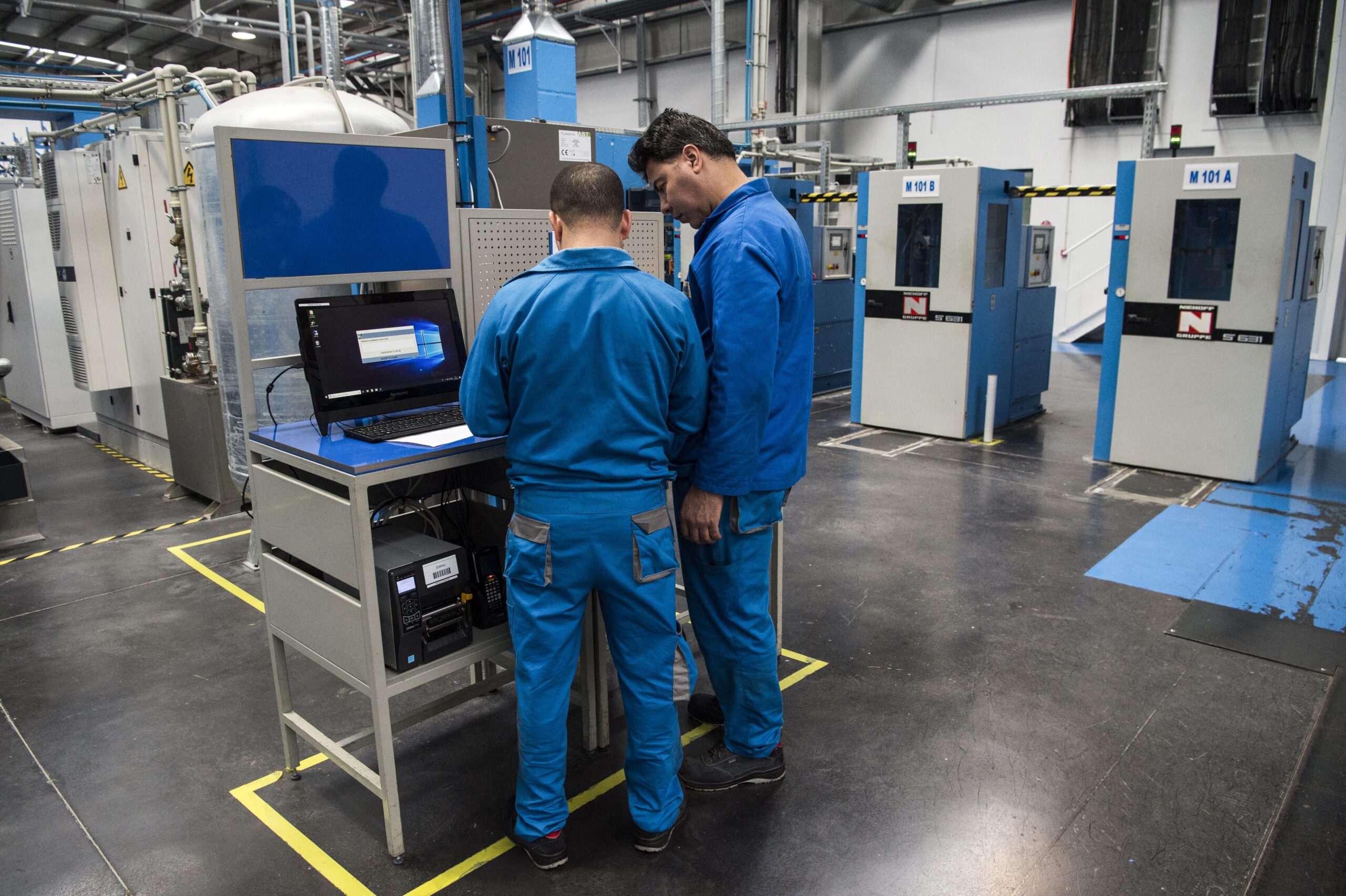
Morocco has built competitive positions in aerospace, automotive production, chemicals and other industrial sectors.
The next level of development depends on supplier depth.
A country gains more from industrial investment when a larger share of components, maintenance, engineering and services is sourced locally.
This does not happen automatically.
Local companies must meet international standards for quality, timing, documentation and traceability.
They often require access to finance, certification and technical support before they can enter major industrial supply chains.
Large investors can help create this capacity through supplier-development programmes.
Public institutions can support it through training, financing and export assistance.
The objective is not to impose local sourcing where quality or competitiveness is insufficient.
It is to create the conditions that allow Moroccan suppliers to compete successfully.
A factory creates more national value when it becomes part of a domestic industrial network rather than an isolated production site.
Infrastructure Can Determine The Timeline
Many investment delays begin outside the investor’s own operations.
A project may have financing, land and equipment plans but still depend on electricity, water, roads, rail access, port capacity or digital connectivity.
These enabling systems must arrive at the right time.
Infrastructure completed after a factory is ready creates idle capital.
Infrastructure built too early without confirmed demand can waste public resources.
Coordination is therefore essential.
Investment authorities, local government, utility providers and transport operators need a shared project timetable.
Each party should know what must be delivered, by whom and by what date.
This is particularly important for large industrial, logistics and tourism projects.
The cost of one delayed connection can spread across the entire investment.
Morocco’s execution capacity will increasingly be judged by how well public and private timelines align.
SMEs Must Participate In The Pipeline
Large investments often dominate public announcements because their numbers are more visible.
But small and medium-sized enterprises determine how widely the economic impact spreads.
They can supply construction, maintenance, transport, catering, packaging, technology, security and professional services.
Without SME participation, much of the project’s value may remain concentrated among a small number of large contractors.
Access is the central challenge.
Smaller businesses may not know when procurement opportunities become available.
Tender requirements may be too complex.
Payment periods may be difficult to absorb.
Certification costs may prevent participation.
A stronger investment ecosystem would make supplier opportunities more transparent and help qualified SMEs prepare for them.
Prompt payment is equally important.
A small supplier can win a major contract and still face serious financial pressure when invoices are paid late.
The success of a large investment should therefore include the health of the businesses around it.
Capital Deployment Needs Better Visibility
The headline figure of 42 billion dirhams represents approved investment.
The more important figure will be the amount actually deployed.
Projects rarely spend their entire announced value immediately.
Capital is normally released in phases for land, construction, equipment, recruitment and operating preparation.
Tracking those phases would provide a clearer picture of progress.
How much has been committed contractually?
How much has been spent?
How much has entered the Moroccan economy?
How much remains conditional on future milestones?
This information does not need to expose commercially sensitive details.
But aggregate reporting could improve confidence and accountability.
Investors would see that bottlenecks are being identified.
Regions could understand when economic activity is expected.
Citizens could compare announced benefits with real outcomes.
Transparency would also distinguish projects facing normal development timelines from those that have stalled.
The objective is not to create additional bureaucracy.
It is to ensure that approved investment does not disappear from public attention once the announcement has been made.
The Investment Charter Has Raised Expectations
Since the new Investment Charter became operational, hundreds of investment conventions representing hundreds of billions of dirhams have been signed.
This demonstrates the scale of Morocco’s ambition.
It also raises expectations.
As the pipeline grows, implementation becomes more difficult to manage through individual interventions.
The system must be capable of handling many projects at different stages and in different regions simultaneously.
That requires digital tracking, clearly assigned responsibility and rapid escalation when obstacles appear.
Regional investment centres can play an important role, but they need effective coordination with national ministries, municipalities and infrastructure providers.
Investors should not have to restart the same administrative process at each institution.
A single visible project pathway would reduce uncertainty and allow delays to be identified earlier.
The best investment environment is not one where no problem ever occurs.
It is one where problems are resolved predictably.
Morocco’s Next KPI Is Operational
The approval of 29 projects worth nearly 42 billion dirhams is a positive signal.
It demonstrates investor interest across multiple sectors and regions.
But the next indicators matter more.
Construction starts.
Capital spent.
Suppliers contracted.
Workers trained.
Jobs created.
Facilities opened.
Exports generated.
These are the measures that convert an investment announcement into economic credibility.
Morocco has already shown that it can build an ambitious project pipeline.
The larger test is whether institutions can move that pipeline through permits, infrastructure, construction and recruitment without losing momentum.
The country does not need fewer announcements.
It needs stronger visibility over what happens after each announcement.
Because the real value of 42 billion dirhams will not be determined in the meeting where the projects were approved.
It will be determined in the factories, hotels, logistics platforms and businesses that actually begin operating.