

Aradei Capital is building something broader than a portfolio of shopping centres.
The Moroccan listed property company owns assets across 23 cities, covering retail, healthcare, offices, industrial property and a portfolio of bank branches.
Its properties recorded more than 43 million visits in 2024.
That figure reveals the real importance of the platform.
These are not buildings used only for occasional shopping.
They are places where Moroccans purchase food, access healthcare, meet friends, exercise, eat, work and complete everyday tasks.
The opening of the WAW entertainment space at Sela Park Casablanca in February 2026 reinforces this transition.
Aradei Capital is moving from commercial property towards mixed-use urban infrastructure.
Its next challenge is to make every visit more useful without making its centres more congested, expensive or difficult to access.
Footfall Is The Core Economic Asset
A property company earns rent from tenants.
But the tenant can pay that rent only when the location attracts enough customers.
Footfall therefore sits at the centre of the business model.
More than 43 million annual visits provide retailers and service operators with access to a large audience.
But the number alone is insufficient.
Aradei must understand why people visit, how long they remain and whether they return regularly.
A customer visiting once for a promotion creates limited long-term value.
A family returning every week for shopping, food, healthcare and leisure creates a more durable relationship with the location.
The objective is not simply to maximise traffic.
It is to create useful and repeatable traffic.
Retail Is No Longer Enough
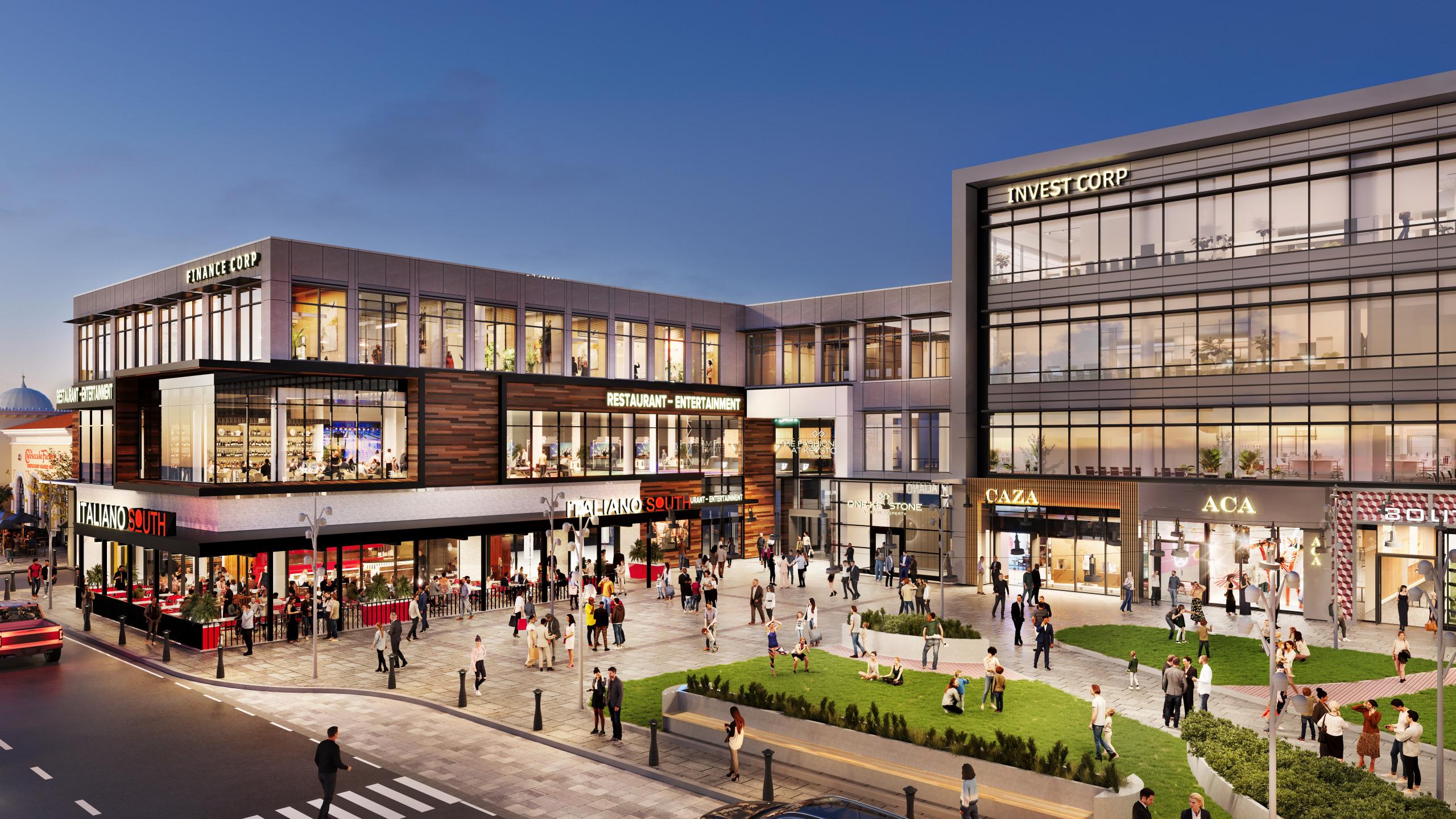
Shopping habits are changing.
Consumers can compare products online, order through applications and receive goods at home.
A centre built only around conventional retail becomes more vulnerable as digital commerce expands.
Physical property must offer experiences that cannot be reproduced completely through a screen.
Restaurants.
Entertainment.
Sport.
Healthcare.
Children’s activities.
Personal services.
Social interaction.
WAW at Sela Park Casablanca illustrates this shift towards leisure.
Entertainment gives families another reason to visit and can extend the time they spend inside the property.
Longer visits may support restaurants and surrounding retailers.
But every new activity must fit the wider centre.
Entertainment should strengthen the location rather than create noise, circulation or security problems for other users.
Mixed Use Creates More Stable Demand
Retail traffic can vary by day, season and consumer confidence.
Healthcare demand follows a different pattern.
Offices generate weekday activity.
Restaurants perform during meals and evenings.
Entertainment can strengthen weekends and holidays.
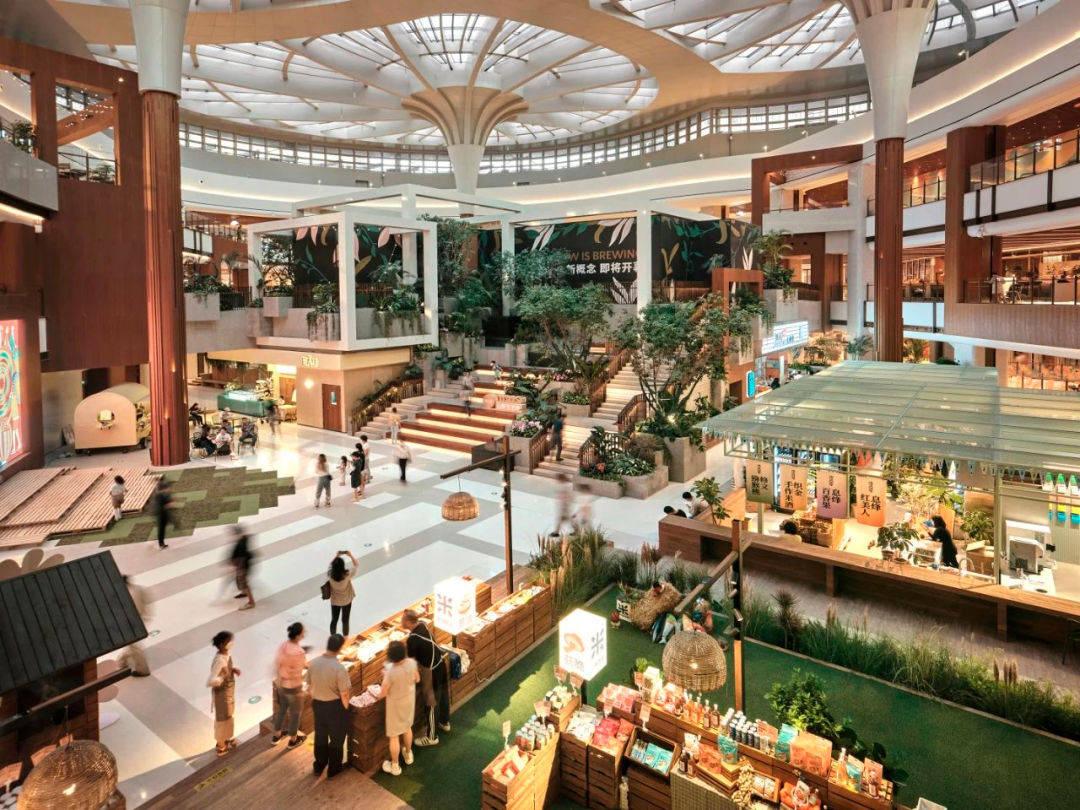
Combining several uses can therefore make the property more resilient.
One category may weaken while another remains active.
Aradei Capital’s healthcare assets, developed through its relationship with Akdital, broaden the portfolio beyond consumer spending.
This diversification protects the company from depending entirely on retail cycles.
It also changes the responsibility of the landlord.
A hospital, shopping centre and office building cannot be managed through identical standards.
Each requires specialised maintenance, security and tenant support.
Sela Park Represents A New Urban Model

Retail parks traditionally depend on large stores, parking and convenient road access.
They are often designed around transactions rather than long visits.
Sela Park Casablanca is evolving towards a broader destination model.
Shopping remains important, but food, leisure and services make the site relevant to more types of visitors.
This can create stronger commercial activity while reducing dependence on one anchor tenant.
The model must nevertheless remain practical.
Customers should be able to reach the site easily.
Parking should not become a daily source of frustration.
Pedestrian routes must remain safe.
Families with children need comfortable public areas.
A successful mixed-use destination is not defined by the number of concepts inserted into it.
It is defined by how naturally those concepts work together.
Accessibility Determines Who Can Participate
A shopping or lifestyle centre creates limited urban value when it can be reached only by private car.
Moroccan cities are expanding, and traffic pressure is increasing.
Aradei should therefore consider public transport, taxis, pedestrians and cyclists alongside parking capacity.
Clear drop-off areas can reduce congestion.
Safe walking routes can connect nearby neighbourhoods.
Transport partnerships may help employees and customers reach the centre more easily.
Accessibility is also important inside the property.
Older visitors, people with disabilities and parents with pushchairs need lifts, ramps and simple circulation.
The property should not merely comply with minimum standards.
It should allow different users to move independently and comfortably.
Tenant Selection Shapes The Identity
A property owner does not control every customer experience directly.
Tenants deliver most of it.
Their products, prices, employees and service standards shape how visitors perceive the entire destination.
Aradei must therefore manage the tenant mix carefully.
Too many similar businesses create internal competition.
Too few affordable options can make the centre feel disconnected from the surrounding community.
A strong mix may include supermarkets, fashion, food, sport, healthcare, entertainment and practical services.
National and international brands provide familiarity.
Local businesses can provide character and regional relevance.
The strongest centres do not appear interchangeable.
They reflect the population they serve.
Smaller Businesses Need A Route Into Premium Locations
Large brands can commit to long leases and substantial store investments.
Smaller Moroccan companies may struggle to enter professionally managed centres despite having attractive products.
Aradei can create flexible formats for these businesses.
Temporary shops.
Kiosks.
Seasonal spaces.
Local-brand markets.
Short test periods.
These models allow entrepreneurs to evaluate demand before assuming a large fixed cost.
They also introduce variety into the centre.
But selection must remain professional.
Product quality, presentation and reliability matter because one weak operator can affect the wider customer experience.
Supporting local businesses should mean creating a credible route towards growth, not lowering standards.
Data Can Improve Property Management
Forty-three million visits generate valuable operational information.
Which entrances are busiest?
When does parking reach capacity?
Which areas receive limited traffic?
How do entertainment openings affect restaurant demand?
Where do visitors stop, and where do they move quickly?
Aggregated data can help Aradei improve layouts, staffing and tenant placement.
It can also support retailers when deciding store size or opening hours.
But visitor monitoring must remain proportionate.
A landlord can understand crowd movement without building intrusive profiles of individual customers.
The objective should be better property management, not uncontrolled surveillance.
Retail Media Creates A New Revenue Layer
Physical centres contain valuable advertising spaces.
Entrances.
Screens.
Parking areas.
Digital directories.
Event zones.
Aradei has already moved into retail media through its Elevate initiative.
This can create revenue beyond conventional rent.
Brands gain access to audiences close to the moment of purchase.
Tenants can promote launches and offers.
Campaign performance can be measured more accurately than traditional outdoor advertising.
But advertising should not overwhelm the visitor.
Too many screens, messages and promotions can make the space feel chaotic.
Retail media becomes valuable when it is relevant, well placed and integrated into the property experience.
Energy Efficiency Protects Long-Term Returns
Commercial and healthcare buildings consume significant electricity and water.
Lighting.
Cooling.
Ventilation.
Lifts.
Medical systems.
Food operations.
Aradei’s operating costs and tenant affordability will increasingly depend on resource efficiency.
Solar generation, efficient cooling and smart-building systems can reduce consumption.
Water monitoring can identify leaks quickly.
LED lighting can lower electricity use without weakening visibility.
These investments also support the company’s environmental positioning.
But sustainability should be measured through actual performance.
Certifications are useful only when buildings consume fewer resources and become less expensive to operate.
Maintenance Is Part Of The Customer Experience
Visitors notice property management through small details.
Clean toilets.
Working escalators.
Comfortable temperatures.
Safe parking.
Good lighting.
Clear signs.
These features rarely appear in marketing campaigns, but they strongly influence whether customers return.
A centre can contain excellent tenants and still underperform when maintenance is weak.
Aradei’s scale allows it to standardise preventive maintenance and compare performance across properties.
Problems should be corrected before visitors begin reporting them repeatedly.
The best-managed building is often the one where the customer barely notices the management.
Everything simply works.
Healthcare Assets Require A Different Discipline
Aradei’s expansion into healthcare property provides stable long-term demand, but it also creates higher operational expectations.
Hospitals depend on continuous power, water, ventilation and technical reliability.
A failure that would inconvenience a retail tenant could create serious consequences in a medical facility.
The property owner must therefore understand clinical operating needs even when it does not provide healthcare directly.
Maintenance schedules, emergency systems and expansion planning need close coordination with the operator.
Healthcare property can become an attractive and defensive asset class.
It also carries responsibilities that go far beyond ordinary commercial leasing.
The 43 Million-Visit Test
Aradei Capital’s portfolio already functions at a national scale.
Its assets are spread across 23 cities and attract more than 43 million visits a year.
The addition of entertainment at Sela Park Casablanca demonstrates how the company is broadening the purpose of its locations.
The next stage is not simply to add more buildings.
It is to make each asset more useful to the surrounding city.
Retail should connect with leisure.
Healthcare should remain technically dependable.
Local businesses should gain access to professional locations.
Transport and accessibility should improve.
Energy and water consumption should decline.
Digital data should support operations without weakening privacy.
Commercial property becomes urban infrastructure when people depend on it for more than shopping.
Aradei Capital is moving towards that position.
Its success will be measured not only by rent, occupancy or property value.
It will be measured by whether millions of annual visits become easier, more useful and more valuable for the communities around each asset.
 Jamal Mahdad, Founder & Editor-in-Chief