

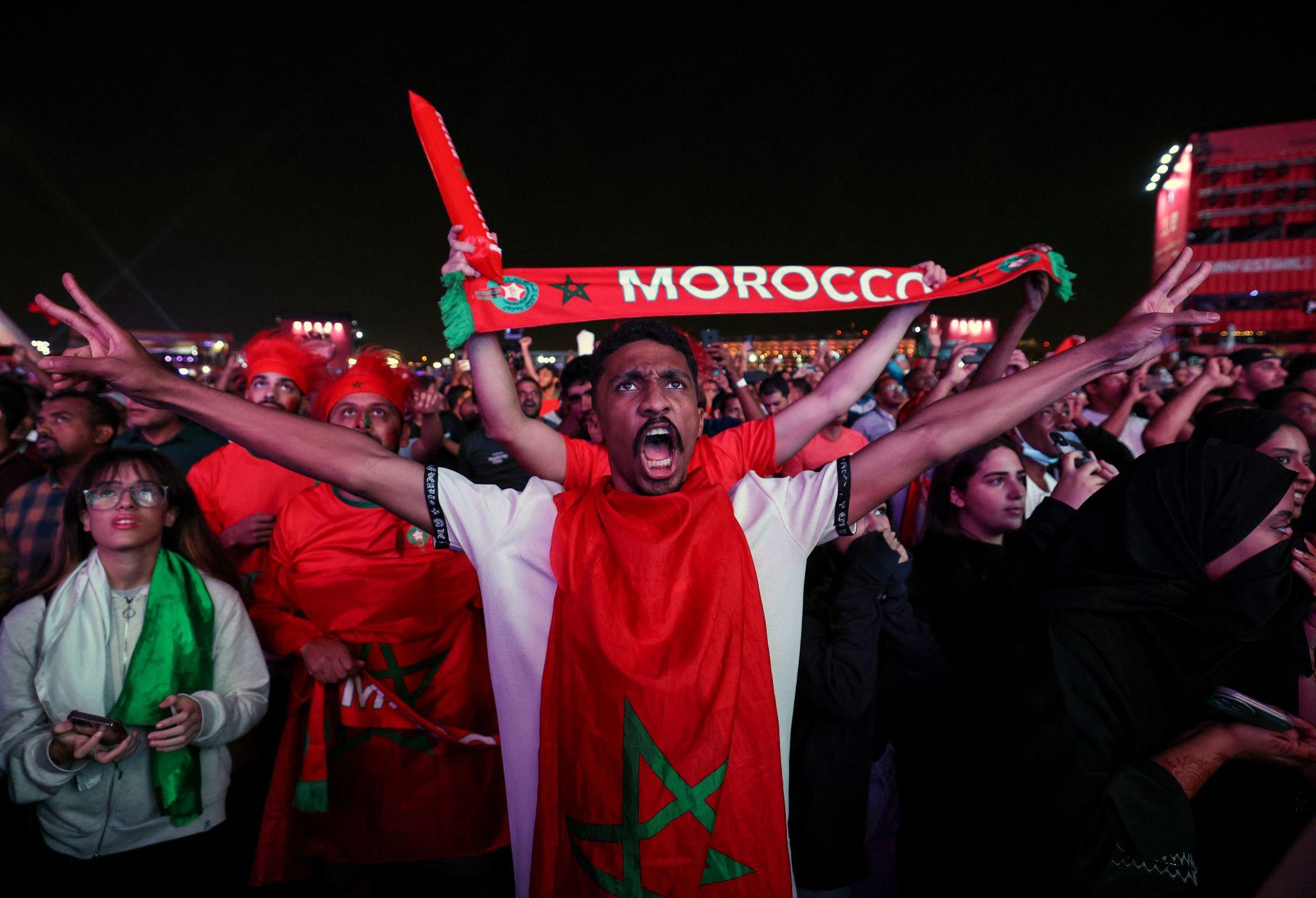
Forget the idea that the 2030 FIFA World Cup is only about football. For Morocco, Spain and Portugal, it is becoming something bigger — a tournament across continents, a bridge between Africa and Europe, a shared sporting project across the Mediterranean and a global moment that could show how football can connect countries, cultures and millions of fans.
Morocco’s Role Is Historic
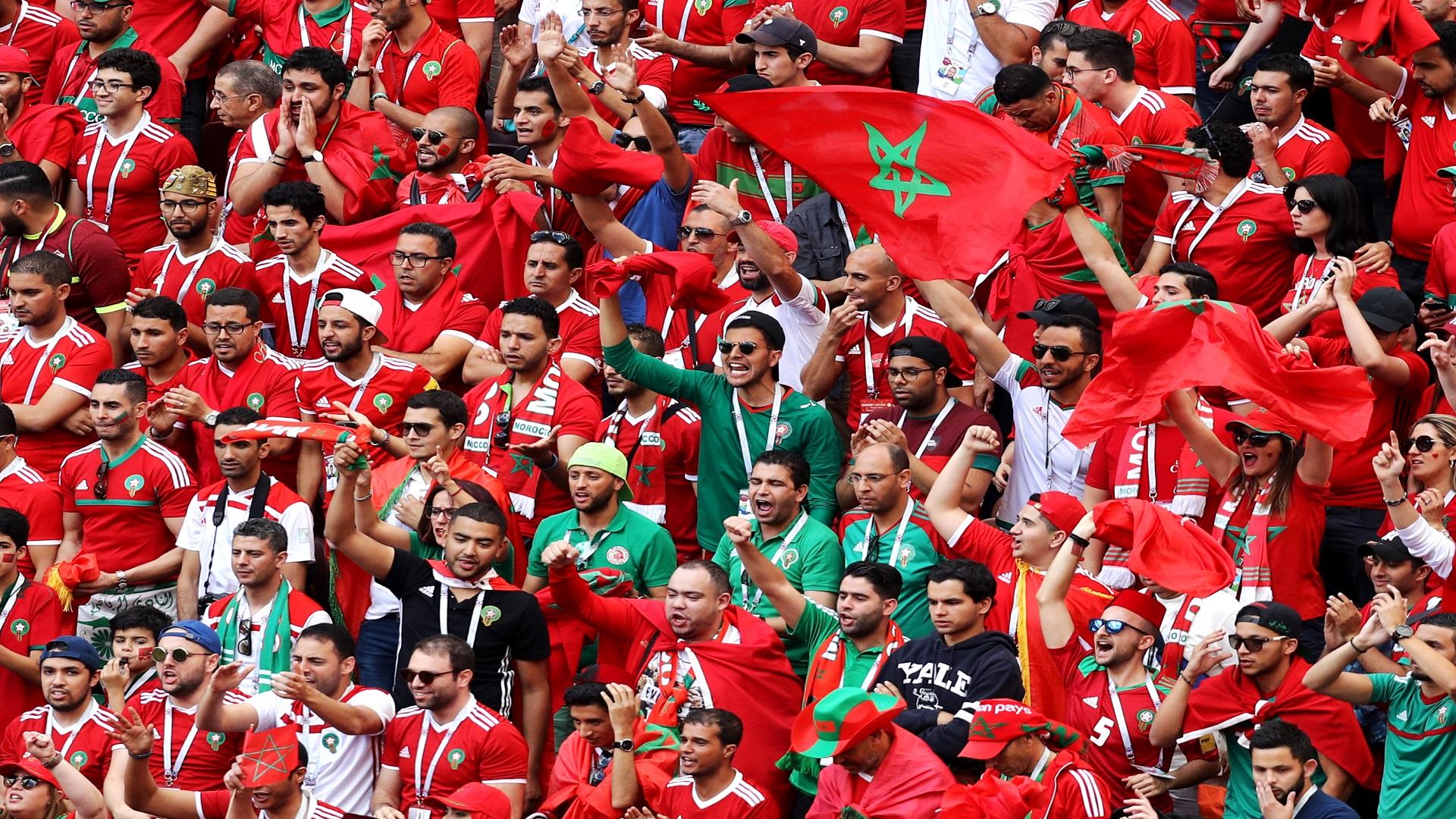
The 2030 FIFA World Cup will be hosted by Morocco, Spain and Portugal, with three centenary matches also planned in Argentina, Paraguay and Uruguay. For Morocco, hosting the World Cup is a historic moment — the country has chased this dream for years, and the 2030 tournament gives Morocco the chance to welcome the world on its own soil. That matters for football, tourism, national pride and for Africa. A World Cup partly hosted in Morocco means African fans will see the world’s biggest football tournament arrive on the continent again. Spain brings huge football weight to the project with iconic clubs, famous stadiums and a deep football culture from Madrid to Barcelona, Seville to Bilbao. Portugal brings its own football identity — producing global stars and passionate fans, with Lisbon and Porto already attracting tourists from around the world.
Football Becomes A Bridge
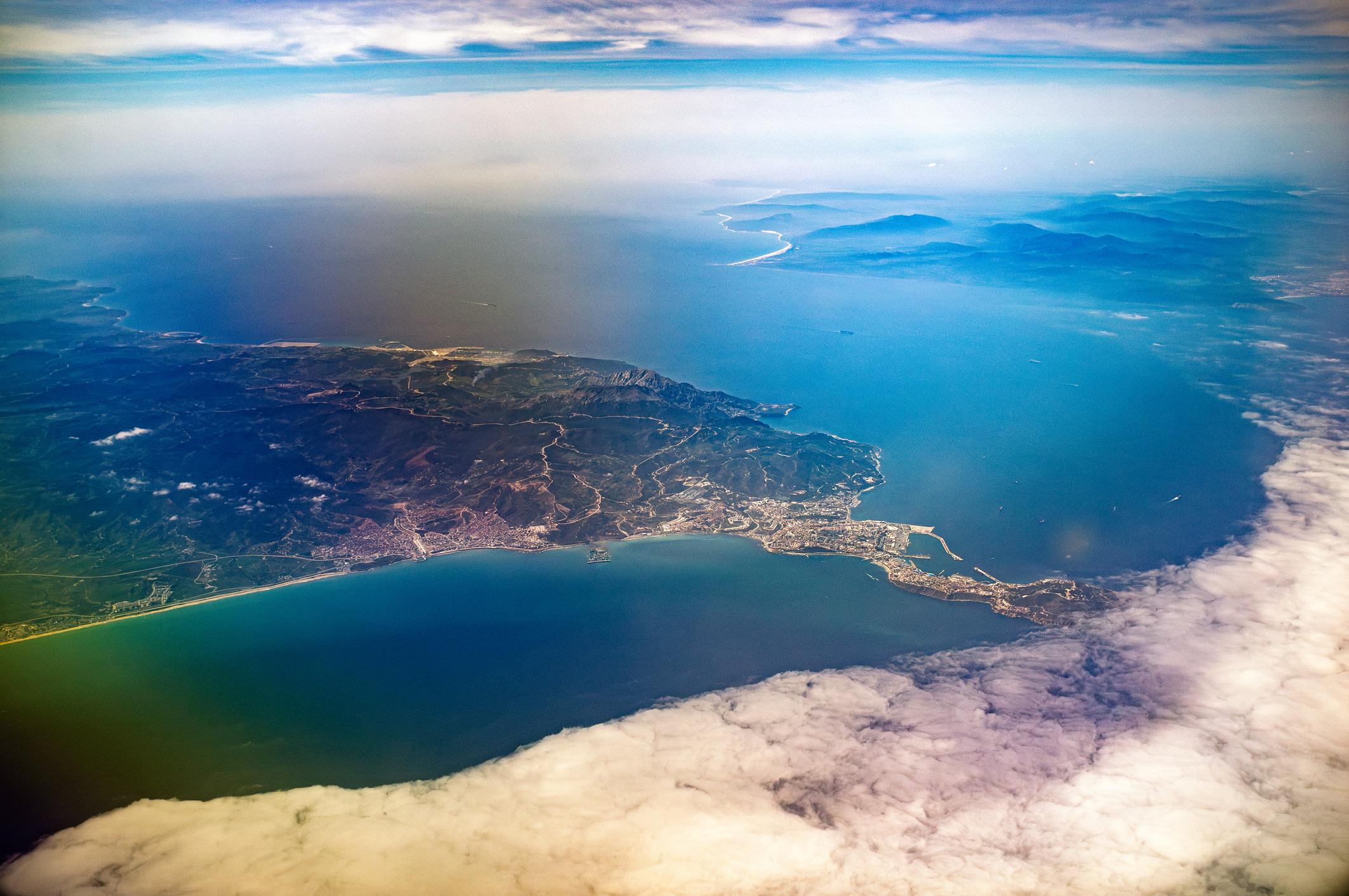
The 2030 World Cup map tells a bigger story. Morocco sits at the top of Africa. Spain and Portugal sit at the edge of Europe. Between them is the Mediterranean, the Atlantic and centuries of movement, trade, culture and football emotion. That geography makes the tournament feel different — fans could travel between countries that are close in distance but rich in contrast. Moroccan fans in Casablanca, Rabat, Tangier and Marrakech. Spanish fans in Madrid, Barcelona and Seville. Portuguese fans in Lisbon and Porto. Diaspora fans across France, Belgium, the Netherlands, Germany, Canada and the United States. All connected by one tournament.
A Chance To Show Modern Morocco
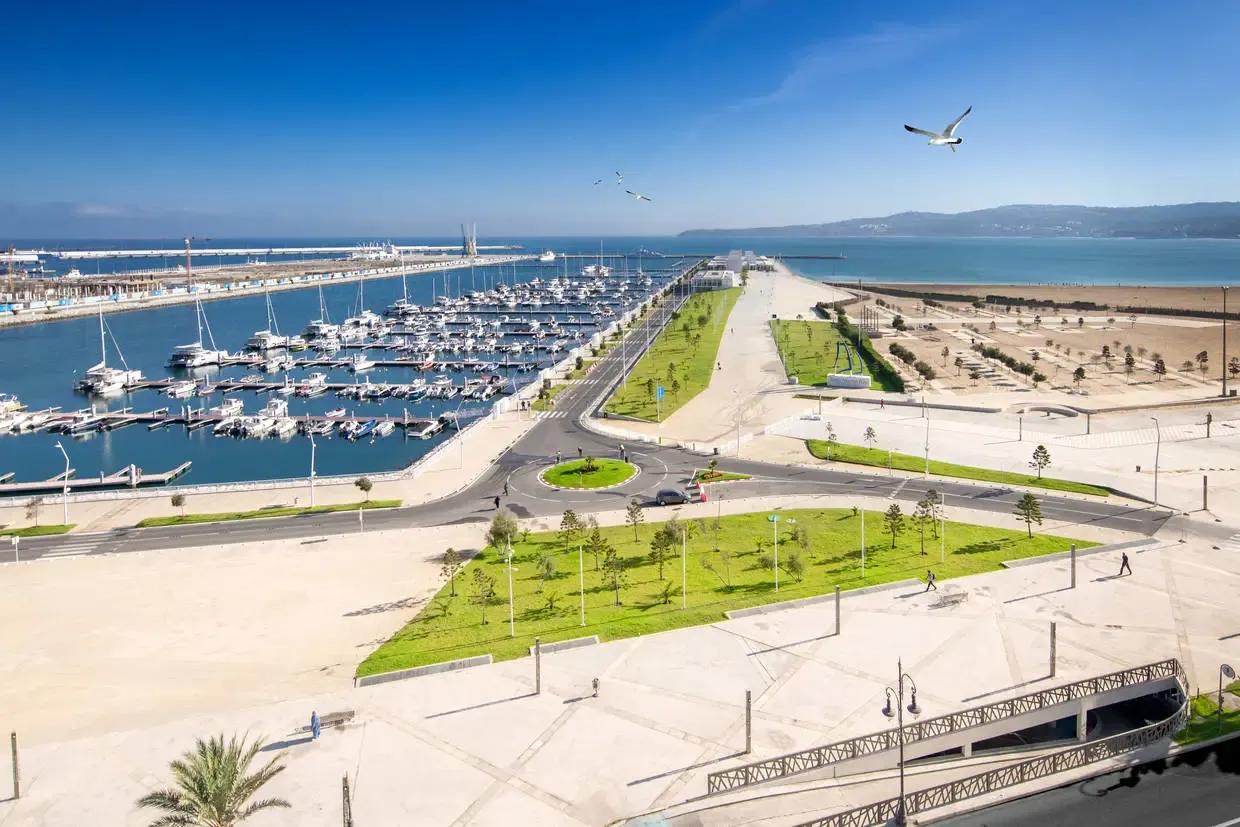
Morocco’s 2022 run changed how the world looked at Moroccan football — the Atlas Lions became the first African team to reach a World Cup semi-final, showing discipline, structure, belief and quality. At World Cup 2026, Morocco has already shown it can still create global attention with a strong opening performance against Brazil. A host country with a competitive national team creates a different kind of excitement. The tournament also gives Morocco a chance to show more than football — visitors will see airports, trains, hotels, restaurants, beaches, medinas and cities, seeing a country modernising while keeping a strong cultural identity. Cities such as Casablanca, Rabat, Marrakech, Tangier, Agadir and Fez stand to attract more international curiosity as 2030 approaches. A great World Cup is not built in the final month — it is built through years of preparation. The matches will last weeks. But the story could shape how millions of people see Morocco for years.