

Forget the idea that global trade is something only economists talk about — it can end up in your shopping basket. Fuel, wheat, transport, imported goods, energy bills and food prices can all shift when global tensions push up import costs. Morocco’s latest trade numbers show exactly how this works: the country’s trade deficit widened by 18.4% in the first four months of 2026, reaching 127 billion dirhams. Imports rose 12.7% year-on-year to 296 billion dirhams, while exports increased 8.7% to 169 billion dirhams.
Energy Is The Big Pressure Point
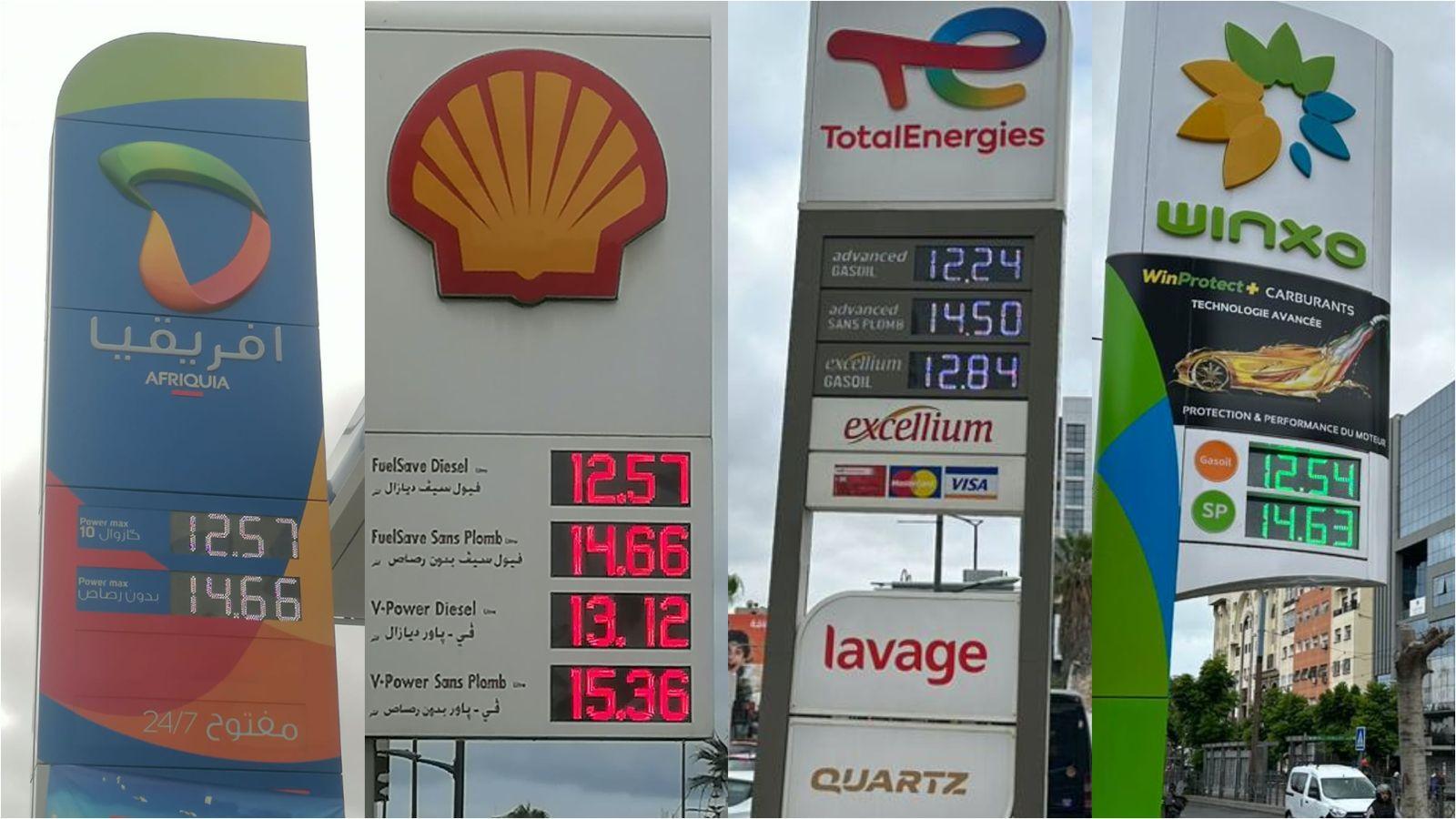
One of the biggest drivers was energy. Morocco’s energy import bill rose 12% to 41.8 billion dirhams in the first four months of 2026, linked by Reuters to fuel prices affected by tensions in the Middle East. That shows how quickly global events can travel — a family shopping in Casablanca, Rabat, Tangier, Marrakech or Agadir may feel far away from international conflict, but trade routes, oil markets and shipping costs connect everything. A shock in one region can affect fuel. Fuel can affect transport. Transport can affect prices. The OECD projects Morocco’s inflation to rise from 0.7% in 2025 to 3.2% in 2026, partly because of higher food and energy prices.
Wheat Also Matters For Moroccan Families
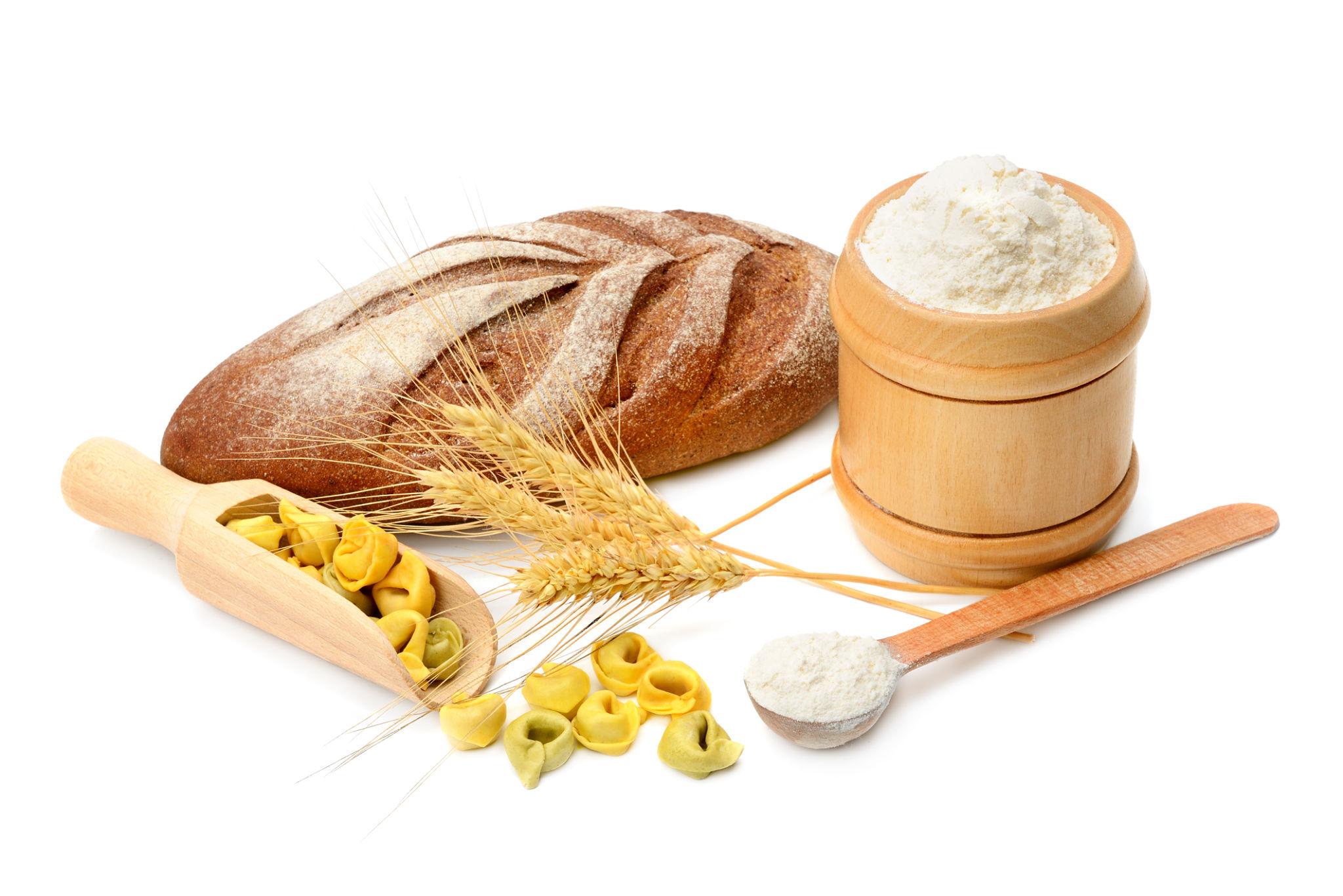
Wheat is another sensitive item. Morocco’s wheat imports rose 2% to 6.2 billion dirhams in the first four months of 2026 — this matters because wheat is linked to everyday food: bread, flour, bakery products and household staples. Food prices are never just numbers, they are daily reality. Prices move through chains: a higher fuel bill affects the cost of moving goods, a higher import bill affects wholesalers, higher wholesale costs affect retailers, and retailers can pass some of the cost to customers.
Exports Are Helping Too
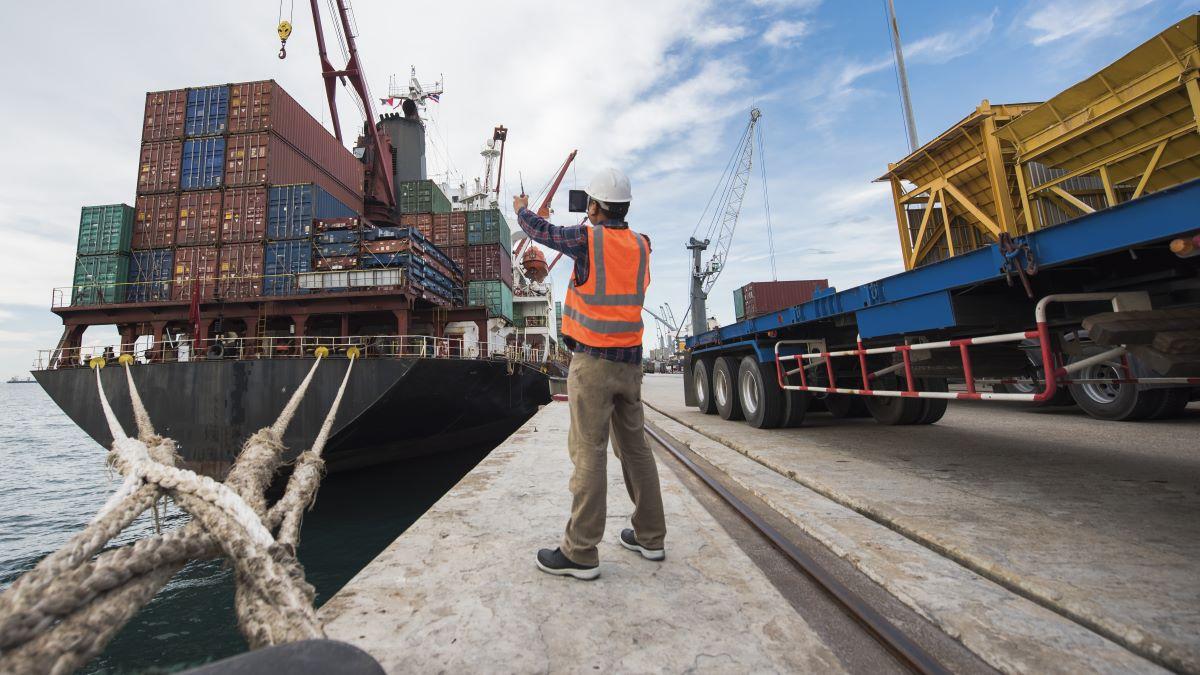
The picture is not only negative. Morocco also has strong export engines — the automotive sector remained the country’s leading export contributor, growing 18.6% to 58.2 billion dirhams. Tourism revenue rose 21.2% to 44.3 billion dirhams in the first four months of 2026. Remittances from Moroccans living overseas rose 9.8% to 4 billion dirhams. Exports bring money in, support factories, create jobs and help balance some of the pressure from imports. The message is not panic — it is awareness. In a connected world, global trade tension can move quickly from markets and shipping routes to the price of everyday shopping.