
Morocco’s economy has a big number in front of it.
5% growth.
That is the headline forecast for 2026 from the OECD, helped by stronger agriculture, major infrastructure investment and solid domestic demand.
But for ordinary families, one question matters more than any forecast.
Will growth make daily life feel better?
The 5% Number Is Strong
A 5% growth forecast is not small.
In a world where many economies are struggling with slow growth, high debt, weak consumer confidence and energy pressure, Morocco’s outlook looks solid.
The OECD expects Morocco’s economy to grow by 5.0% in 2026, before slowing to 3.9% in 2027.
That gives the Kingdom one of the stronger growth stories in the region.
But growth is only the beginning of the conversation.
The real test is what people feel in their pockets.
Agriculture Is Helping The Rebound
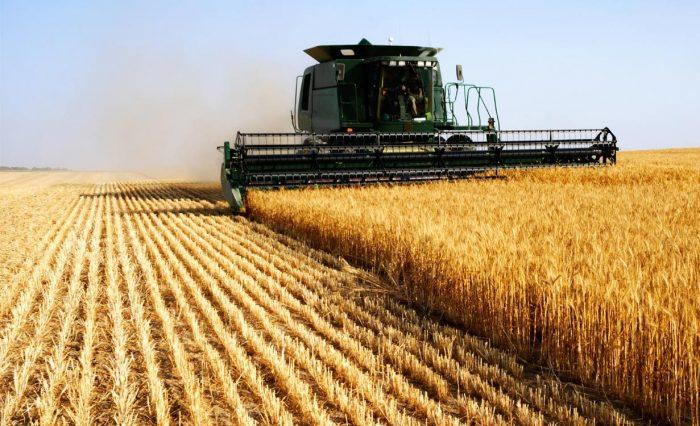
One reason for the stronger outlook is agriculture.
The OECD says abundant winter rains have refilled reservoirs and are supporting a rebound in agricultural output of around 15% in 2026.
That matters because agriculture is still deeply linked to Morocco’s economy.
It affects rural jobs.
It affects food supply.
It affects market prices.
It affects household confidence.
When agriculture improves, the country can feel it far beyond the farms.
But it also shows how sensitive Morocco remains to rainfall.
A good season can lift growth.
A bad one can hurt it.
Infrastructure Is Another Big Engine
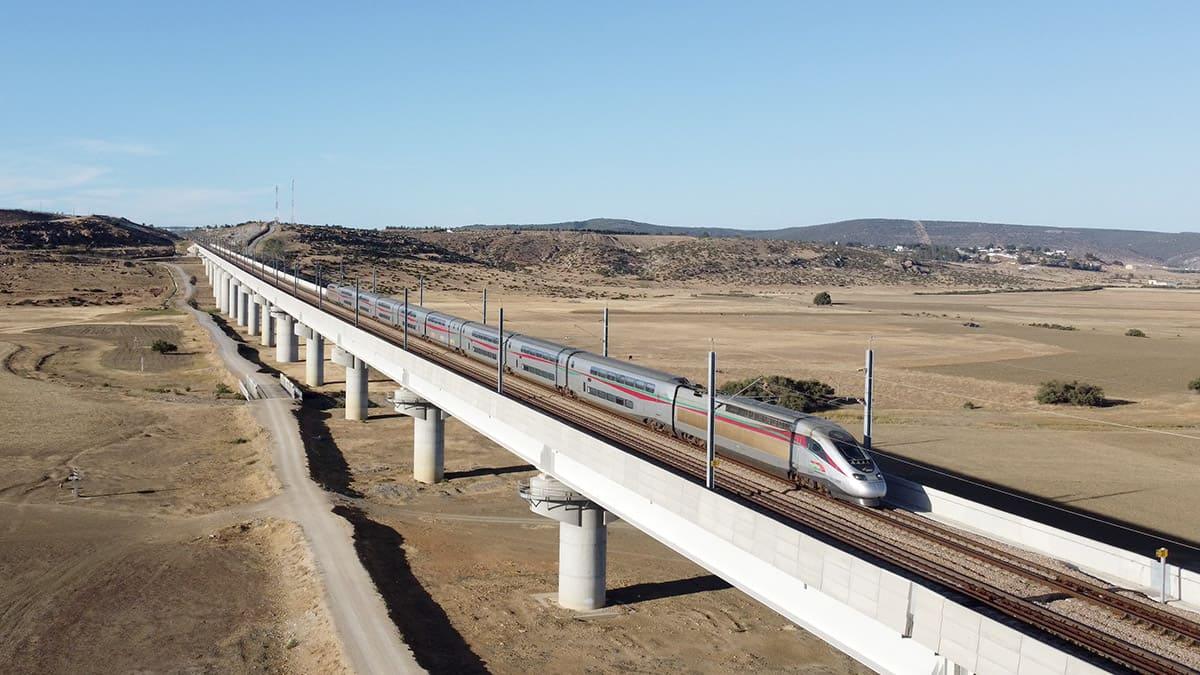
Morocco is also investing heavily in infrastructure.
Roads.
Ports.
Railways.
Airports.
Stadiums.
Water projects.
Industrial zones.
These projects are linked to long-term development and the countdown to the 2030 FIFA World Cup, which Morocco will co-host with Spain and Portugal.
Infrastructure can create jobs and improve productivity.
It can also make cities more connected and business easier.
But people will judge these projects by their effect on real life.
Do they create work?
Do they improve transport?
Do they help small businesses?
Do they lift local incomes?
That is what matters.
Jobs Are The Real Scoreboard
Economic growth is good.
But jobs are the real scoreboard.
A country can grow on paper while many young people still struggle to find stable work.
That is why the employment question is central to Morocco’s next chapter.
The World Bank has said Morocco could generate 1.7 million additional jobs by 2035 and raise real GDP by close to 20% above baseline if strong reforms are implemented.
That is a major opportunity.
But it also shows the size of the challenge.
Growth must become employment.
Otherwise, the headline number will not feel real to millions of people.
Young People Need To Feel The Change
For young Moroccans, the economy is not an abstract debate.
It is a job interview.
A salary.
A rent payment.
A transport bill.
A decision to stay, move city or look abroad.
Morocco’s youth need more than big projects.
They need pathways.
Training.
First jobs.
Skills.
Entrepreneurship support.
Better links between education and the labour market.
If growth does not reach young people, frustration can grow even during positive economic periods.
That is why jobs remain the biggest test.
Living Standards Are The Hard Part
Even when GDP rises, families can still feel pressure.
Food prices.
Rent.
Fuel.
School costs.
Healthcare.
Transport.
Electricity.
A growing economy does not automatically mean every household feels richer.
The OECD expects inflation in Morocco to rise to 3.2% in 2026, partly due to food and energy prices, before falling back in 2027.
That matters because inflation eats into purchasing power.
If salaries do not rise fast enough, people may not feel the benefit of growth.
The Market Basket Still Matters
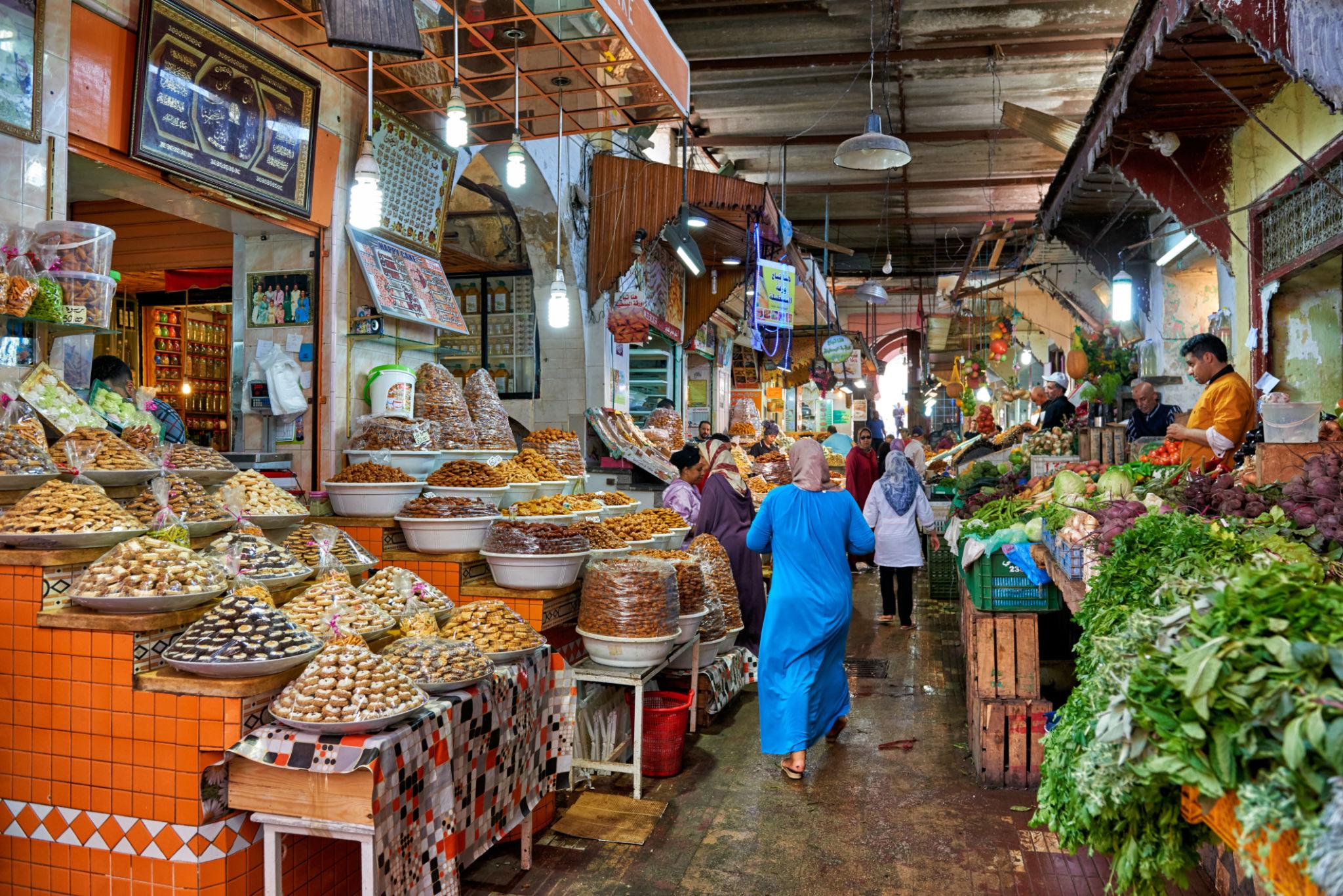
For Moroccan families, the economy often begins at the market.
Chicken.
Vegetables.
Fruit.
Flour.
Oil.
Milk.
Fish.
Meat.
These are the real indicators people watch every week.
A growth forecast may look good in a report.
But if the market basket feels expensive, families will still feel squeezed.
That is why living standards are more emotional than GDP.
People do not live inside statistics.
They live inside budgets.
Cities And Villages Feel Growth Differently
Another challenge is geography.
Growth can feel different in Casablanca than in a small town.
Different in Tangier than in a rural village.
Different in Rabat than in the mountains.
Big cities may benefit first from infrastructure, services and investment.
But rural areas need jobs, roads, schools, health access and water security too.
For growth to feel fair, it must spread.
That is one of Morocco’s most important development tests.
Private Investment Needs To Do More
Public investment is powerful, but private investment is also essential.
A state can build roads and ports.
But companies create many of the jobs people need.
Factories.
Hotels.
Call centres.
Shops.
Tech companies.
Farms.
Logistics firms.
Construction suppliers.
Restaurants.
Morocco’s challenge is to make private investment broader, stronger and more job-rich.
That means supporting small and medium-sized businesses, not only major projects.
A strong economy needs both.
The World Cup Could Add Momentum
The 2030 World Cup can help.
It is already pushing attention toward airports, hotels, stadiums, transport and tourism.
That can create opportunities across construction, services, events, security, hospitality and logistics.
But the World Cup should not be seen only as a football event.
It can be an economic deadline.
A chance to upgrade infrastructure.
A chance to train workers.
A chance to improve service quality.
A chance to prepare cities for long-term tourism growth.
The key is making sure the benefits last after the tournament.
Growth Must Reach The Dinner Table
This is the simple test.
Does growth reach the dinner table?
Does it help a father find work?
Does it help a young graduate stay hopeful?
Does it help a small shop sell more?
Does it make transport easier?
Does it make rent manageable?
Does it give families confidence for the future?
If the answer is yes, the 5% number will matter.
If not, it will feel distant.
Morocco Has The Momentum
The positive side is clear.
Morocco has momentum.
Agriculture is rebounding.
Infrastructure is expanding.
Tourism is strong.
Industry is growing.
The country is preparing for 2030.
International institutions are watching the Kingdom closely.
These are real strengths.
But the next stage is harder.
The country must turn momentum into inclusive progress.
That means more jobs, better wages and stronger living standards.
The Final Whistle
Morocco’s 5% growth forecast for 2026 is a strong economic signal.
The OECD expects the rebound to be supported by agriculture, investment and domestic demand, while the World Bank says deeper reforms could help Morocco create 1.7 million additional jobs by 2035.
But the real test is not only GDP.
It is whether families feel more secure, young people find better work and living standards improve in daily life.
Growth is the headline.
Jobs and household confidence are the score.