
Morocco’s fertilizer power is back in the global spotlight.
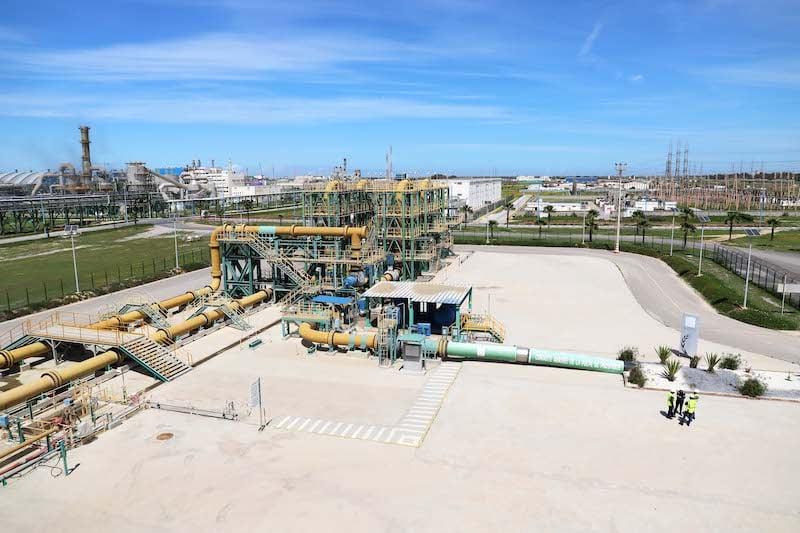
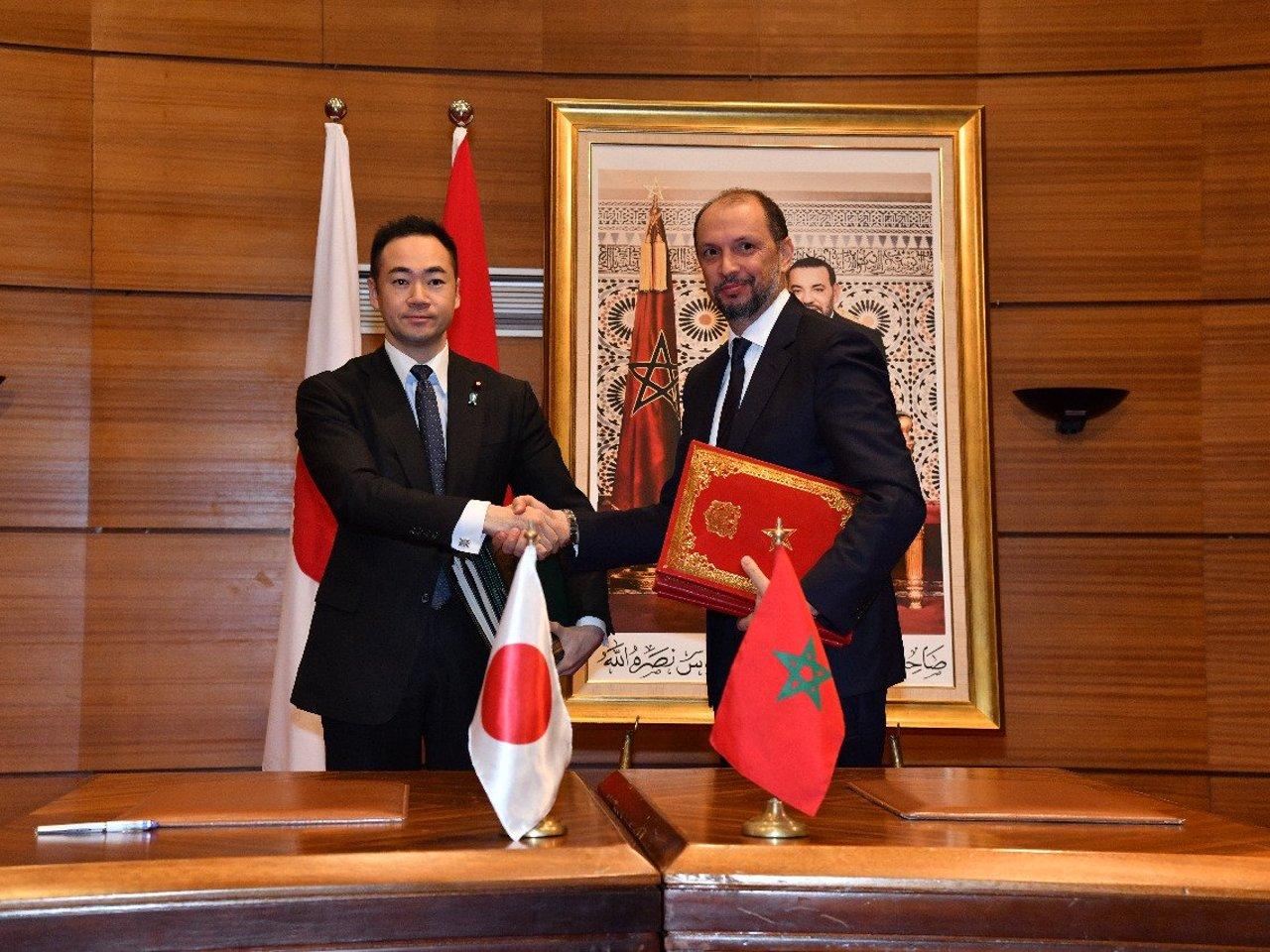
Japanese Agriculture Minister Norikazu Suzuki visited OCP Group’s industrial platform in Jorf Lasfar, highlighting the growing importance of Morocco-Japan cooperation in agriculture, fertilizer supply and food security.
This is not only a diplomatic photo opportunity.
It is a money story.
Because in today’s world, fertilizer is no longer just a farm input.
It is strategic.
Why This Visit Matters
When a senior Japanese agriculture official visits an OCP industrial platform, the message is clear.
Food security is now a global priority.
Countries want stable supply chains.
Farmers need reliable access to nutrients.
Governments want partners they can trust.
And Morocco, through OCP Group, sits at the centre of that conversation.
The visit to Jorf Lasfar shows how Morocco’s phosphate and fertilizer industry is becoming part of international economic security.
OCP Is Not Just A Moroccan Company
OCP Group is one of Morocco’s most important economic champions.
It is also one of the world’s major players in phosphate fertilizers.
That gives Morocco a strategic role in global agriculture.
Phosphates help crops grow.
Crops feed people.
Food security depends on supply.
That connection makes OCP much more than a mining or industrial company.
It is part of the global food chain.
Jorf Lasfar Is A Strategic Platform
The choice of Jorf Lasfar matters.
This is one of OCP’s key industrial platforms, linked to phosphate processing, fertilizer production and export capacity.
It is not a symbolic location.
It is where industrial scale becomes visible.
For a country like Japan, which depends heavily on imported raw materials and secure supply chains, seeing this platform up close matters.
It turns a trade relationship into something concrete.
Ships.
Factories.
Production lines.
Storage.
Logistics.
That is where food security becomes real.
Japan Needs Reliable Agricultural Inputs
Japan is a major advanced economy, but it does not have unlimited natural resources.
Like many countries, it depends on imports for key parts of its food and agricultural supply chain.
Fertilizers are part of that equation.
If fertilizer supply becomes unstable, farmers face higher costs and production risks.
That can affect food prices and food security.
This is why Japan’s interest in Morocco is logical.
Morocco has what many countries need: phosphate resources, processing capacity and a growing industrial platform.
Morocco Gains Strategic Weight
For Morocco, fertilizer diplomacy strengthens its international position.
The Kingdom is not only exporting products.
It is exporting security.
That is a powerful shift.
When countries talk to Morocco about fertilizer, they are not only discussing tonnes and prices.
They are discussing agricultural stability.
They are discussing supply resilience.
They are discussing long-term partnerships.
That gives Morocco economic and diplomatic weight at the same time.
Food Security Is Now A Global Anxiety
The world has learned a hard lesson in recent years.
Food systems are fragile.
Wars, energy shocks, shipping disruptions, droughts, export restrictions and climate change can all hit food supply chains.
Fertilizer prices can move quickly.
Farmers can be squeezed.
Consumers can feel the result at the market.
That is why fertilizer has become a strategic product.
It sits quietly behind the food people buy every day.
But when it becomes scarce or expensive, everyone eventually feels it.
Morocco And Japan Are Deepening Ties
The visit also comes as Morocco and Japan mark 70 years of diplomatic relations in 2026.
That timing matters.
A diplomatic anniversary is one thing.
A practical economic partnership is another.
The two countries are showing that their relationship can move beyond ceremony into concrete cooperation.
Agriculture.
Food security.
Fertilizer.
Trade.
Investment.
These are the areas where relationships become useful.
The May Communiqué Already Pointed This Way
The direction was already visible earlier this year.
A joint communiqué between Morocco and Japan welcomed commitments by relevant Moroccan and Japanese entities regarding the supply of phosphate fertilizers to Japan.
That gave the relationship a strategic economic layer.
Now the visit to OCP’s Jorf Lasfar platform makes that cooperation more visible.
It shows continuity.
Not one meeting.
Not one statement.
A developing partnership.
Why Fertilizer Is A Money Story
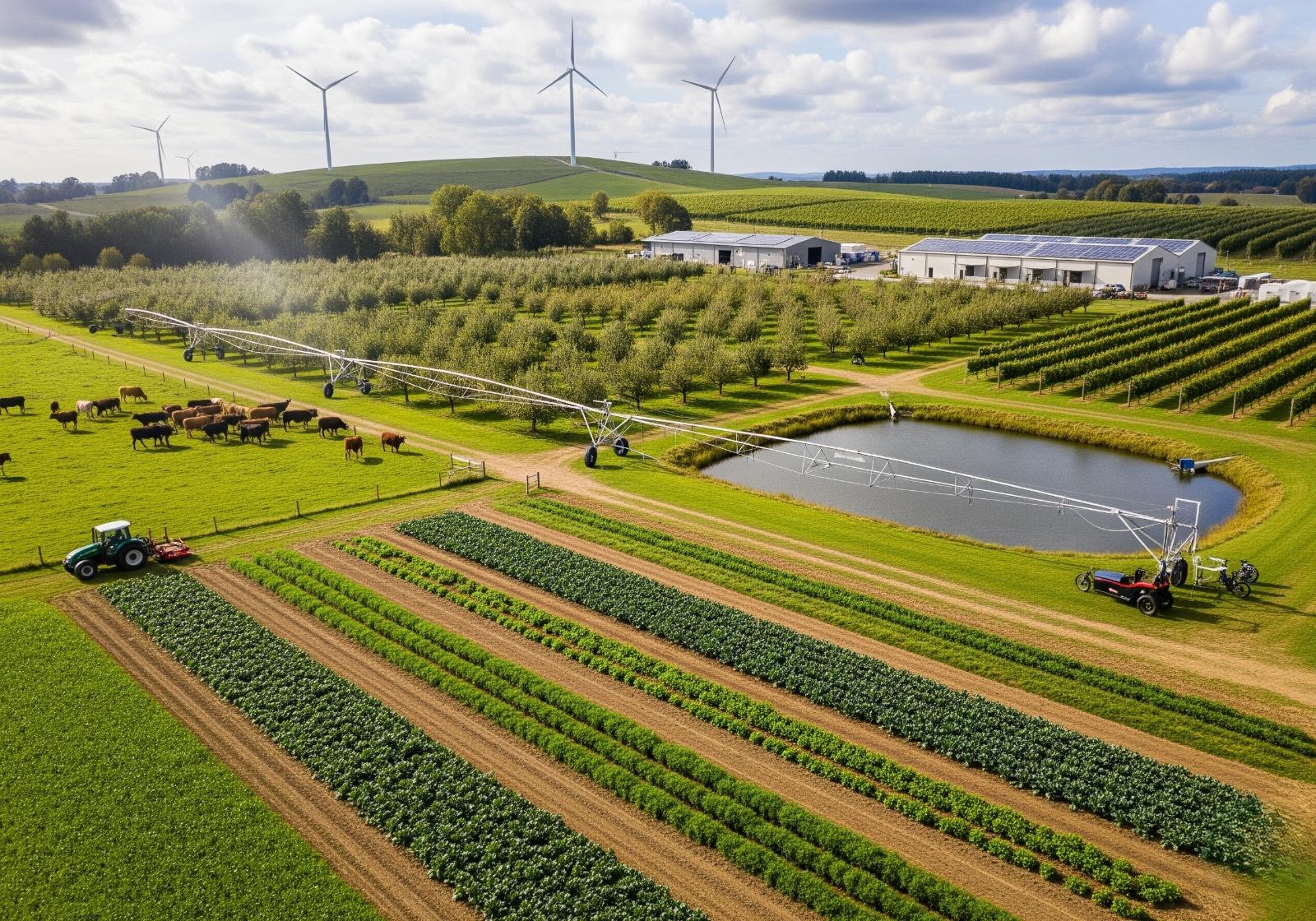
Fertilizer may not sound exciting.
But it is a major business story.
It affects global trade.
It affects commodity prices.
It affects farmers’ costs.
It affects food inflation.
It affects export revenues.
It affects industrial investment.
For Morocco, the sector also supports jobs, ports, chemical processing, transport and foreign currency earnings.
That is why a fertilizer partnership with Japan belongs in the Money category.
It is economics with global consequences.
OCP’s Expansion Plans Add Scale
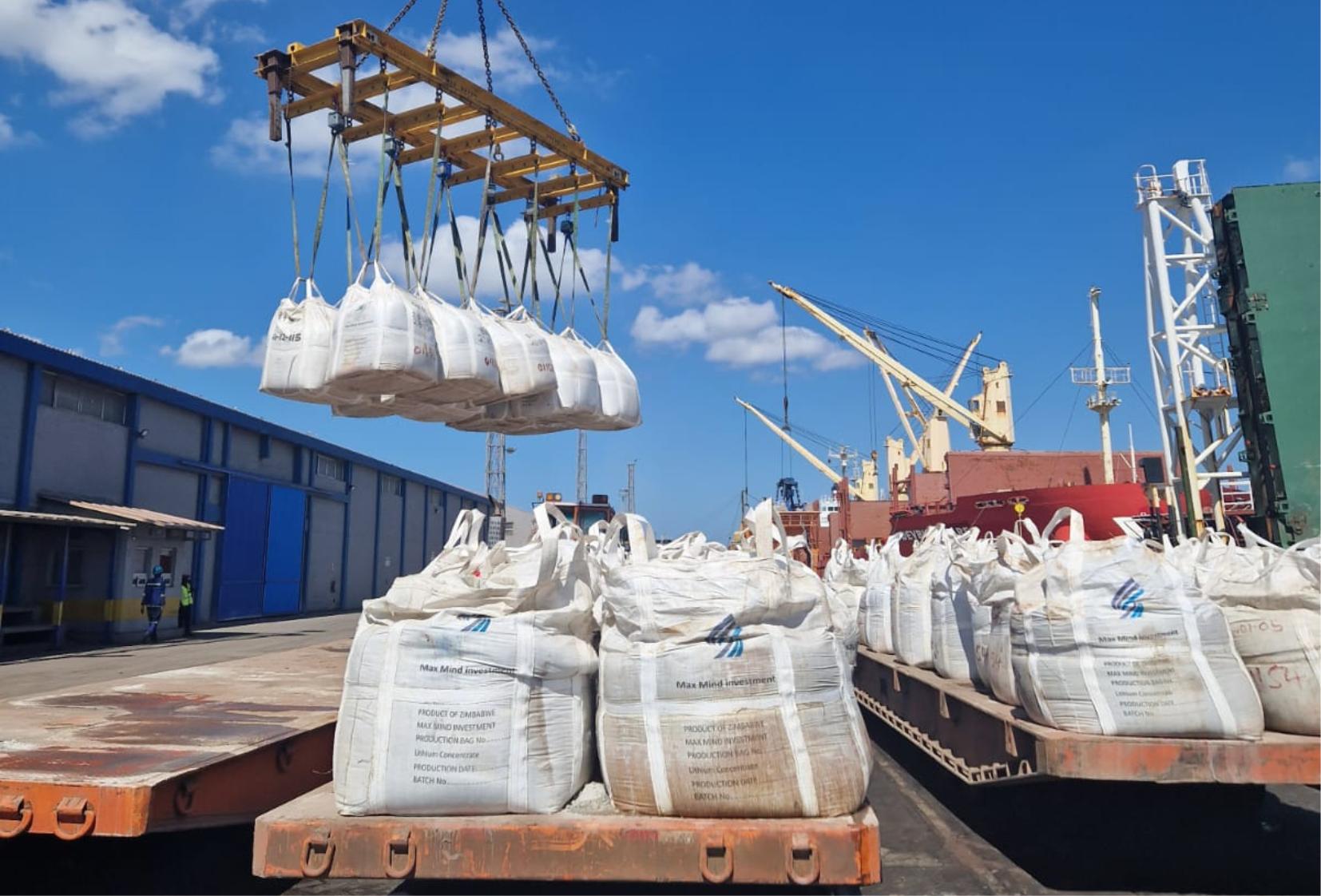
OCP has stated that by 2027, it intends to increase annual production capacity from 15 million tons of phosphate-based fertilizers to 20 million tons of fully sustainable plant nutrition solutions and phosphate-based fertilizers.
That scale matters.
Countries looking for long-term partners want capacity.
They want reliability.
They want a supplier that can grow with demand.
If OCP expands successfully, Morocco’s role in global food security could become even more important.
Africa Also Fits The Story
OCP’s global role is not only about Japan.
The company is also active across Africa, where fertilizer access remains a major agricultural challenge.
Many African farmers use less fertilizer than global averages, limiting yields and food production.
Morocco’s fertilizer industry can support African agriculture while also serving partners in Asia, Europe and the Americas.
That gives the Kingdom a wider role.
It can connect resource power with development needs.
The Green Question Is Growing
The fertilizer industry also faces pressure to become cleaner.
Energy use, emissions, water use and sustainability are increasingly important.
OCP has been positioning itself around more sustainable production and plant nutrition solutions.
That matters for international partners like Japan, where sustainability standards and supply-chain responsibility are important.
The future fertilizer market will not only be about volume.
It will be about cleaner, smarter production too.
This Is Morocco’s Quiet Power
Not all power is loud.
Some power comes from controlling something the world needs.
Food needs agriculture.
Agriculture needs fertilizer.
Fertilizer needs phosphate.
Morocco has a major place in that chain.
That is quiet power.
It does not always look dramatic.
But it matters deeply to governments, farmers and consumers around the world.
Japan’s visit to OCP is a reminder of that.
The Final Whistle
Japan’s visit to OCP Group’s Jorf Lasfar platform puts Morocco back at the centre of the food security conversation.
With Norikazu Suzuki, Japan’s Agriculture Minister, visiting one of Morocco’s key fertilizer platforms, the message is clear: fertilizer supply is now strategic.
For Japan, Morocco offers a reliable partner in agricultural inputs.
For Morocco, OCP strengthens the Kingdom’s economic and diplomatic weight.
In a world worried about food prices, farming costs and supply shocks, Morocco’s phosphate power is no longer only an industrial story.
It is food security diplomacy.