
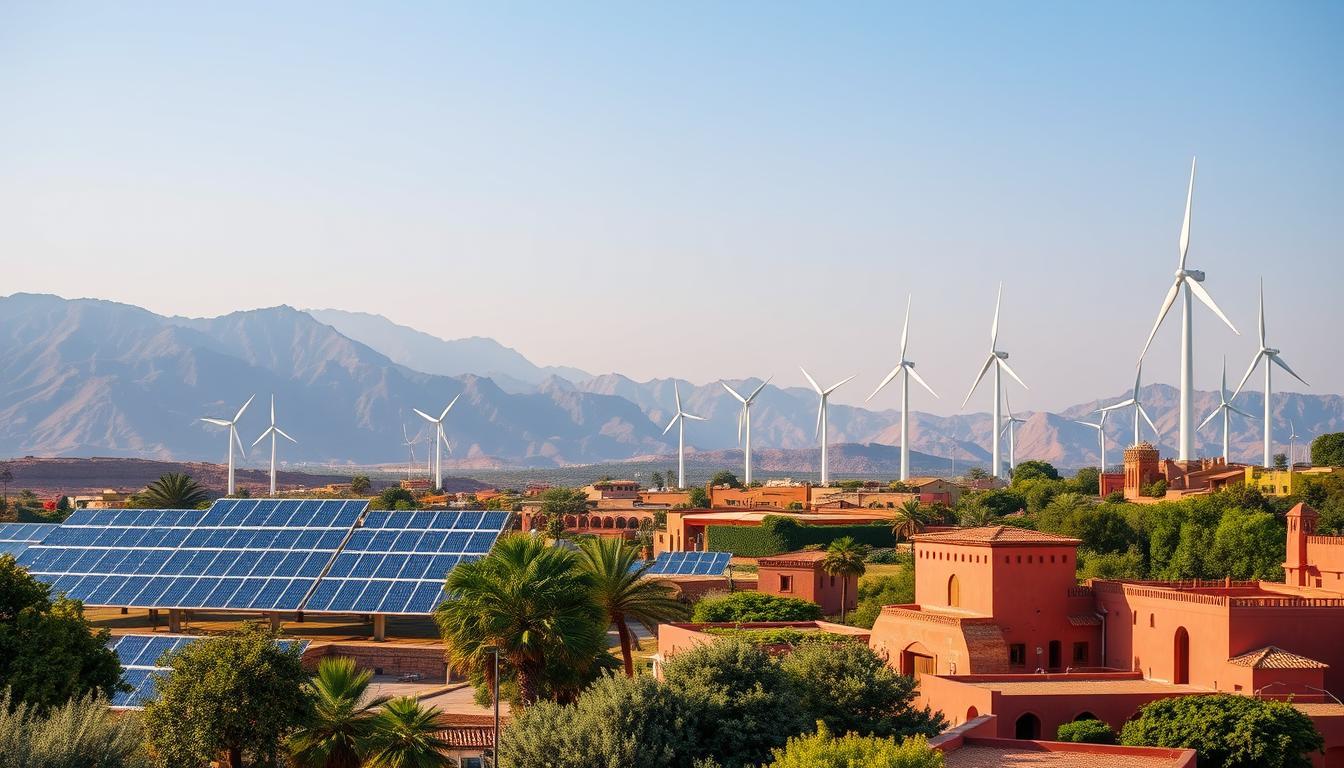
Morocco likes to be seen as a green energy leader.
Solar power.
Wind farms.
Green hydrogen plans.
Electric mobility.
Big climate ambitions.
But one new ranking shows the story is more complicated.
Morocco has placed 72nd in the World Economic Forum’s Energy Transition Index 2026, with a score of 54.5 points.
That position is not a disaster.
But it is a reminder.
The energy transition is not only about big projects.
It is about performance, readiness, affordability, security and how fast a country can turn ambition into daily reality.
The Ranking Puts Morocco In The Middle Of The Pack
The Energy Transition Index 2026 tracks 120 countries.
It measures how energy systems perform today and whether the conditions are in place for future progress.
Morocco’s 72nd place shows a country with real ambition, but also work still to do.
That is why the ranking matters.
It does not erase Morocco’s green progress.
It tests it.
And for a country trying to attract investment, build industry and prepare for 2030, tests like this are important.
Why 72nd Place Still Gets Attention
Some rankings are easy to ignore.
This one is not.
Energy touches everything.
Factories.
Transport.
Hotels.
Homes.
Farms.
Water projects.
Ports.
Digital services.
Airports.
Stadiums.
If energy is expensive, unreliable or slow to modernise, the whole economy feels it.
That is why Morocco’s position in the index is a money story.
Energy transition is no longer only about climate.
It is about competitiveness.
Morocco Has A Strong Green Image
Morocco’s green reputation did not appear from nowhere.
The Kingdom has invested heavily in renewable energy, especially solar and wind.
The Noor Ouarzazate solar complex became one of the country’s best-known climate symbols.
Wind projects have expanded.
Morocco has also set a target for renewables to represent more than half of installed electricity capacity by 2030.
That gives the country a clear image.
But rankings ask a harder question.
Is the whole system moving fast enough?
Ambition And Execution Are Not The Same Thing
This is the key point.
A country can have strong ambition and still face execution challenges.
Building renewable capacity takes time.
Grid upgrades take time.
Storage takes time.
Financing takes time.
Industrial decarbonisation takes time.
Regulation takes time.
Consumer behaviour takes time.
That is why Morocco’s ranking should not be seen as a failure.
It should be seen as a progress check.
The target is visible.
The hard part is getting there.
Energy Security Is A Big Issue
Morocco still imports much of its energy needs.
That makes energy security a major concern.
When global energy prices rise, countries that depend on imports can feel the shock quickly.
Businesses face higher costs.
Transport becomes more expensive.
Households feel pressure.
Government budgets can come under strain.
That is why domestic renewable energy matters so much for Morocco.
Every extra local clean-energy project can help reduce exposure to global volatility.
Affordability Matters For Families
Energy transition is not only about green targets.
It must also be affordable.
Families care about electricity bills.
Businesses care about production costs.
Farmers care about pumping and irrigation costs.
Hotels care about air conditioning and water heating.
Restaurants care about cooking, refrigeration and lighting.
If the transition raises costs too sharply, people resist it.
If it lowers costs and improves reliability, people support it.
That balance is one of Morocco’s biggest challenges.
Industry Needs Clean And Reliable Power
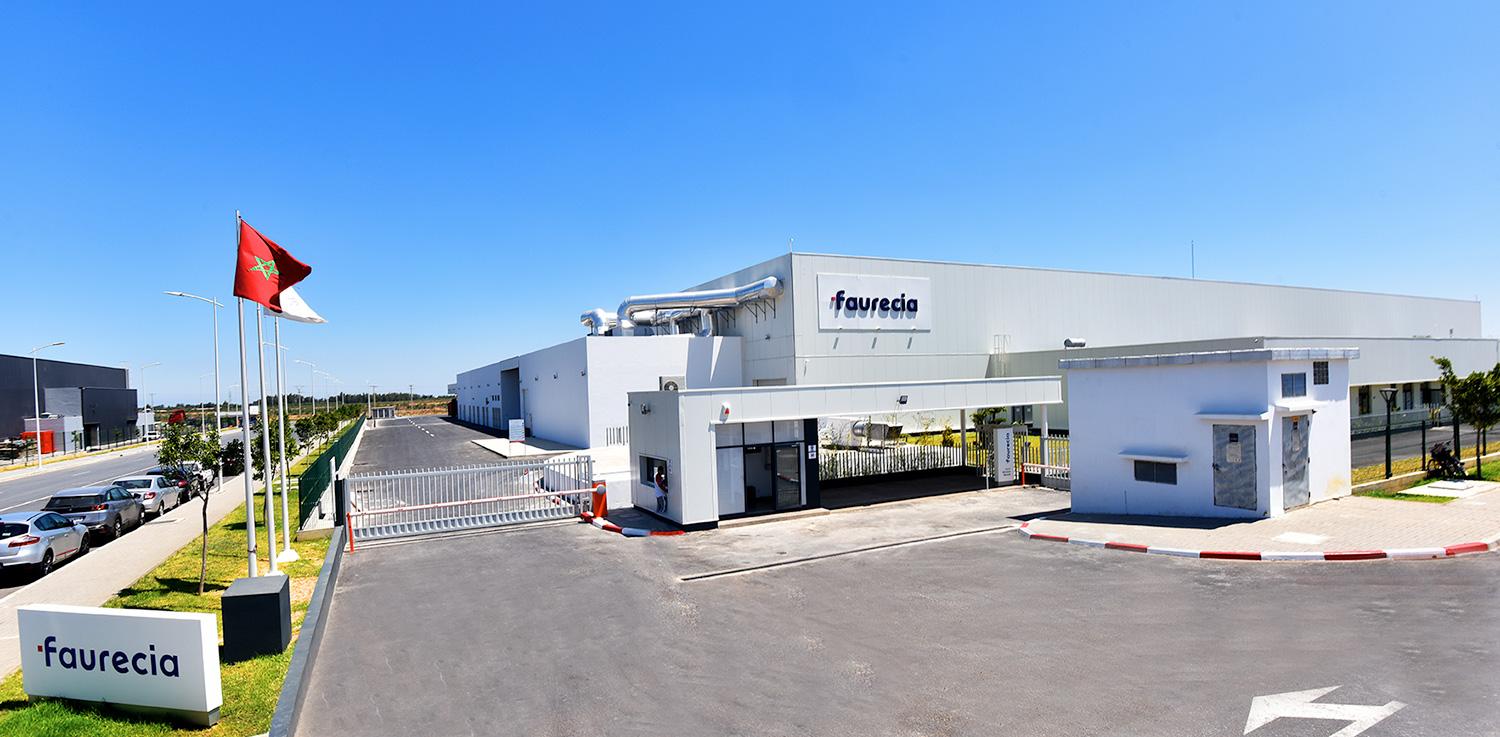
Morocco’s industrial ambitions depend on energy.
Automotive factories.
Aerospace suppliers.
Textiles.
Fertilizers.
Ports.
Data centres.
Desalination plants.
Cold storage.
All of them need electricity.
And increasingly, global companies want cleaner electricity too.
European carbon rules and corporate sustainability targets make this more important every year.
If Morocco can offer reliable and cleaner energy, it becomes more attractive to investors.
That is where the energy ranking connects directly to business.
Desalination Makes The Energy Question Bigger
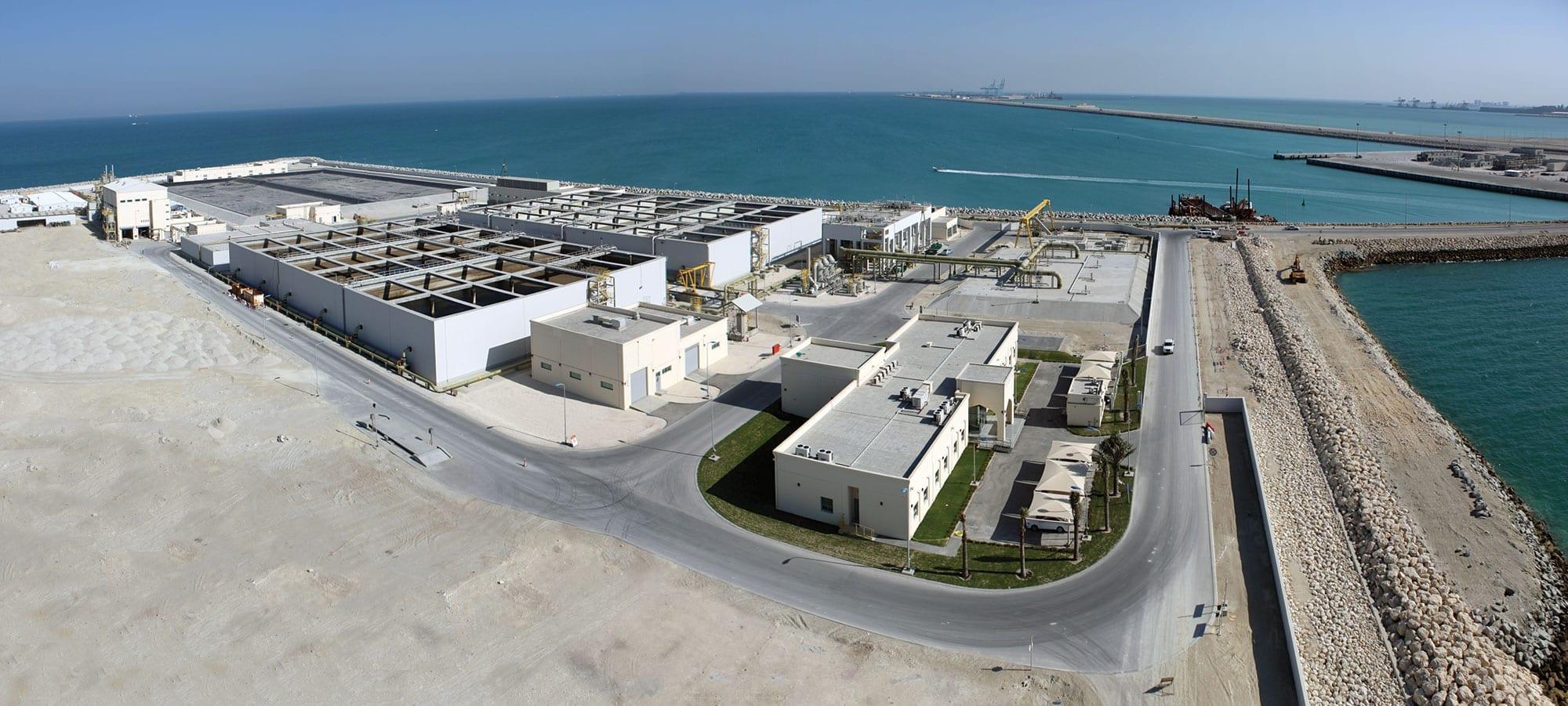
Morocco’s water strategy is also linked to energy.
Desalination plants can help protect drinking water supply, especially in coastal cities.
But desalination needs power.
That means the water transition and energy transition are connected.
A country that wants more desalinated water needs to think carefully about electricity, renewables and operating costs.
This is why energy transition is not a separate file.
It connects to water, food, tourism, industry and urban life.
Green Hydrogen Is The Big Future Bet
Morocco is also positioning itself in the green hydrogen race.
The logic is clear.
Strong renewable potential.
Good location.
Links to Europe.
Industrial land.
Port infrastructure.
Export ambition.
Green hydrogen could eventually support fertilizers, industry, transport and exports.
But it is still a difficult global sector.
Costs remain high.
Projects are complex.
Markets are still forming.
So green hydrogen is promising, but it cannot be treated as an easy win.
Investors Watch Rankings Like This
Global investors look at signals.
Rankings.
Regulations.
Grid quality.
Project pipelines.
Political stability.
Energy prices.
Financing conditions.
Permits.
Morocco’s 72nd place may not scare investors away.
But it does show where questions remain.
How fast can the grid expand?
How reliable is the regulatory framework?
How bankable are projects?
How strong is storage?
How quickly can clean power reach factories?
These are business questions, not only climate questions.
The 2030 Deadline Adds Pressure
Morocco is preparing to co-host the 2030 FIFA World Cup with Spain and Portugal.
That means more pressure on infrastructure.
Airports.
Hotels.
Transport.
Stadiums.
Lighting.
Cooling.
Water systems.
Digital services.
All of these need energy.
A modern World Cup image needs a modern energy system behind it.
That gives Morocco extra motivation to accelerate.
The clock to 2030 is not far away.
Regional Competition Is Real
Hespress reported that Morocco trailed several regional peers in the 2026 index, including the United Arab Emirates, Saudi Arabia, Qatar, Tunisia and Jordan.
That matters because energy transition is also a competition for capital.
Countries are trying to attract clean-tech investors, green industrial projects and climate finance.
If Morocco wants to lead, it must keep improving.
A strong reputation helps.
But a stronger system wins.
The Good News Is Momentum
The good news is that Morocco has momentum.
It has years of renewable experience.
It has strong solar and wind resources.
It has major ports.
It has industrial zones.
It has a strategic location near Europe.
It has companies like OCP thinking seriously about cleaner production and green inputs.
That gives Morocco a strong base.
The ranking does not say Morocco has no future.
It says the future still needs work.
The Real Test Is The Grid
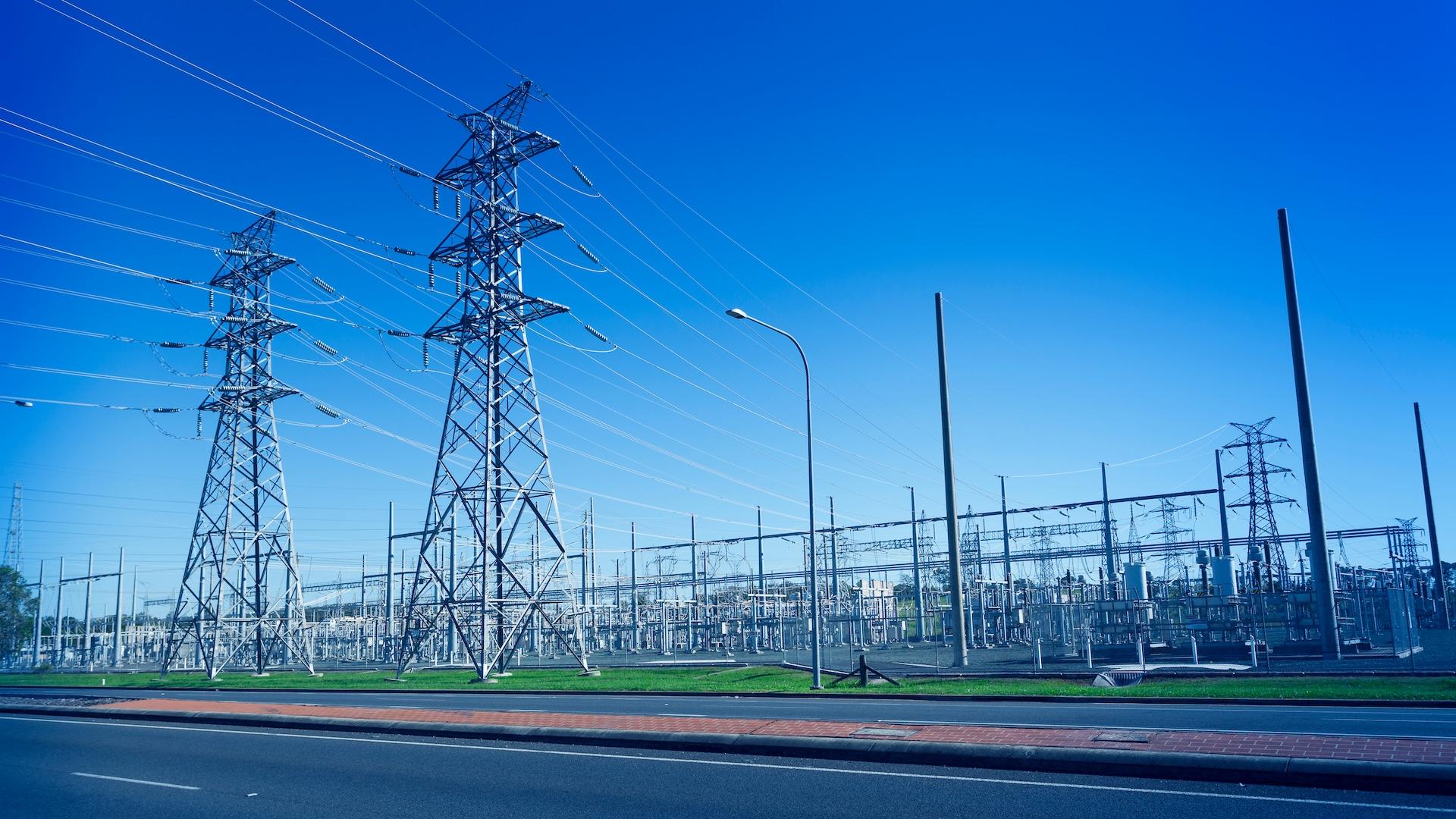
One of the biggest hidden issues in every energy transition is the grid.
Renewable power is useful only if it can move where it is needed.
Factories need connections.
Cities need reliability.
Rural areas need access.
New projects need capacity.
Storage and flexibility become more important as solar and wind grow.
That is why the grid may become one of Morocco’s most important economic assets.
Without it, green ambition can get stuck.
The Final Whistle
Morocco’s 72nd place in the Global Energy Transition Index 2026 is not a reason for panic.
But it is a reason to pay attention.
With a score of 54.5 points, the Kingdom remains a country with serious green ambition, but also clear work ahead on readiness, affordability, energy security and execution.
For Morocco, the energy transition is now a money story.
It affects factories, water, food, tourism, investment and the road to 2030.
The ambition is already visible.
The next test is delivery.