
Morocco is not only preparing for a football tournament.
It is preparing for a building decade.
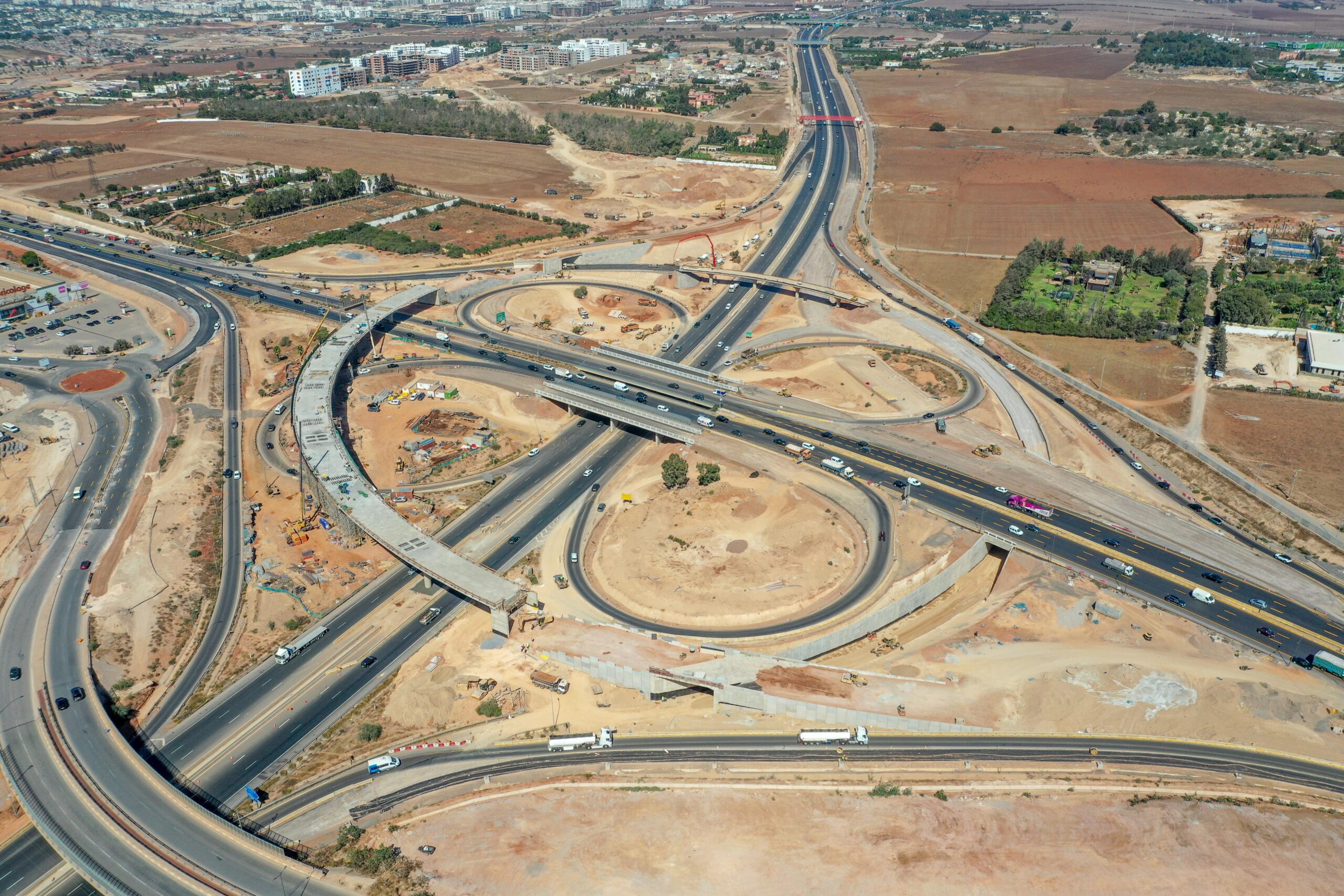
Roads, airports, stadiums, rail links, hotels, water projects and city upgrades are all becoming part of the Kingdom’s push toward 2030, when Morocco will co-host the FIFA World Cup with Spain and Portugal.
For investors, that is an infrastructure story.
For ordinary Moroccans, it could become something even more important.
A jobs story.
2030 Is Bigger Than Football
The World Cup is the headline.
But the work behind it is much bigger than 90-minute matches.
A country preparing to welcome the world needs airports that can handle more passengers.
Hotels that can host more visitors.
Roads that can move people faster.
Stadiums that meet global standards.
Transport systems that connect cities better.
Digital services that work smoothly.
That means construction, engineering, logistics, hospitality and services all come into focus.
The tournament is the deadline.
The economy is the bigger story.
Infrastructure Means Work
Every major infrastructure push creates a chain of jobs.
Not only architects and engineers.
Construction workers.
Truck drivers.
Electricians.
Plumbers.
Security guards.
Site managers.
Hotel staff.
Cleaning teams.
Catering workers.
Logistics operators.
Suppliers.
Maintenance teams.
A stadium is not just concrete and seats.
An airport is not just gates and runways.
A rail project is not just tracks.
Each one creates work before, during and after completion.
The OECD Sees Investment Driving Growth
Morocco’s economy is expected to grow strongly in 2026, with the OECD forecasting growth of 5.0%.
Part of that story is investment.
The OECD has pointed to public investment in major infrastructure projects as one of the drivers supporting Morocco’s economic outlook.
That matters because growth feels more real when people can see cranes, roads, airports and work sites.
Infrastructure gives the economy a physical shape.
It turns forecasts into jobs, contracts and movement.
The IMF Also Points To Big Spending
The International Monetary Fund has also highlighted Morocco’s increased infrastructure spending linked to the 2030 World Cup period.
That gives the story international weight.
Global institutions are watching Morocco’s investment cycle because it can support growth, jobs and modernisation.
But they also know spending needs to be managed carefully.
A building boom is powerful when it creates lasting value.
It becomes risky if projects are rushed, overpriced or poorly connected to long-term needs.
Construction Could Feel The First Boost

The first sector to feel the push is construction.
Stadium upgrades.
Road works.
Hotel projects.
Airport expansion.
Urban improvements.
Water and energy infrastructure.
All of these need builders.
Construction is labour-intensive, which means it can absorb workers quickly when projects move.
That is why infrastructure booms often create immediate employment.
But the quality of those jobs matters too.
Stable contracts, training and safety standards will decide how much workers truly benefit.
Small Businesses Can Win Too
Big projects often make people think only of big companies.
But small businesses can also benefit.
A large construction site needs food suppliers.
Transport.
Equipment rental.
Cleaning.
Printing.
Local materials.
Maintenance.
Accommodation.
Security.
Small shops near busy sites can see more customers.
Restaurants can serve more workers.
Local suppliers can find new demand.
If managed well, infrastructure spending can spread money beyond the main contractor.
Hotels Are Part Of The Jobs Chain

Morocco’s hotel sector is also preparing for growth.
A World Cup host country needs more rooms, better service and stronger hospitality capacity.
That can create jobs in reception, cleaning, management, catering, maintenance, security and tourism services.
Hotels also support other businesses.
Laundry services.
Food suppliers.
Taxi drivers.
Tour guides.
Event planners.
Training schools.
A hotel room is not only a room.
It is part of an employment ecosystem.
Airports Could Become Job Engines
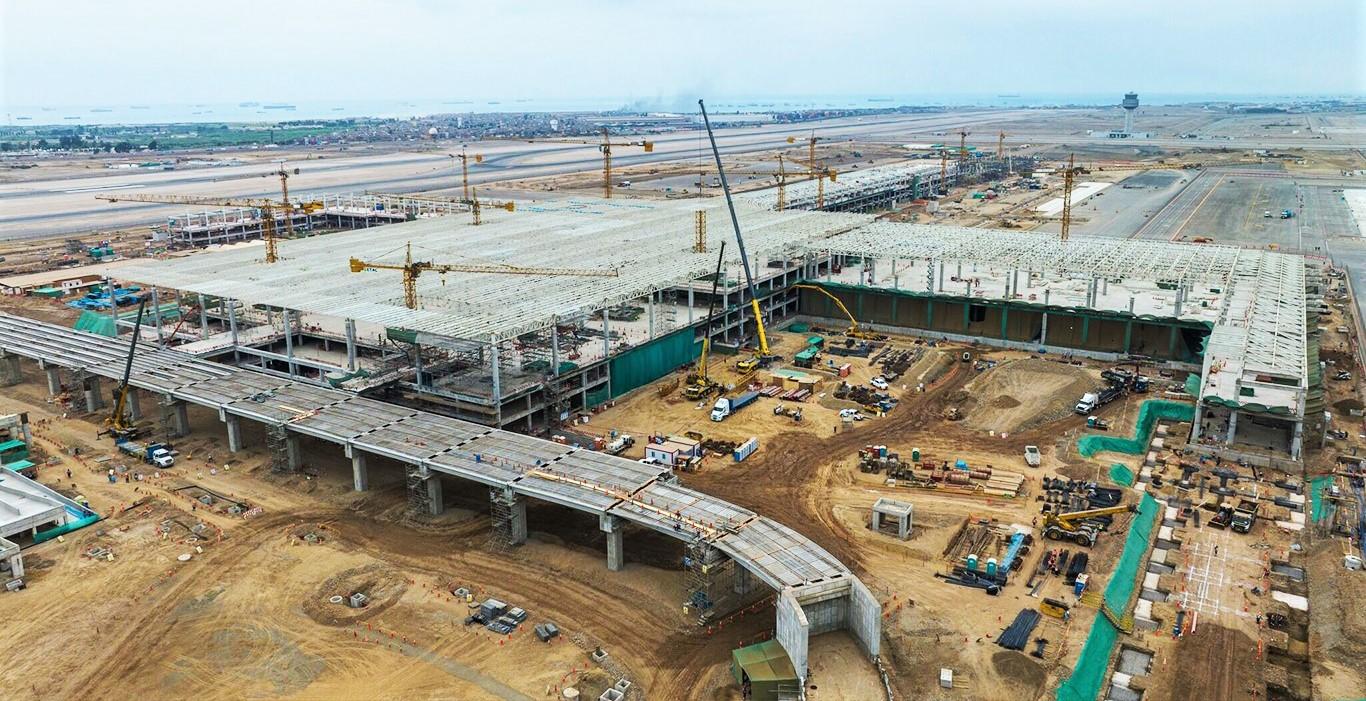
Airports are another major piece of the 2030 story.
More visitors mean more flights.
More flights mean more ground staff, security, baggage handlers, retail workers, cleaning teams, taxi services and airport logistics.
Airport expansion can also support business travel and tourism beyond the World Cup.
That is important.
The best infrastructure projects keep working long after the event is over.
A stronger airport network can help Morocco’s economy for years.
Rail And Roads Matter For Daily Life
Transport infrastructure is not only for tourists.
Better rail and road links can help Moroccans too.
Shorter travel times.
Easier commuting.
Faster goods movement.
Better city connections.
More efficient logistics.
For workers, transport can decide which jobs are reachable.
For businesses, it can decide how quickly products move.
For families, it can make travel less stressful.
That is why infrastructure can affect daily life directly.
Training Will Decide The Real Impact
A building boom does not automatically create good jobs.
Workers need skills.
Technicians need training.
Young people need pathways into construction, engineering, hospitality and maintenance.
If Morocco can link infrastructure projects with training programs, the impact becomes stronger.
A temporary construction job can become a career path.
A hotel job can become management.
A technician role can become a long-term skill.
The difference is preparation.
The Informal Economy Question
Morocco’s labour market still includes a large informal economy.
That matters in a building boom.
If too many jobs remain informal, workers may not get proper protections, contracts or benefits.
The infrastructure push can become more powerful if it helps formalise work.
Registered jobs.
Social protection.
Training.
Safety rules.
Clear wages.
That is how a construction cycle becomes a development opportunity.
Not just work today, but better work tomorrow.
2030 Could Spread Opportunity Across Cities
The World Cup will put major Moroccan cities in the spotlight.
But the infrastructure story can go wider.
Projects linked to tourism, transport and services can benefit regions beyond the match venues.
Cities like Casablanca, Rabat, Tangier, Marrakech, Agadir and Fes may see direct upgrades.
Nearby towns and suppliers may benefit indirectly.
That spread matters.
A national event should create national movement.
The Risk Is A Short-Term Boom
There is one danger.
A boom can fade.
If projects create jobs only for a few years and then disappear, the impact becomes limited.
That is why Morocco needs to think beyond 2030.
What happens after the tournament?
Can stadiums be used regularly?
Can airports keep attracting passengers?
Can hotels maintain occupancy?
Can new roads support trade?
Can trained workers move into long-term careers?
The best building boom is one that does not end when the final whistle blows.
Quality Matters As Much As Speed
Deadlines create pressure.
But speed cannot be the only goal.
Projects must be safe, useful and well planned.
A rushed road that needs repair too soon is not success.
A hotel built without long-term demand is not success.
A stadium without post-World Cup use is not success.
Quality matters because infrastructure is supposed to last.
Morocco’s challenge is to build fast, but also build smart.
Why This Is A Money Story
This belongs in the Money category because infrastructure affects almost everything.
Government spending.
Private contracts.
Jobs.
Tourism.
Construction.
Transport.
Real estate.
Hotels.
Small businesses.
Foreign investment.
A major infrastructure push can move money through many parts of the economy.
It can also shape investor confidence.
When people see a country building seriously, they start to believe in its future.
Families Want Jobs, Not Only Headlines
For families, the World Cup excitement is real.
But jobs matter more.
A father wants stable work.
A young graduate wants opportunity.
A small contractor wants projects.
A hotel worker wants career growth.
A taxi driver wants more customers.
A supplier wants steady demand.
That is why the infrastructure push must be judged by its human impact.
The question is not only: will Morocco be ready for 2030?
The question is: who benefits from the preparation?
The Final Whistle
Morocco’s 2030 infrastructure push could become one of the country’s biggest jobs stories of the decade.
The World Cup gives the deadline, but the real work is in roads, airports, hotels, stadiums, transport, water, energy and city upgrades.
If managed well, the building boom can support construction workers, small businesses, hotels, suppliers, technicians and young people looking for opportunity.
The challenge is making the jobs formal, useful and lasting.
Because the real victory will not only be hosting the world in 2030.
It will be making sure the build-up creates work that Moroccans can feel long before the first whistle.