
Morocco is taking its business story on the road.
This time, the stage was Valencia.
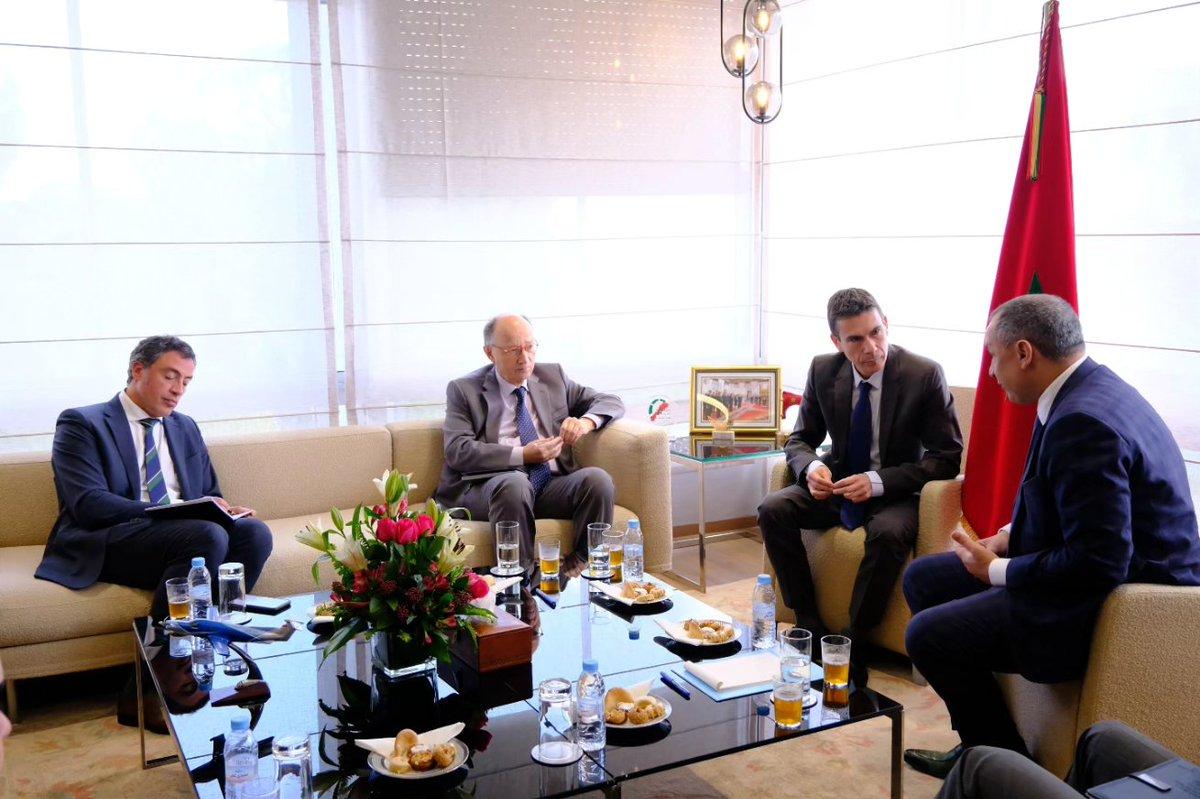
A business meeting held in the Spanish city put Morocco’s investment opportunities in front of Spanish and Moroccan business leaders, turning a normal economic event into a signal about where the Kingdom wants to go next.
The message was simple.
Morocco wants to be seen not only as a market.
It wants to be seen as a platform.
Why Valencia Matters
Valencia is not just a beautiful Mediterranean city.
It is an economic region with companies, exporters, ports, manufacturers, logistics players and investors looking beyond Spain.
For Moroccan officials and business promoters, that makes Valencia a useful place to speak.
Spanish companies already understand geography.
They understand proximity.
They understand trade routes.
They understand North Africa.
That makes the Morocco pitch easier to hear.
Morocco Wants To Sell Opportunity
The business meeting in Valencia showcased investment opportunities in Morocco and highlighted reforms aimed at improving the business climate.
That kind of event is not only about speeches.
It is about confidence.
Investors want to know whether a country is stable.
Whether rules are clear.
Whether logistics work.
Whether incentives exist.
Whether projects can scale.
Whether exports can move.
Morocco’s job at a roadshow is to answer those questions before investors ask them.
A Business Signal, Not Just A Meeting
One meeting will not change an economy.
But it can send a signal.
When Morocco promotes itself in Spain, it is telling companies to look south.
Not only to Europe.
Not only to Latin America.
Not only to Asia.
But to Morocco as a serious production, logistics and export base.
That matters because business decisions often start with awareness.
A company cannot invest in a country it is not seriously considering.
The roadshow puts Morocco on the list.
Spain Is A Natural Audience
Spain is one of Morocco’s most important business neighbours.
The two countries are close by sea, linked by trade and connected through people, ports and companies.
That makes Spanish investors a natural audience for Morocco’s economic pitch.
For a Valencian company, Morocco is not a faraway market.
It is close enough to visit, ship to and understand.
That proximity is a business advantage.
It makes the Morocco story practical.
The Africa Gateway Angle
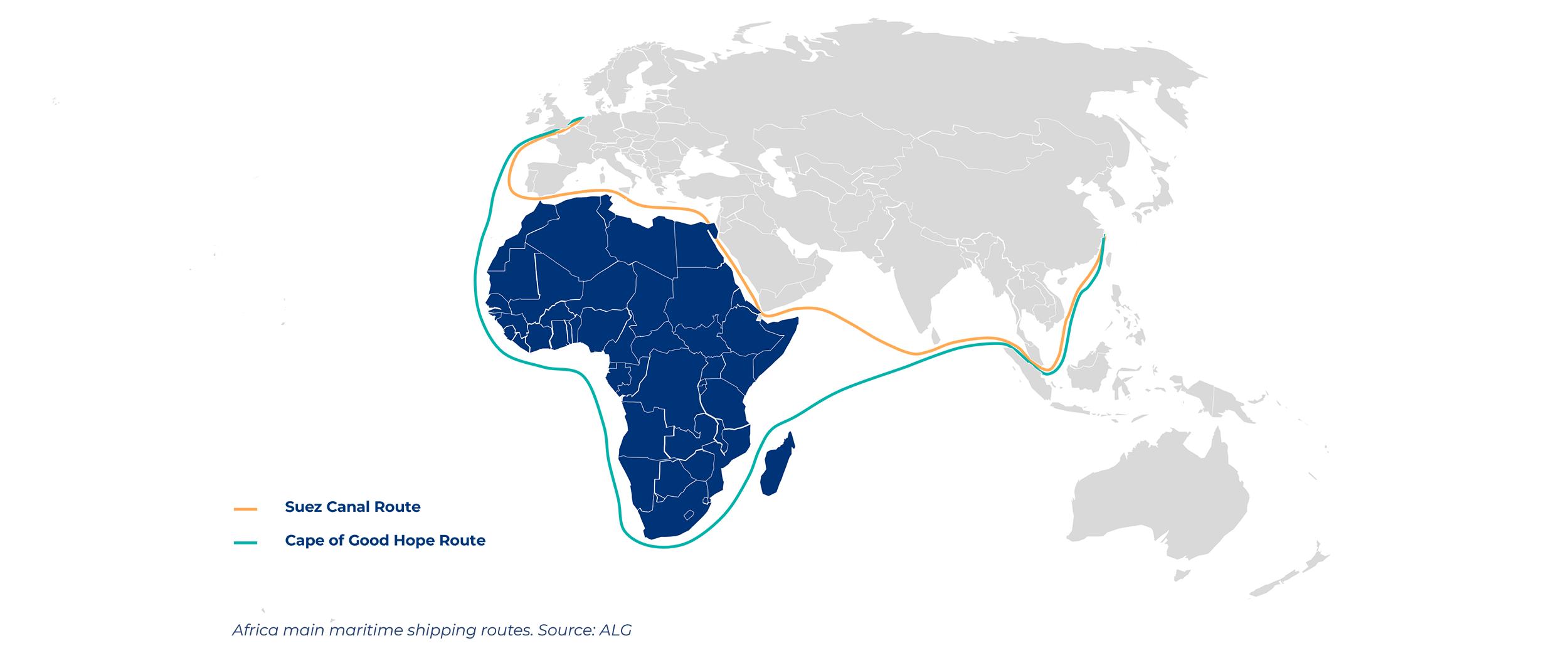
One of Morocco’s strongest messages is its position as a gateway to Africa.
For Spanish companies looking to grow, Morocco can offer access to African markets, Atlantic routes and regional business networks.
That does not mean every company can enter Africa easily.
It still takes strategy, partners, knowledge and patience.
But Morocco’s pitch is clear.
Invest here.
Produce here.
Connect from here.
Export from here.
That is the platform idea.
Manufacturing Is A Key Part Of The Story
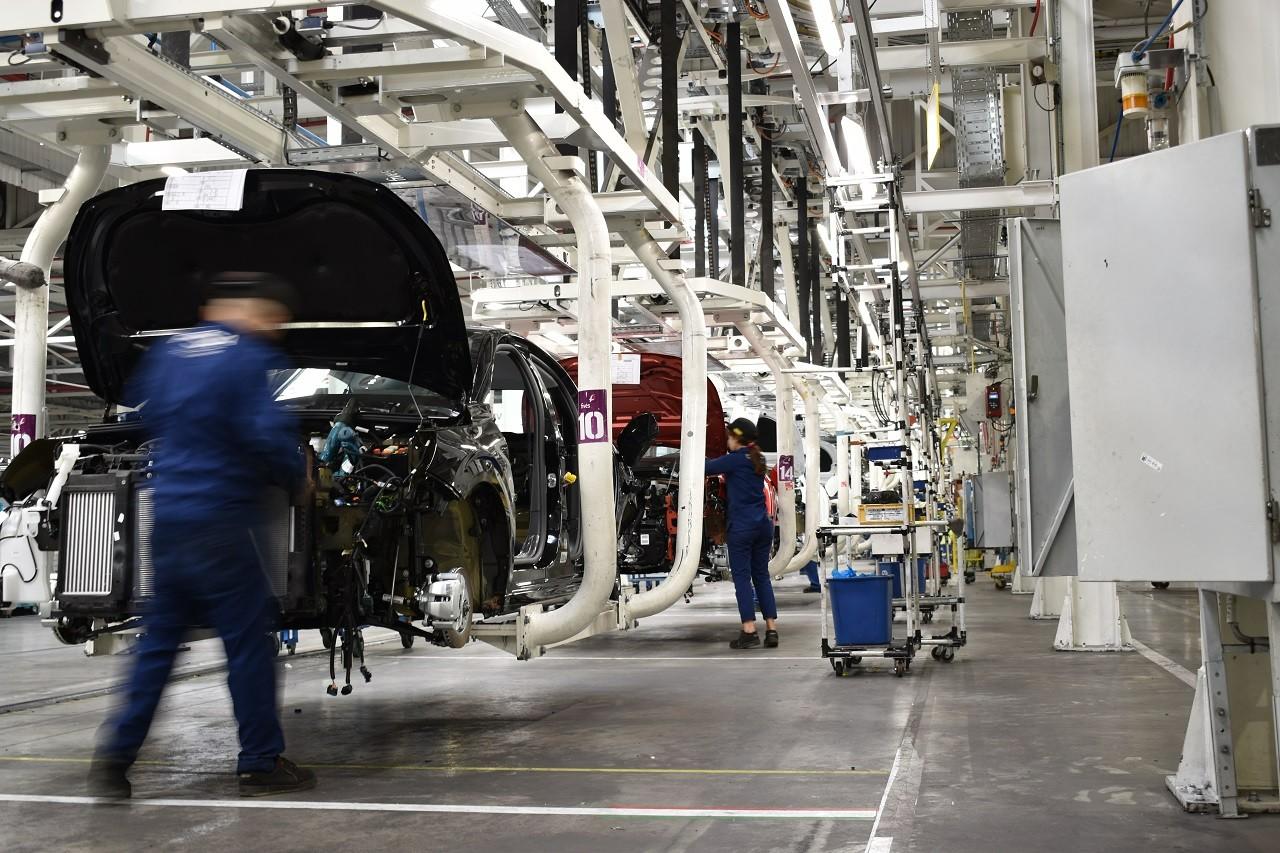
Morocco’s industrial image has changed.
The country is no longer seen only through tourism, agriculture or traditional trade.
It is now linked to automotive production, aerospace, renewable energy, textiles, logistics and electric vehicle supply chains.
That gives the investment pitch more weight.
Spanish companies understand manufacturing.
They understand supply chains.
They understand nearshoring.
Morocco can speak their language.
Nearshoring Is Becoming More Important
Global companies are rethinking supply chains.
The old model of producing everything far away is under pressure.
Shipping costs, geopolitical risks, delays and energy concerns have made proximity more valuable.
That is where Morocco can benefit.
It is close to Europe.
It has ports.
It has industrial zones.
It has export experience.
It has competitive costs.
For European companies, that combination is attractive.
The Port Story Is Powerful
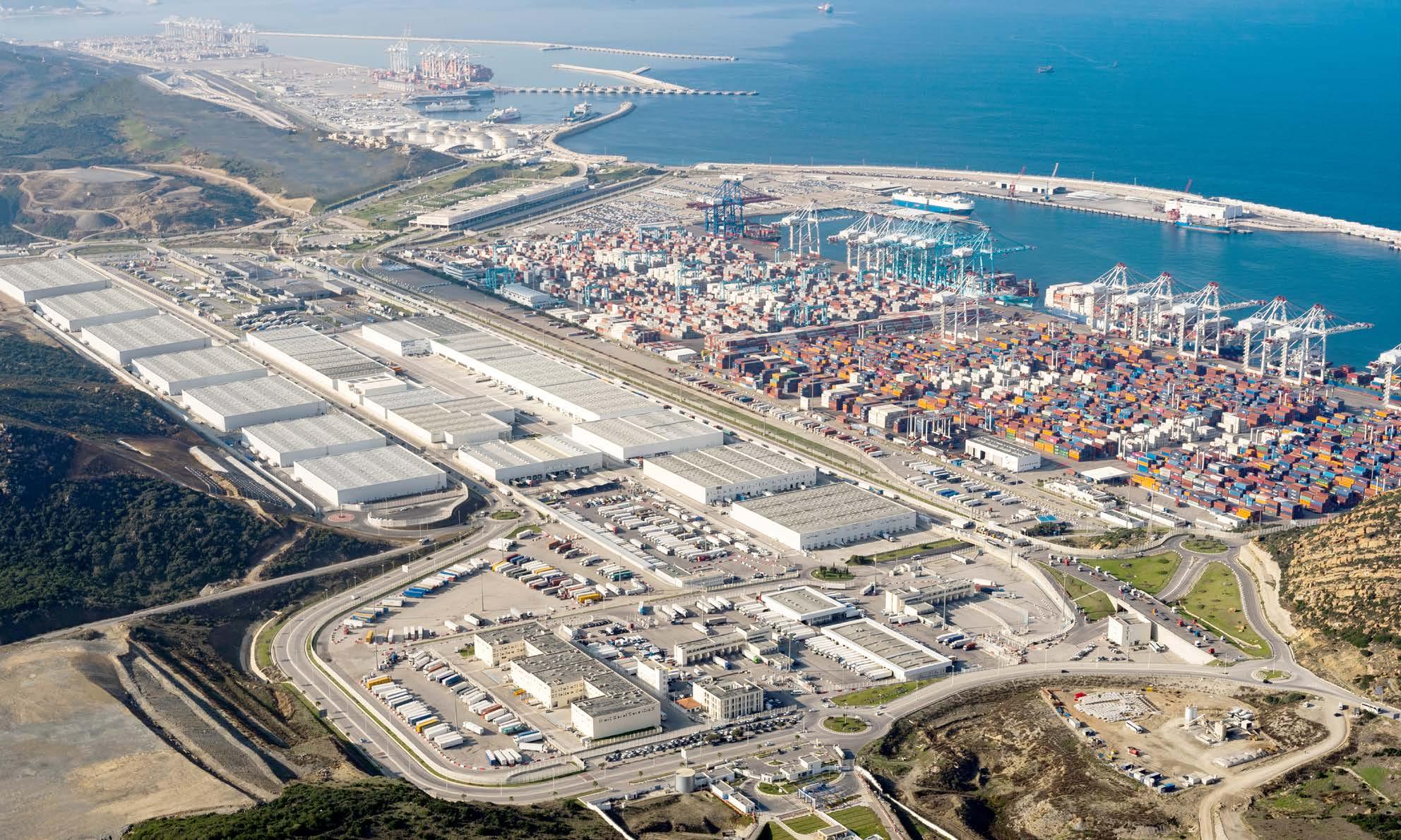
No Moroccan investment pitch is complete without logistics.
Morocco’s port infrastructure, especially Tanger Med, has become one of the country’s strongest economic cards.
Ports matter because investors think in movement.
How fast can goods leave?
How reliable are shipping routes?
How close is Europe?
How connected is Africa?
A country that can move goods efficiently becomes easier to trust as a production base.
That is why logistics sits at the heart of the Morocco pitch.
The Automotive Signal Is Already Clear
Morocco’s automotive industry gives the business story credibility.
The country hosts major industrial players and has built an export base that reaches European markets.
Reuters previously reported that Morocco’s automotive exports reached about $14 billion in 2023, and that the country has been pushing to adapt its automotive sector to electric vehicle supply chains.
That matters in Spain.
Spanish manufacturers and suppliers know the auto industry well.
When Morocco talks cars, batteries and components, Spanish companies listen.
EV Batteries Add A New Layer
The electric vehicle shift could make Morocco’s pitch even stronger.
Reuters reported that China’s Gotion High Tech plans to start production at a Moroccan gigafactory in 2026, with an initial investment deal worth $1.3 billion and future capacity ambitions.
That is not a small signal.
It shows Morocco wants to move into higher-value industrial chains.
For investors, EV battery projects suggest the country is trying to position itself for the next phase of manufacturing.
Valencia Companies May See Practical Openings
For companies in Valencia, the opportunities may be practical.
Supplying factories.
Exporting machinery.
Partnering with Moroccan distributors.
Opening a branch.
Serving African markets.
Working in logistics.
Developing renewable energy solutions.
Supporting tourism and hospitality projects.
Creating training partnerships.
The Morocco pitch becomes stronger when it connects to real business lines.
Investors do not only want ambition.
They want entry points.
Tourism Still Matters Too
Morocco’s investment story is not only industrial.
Tourism is also central.
Hotels, resorts, restaurants, transport, entertainment, travel services and cultural destinations all need investment and better services.
With Morocco preparing for 2030, tourism infrastructure is becoming even more important.
Spanish companies with experience in hospitality and coastal tourism may see familiar opportunities.
Morocco’s tourism growth can become a business bridge.
The 2030 Effect
The 2030 FIFA World Cup gives Morocco a hard deadline and a global spotlight.
That can sharpen investment interest.
Airports.
Hotels.
Transport.
Stadiums.
Security.
Digital services.
Urban upgrades.
All of these areas can attract business.
For foreign companies, big deadlines create urgency.
They also create visibility.
A country preparing for a global event becomes easier to sell internally to investors and boards.
But Investors Need More Than Headlines
A roadshow can open doors.
But investment needs details.
Legal clarity.
Reliable partners.
Land access.
Financing.
Tax rules.
Permits.
Workforce skills.
Aftercare.
Dispute resolution.
Infrastructure.
These are the questions that decide whether interest becomes money.
Morocco’s challenge is not only to attract attention.
It must convert attention into projects.
Reforms Are Part Of The Pitch
The Valencia meeting also highlighted reforms undertaken by Morocco to improve the business climate and strengthen attractiveness to foreign investors.
That is important.
Investors want to see that a country is not standing still.
Business climate reform can include administrative simplification, incentives, investment support, industrial strategy and clearer rules.
The message is: Morocco is trying to make investment easier.
The proof will be in execution.
Why This Is Safe But Strong
This is a safe money story because it is about business, not political conflict.
It is about investment, companies, exports, jobs and economic positioning.
It shows Morocco in a positive, international frame.
It also gives readers a clear idea.
Morocco is pitching itself abroad because it wants more capital, more projects and more business connections.
That is easy to understand.
And it matters.
The Final Whistle
Morocco’s investment roadshow in Valencia could become a business signal because it shows the Kingdom pushing its economic story directly into Spain.
The message is built around opportunity, proximity, reforms, industrial growth and Morocco’s role as a platform toward Africa.
For Spanish companies, Morocco is close, connected and increasingly industrial.
For Morocco, roadshows like Valencia are a chance to turn attention into investment.
One meeting will not build an economy.
But it can start conversations that lead to factories, hotels, suppliers, logistics deals and jobs.
That is why the Valencia pitch matters.