

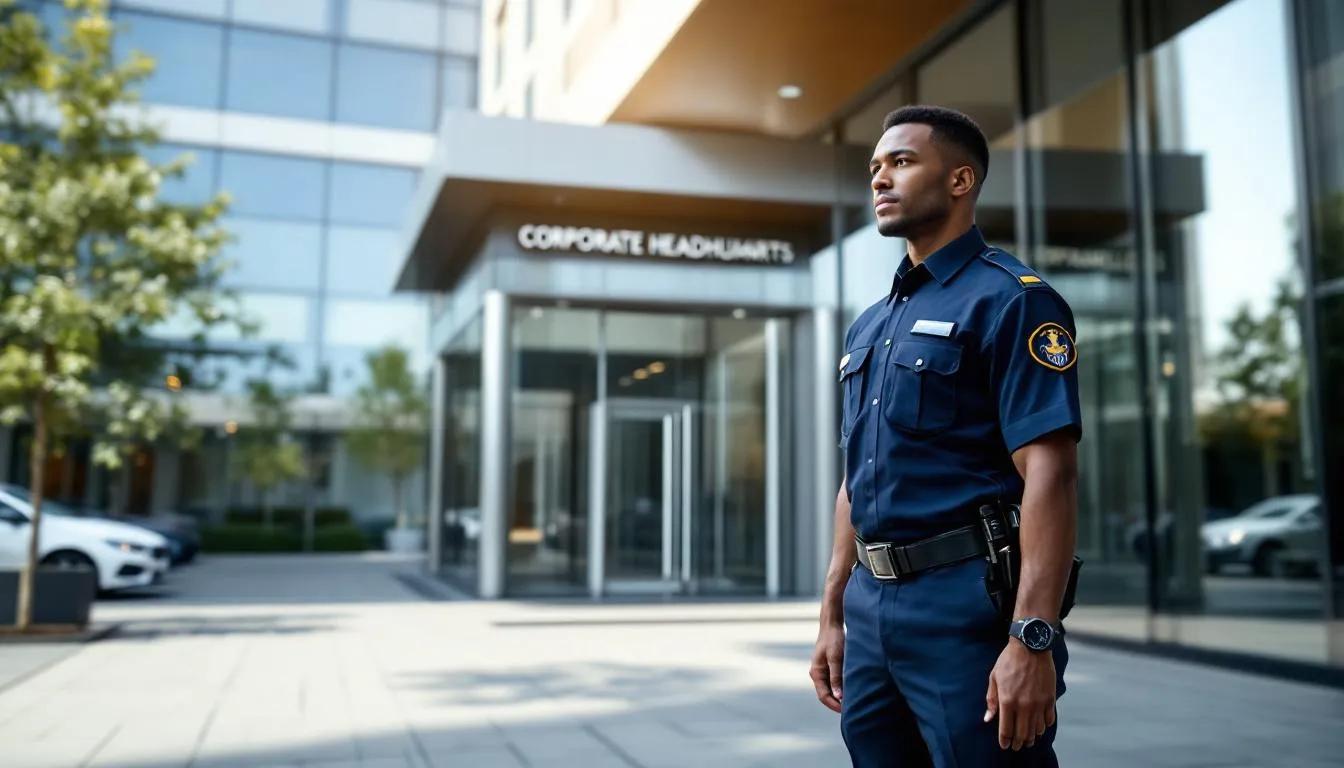
For thousands of private security guards in Morocco, the workday can be long, tiring and invisible.
They stand outside banks.
They watch apartment buildings.
They guard shopping centres.
They sit at factory gates.
They protect schools, hospitals, offices, hotels and public spaces.
Now, Morocco’s move to reduce long private security shifts from 12 hours to 8 hours could change daily working life in one of the country’s most visible but often overlooked jobs.
A Job Everyone Sees, But Few Notice
Security guards are everywhere.
At the door.
At the gate.
At the parking entrance.
At the reception desk.
At the supermarket.
At the office tower.
Most people pass them every day without thinking about their working conditions.
But guards are not furniture.
They are workers with families, health, fatigue, bills and long hours.
That is why the debate over 12-hour shifts matters.
It puts attention on a job that is present in daily Moroccan life, but rarely at the centre of the conversation.
From 12 Hours To 8 Hours
Recent reports say Morocco is moving to end the use of 12-hour shifts for private security guards and reduce the daily schedule to 8 hours.
That would be a major lifestyle change for workers in the sector.
A shift from 12 hours to 8 hours does not only change a timetable.
It changes sleep.
Meals.
Family time.
Transport.
Health.
Energy.
The ability to rest.
For many guards, four hours less at work could mean four hours more of life.
Why Long Shifts Are So Heavy
A 12-hour shift is not just long on paper.
It is long in the body.
Standing for hours can damage energy and concentration.
Sitting in one place for hours can also be exhausting.
Night shifts disturb sleep.
Outdoor posts can mean heat, cold, rain or wind.
Some guards work alone.
Some have limited breaks.
Some spend hours alert but under-stimulated.
That kind of work can create fatigue that follows a person home.
Security Work Needs Alertness
The irony is simple.
Security work depends on attention.
A guard must notice details.
A strange movement.
A visitor without permission.
A vehicle entering a site.
A door left open.
A risk before it becomes a problem.
But long hours can reduce alertness.
Fatigue can make people slower.
Tired eyes miss things.
A tired worker may still be physically present, but mentally drained.
That is why shorter shifts can also be a safety issue, not only a labour issue.
Families Feel The Shift Too

When one person works 12 hours, the whole family feels it.
A father comes home exhausted.
A mother has less time with children.
A parent misses dinner.
A worker sleeps while the house is awake.
Children see less of them.
Weekends may not feel like weekends.
A shift change can therefore affect more than the employee.
It can affect the rhythm of a home.
That is why this issue belongs in Lifestyle.
It changes daily life.
Commuting Makes The Day Even Longer
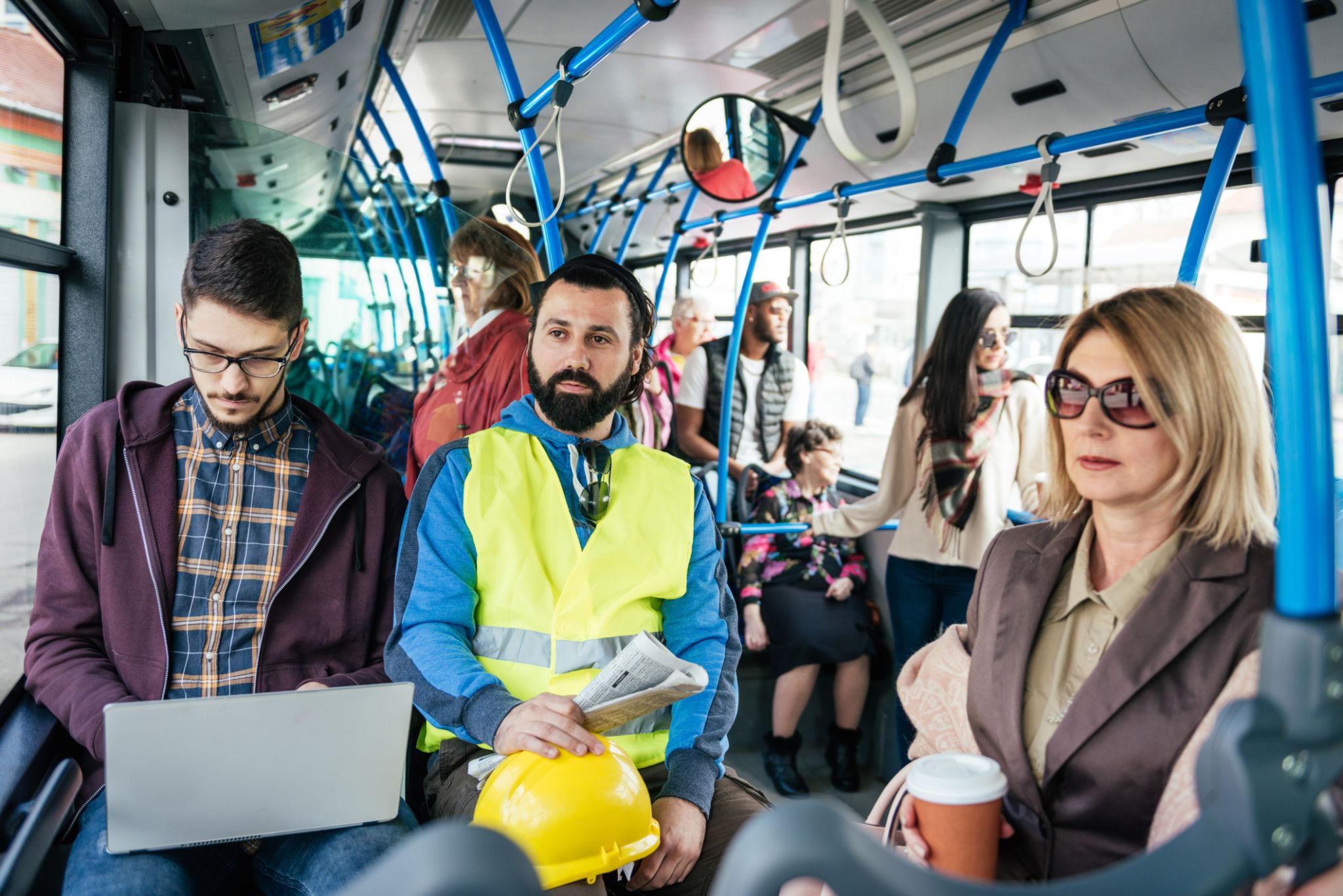
The official shift is not always the full workday.
Many guards also spend time travelling.
A 12-hour shift can become 13 or 14 hours away from home when transport is included.
For workers living far from the job site, that makes the day even harder.
A shorter shift could reduce the total burden, even if commuting still remains difficult.
People do not only work inside the workplace.
They also pay with the time it takes to get there.
The Sector Is Big And Visible
Private security has become part of modern urban life.
As cities grow, buildings, businesses, malls, factories, schools and residential complexes use more private security.
That means the sector touches many parts of society.
When its working rules change, the impact can be wide.
Companies may need to adjust schedules.
Clients may need to accept different staffing models.
Workers may need new contracts or clearer hours.
The change could be felt across offices, housing complexes and commercial spaces.
Companies Will Need To Adapt
Reducing shifts from 12 to 8 hours is not only a worker issue.
It is also a business adjustment.
Security companies may need more staff to cover the same sites.
They may need new schedules.
They may need to manage costs differently.
Clients may face higher service bills.
Contracts may need to be updated.
That is why reform can be complicated.
But complicated does not mean impossible.
It means the transition needs planning.
A Nine-Month Transition Could Help
Reports have said companies with contracts signed before the law takes effect may receive a transition period of around nine months to comply with the new requirements.
That kind of transition matters.
It gives companies time to adjust rather than panic.
It gives clients time to understand new costs.
It gives workers a clearer timeline.
Labour reform works better when the change is firm but manageable.
The Human Side Is The Strongest Part
The strongest part of this story is human.
Imagine leaving home before sunrise and returning after dark.
Imagine standing all day at a gate.
Imagine missing family meals.
Imagine trying to stay alert during the final hours of a long night shift.
Now imagine that routine changing.
More time to rest.
More time to see children.
More time to recover.
More time to live.
That is why this story matters to ordinary people.
It Could Raise The Standard Of Work
If implemented properly, the reform could raise standards in the private security sector.
Clearer schedules.
Better respect for working hours.
More professional organisation.
Less exhaustion.
Better supervision.
More predictable staffing.
That could help workers and clients at the same time.
A tired guard is not good for anyone.
A better-rested guard may do the job better.
Workers May Still Need Enforcement
A law or reform is only one step.
The real test is enforcement.
Do companies follow the new rules?
Do workers receive proper contracts?
Are overtime rules respected?
Can guards complain without fear?
Are inspections strong enough?
Do clients choose responsible security providers?
These questions matter because labour rules are only powerful when people believe they will be applied.
This Is About Dignity Too

Work is not only salary.
It is dignity.
A worker who spends long hours in difficult conditions can feel invisible.
A reform that recognises the burden of 12-hour shifts sends a message.
Security guards deserve normal working conditions.
They deserve rest.
They deserve time with families.
They deserve to be treated as workers, not background scenery.
That message matters in a modern economy.
Daily Life Could Feel Different
The change could also affect the way buildings and businesses operate.
Instead of seeing the same guard exhausted all day, residents and employees may see shifts change more regularly.
Supervisors may organise teams differently.
Night coverage may become more structured.
Workers may have more predictable routines.
Small changes in scheduling can create big changes in daily life.
For guards, that could be the difference between surviving the job and living alongside it.
The Wider Labour Debate
This reform also connects to a bigger Moroccan conversation about work, wages, hours and social protection.
Many people in different sectors worry about long hours and limited security.
Private security is one visible example.
But the issue is broader.
As Morocco modernises, working conditions become part of the national image.
A stronger economy should also mean more humane work.
That is the deeper lifestyle question.
The Final Whistle
Morocco’s move against 12-hour private security shifts could change daily life for thousands of guards and their families.
Reducing the workday to 8 hours would mean more rest, more family time and potentially better alertness on the job.
Companies will need to adapt.
Contracts may need to change.
Enforcement will matter.
But the human message is clear.
Security guards are part of daily Moroccan life.
Now their own daily lives may finally get more attention.