

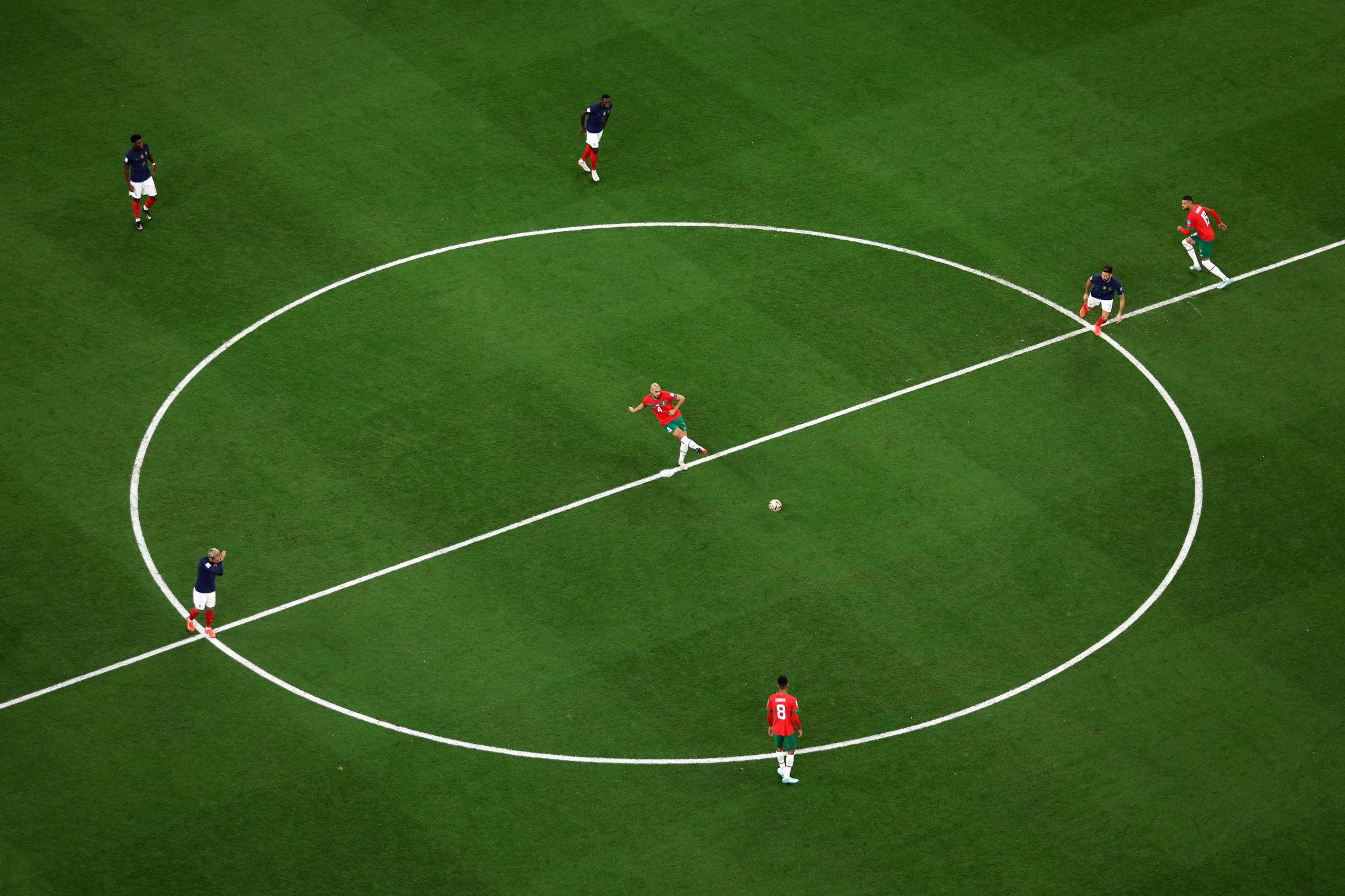
Some football moments are so small that only the sharpest fans notice them.
Then suddenly, everyone is talking.
Morocco’s opening-second habit at the 2026 World Cup has become one of those moments: a strange, simple, almost cheeky kick-off move that has fans asking the same question.
Why do the Atlas Lions keep doing that?
It may last only a second.
But in the world of football culture, one second is enough to start a debate.
The Move Fans Keep Replaying
The idea is simple.
At kick-off, Morocco appear to put the ball out of play almost immediately, giving the opposition a throw-in near the start of the match.
To casual viewers, it looks strange.
Why give away the ball after one second?
Why start a World Cup match by handing possession to the other team?
Why do something that looks almost accidental?
That is exactly why fans are talking.
It feels odd enough to go viral.
Football Fans Love A Mystery
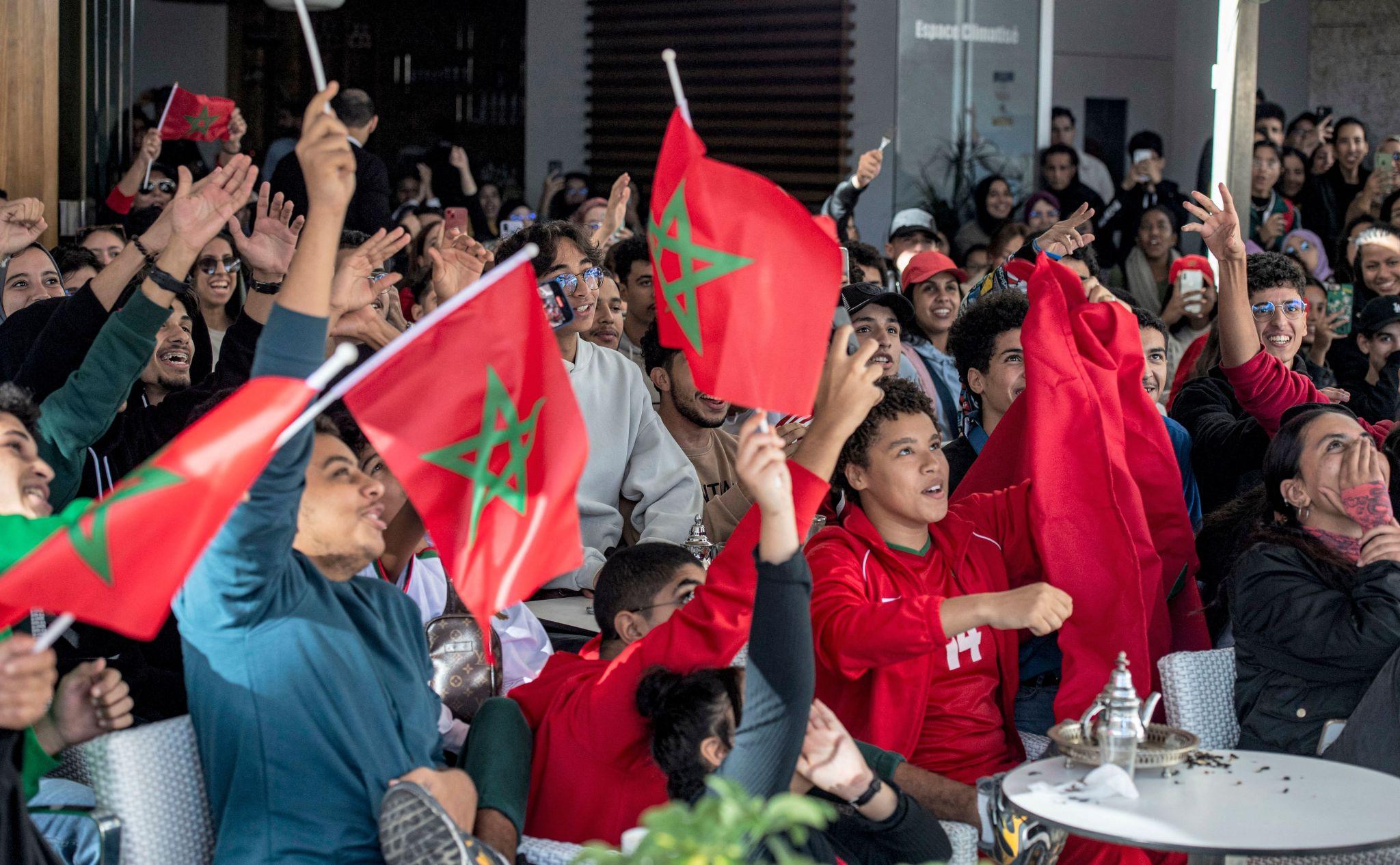
Football is not only goals and results.
It is also theories.
Fans love spotting patterns.
They love asking whether something is planned or random.
They love slowing down clips, arguing online and building explanations.
Morocco’s kick-off habit fits perfectly into that culture.
It is short.
It is unusual.
It is easy to share.
And it gives everyone a chance to feel like a tactical expert.
That is how a tiny moment becomes a lifestyle conversation.
It Could Be About Territory
One possible explanation is territory.
By sending the ball out early, Morocco may be trying to push the first action into the opponent’s half or into a specific zone.
Football is full of small territorial battles.
Where does the first duel happen?
Where does the opponent restart?
Where can the pressing trap begin?
Even a throw-in can be part of a plan if the team knows where it wants the next fight to happen.
That does not make the move glamorous.
But it may make it useful.
It Could Be About Pressing
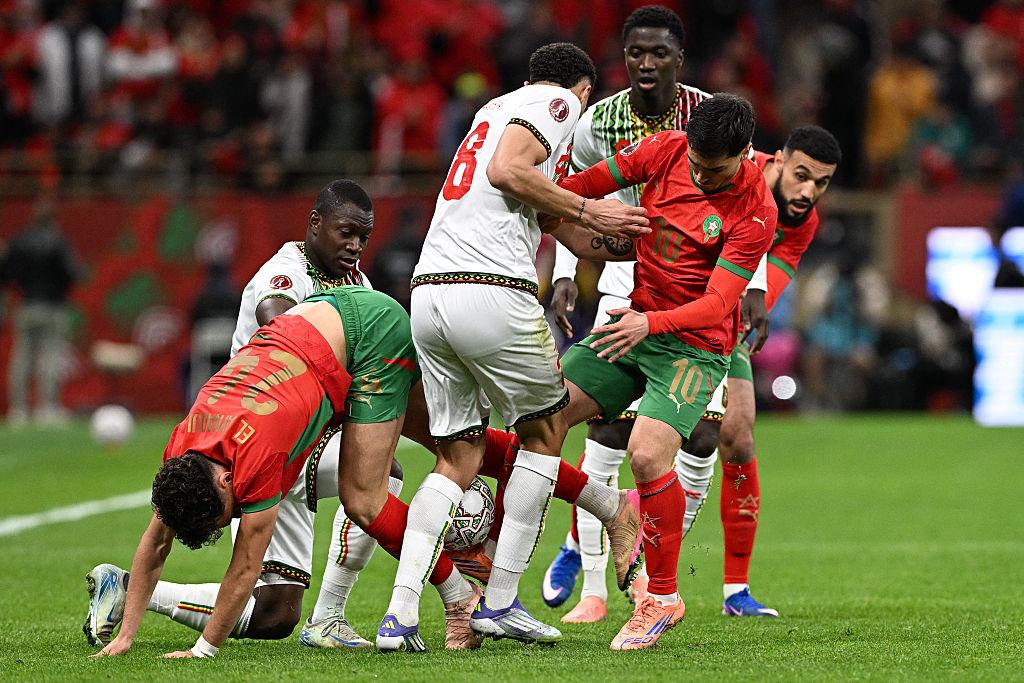
Another theory is pressing.
A throw-in can be harder to play from than people think.
The player taking it has limited options.
The receiving player may have a marker close behind.
The ball arrives in the air.
The sideline acts like an extra defender.
If Morocco can force the opponent into a rushed first pass, they may be able to press quickly and win territory.
In that view, the kick-off trick is not giving the ball away.
It is setting a trap.
It Could Be About Rhythm
There is also a psychological angle.
World Cup matches begin with huge emotion.
Players are tense.
Fans are loud.
The first few seconds can feel chaotic.
A strange kick-off routine may help Morocco control their own rhythm.
Instead of rushing into a risky pass in midfield, they create a predictable first action.
Everyone knows what comes next.
That can calm players down.
Sometimes control begins with routine.
The Fans Turned It Into A Talking Point
The best part is that fans have taken the moment far beyond tactics.
For some, it is genius.
For others, it is madness.
Some laugh at it.
Some defend it.
Some ask whether it helped Morocco score early against Scotland.
Some just enjoy that their team has a weird little World Cup signature.
That is football culture now.
A one-second action can become a full conversation in cafés, WhatsApp groups and social media comments.
Morocco Already Had The Perfect Start Against Scotland
The reason the debate became louder is simple.
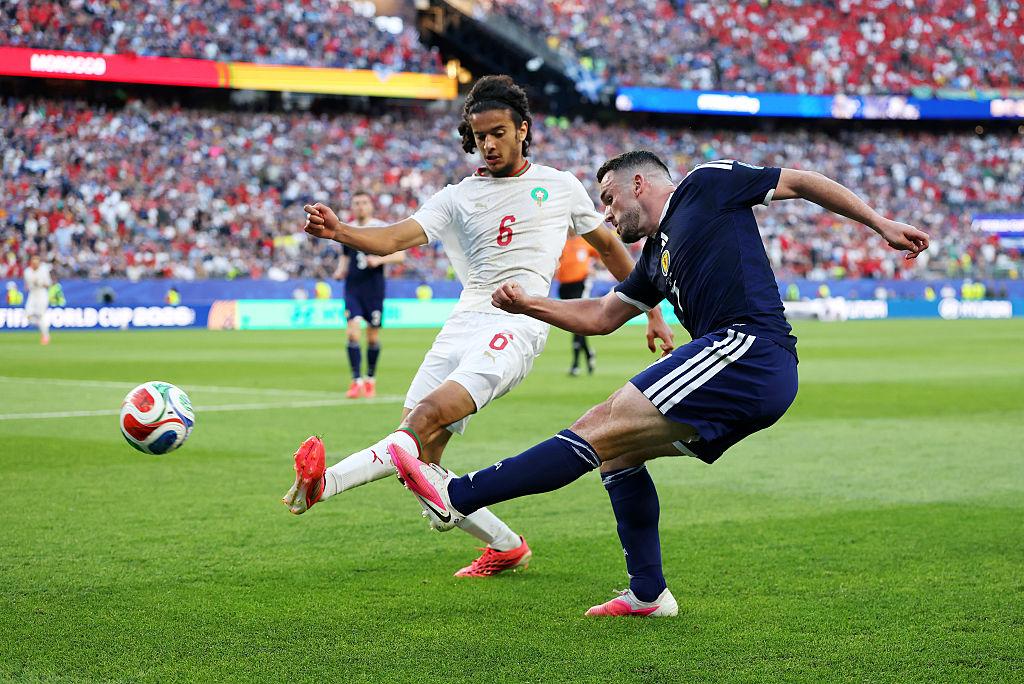
Morocco scored after just 71 seconds against Scotland.
Ismael Saibari struck early to give the Atlas Lions a 1-0 win, turning the opening moments of the match into a major story.
That does not prove the kick-off habit caused the goal.
Football is more complicated than that.
But fans connect moments.
They see a strange start, an early goal and a victory.
Then the theory grows.
Small Rituals Matter In Football
Football teams often have rituals.
The same warm-up.
The same tunnel order.
The same first pass.
The same corner routine.
The same celebration.
The same prayer.
The same handshake.
The same dressing-room song.
These rituals may look small from outside, but inside a team they can create comfort and identity.
Morocco’s kick-off trick may become one of those little things supporters associate with this World Cup run.
A small habit with a big fan life.
It Fits Morocco’s New Image
Morocco’s 2026 image is becoming more layered.
The Atlas Lions are not only emotional and brave.
They are also controlled, tactical and confident.
They drew 1-1 with Brazil.
They beat Scotland 1-0.
They completed 601 passes against Scotland, a record for an African team at the World Cup.
That makes fans more willing to believe even strange actions are planned.
When a team is winning, everything looks smarter.
Even a kick-off that goes out of play.
The Trick Feels Very Modern
Modern football is obsessed with details.
Throw-in coaches.
Set-piece analysts.
Pressing triggers.
Expected goals.
Rest-defence.
Build-up patterns.
Zone control.
Nothing is too small anymore.
So a first-second kick-off move fits the modern game perfectly.
It may look strange to older fans.
But in today’s football, coaches study every inch of the pitch and every second of the match.
If a tiny move creates even a small advantage, teams will try it.
Fans Want To Feel Inside The Plan
One reason the topic spreads is that fans want to feel close to the team.
They want to understand the secret.
They want to know what the coach knows.
They want to say: I noticed it first.
That is why tactical clips do so well online.
They make supporters feel like insiders.
Morocco’s kick-off trick gives fans a puzzle.
And every good World Cup needs a few puzzles.
It Also Shows Confidence
There is another way to read the move.
Confidence.
A team that is nervous may avoid strange ideas.
It may play safe, pass backward and try not to make mistakes.
A team willing to use a quirky routine in a World Cup match is showing that it trusts its plan.
Morocco look like a team that believes in what it is doing.
That confidence matters as much as the move itself.
Not Every Trick Has To Be Beautiful
Football fans often love beautiful passes and spectacular goals.
But tournament football is also about ugly advantages.
A throw-in in the right area.
A forced clearance.
A trapped full-back.
A broken rhythm.
A nervous opponent.
These are not highlights.
But they can shape matches.
Morocco’s kick-off habit may not be pretty.
But if it helps create pressure, it has value.
The Haiti Match Could Make It Bigger
Now fans will be watching the start against Haiti even more closely.
Will Morocco do it again?
Will the ball go out in the first second?
Will the crowd react?
Will commentators mention it?
That is how a small tactical habit becomes part of the entertainment.
The match has not even started, and fans already have something to watch for.
That is powerful.
A One-Second Signature
Every World Cup team needs a signature.
Some have a star.
Some have a celebration.
Some have a song.
Some have a pressing style.
Morocco may now have something stranger.
A one-second kick-off move that makes people laugh, argue, analyse and replay.
That is not a bad thing.
It gives the team personality.
It makes the Atlas Lions even more memorable.
The Final Whistle
Morocco’s strange first-second kick-off tactic has become one of the small viral stories of the 2026 World Cup.
It may be about territory.
It may be about pressing.
It may be about rhythm.
Or it may simply be a clever routine that fans have turned into a mystery.
What is clear is that the Atlas Lions are winning, controlling matches and giving supporters something new to discuss.
In football, not every viral moment needs a goal.
Sometimes all it takes is one second.
 Jamal Mahdad, Founder & Editor-in-Chief