

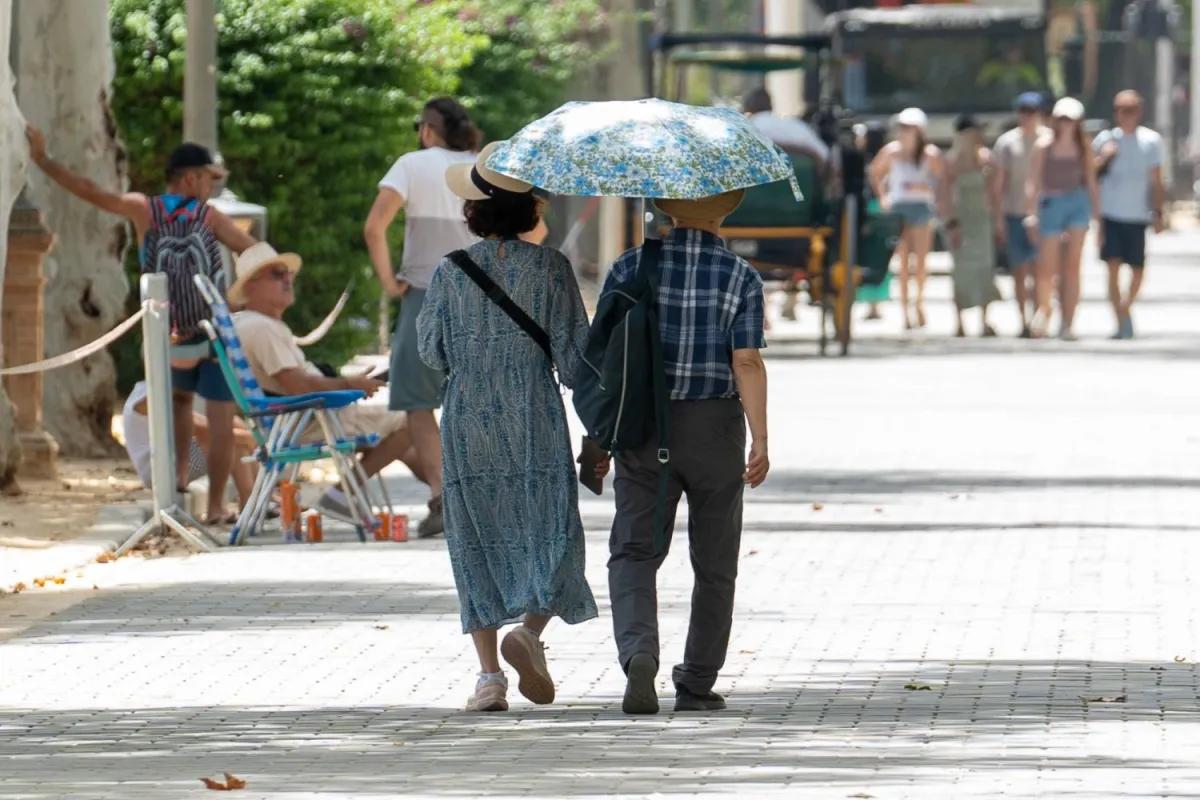
Morocco is feeling the heat.
Not just in the weather forecast.
In homes, streets, cafés, markets, workplaces and family routines.
With an orange-level heat alert warning of temperatures reaching up to 45°C in parts of the country, daily life is changing quickly for millions of people.
This is no longer only a weather story.
It is a lifestyle story.
The Day Starts Earlier
During a heatwave, the whole rhythm of the day changes.
People try to move earlier.
Shopping happens earlier.
Errands happen earlier.
Outdoor work begins earlier.
Parents try to take children out before the sun becomes too strong.
A simple walk at midday can feel exhausting.
That is why mornings become precious.
In extreme heat, the best hours of the day are often the first ones.
Afternoons Become The Danger Zone
The hottest part of the day becomes the hardest to manage.
Streets feel slower.
Shops can become quieter.
Outdoor cafés lose some of their charm.
Workers in construction, delivery, transport, farming and markets face tougher conditions.
Families may avoid unnecessary trips.
Children are kept inside.
Older people are encouraged to rest.
Heat changes more than comfort.
It changes behaviour.
Orange Alert Means People Need To Pay Attention
An orange alert is not a normal summer warning.
It means conditions can become dangerous, especially for vulnerable people.
Children.
Elderly people.
Pregnant women.
People with heart problems.
People with diabetes.
Outdoor workers.
Anyone who must travel during the hottest hours.
The danger is not only feeling hot.
It is dehydration, exhaustion and heatstroke.
That is why the warning matters.
Homes Become Cooling Strategies
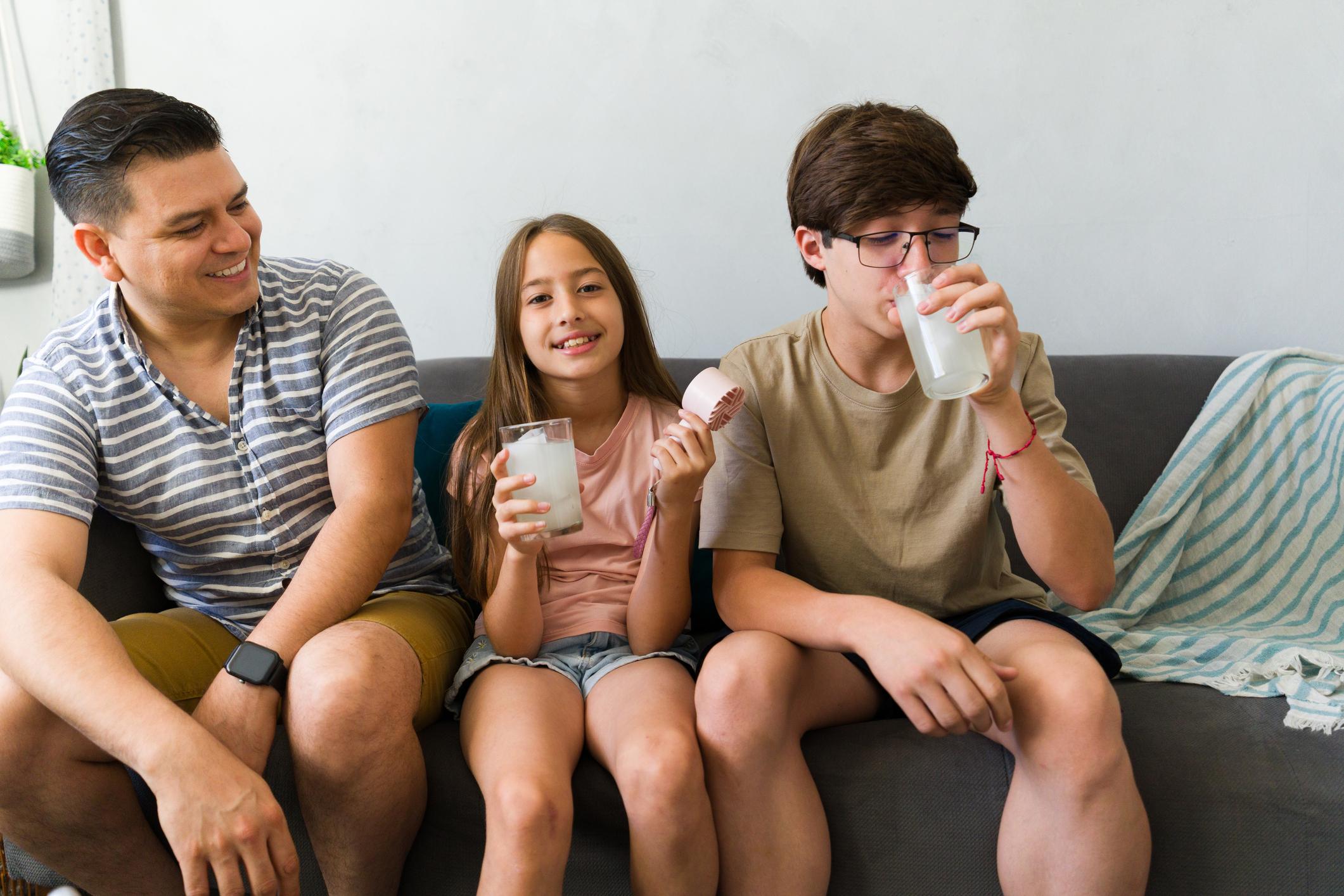
Inside the home, people start managing heat like a daily project.
Curtains stay closed.
Windows open only when the air is cooler.
Fans run longer.
Air conditioning becomes more important where available.
Cold water bottles fill the fridge.
Meals become lighter.
Children are told to drink more.
Older relatives are checked on more often.
The home becomes a small cooling system.
Every family has its own method.
Food Habits Shift Too
Heat changes appetite.
Heavy meals become less attractive.
People look for fruit, salads, cold drinks, grilled fish, yoghurt, lighter sandwiches and simple evening meals.
Mint tea may still be part of the day, but cold water becomes the real priority.
Families also become more careful with fresh food.
Meat, fish, dairy and cooked dishes need better storage when temperatures rise.
A hot weekend can turn food habits into safety habits.
The Market Feels The Heat
Markets also change during hot weather.
Fresh produce can suffer faster.
Customers may shop earlier.
Vendors need to protect goods from direct sun.
Fish, meat and dairy become more sensitive.
Crowds may thin during the hottest hours and return later in the day.
For small traders, heat is not only uncomfortable.
It affects the way business is done.
Children Need Extra Protection
For families, children are one of the biggest concerns.
Young children may not always say clearly when they are overheating or dehydrated.
Parents have to watch signs: tiredness, flushed skin, dizziness, less energy, headaches, dry mouth or unusual sleepiness.
Playtime also changes.
Less running under the sun.
More indoor games.
More shade.
More water.
During a heatwave, parenting becomes more careful.
Outdoor Workers Carry The Hardest Burden
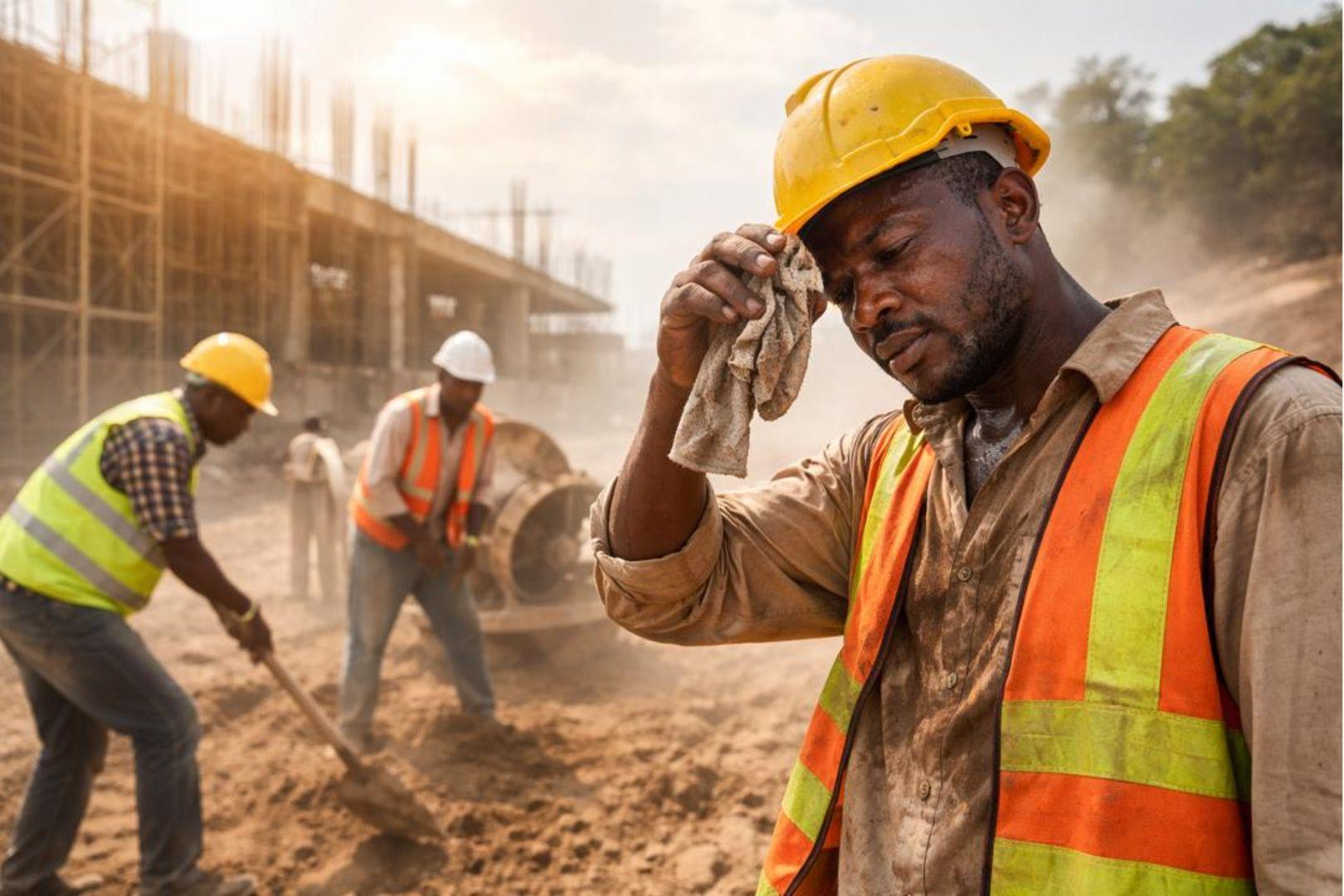
Not everyone can stay inside.
Many people still have to work outside.
Builders.
Street vendors.
Farm workers.
Delivery drivers.
Security guards.
Gardeners.
Market workers.
Transport workers.
For them, heat is not just a discomfort.
It is a workplace challenge.
Breaks, water, shade and adjusted hours can make a major difference.
A heatwave exposes how much daily life depends on people who cannot simply avoid the sun.
Cities Feel Hotter Than Villages
Big cities can feel especially difficult during heat.
Concrete, traffic, buildings and busy streets can trap heat.
Apartments without good ventilation can become uncomfortable.
Crowded transport can feel heavier.
That is why shade, trees, fountains, parks and cooler public spaces matter.
Urban life during a heatwave is different.
The city itself becomes part of the temperature experience.
The Coast Gets Some Relief
Not every part of Morocco feels the heat in the same way.
Coastal areas can sometimes benefit from sea breezes, fog and milder temperatures.
That is why people often think of Essaouira, Tangier, Rabat, Casablanca, Agadir or Al Hoceima during hot spells.
But even on the coast, people still need caution.
Sun exposure, dehydration and crowded beaches can still create risks.
Cooler does not mean careless.
Families Check On Each Other More
Heatwaves often bring families closer in practical ways.
People call older parents.
Neighbours check on elderly residents.
Families remind each other to drink water.
Parents watch babies more carefully.
People ask if someone’s house has a fan or air conditioning.
These small acts matter.
During extreme heat, community habits can protect people.
Sometimes the most important safety system is family.
Evening Life Becomes More Important
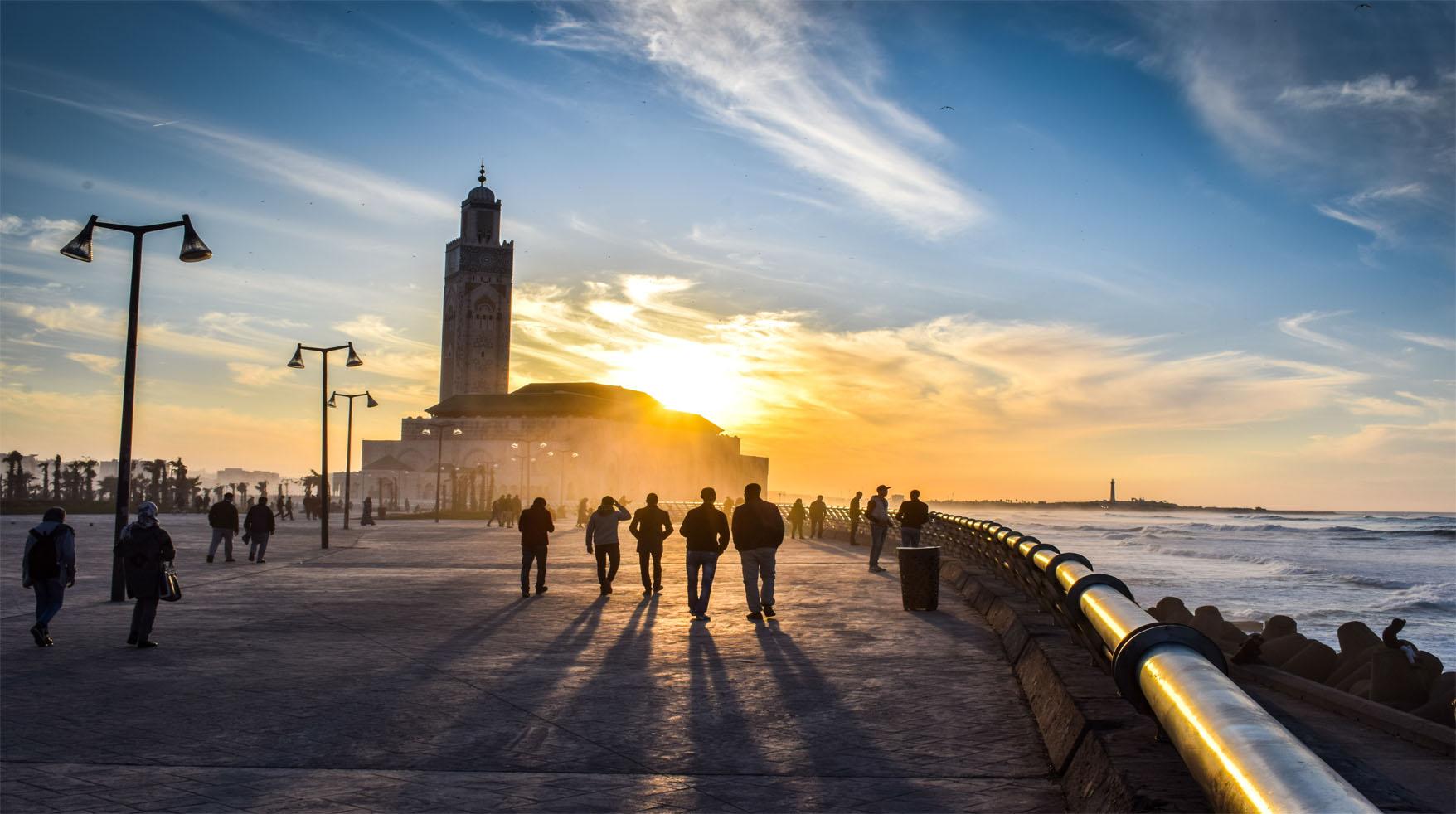
When afternoons become too hot, evenings become the new social window.
Families go out later.
Cafés become busier after sunset.
Corniche walks feel better at night.
Children play later than usual.
Markets may feel more alive in the evening.
This is one of Morocco’s classic summer rhythms.
The day slows down.
The night wakes up.
A heatwave makes that rhythm even stronger.
Health Advice Becomes Everyday Advice
The most useful advice is simple.
Drink water.
Avoid direct sun during peak hours.
Wear light clothing.
Use hats or shade.
Keep homes ventilated when possible.
Check on vulnerable people.
Avoid unnecessary outdoor effort.
Store food carefully.
Do not leave children, elderly people or animals in parked cars.
These are basic rules.
But during a 45°C heatwave, basic rules can save lives.
Heat Is Becoming A Bigger Lifestyle Issue
Morocco is used to summer heat.
But extreme heat is becoming harder to ignore.
It affects how people work, travel, eat, sleep and plan their day.
It affects schools, markets, tourism, health and transport.
That makes heatwaves part of modern lifestyle planning.
People no longer only ask, “Will it be hot?”
They ask, “How do we live safely when it is this hot?”
That is a much bigger question.
The Final Whistle
Morocco’s orange-level heat alert is changing daily life this weekend.
With temperatures expected to reach up to 45°C in some areas, families are adjusting routines, workers are facing tougher conditions, markets are changing rhythm and evenings are becoming more important.
The heat is not only in the forecast.
It is in the way people shop, cook, travel, work and care for each other.
In a Moroccan summer, the sun has always mattered.
But during a heatwave, it controls the whole day.