

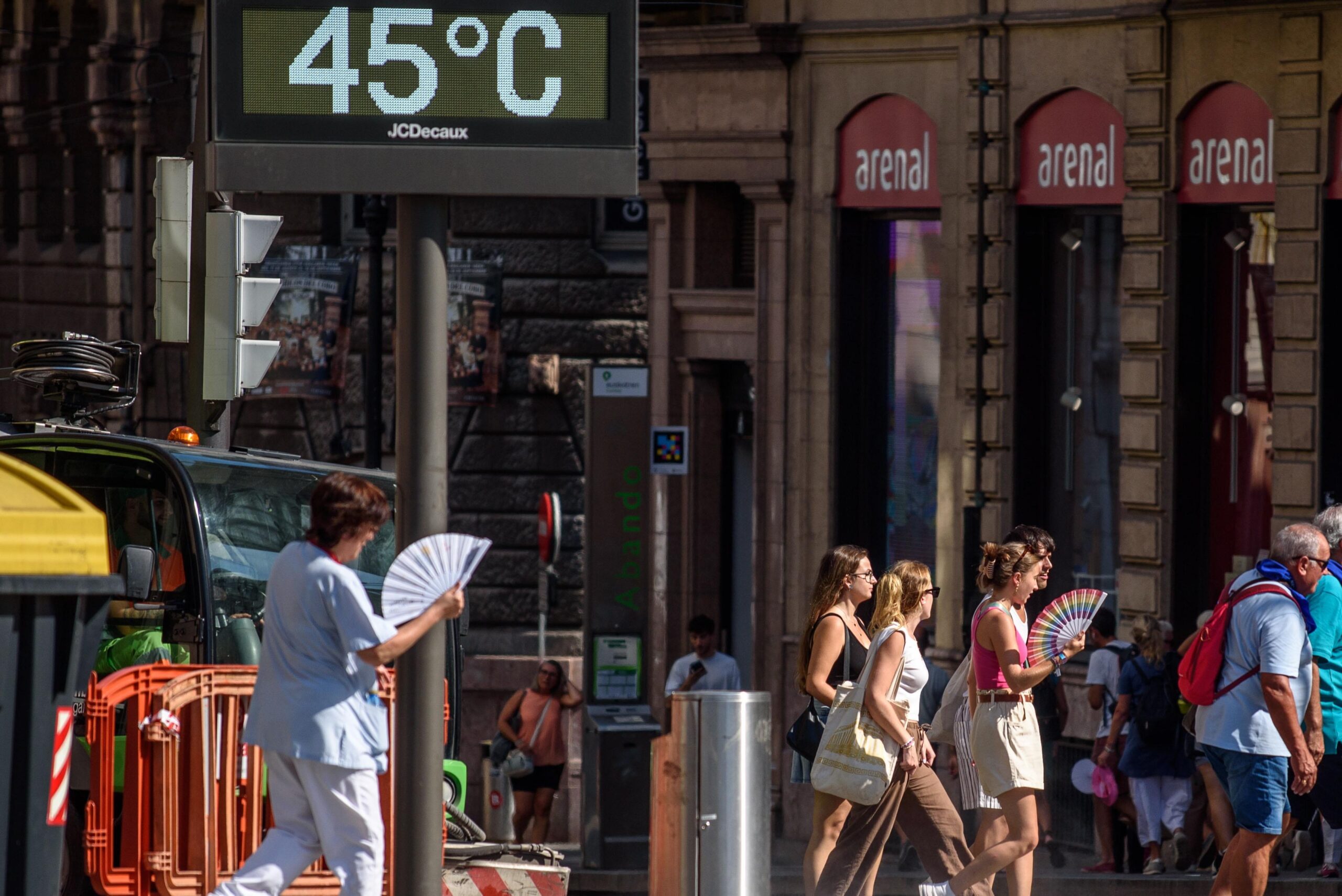
Summer in Europe is no longer just about holidays.
It is about heat plans.
Water bottles.
Closed schools.
Changed work hours.
Packed swimming pools.
Air-conditioning worries.
Train delays.
Power cuts.
And millions of people trying to get through the day while temperatures push above 40°C.
Europe’s latest extreme heatwave is changing daily life fast.
The Red-Zone Summer Is Here
Across parts of Europe, heat alerts have become part of the daily routine.
France has placed large areas under red heatwave alert.
The UK has faced rare extreme heat warnings.
Italy, Spain, Switzerland and Germany have also been dealing with dangerous temperatures.
This is not normal summer discomfort.
This is heat that affects how people move, work, sleep, shop and care for children.
The weather has become a lifestyle issue.
People Are Planning Days Around Heat
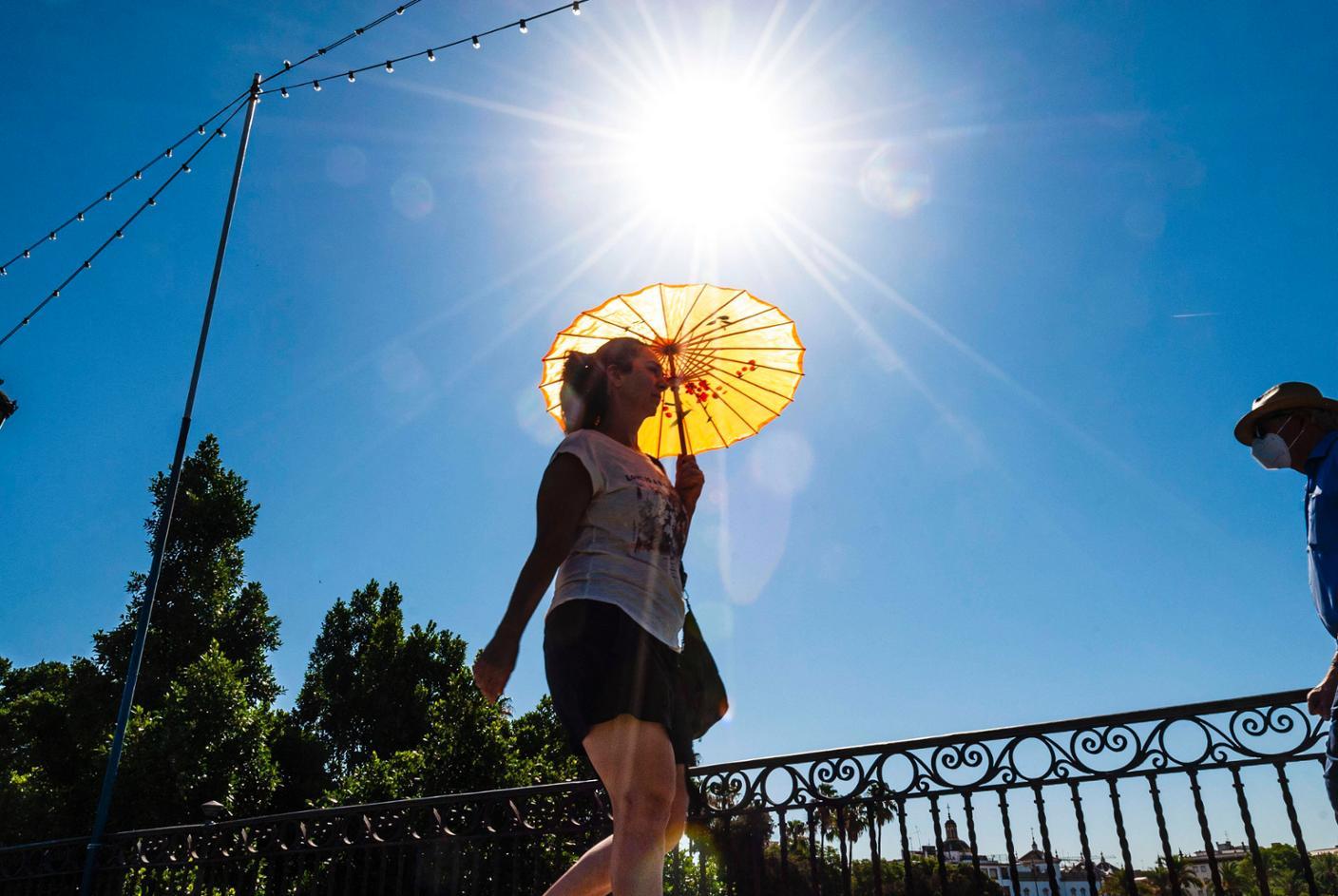
The biggest change is timing.
People are learning to avoid the hottest hours.
Shopping happens earlier.
Walks happen later.
Parents avoid playgrounds in the afternoon.
Tourists search for shade instead of landmarks.
Workers start earlier when possible.
Older people stay indoors.
Dog walks move to sunrise or sunset.
A day that once followed normal routines now follows the thermometer.
That is a major lifestyle shift.
Sleep Is Becoming A Problem
Hot days are hard.
Hot nights can be worse.
When temperatures stay high after sunset, the body struggles to recover.
People sleep badly.
Children become restless.
Older people face more risk.
Workers wake up tired.
Fans run all night.
Windows stay open, but the air does not cool enough.
That makes the next day harder.
A heatwave is not only daytime discomfort.
It is a 24-hour pressure on the body.
Schools Feel The Heat First
Schools are often among the first places to feel the pressure.
Classrooms can become too hot.
Children struggle to concentrate.
Teachers have to adjust lessons.
Outdoor sports may be cancelled.
Parents may be asked to collect children earlier.
Some schools may close or move activities online.
When heat enters education, it affects family life quickly.
Parents must rearrange work.
Children lose routine.
Heat becomes a household planning problem.
Workplaces Are Changing Too
Heat changes work.
Outdoor workers face obvious risks.
Construction teams, delivery riders, road workers, farmers, security guards and market sellers can all be exposed for hours.
But indoor workers also feel it.
Offices without proper cooling become uncomfortable.
Public transport delays can make commuting harder.
Retail staff work in hot shops.
Kitchen staff face brutal temperatures.
As heatwaves become stronger, work habits may need to change.
Earlier starts.
Longer breaks.
More shade.
More water.
Better protection.
Tourists Are Learning New Rules
Tourists used to chase sun.
Now many chase shade.
In cities like Paris, Rome, Madrid and London, visitors may need to rethink summer travel.
Sightseeing at midday can become risky.
Queues feel longer.
Museums become cooling stops.
Parks without shade lose appeal.
Restaurants with fans or air-conditioning win.
Water fountains become important.
Hotels with cooling become more attractive.
The perfect summer trip now needs a heat strategy.
Famous Sites Can Shut Down
Heat can even close iconic places.
During the current heatwave, tourist sites and public spaces in parts of Europe have faced restrictions, closures or reduced activity.
That changes the holiday experience.
People may travel for months to see a landmark, only to find the heat has changed the plan.
This is the new travel reality.
Weather is no longer background.
It can become the main event.
Electricity Demand Jumps

When temperatures rise, people turn to cooling.
Fans.
Air-conditioning.
Fridges.
Freezers.
Cold storage.
Office cooling.
Shop cooling.
Hotel cooling.
That increases electricity demand.
In France, the heatwave has also affected nuclear power output because river temperatures and cooling rules can limit production.
That shows how heat can hit both sides of the energy system.
More demand.
Less flexibility.
That can raise pressure on grids.
Power Cuts Make Heat Worse
Power cuts during a heatwave are more than annoying.
They can be dangerous.
Without electricity, fans stop.
Air-conditioning stops.
Lifts may stop.
Fridges warm up.
Phones lose charge.
Medical devices can be affected.
People in apartments, care homes or poorly ventilated buildings may suffer quickly.
A heatwave with power problems becomes a much bigger daily-life challenge.
That is why infrastructure matters.
Water Becomes The Main Accessory
In a heatwave, the most important item is not sunglasses.
It is water.
People carry bottles everywhere.
Parents pack extra drinks.
Workers need regular hydration.
Tourists buy cold water constantly.
Cities set up fountains or misting points.
Doctors warn against alcohol and dehydration.
A simple bottle becomes a safety tool.
The hotter Europe gets, the more hydration becomes part of everyday planning.
Food Habits Also Change
Heat changes what people eat.
Heavy meals feel harder.
Cold salads become more attractive.
Fruit sells quickly.
Ice cream demand rises.
Restaurants adjust menus.
People avoid cooking for long periods because kitchens get too hot.
Supermarkets see more demand for drinks, watermelons, yogurt and fresh food.
Summer eating becomes lighter, later and colder.
Food habits follow the weather.
Families Worry About Older Relatives
Heatwaves are especially dangerous for older people.
Families check in more often.
Neighbours may knock on doors.
Care workers need to monitor hydration.
People worry about grandparents living alone.
A simple unanswered call can create panic during extreme heat.
This changes family behaviour.
Heat turns care into a daily task.
People do not only ask, “How are you?”
They ask, “Are you drinking enough water?”
Children Need Extra Protection
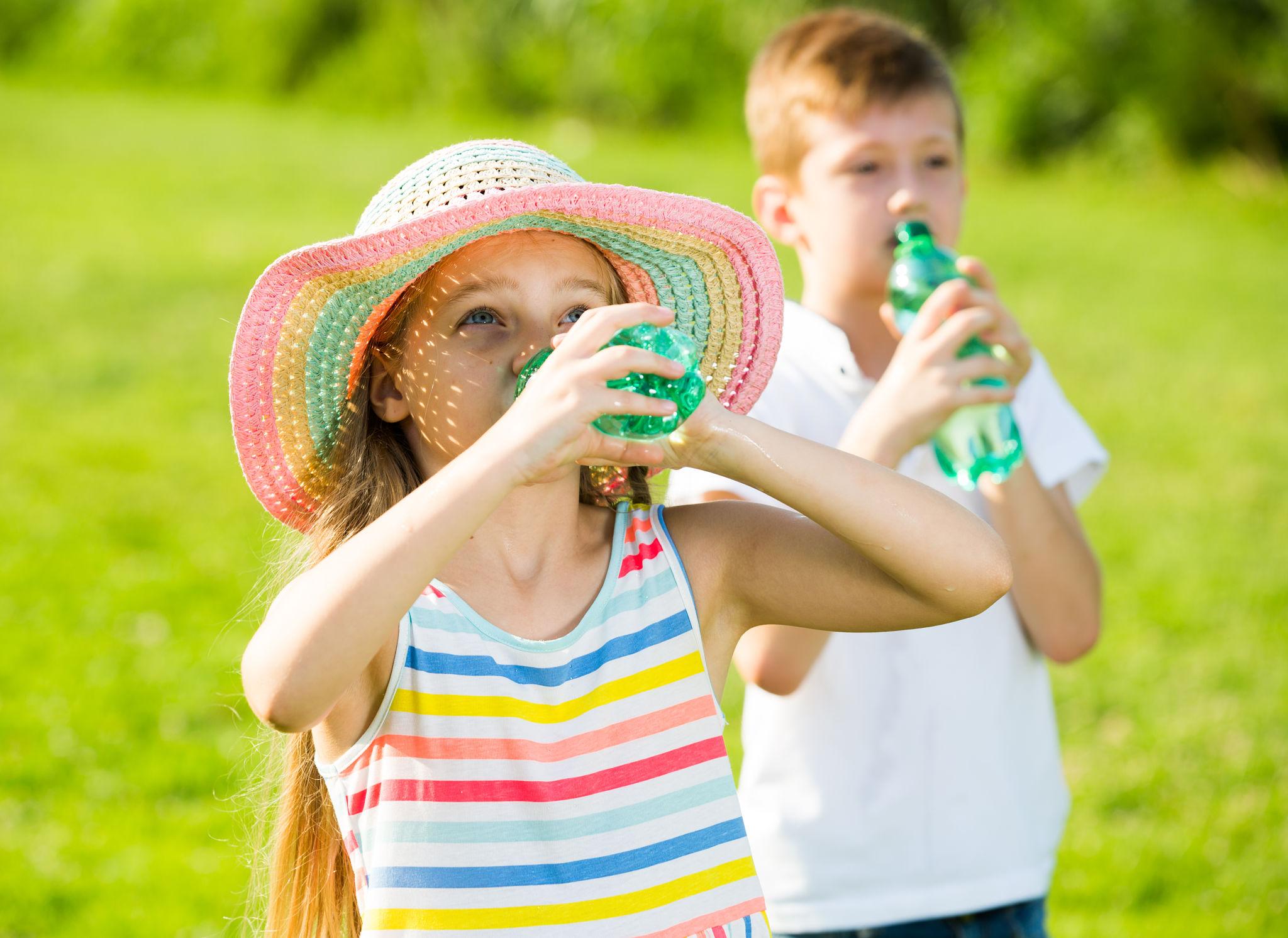
Children are also vulnerable.
They may not understand heat danger.
They run too much.
They forget to drink.
They can overheat quickly in cars, playgrounds or crowded spaces.
Parents have to plan differently.
More shade.
More water.
Less outdoor play at midday.
No waiting in parked cars.
Earlier beach trips.
Later evening walks.
Heat changes parenting.
It adds another layer of attention to every summer day.
Animals Are Suffering Too
The heat is not only a human problem.
Farm animals, pets and wildlife also suffer.
In France, the heatwave has caused major poultry losses and affected farms.
Cows, chickens and other animals struggle when temperatures stay extreme.
Pet owners also need to adapt.
No walking dogs on hot pavement.
More water bowls.
Cooler rooms.
Shade.
Shorter outings.
A heatwave changes how people care for animals too.
Cities Are Learning The Hard Way
European cities were not all built for this level of heat.
Many have dense streets, old buildings, limited shade and apartments without air-conditioning.
Stone and concrete hold heat.
Traffic adds pollution.
Public transport can become uncomfortable.
Green spaces become more important.
Cities now need shade, trees, water points, cooling centres and better housing design.
Urban life is being forced to adapt.
The Heatwave Has A Name
This heatwave has been linked to an “Omega block” weather pattern, which can trap hot air over a region for days.
That matters because the problem is not only one hot afternoon.
It is persistence.
The heat stays.
The nights stay warm.
The body gets less recovery.
Infrastructure gets less recovery.
People get more tired.
A long heatwave is much more dangerous than a single hot day.
Climate Change Is The Bigger Story
Scientists have repeatedly warned that climate change is making heatwaves more frequent, more intense and more dangerous.
Europe is feeling that reality.
The question is no longer whether heatwaves happen.
The question is how societies live with them.
Work rules.
School planning.
Building design.
Health warnings.
Tourism habits.
Energy systems.
Everything must adapt.
Heat is becoming a normal part of planning.
People Are Building New Habits
The new habits are simple but powerful.
Check weather alerts.
Carry water.
Avoid midday sun.
Call older relatives.
Close shutters during the day.
Open windows at night if it cools.
Use fans carefully.
Wear lighter clothing.
Reduce outdoor work.
Plan travel around heat.
These are not luxury tips.
They are survival routines for red-zone summer.
The Final Whistle
Europe’s red-zone summer is changing daily life fast because extreme heat now affects almost everything.
Schools.
Work.
Sleep.
Transport.
Tourism.
Food.
Electricity.
Health.
Family care.
Animal welfare.
The latest heatwave has pushed temperatures above 40°C in parts of Europe, strained infrastructure and forced millions of people to change how they move through the day.
Summer is still summer.
But in the new heat reality, daily life needs a plan.
 Jamal Mahdad, Founder & Editor-in-Chief