

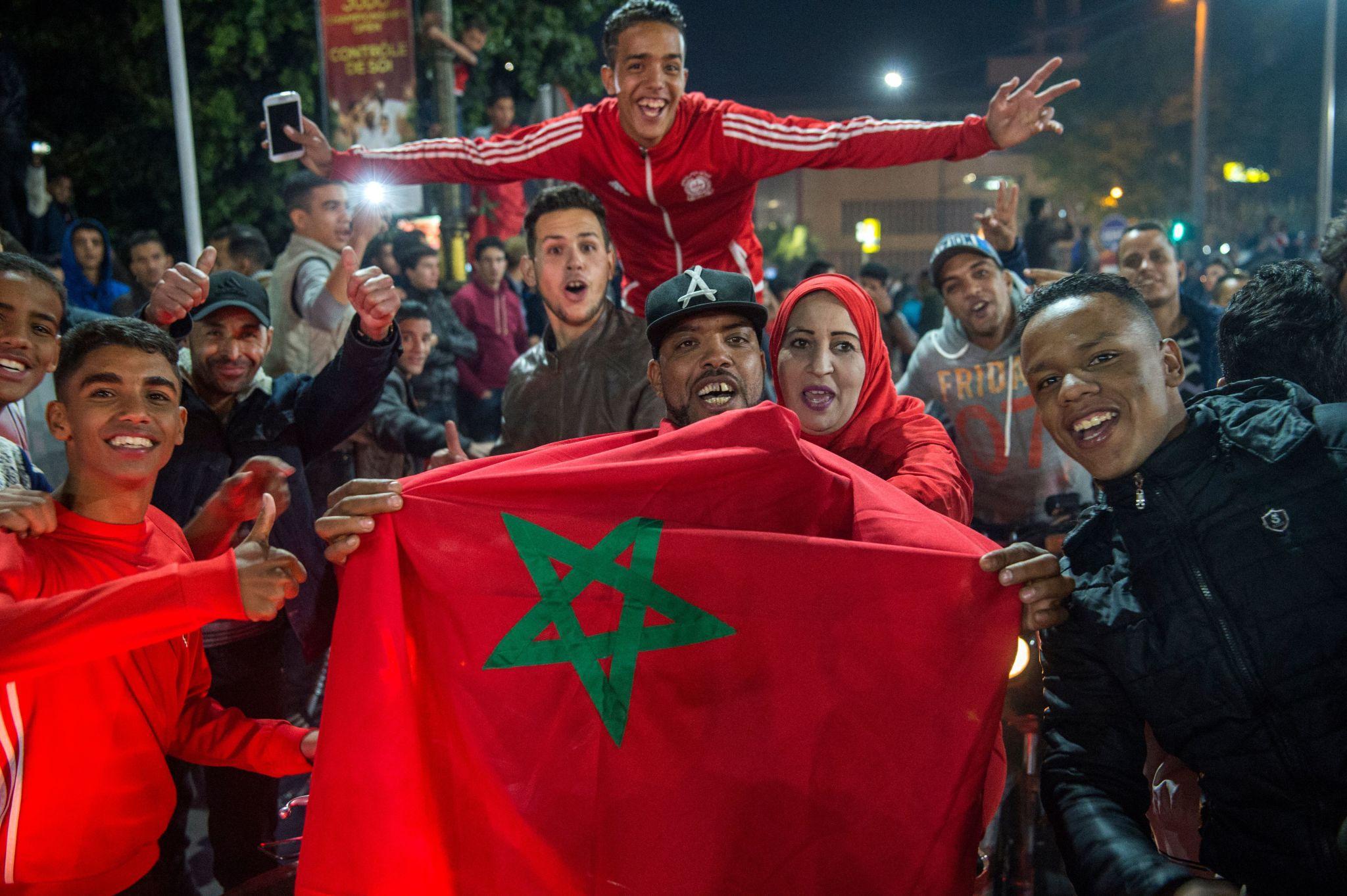
Morocco’s 4-2 comeback win over Haiti did more than send the Atlas Lions into the World Cup Round of 32.
It gave social media exactly what it loves: panic, goals, relief, stars, late drama and a national fanbase ready to turn every moment into content.
The match in Atlanta was chaotic from the start. Haiti led twice. Morocco came back twice. Achraf Hakimi scored. Ismael Saibari answered. Soufiane Rahimi changed the game. Yassine Gessime finished it.
By the final whistle, Morocco had qualified.
Online, the memes had already started.
The Match Became A Content Machine
Some football matches are too slow for social media.
This one was not.
Morocco fell behind after 10 minutes, equalised through Hakimi, fell behind again before halftime, equalised through Saibari, then won it late through Rahimi and Gessime.
That kind of match creates instant reactions.
Shock.
Anger.
Relief.
Celebration.
Jokes.
Fan edits.
Score graphics.
WhatsApp voice notes.
TikTok clips.
Instagram stories.
The game moved so fast that social media had a new emotion every few minutes.
Why Haiti Made The Drama Bigger
Haiti were already eliminated before the match, which made their performance even more surprising.
Morocco entered the game looking for goals and hoping to finish above Brazil in Group C.
Instead, Haiti twice put the Atlas Lions under pressure.
That reversal made the online reaction more intense.
Moroccan fans were not just watching a qualification match. They were watching a scare.
And fear is one of the strongest engines of football memes.
When a team is expected to win but suddenly looks vulnerable, the internet reacts immediately.
Hakimi Gave Fans The First Viral Moment
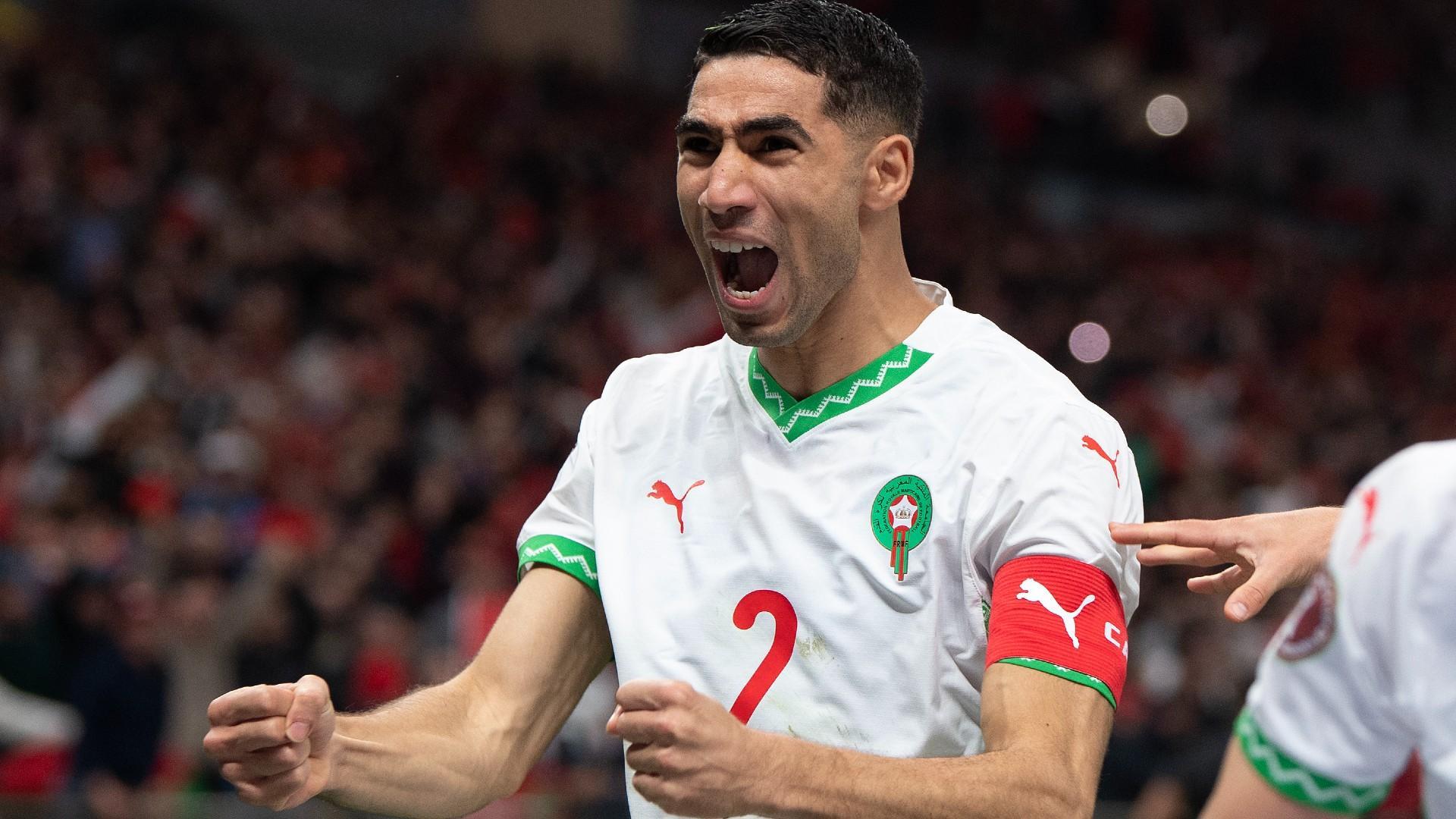
Achraf Hakimi’s equaliser in the 39th minute gave Moroccan fans their first major release.
The goal was not only important on the pitch. It was perfect for social media.
The captain scoring.
Morocco responding.
Fans breathing again.
A star player delivering under pressure.
Hakimi already has the profile to travel online. When he scores in a World Cup match, Moroccan pages, football accounts and diaspora fan groups move quickly.
His goal gave the comeback its first shareable image.
Saibari Kept Morocco Alive
Ismael Saibari then became another major talking point.
His goal before halftime made it 2-2 and stopped the match from turning into a national panic.
For fans, Saibari’s contribution was more than a statistic. It reinforced his growing status as one of Morocco’s most exciting tournament players.
Young, sharp and decisive, he fits the kind of player social media loves.
Every strong performance adds to the image.
Every goal creates a new edit.
Against Haiti, Saibari gave fans another reason to post.
Rahimi Changed The Mood
Soufiane Rahimi’s 78th-minute goal was the emotional turning point.
Until then, the match still felt dangerous.
Morocco had recovered twice, but they had not taken control.
Rahimi changed that.
His goal shifted the online mood from tension to belief. The memes changed too. The panic posts started becoming celebration posts.
That is how football social media works.
One goal can turn criticism into confidence.
One finish can change the whole tone of a fanbase.
Gessime Sealed The Internet Reaction
Yassine Gessime’s late goal made it 4-2 and gave the match its final shape.
That mattered because 3-2 would have felt nervous until the end.
4-2 felt like release.
It allowed fans to laugh, celebrate and move from stress to swagger.
The late goal gave social media permission to turn the night into a party.
By then, Moroccan supporters were already looking ahead to the Netherlands.
The Haiti scare had become a comeback story.
Why Morocco Fans Dominate Online
Morocco’s fanbase has become one of the most visible in world football.
The 2022 World Cup changed the scale.
The Atlas Lions’ semi-final run created a global digital community that has not disappeared. Moroccan fans now react quickly, loudly and creatively across platforms.
Flags appear everywhere.
Players become icons.
Goals become edits.
Match moments become jokes.
Diaspora fans add another layer, posting from Amsterdam, Brussels, Paris, Madrid, Montreal, New York, Doha and beyond.
That global spread helps Morocco trends travel faster.
WhatsApp Is Part Of The Story
Not every viral football reaction happens on public platforms.
For Moroccan fans, WhatsApp matters.
Family groups.
Friend groups.
Work chats.
Café groups.
Diaspora groups.
During a match like Haiti, those chats become live commentary channels.
Voice notes after goals.
Angry messages after mistakes.
Laughing emojis after relief.
Screenshots of scores.
Predictions for the next match.
This private layer is part of the real social media story, even if the public never sees all of it.
The Netherlands Match Raised The Buzz
The Haiti comeback became even more viral because of what came next.
Morocco’s win sent them into a Last-32 tie with the Netherlands.
That instantly added a new emotional layer.
For Dutch-Moroccan fans, the next match is a diaspora supermatch. That means the memes did not stop with Haiti.
They moved straight into Netherlands jokes, orange-shirt debates, family loyalty posts and split-heart reactions.
Morocco qualified.
The internet immediately found the next storyline.
The Best Memes Need Tension
A simple 3-0 win can be enjoyable, but it does not always create the best memes.
The internet prefers tension.
A team falling behind.
A favourite being scared.
A captain rescuing the moment.
Substitutes changing the match.
Fans moving from panic to arrogance in 20 minutes.
Morocco vs Haiti had all of that.
It was not the cleanest win.
But it was extremely shareable.
That is why the match worked so well online.
Players Became Characters
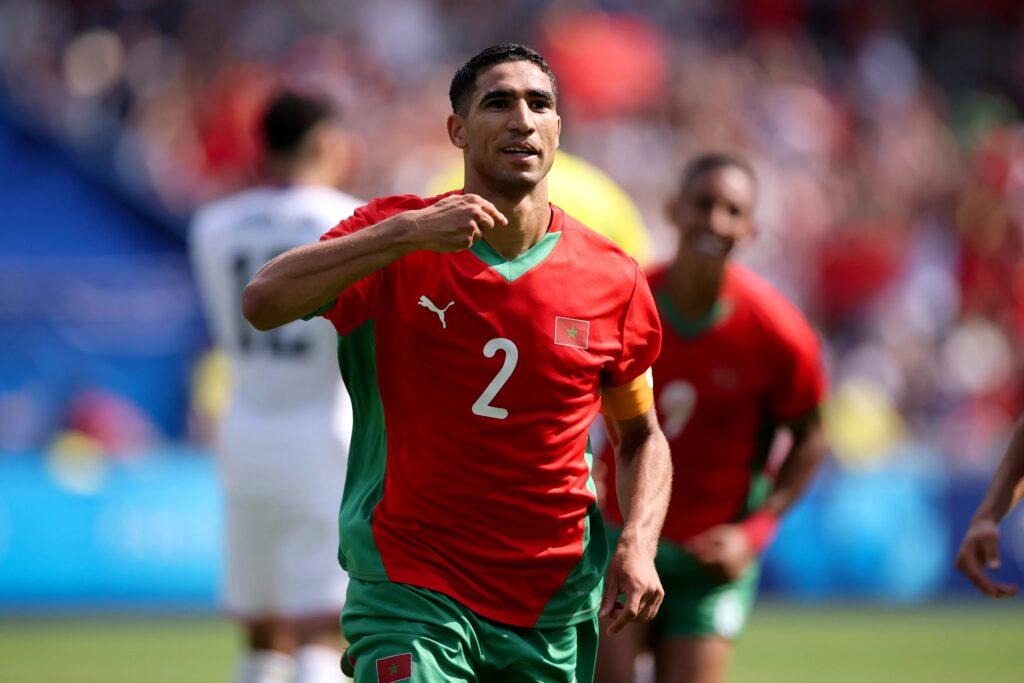
Modern football content turns players into characters.
Hakimi became the captain spark.
Saibari became the rising star.
Rahimi became the game-changer.
Gessime became the closer.
Bounou became part of the early chaos after the own goal.
Each role gave fans something to discuss.
That is what makes football social media powerful. It does not only report goals. It turns the match into a cast, a plot and a set of emotional reactions.
Morocco’s Brand Is Emotional
Morocco’s online football brand is built on emotion.
Family pride.
National identity.
Diaspora energy.
Underdog memory from 2022.
Big flags.
Loud celebrations.
Respect for the shirt.
That emotional brand makes every World Cup moment bigger.
A goal is not only a goal.
A comeback is not only a result.
A qualification is not only a bracket update.
It becomes a shared identity moment across millions of people.
The Haiti Win Was Messy, And That Helped
From a coaching point of view, the Haiti match brought warnings.
Morocco conceded twice and looked vulnerable in phases.
From an entertainment point of view, the mess helped.
Clean wins can feel controlled.
Messy wins feel human.
Fans can joke about the stress.
They can celebrate the comeback.
They can argue about mistakes.
They can debate the line-up.
They can praise the substitutes.
That produces more content than a quiet, routine victory.
Football Social Media Rewards Speed
The modern fan does not wait for full-time analysis.
Reactions happen instantly.
A goal creates a clip.
A mistake creates a meme.
A substitution creates debate.
A camera shot creates a caption.
A celebration creates a viral post.
Morocco’s Haiti match gave fans repeated triggers across 90 minutes.
By the time official reports described the comeback, supporters had already created their own version of the story online.
Why This Belongs In Entertainment
This is not only a sports story.
It is an entertainment story because the match became content.
The drama was watched, clipped, shared, joked about and turned into a digital event.
Fans did not only consume the game.
They produced around it.
That is modern football culture.
The stadium is one stage.
The internet is another.
Morocco won on the pitch, then took over the timeline.
The Bottom Line
Morocco’s wild comeback against Haiti took over football social media because it had every ingredient the internet loves.
A favourite in trouble.
Two Haiti leads.
A Hakimi response.
A Saibari lifeline.
A Rahimi turning point.
A Gessime finish.
A 4-2 scoreline.
A place in the Round of 32.
And then, instantly, a huge Netherlands clash waiting next.
For Morocco fans, it was stressful.
For social media, it was perfect.
Category: Entertainment