

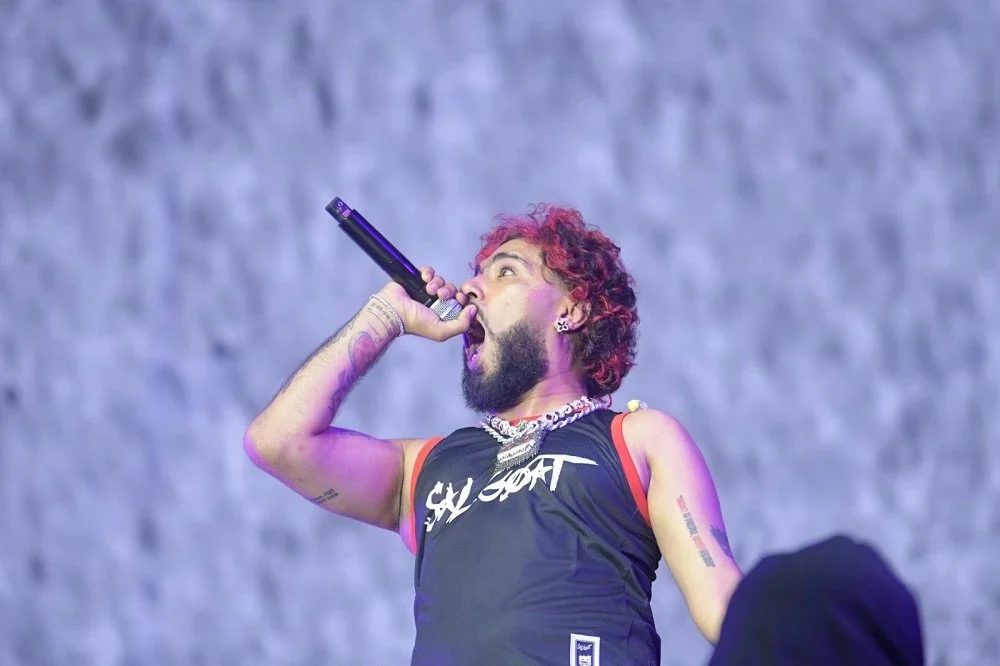
Rabat is closing Mawazine with one of the biggest urban music nights of the summer.
El Grande Toto and Morad are scheduled to perform at Prince Moulay Abdellah Stadium on Saturday, June 27, turning the final night of the festival into a major youth-culture moment for Morocco’s capital.
The concert is not only another show on a busy festival calendar.
It is a signal of how Moroccan and Spanish-Moroccan urban music now sits at the centre of mass entertainment.
Rap, trap, drill, street identity, diaspora sound and stadium-scale energy are no longer side stages.
They are headline business.
The Final-Night Moment
Mawazine’s final Saturday brings a packed programme across Rabat, with concerts spread across several stages.
The official Mawazine programme lists Morad at Prince Moulay Abdellah Stadium at 21:30, while ticket platforms list El Grande Toto and Morad together for the same stadium night.
That makes the stadium one of the key closing points of the festival.
For fans, the message is simple.
Rabat’s weekend finale belongs to urban music.
Why This Concert Matters
Mawazine has always been about scale.
International stars, Arab music, African rhythms, Moroccan performers and public crowds give the festival a unique position in the region.
But the El Grande Toto and Morad night carries a different energy.
It speaks directly to younger audiences.
It brings Moroccan rap and European street music into a stadium setting.
It connects local identity with diaspora culture.
And it shows how urban music has moved from online platforms and neighbourhood scenes into Morocco’s biggest entertainment spaces.
El Grande Toto’s Home Power
El Grande Toto is one of Morocco’s most visible rap names.
His appeal comes from more than streaming numbers.
He represents a local voice that young fans recognise: Moroccan language, street references, humour, energy and the confidence of a generation that consumes music globally but still wants its own sound.
A Mawazine stadium night gives that identity a bigger platform.
For Moroccan fans, the performance is not only about seeing a rapper on stage.
It is about seeing Moroccan urban culture treated as main-event entertainment.
Morad Brings The Diaspora Link
Morad adds a powerful diaspora dimension.
The Spanish-Moroccan artist has built a major following with a sound connected to street rap, immigrant identity, Spanish urban culture and North African roots.
That makes him a natural fit for Mawazine’s global-local mix.
His presence in Rabat gives the night a cross-border feeling.
Morocco, Spain, diaspora neighbourhoods, Arabic, Spanish, street culture and youth music all meet in one show.
For a festival built around “Rhythms of the World,” that connection is exactly the point.
A Stadium Changes The Signal
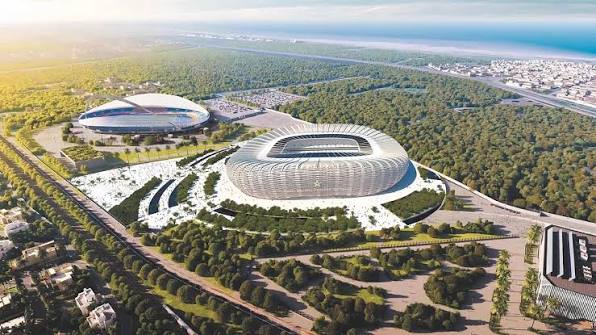
The venue matters.
Prince Moulay Abdellah Stadium is not a small concert hall.
It is a major national venue, associated with big crowds, football energy and mass public events.
Putting urban artists in that space changes the meaning of the show.
It says this music is not niche.
It can carry a stadium.
It can attract thousands.
It can close a major festival weekend.
That is why the location is part of the story.
The stage amplifies the message.
Rabat Becomes The Weekend Magnet
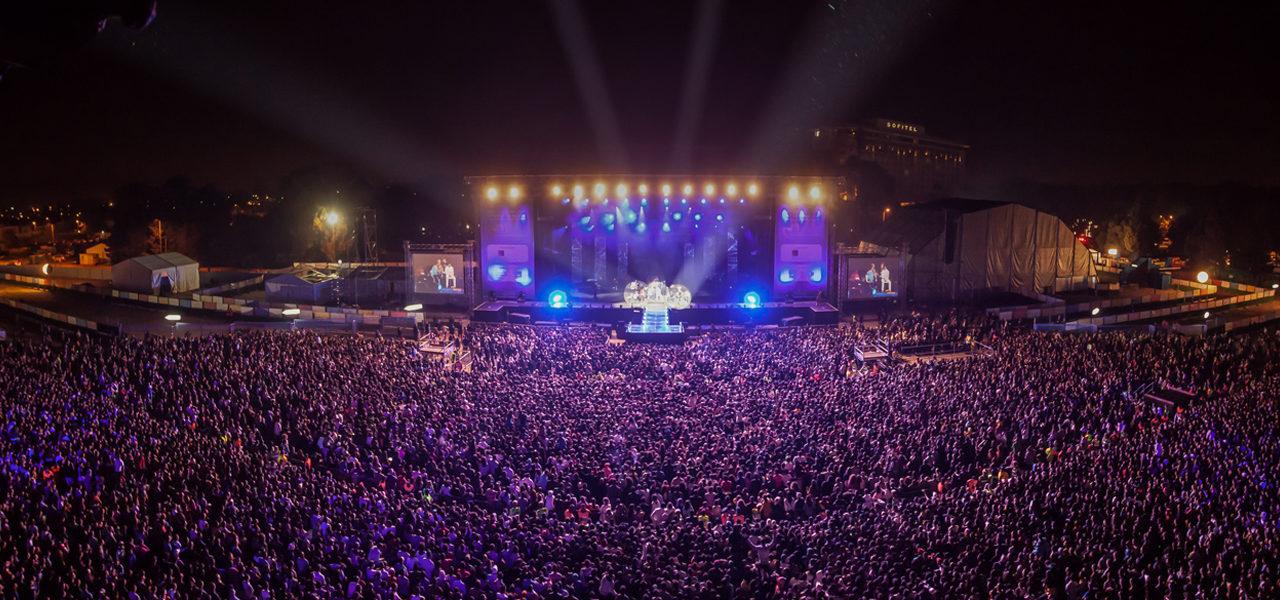
During Mawazine, Rabat changes rhythm.
Hotels, taxis, restaurants, cafés, ticket platforms, street vendors and local businesses all feel the festival effect.
A major final-night concert increases that pressure.
Fans arrive early.
Groups meet across the city.
Traffic patterns shift.
Food and drink demand rises.
Social media fills with clips before the show even begins.
For one weekend night, the capital becomes a music magnet.
That is entertainment, but it is also urban movement.
The Youth Audience Is Central
The El Grande Toto and Morad pairing is clearly built for youth attention.
This is the audience that streams music daily, shares clips instantly, turns lyrics into captions and treats concerts as social-media events.
A strong live performance does not end at the stadium.
It continues on TikTok, Instagram, YouTube Shorts, WhatsApp and fan pages.
Every entrance, chorus, crowd chant and phone-light moment can become content.
That makes the concert valuable beyond ticket sales.
It becomes a digital wave.
Mawazine’s Big Advantage
Mawazine’s advantage is diversity.
One night can bring international pop, Arab stars, African artists, Moroccan acts and heritage performances across different venues.
That mix allows the festival to speak to several audiences at once.
On June 27, the programme also includes names such as Dionne Warwick, Bebe Rexha, Diamond Platnumz, Tamer Hosny and Moroccan acts across Rabat and Salé.
That range is important.
It shows Mawazine is not betting on one genre.
It is building a city-wide entertainment machine.
Urban Music Has Become Mainstream
A decade ago, urban music often felt like a youth subculture.
Now it is mainstream.
Streaming changed the business.
Social media changed discovery.
Diaspora audiences changed language boundaries.
Young fans do not wait for radio approval.
They build stars online, then follow them into real venues.
El Grande Toto and Morad are part of that shift.
Their Mawazine night shows how digital-era artists can now command physical crowds at national scale.
The Moroccan Rap Moment
Moroccan rap has become one of the country’s most visible cultural exports.
It carries local slang, neighbourhood stories, identity, ambition and frustration, but also humour, style and confidence.
For younger Moroccans, it often feels closer to daily life than polished pop.
That gives artists like El Grande Toto strong emotional access to their audience.
A Mawazine stage does not remove that edge.
It brings it into the national spotlight.
The Spanish-Moroccan Connection
Morad’s presence also highlights the deep cultural connection between Morocco and Spain.
Millions of people move, work, study, visit and build family lives across the western Mediterranean.
Music reflects that movement.
Spanish urban sounds with Moroccan roots can travel easily between Barcelona, Madrid, Tangier, Nador, Casablanca and Rabat.
That cross-border identity is one reason Morad’s appearance matters.
It turns the concert into a Mediterranean youth-culture moment.
Security And Organisation Matter
Large concerts succeed when the music and organisation work together.
Stadium entry, transport, crowd flow, ticket checks, security, parking and exit routes all shape the fan experience.
For a final-night Mawazine concert, those details matter even more because the city is already busy.
Fans want energy, but they also want a smooth night.
A major festival is judged not only by the artists it books.
It is judged by how people feel when they arrive and leave.
The Social Media Afterlife
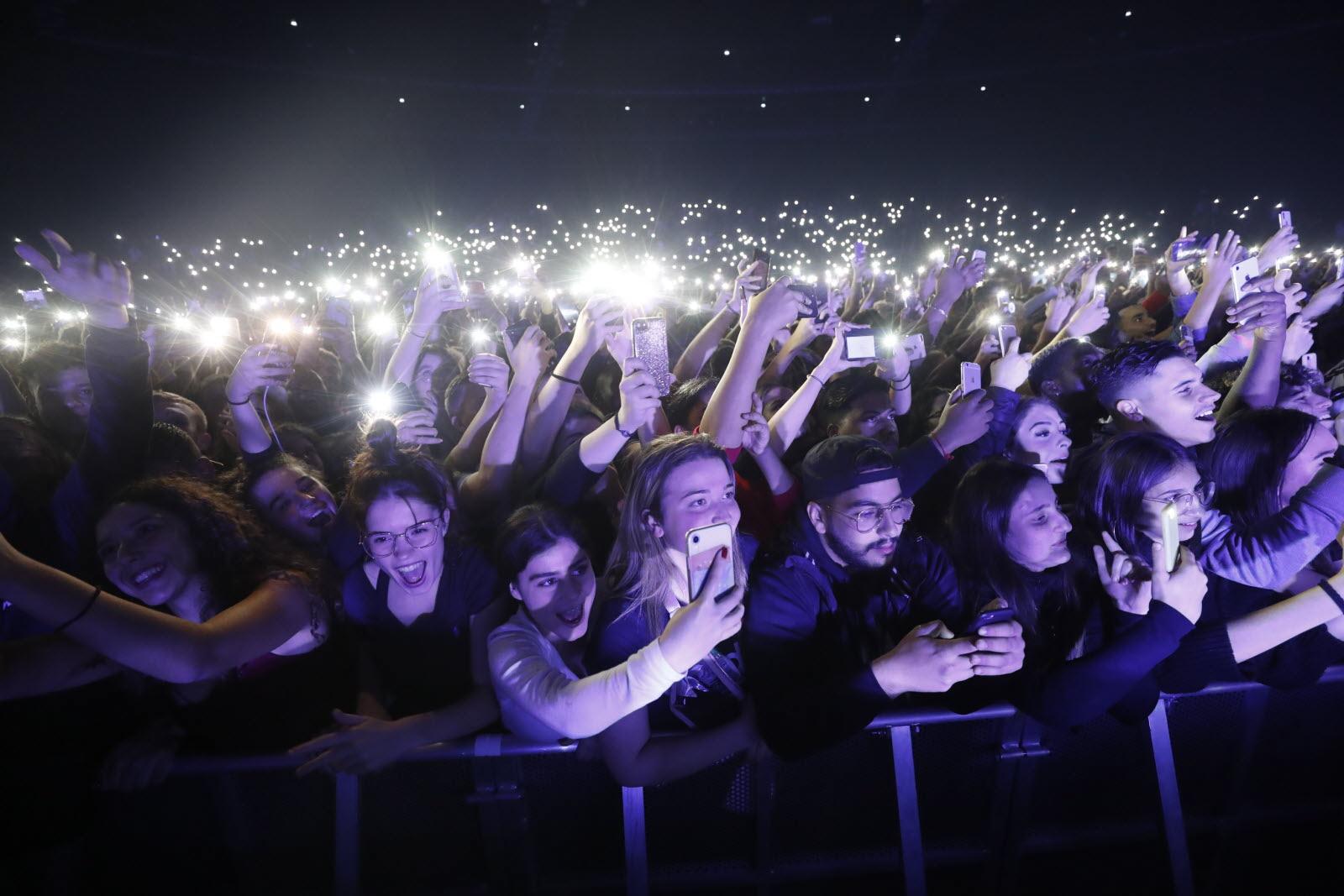
The concert’s impact will not end when the lights go down.
Clips will circulate.
Crowd videos will spread.
Fans will rank the best moments.
Outfits, chants, stage entrances and surprise interactions may all become part of the online afterlife.
That is how modern entertainment works.
The live event is the first version.
The social-media replay is the second.
For Mawazine, this digital afterlife helps extend the festival beyond Rabat.
Why This Belongs In Entertainment
This story belongs in Entertainment because it captures where Moroccan popular culture is going.
A major festival.
A stadium venue.
A Moroccan rap star.
A Spanish-Moroccan urban artist.
A young crowd.
A capital city in festival mode.
A final-night atmosphere built for clips and conversation.
It is not just a concert listing.
It is a snapshot of how urban music has become central to Morocco’s mass entertainment scene.
The Bottom Line
El Grande Toto and Morad are turning Mawazine’s final night into one of Rabat’s biggest weekend music moments.
Their Prince Moulay Abdellah Stadium show brings together Moroccan rap, Spanish-Moroccan diaspora sound, youth culture and festival-scale entertainment.
For fans, it is a night out.
For Rabat, it is a city-wide event.
For Mawazine, it is a clear statement: urban music is no longer outside the main stage.
It is closing the show.
Category: Entertainment
 Martino Oosterveer, Contributing Editor