

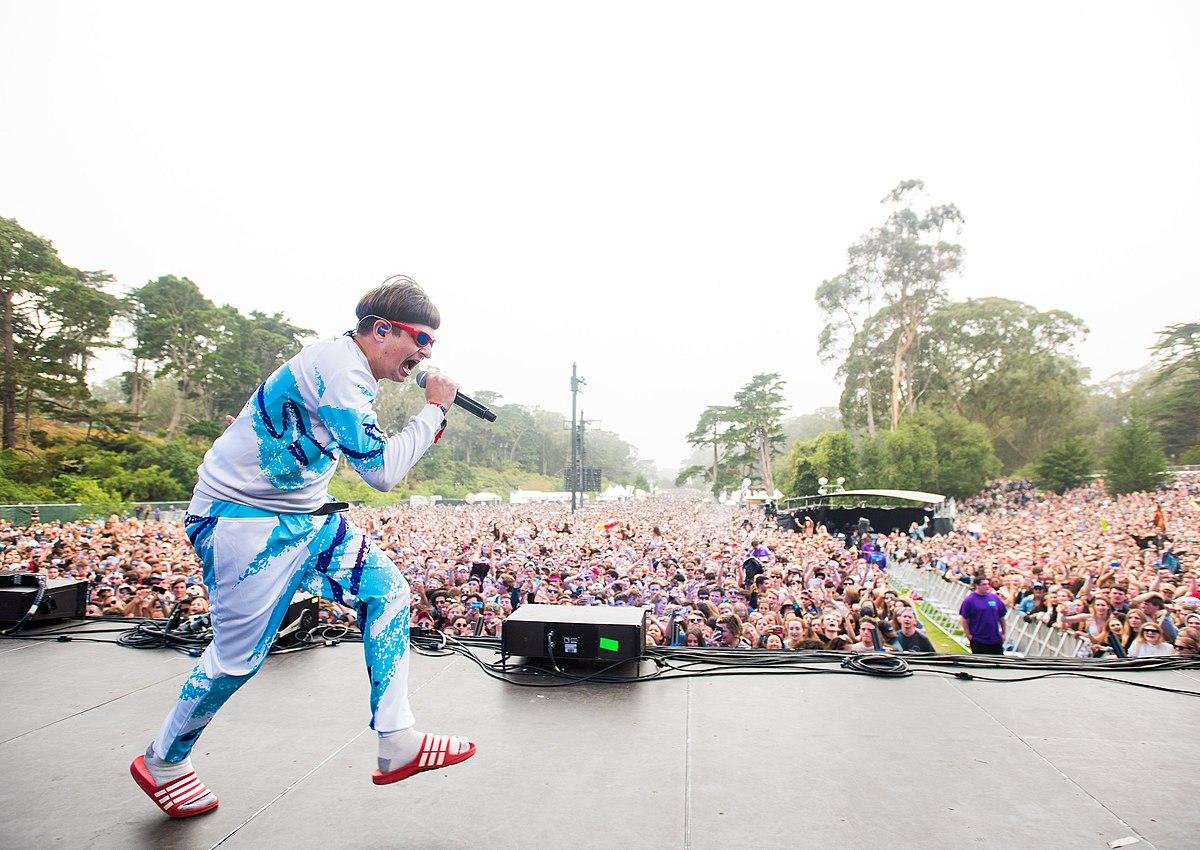
Oliver Tree fans around the world are mourning after the American musician, internet personality and alt-pop performer died in a helicopter crash in Brazil at the age of 32. The crash happened in Rio de Janeiro, where two helicopters collided in mid-air, killing six people. For many fans, the news felt unreal — Oliver Tree was not only a singer. He was a character, a comedian, a stunt performer, a video director, a meme, a fashion statement and an online personality all at once.
Oliver Tree: A Star Built For The Internet Age

The Associated Press reported that Oliver Tree died in a helicopter crash in Rio de Janeiro on June 14, 2026, with the collision involving two helicopters and killing all six onboard. Reports said Tree was in Brazil during a global tour, and his death was confirmed through his official Instagram page. Oliver Tree became famous in a way that felt made for the digital age: his music travelled through streaming platforms, his image through memes, his videos through YouTube, TikTok and Instagram. His personality blurred the line between joke and performance, making him more than a chart name — he was an internet figure whose weirdness was understood as part of the art.
His best-known songs include Life Goes On, Miss You, Alien Boy and Hurt. These tracks moved across streaming platforms and social media, helping him build a global fanbase that stretched far beyond traditional alternative-pop circles. His music mixed alternative rock, pop, electronic sounds, hip-hop edges and comic presentation — it was not easy to label, and that helped it travel.
The Internet Reacts: Tributes Spread Fast

After the crash, tributes spread quickly online. Fans posted clips, songs, old interviews, performance videos and messages about how his music had shaped their teenage years, internet humour or alternative-pop taste. AP reported that tributes came from artists including Kid Cudi, Melanie Martinez and Bebe Rexha — a range that says something about Tree’s position in music culture. He sat between scenes: alternative fans, pop fans and internet fans all knew him, and artists recognised that his work was more than a joke even when comedy was part of the package.
A Generation That Found Him Online

The shock spread quickly because Oliver Tree’s career was native to online culture. He was the kind of artist people discovered through clips, not radio. Memories of him live in the same spaces where news of his death spread: TikTok edits, YouTube comments, Instagram tributes, X posts, fan pages, Spotify screenshots and old memes. For many people, mourning happened inside the platforms where they first met his work. Fans described him as strange, funny, original, chaotic and impossible to categorise — and in internet culture, being impossible to copy is a rare achievement.
After his death, reports also focused on Tree’s planned foundation. Page Six reported that his family said they would honour a final wish written into his will by launching a foundation to support emerging artists. The idea of helping new creators fits his image exactly: a performer who built a world from strange ideas, self-direction, videos and characters that did not fit neatly into one box.