
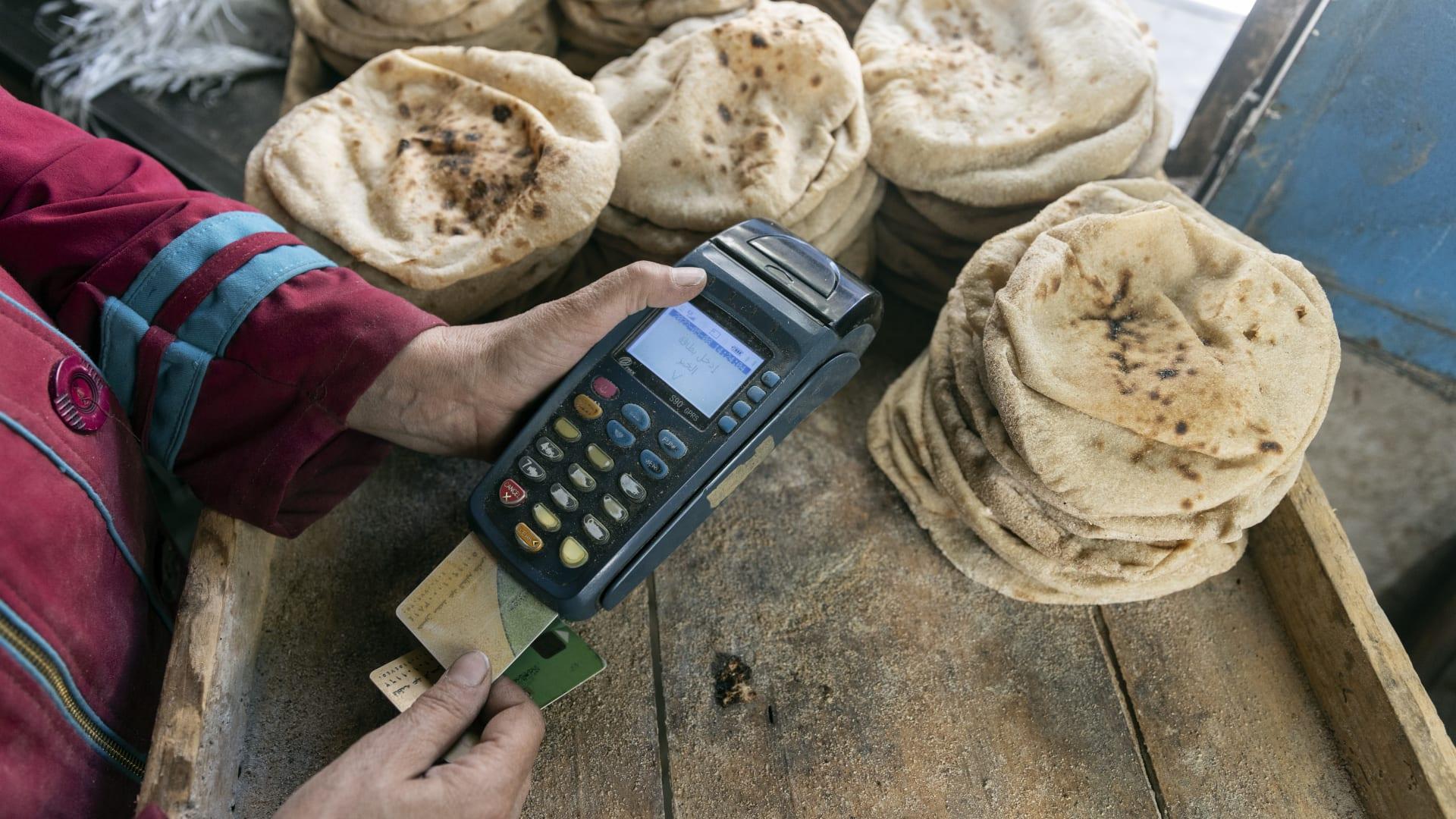
The Cashless Counter is becoming one of Morocco’s most important small-business tests.
The country can announce lower electronic payment fees, promote digital inclusion and prepare for a more modern retail economy. But the real verdict will not be written inside a banking circular. It will be written at the counter of the small shop, the café, the bakery, the local service provider and the neighbourhood business where cash still feels faster, safer and more familiar.
Morocco’s digital payment transition is no longer only a banking story. It is a trust story.
Cashless Counter: The Real Test Is Adoption
The Cashless Counter matters because payment reform only works when merchants actually change behaviour.
A fee cap can reduce the cost of electronic payments. A support fund can help with equipment. Banks and payment providers can promote terminals, QR codes and mobile wallets.
But small merchants do not adopt new tools because the system tells them to modernise. They adopt them when the business case becomes clear.
Does the transaction cost less?
Does the money arrive quickly?
Is the device reliable?
Can the merchant understand the fees?
Will customers use it often enough?
Will digital payments bring growth, or only more administration?
Those are the practical questions that decide whether reform reaches the street.
Lower Fees Remove One Barrier
The fee change is important because cost has always been one of the strongest objections from small merchants.
If a shop operates on thin margins, every percentage point matters. A large retailer can absorb payment fees more easily because it has scale, stronger systems and higher transaction volume. A small merchant looks at the same fee and sees pressure on already narrow profit.
That is why the new cap matters.
Bank Al-Maghrib’s move to reduce the general ceiling for domestic electronic payment fees and introduce a much lower rate for small local merchants gives digital payments a better chance of becoming normal.
It does not solve every problem.
But it removes one of the easiest reasons to refuse.
Cash Still Feels Safer To Many Merchants
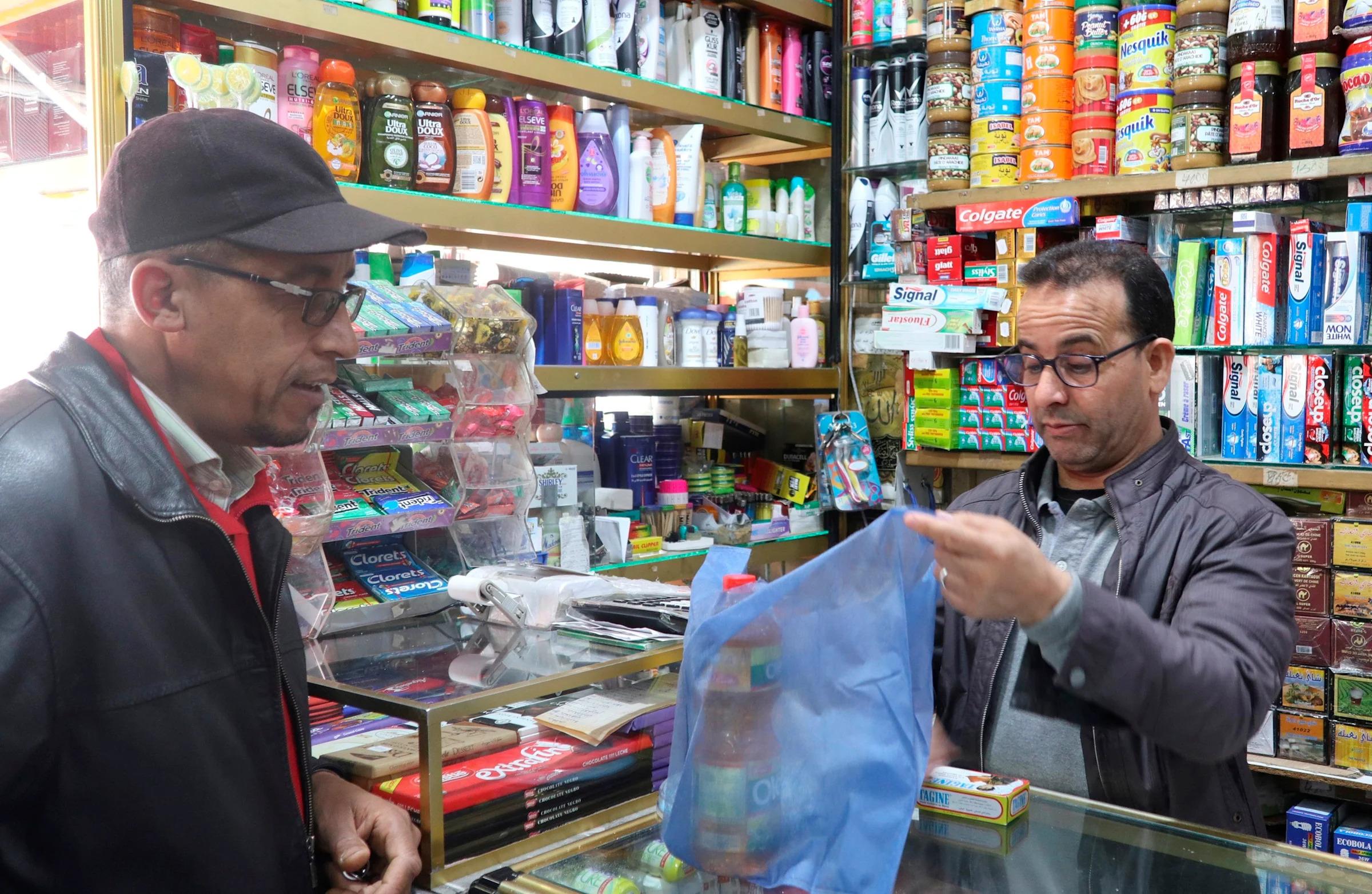
The biggest competitor to digital payment in Morocco is not another technology.
It is habit.
Cash is immediate. It is visible. It does not depend on a terminal, a bank app, a network connection or a settlement schedule. For many small businesses, cash also feels private and simple.
That emotional advantage is powerful.
A merchant who has always operated with cash may see digital payments as exposure, not convenience. They may worry about taxes, bank scrutiny, refunds, chargebacks, technical problems or hidden fees.
The digital shift will not succeed by pretending those fears do not exist.
It will succeed only if the system becomes simple enough and trusted enough to overcome them.
Support Must Reach The Smallest Shops
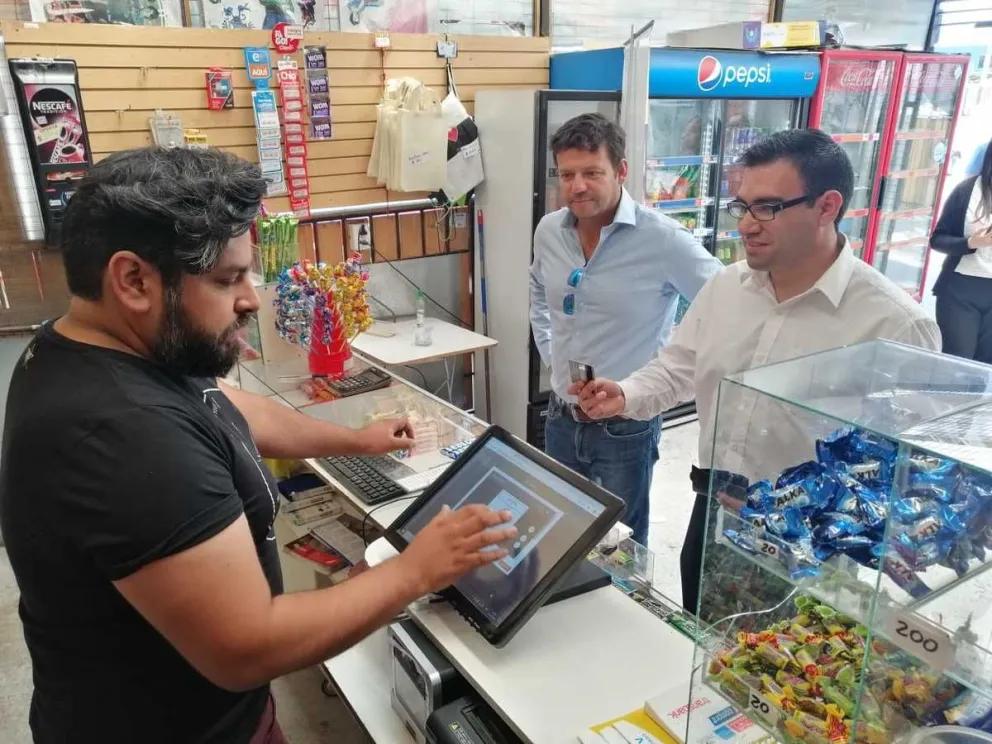
The government’s planned support mechanism for small and medium-sized merchants is therefore central to the reform.
Small shops do not only need lower fees. They need onboarding, training, equipment, clear pricing and fast technical support. A merchant cannot be expected to join the digital economy if the process feels bureaucratic, expensive or confusing.
This is where execution matters.
If the support fund is easy to access, it can accelerate adoption. If it becomes slow, unclear or administratively heavy, the smallest merchants may stay outside the system.
Morocco’s payment reform will be judged by inclusion, not announcements.
The question is whether the local shopkeeper can actually use it.
Consumers Must Not Be Punished For Paying Digitally
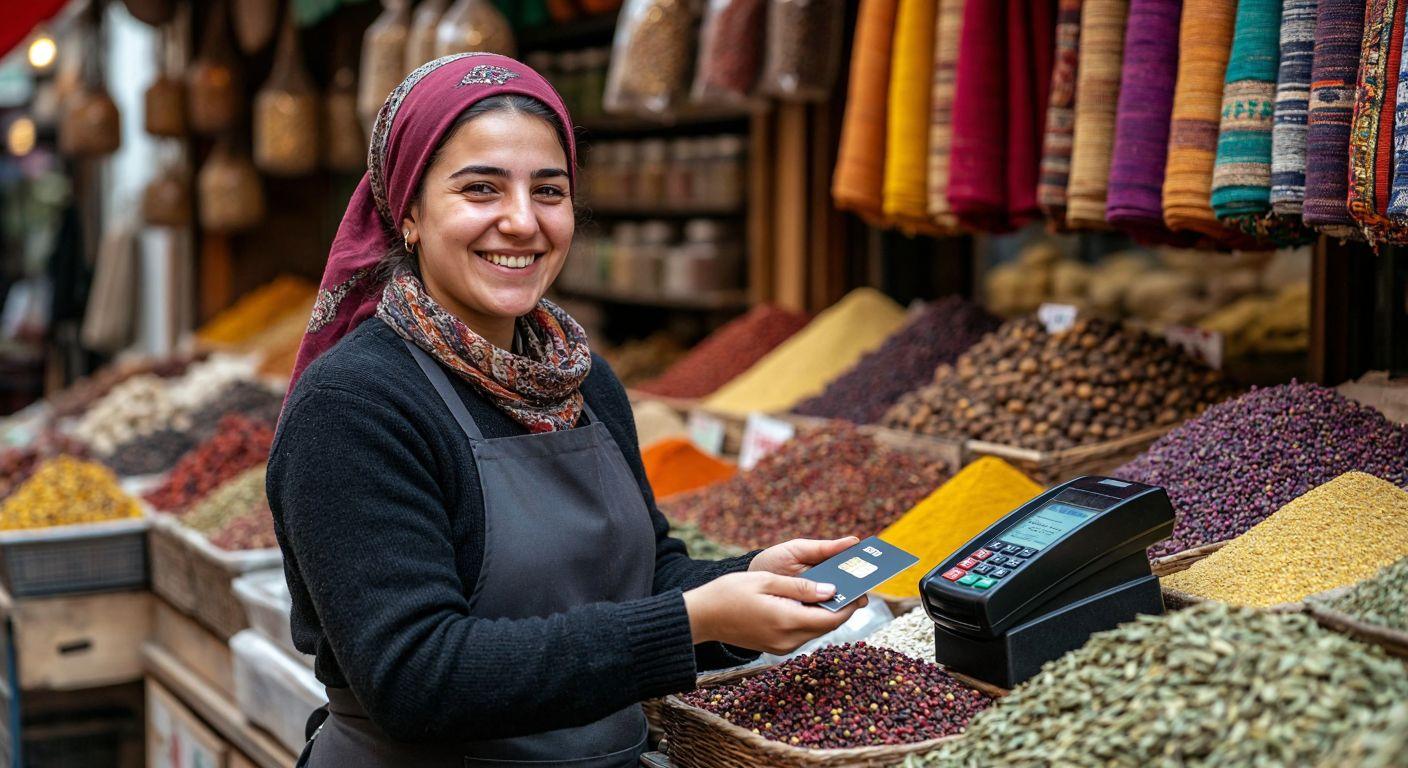
There is another sensitive point: consumers must not feel punished for using electronic payments.
If customers are charged extra at the counter, they will quickly learn that cash is cheaper. That would weaken the entire transition.
A digital payment culture needs trust on both sides.
The merchant must feel the cost is fair. The customer must feel the price is clean. The transaction must feel normal, not like an exception that creates tension at the register.
This is especially important in tourism, where visitors expect simple card and mobile payment options. A country preparing for 2030 cannot offer world-class airports, stadiums and hotels while small daily transactions remain unpredictable.
A modern visitor economy is built in small moments.
The Digital Payment Test Is Also A Formalisation Test
The payment shift connects directly to Morocco’s wider economic structure.
A cash-heavy economy is harder to measure, harder to finance and harder to integrate into formal growth. Electronic payments create records. Those records can help merchants manage sales, access credit, improve accounting and build a more credible business profile.
But formalisation is sensitive.
If small merchants believe digital payments are only a path to more tax pressure or more surveillance, they may resist. The state and financial sector must therefore frame digital adoption as a growth tool, not only a control tool.
The message must be practical: better payments can mean more customers, better records, easier financing and stronger business resilience.
Without that trust, cash will remain the default.
Banks Must Compete On Simplicity
Banks and payment providers now have their own test.
It is not enough to say Morocco needs more electronic payments. The products must be easy to use.
The winning providers will be those that offer transparent pricing, fast setup, reliable terminals, simple QR options, responsive support and settlement that merchants can understand.
Financial inclusion often fails when institutions design products around their own internal logic rather than the user’s daily reality.
A small merchant does not want a complex payment ecosystem.
They want the customer to pay, the money to arrive, and the fee to be clear.
That is the standard.
Mobile Payments Need A Stronger Habit Loop
Morocco also has room to strengthen mobile and QR-based payments.
The technology can exist before the habit does. That is a common problem in digital finance. Consumers may have wallets but not use them often. Merchants may technically accept digital payments but still prefer cash. Banks may promote new tools without making them part of daily behaviour.
The habit loop must become stronger.
Customers need to see merchants accepting digital payments regularly. Merchants need to see customers asking for them. Payment providers need to make the process fast enough that neither side feels delayed.
Only then does a payment system become culture.
The Tourism Angle Is Bigger Than It Looks
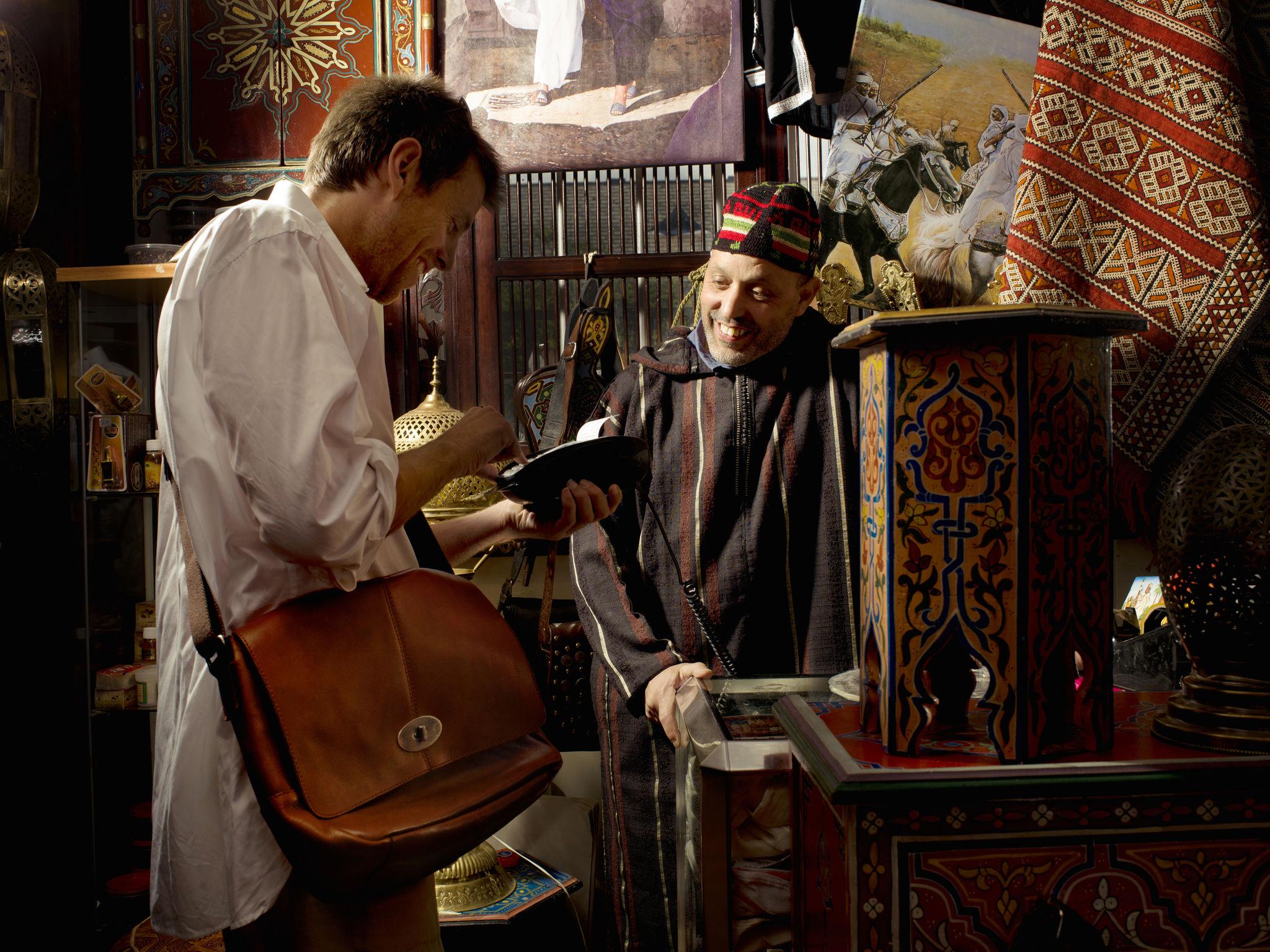
The Cashless Counter is also a travel issue.
Tourists judge a country through small transactions. A coffee, a taxi, a snack, a local shop, a guide, a museum ticket or a street-food purchase can shape the feeling of convenience.
If those moments require cash too often, the visitor experience feels less modern.
Morocco is preparing for a larger global audience before 2030, and payment ease should be treated as part of visitor infrastructure. Airports and rail links may bring tourists into the country, but everyday payments decide how smooth the trip feels once they arrive.
For a modern tourism economy, cashless options are no longer a luxury.
They are expected.
The Bottom Line
The Cashless Counter is where Morocco’s digital payment reform will either succeed or stall.
Lower fees, including the reduced rate for small local merchants, can make electronic payments more attractive. Government support can help smaller businesses adopt the tools. Banks and payment providers can make the system easier, cheaper and more reliable.
But the real test is trust.
Small merchants must believe digital payments help their business rather than expose it to new costs, confusion or control. Consumers must feel that paying electronically is normal and fair. Tourists must experience Morocco as convenient at the level of daily transactions, not only major infrastructure.
The future of Morocco’s cashless economy will not be decided in a boardroom.
It will be decided at the counter.