

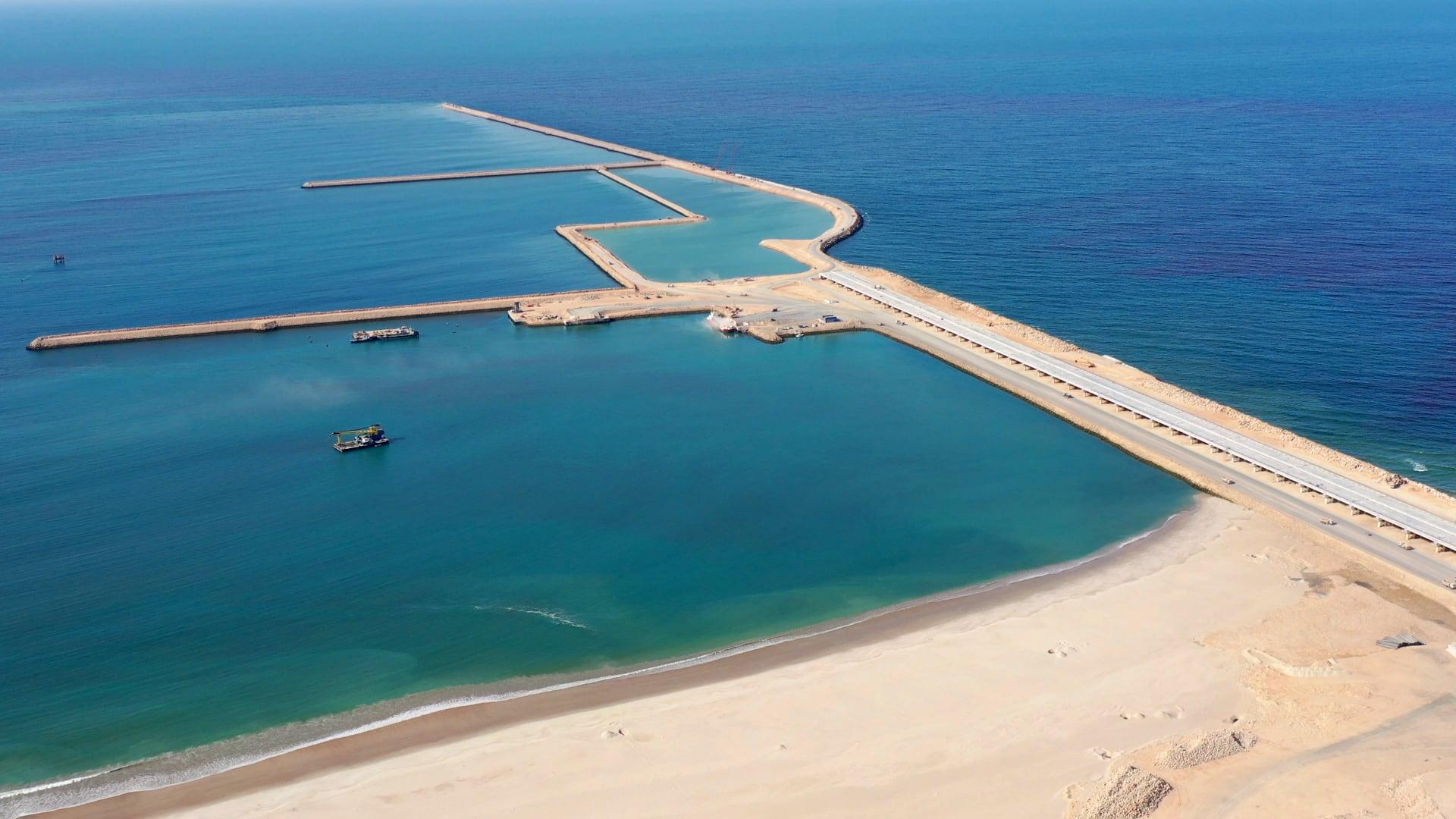
Morocco is building more than a port.
It is building a new Atlantic gateway.
The Dakhla Atlantic Port is moving forward on Morocco’s southern Atlantic coast, with construction reported at more than 60% complete.
For Morocco, this is a major infrastructure project.
For the region, it could become a new trade, logistics and maritime link between Africa, Europe and the wider Atlantic world.
That is why Dakhla is becoming a strategic global story.
A Port With Big Ambition
Ports are not just places where ships arrive.
They shape trade routes.
They create jobs.
They attract factories.
They support fisheries.
They connect regions to global markets.
That is why the Dakhla Atlantic Port matters.
It is designed to give Morocco another major maritime platform on the Atlantic, far south of the country’s existing industrial and port hubs.
The message is clear.
Morocco wants its Atlantic coast to become a bigger part of its economic future.
Construction Is Moving Forward
Recent reports say construction at the Dakhla Atlantic Port has passed the 60% mark.
That matters because this is no longer only a plan on paper.
It is a physical project taking shape.
The port is expected to become one of Morocco’s major deepwater infrastructure assets, with completion targeted before the end of the decade.
Each stage of progress makes the project more visible.
And each visible step strengthens Dakhla’s position in Morocco’s long-term Atlantic strategy.
Dakhla Changes The Map
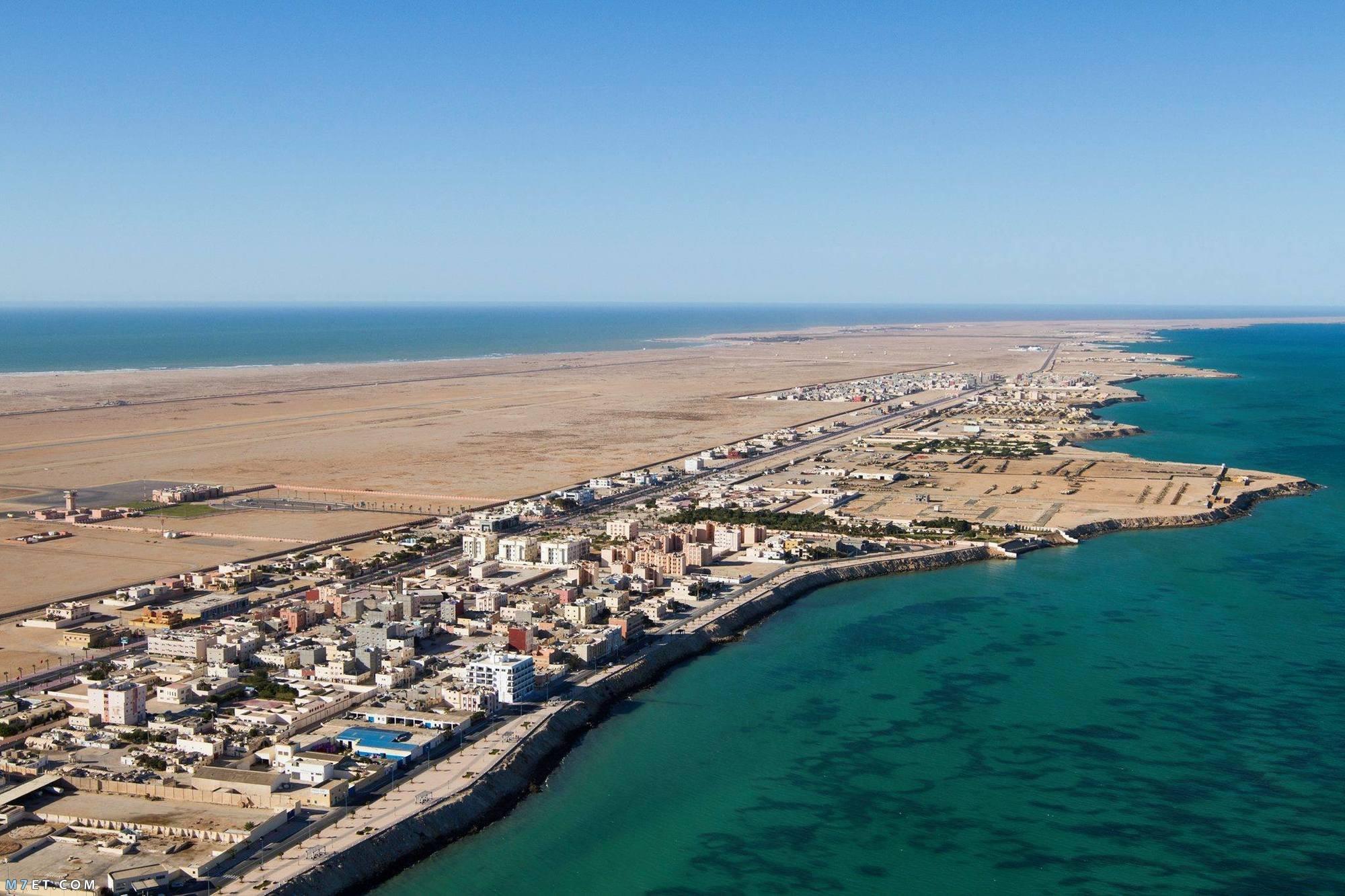
For many people, Morocco’s port story begins with Tanger Med.
That makes sense.
Tanger Med has become one of Africa’s biggest logistics success stories, connecting Morocco to Europe and global trade routes.
But Dakhla adds a different geography.
It looks south and west.
It faces the Atlantic.
It sits closer to West African routes.
It can support trade, fisheries, logistics and future industrial activity in a region that Morocco wants to develop more deeply.
That is why Dakhla is not simply another port.
It changes the map.
The Atlantic Is Becoming More Important
The Atlantic coast is becoming a strategic asset for Morocco.
Global supply chains are shifting.
Energy routes are changing.
African trade corridors are developing.
West African markets are growing.
Ports that can connect regions quickly and reliably are becoming more valuable.
Dakhla fits into that bigger picture.
It gives Morocco another maritime tool at a time when trade, food security, energy and logistics are becoming more strategic worldwide.
A Gateway Toward West Africa
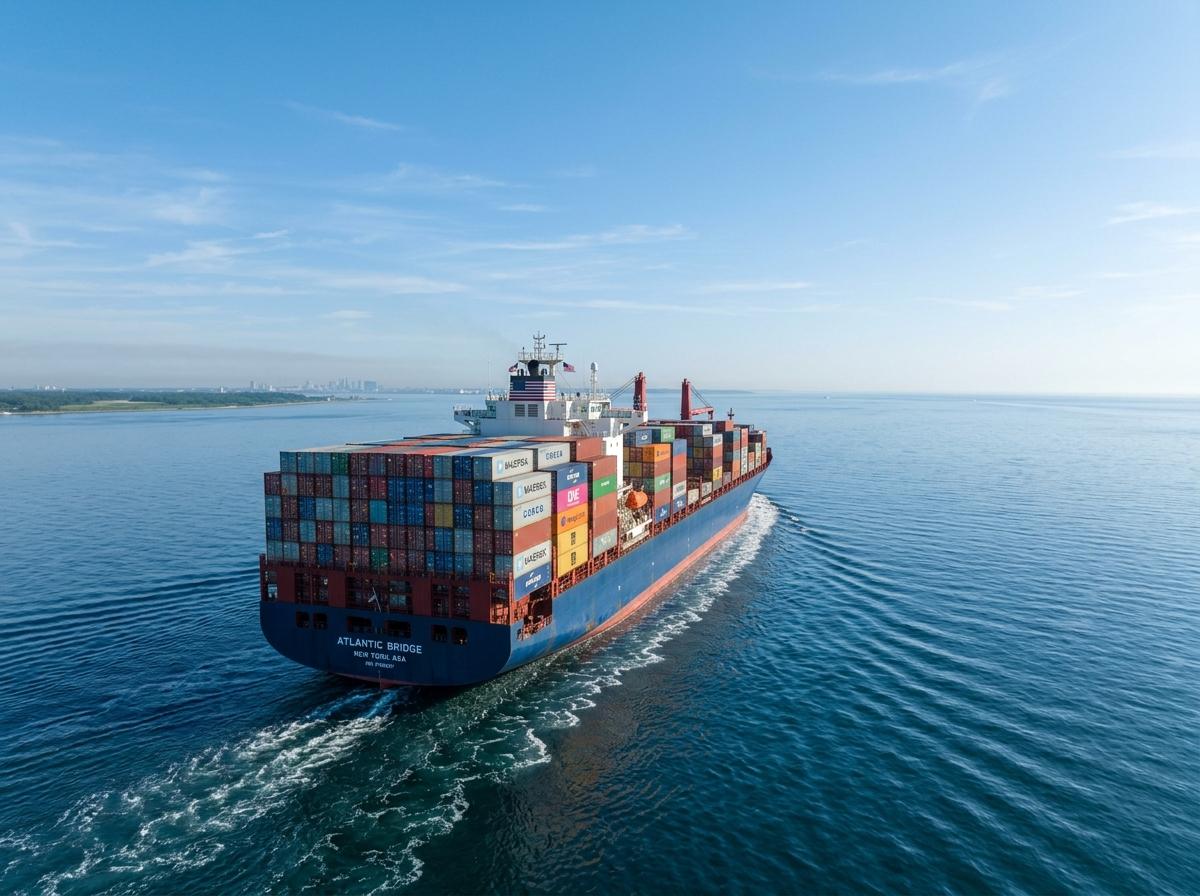
One of the most important parts of the Dakhla story is its connection to West Africa.
Morocco has been building stronger economic, diplomatic and trade links across the continent.
A port in Dakhla can support that ambition by giving businesses another Atlantic-facing platform for movement of goods.
That could matter for exports.
It could matter for imports.
It could matter for fisheries.
It could matter for industrial zones.
It could matter for future logistics corridors.
In global trade, location is power.
Fisheries Are Part Of The Story
Dakhla is already known for its maritime and fishing potential.
A stronger port platform can help support seafood activity, cold chain logistics and value-added processing.
That matters because fisheries are not only about catching fish.
They are about storage.
Packaging.
Exports.
Jobs.
Quality control.
Transport.
A modern port can help turn natural maritime resources into a stronger economic chain.
That is the kind of local impact people can understand.
The Project Could Create Jobs
Infrastructure projects matter most when they create opportunity.
Reports have described thousands of jobs linked directly and indirectly to the construction phase, with bigger employment hopes once port-related industries develop around the site.
That is the real test.
A port is not only concrete, cranes and docks.
It becomes powerful when businesses, workers and services grow around it.
Logistics companies.
Food processors.
Maintenance firms.
Transport operators.
Warehouses.
Hotels.
Shops.
Training centres.
That is how a port becomes a regional engine.
Dakhla Also Has Tourism Power
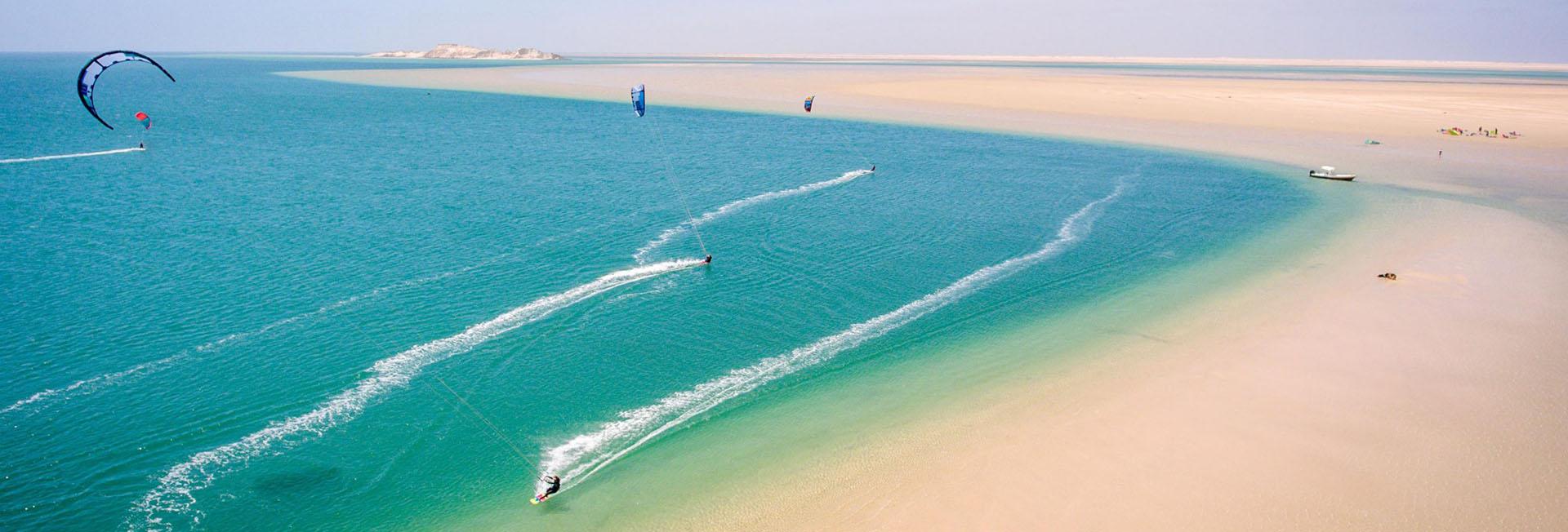
Dakhla is not only an infrastructure story.
It is also a travel name.
The city is already known for wind, water sports, desert-meets-ocean scenery and a different kind of Moroccan escape.
A major port will not replace that image.
But it could bring more roads, services, visibility and business travel to the region.
That mix can be powerful if managed carefully.
Dakhla can become both a lifestyle destination and a strategic logistics hub.
The challenge is balancing growth with identity.
Morocco’s 2030 Vision Adds Context
The timing matters.
Morocco is preparing to co-host the 2030 FIFA World Cup with Spain and Portugal.
That event is pushing investment in airports, roads, hotels, rail, stadiums and city services.
But Morocco’s infrastructure vision is bigger than football.
Projects like Dakhla Atlantic Port show that the Kingdom is also thinking about long-term trade and regional positioning.
The World Cup brings attention.
Ports build power.
Tanger Med Proved The Model
Morocco already knows what a successful port can do.
Tanger Med changed the economic story of northern Morocco.
It helped attract factories, exports, logistics services and global companies.
Dakhla will not copy Tanger Med exactly.
The geography, sectors and regional mission are different.
But the lesson is clear.
If a port is connected to roads, industrial zones, customs efficiency and investor confidence, it can reshape a region.
That is the ambition Dakhla now carries.
The Global Story Is About Corridors
The world is increasingly about corridors.
Trade corridors.
Energy corridors.
Food corridors.
Digital corridors.
Transport corridors.
Countries that build strong connections can gain influence.
Dakhla Atlantic Port sits inside that global logic.
It is about more than ships.
It is about Morocco positioning itself between continents, markets and future supply chains.
That is why the project matters outside Morocco too.
There Are Challenges Ahead
Big ports are never easy.
They require major capital.
Strong management.
Environmental care.
Logistics planning.
Private investment.
Skilled workers.
Reliable road connections.
Clear commercial strategy.
A port also needs traffic.
Ships and businesses must use it.
That is why progress on construction is important, but not the full story.
The real success will come when Dakhla becomes operational and attracts sustained trade.
Why The World Should Watch
Dakhla is becoming a global story because it shows how Morocco sees its future.
Not only as a tourist destination.
Not only as a football host.
Not only as a manufacturing platform.
But as an Atlantic power with links to Europe, Africa and wider maritime routes.
That is a bigger identity.
It places Morocco inside global conversations about trade, logistics, food, energy and regional development.
For a single port project, that is a lot of meaning.
The Final Whistle
The Dakhla Atlantic Port is becoming one of Morocco’s most strategic infrastructure stories.
With construction reported at more than 60% complete, the project is moving from vision to reality on the Kingdom’s southern Atlantic coast.
Its promise is clear: a new maritime gateway for trade, fisheries, logistics, jobs and deeper links with West Africa and the wider Atlantic world.
The port is not finished yet.
But the direction is already visible.
Morocco is not only looking north.
It is looking west, south and global.
 Jamal Mahdad, Founder & Editor-in-Chief