

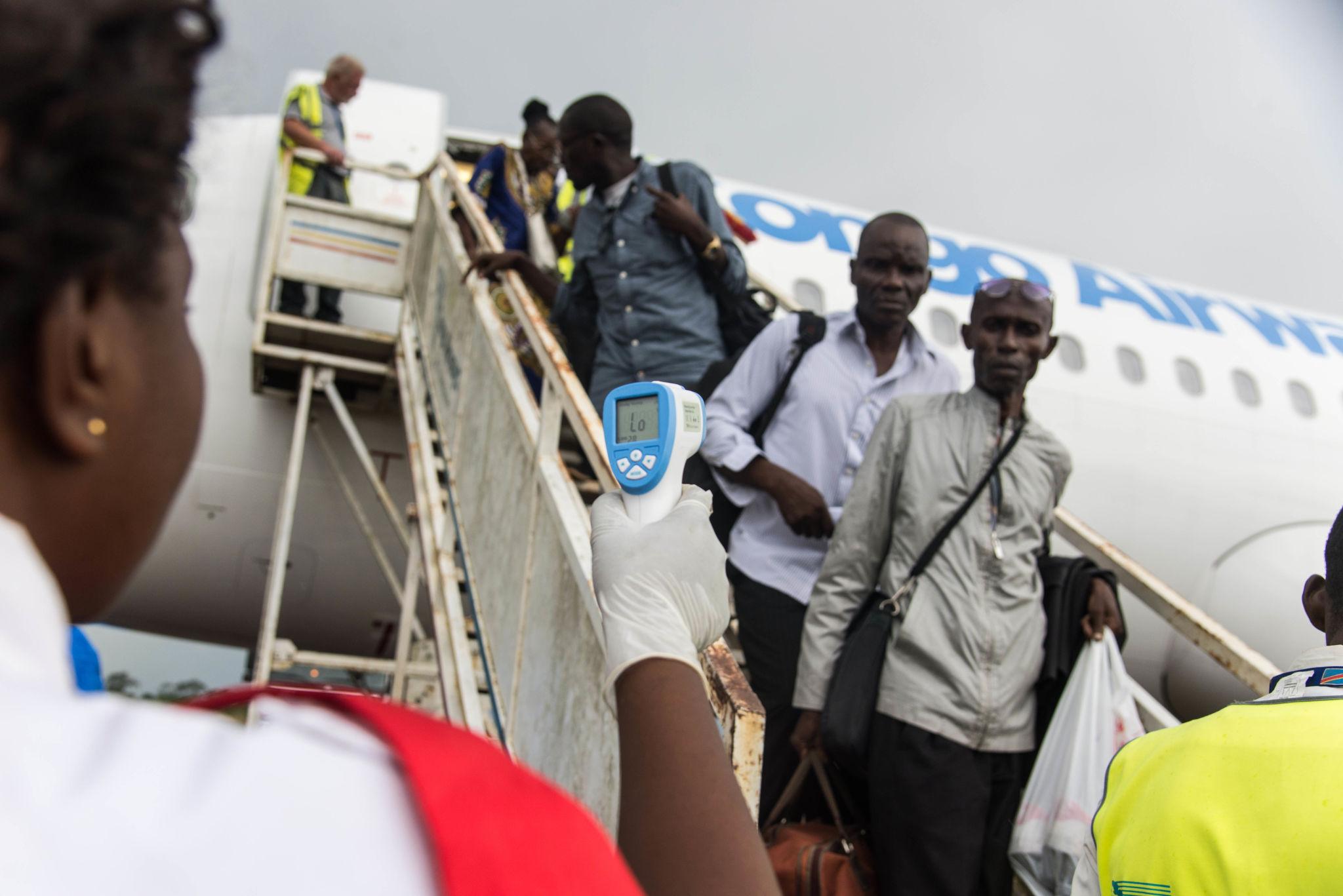
The Ebola Travel Wall is turning international mobility into a public-health security test, as the United States moves to block some citizens in the Democratic Republic of Congo from returning home directly on commercial flights.
The measure is extraordinary because it touches one of the most sensitive questions in modern travel policy: how far a government can go when the person being restricted is not a foreign visitor, but its own citizen.
Public health is the reason.
Mobility is the battleground.
Ebola Travel Wall Changes The Travel Logic
The Ebola Travel Wall matters because the traditional travel-risk model is being reversed.
Usually, countries restrict foreign travellers first. Citizens may face screening, quarantine or routing rules, but the idea of being blocked from immediate return sits in a much more difficult legal and emotional space.
Reuters reports that U.S. citizens in Congo, or those who recently left, will be placed on a “do-not-board” list until they have spent at least 21 days in a third country. The order is being taken under a transportation authority known as Title 49, according to the report.
That changes the meaning of travel.
A passport may still prove nationality, but it may no longer guarantee immediate boarding when public-health risk becomes severe.
The 21-Day Rule Is About Incubation
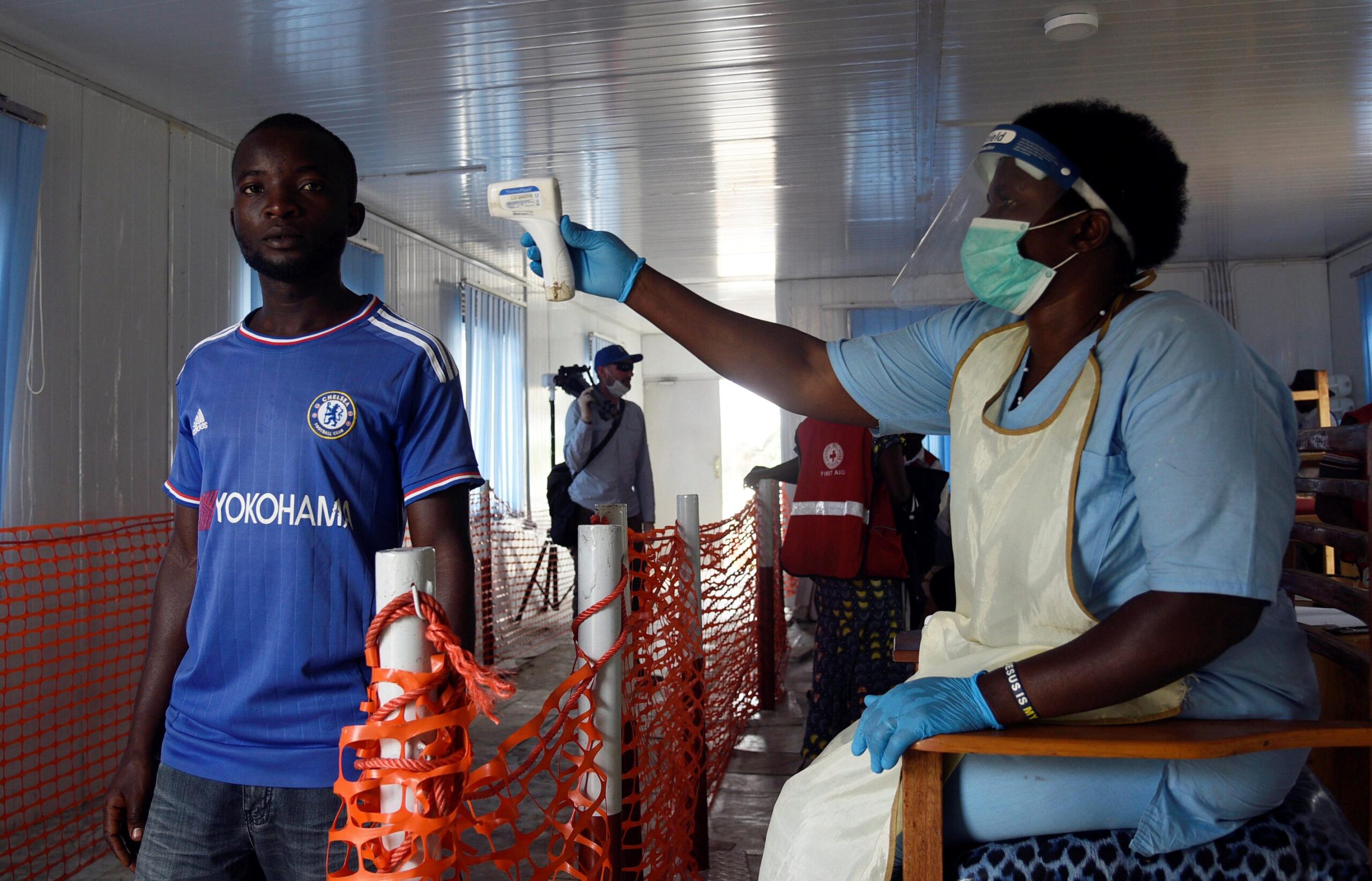
The 21-day period is not random.
Ebola monitoring rules often use a 21-day window because that is the outer range commonly used to observe whether symptoms develop after exposure. In travel terms, this means the journey becomes part of the health protocol.
A traveller may not be allowed to move directly from a high-risk zone to the home country.
They may need to wait, be monitored and prove that the risk period has passed.
That is where mobility becomes medicalised. The border is no longer only checking identity, visa status or luggage. It is checking time, exposure, symptoms and public-health uncertainty.
The Outbreak Has Become Too Large To Ignore
The restrictions come amid a widening Ebola outbreak in the Democratic Republic of Congo.
Reuters reports 1,926 confirmed cases and 702 deaths, with the outbreak spreading across several provinces and areas near Kinshasa. That scale explains why health authorities are acting with unusual caution.
Ebola is not transmitted like an ordinary respiratory virus. It spreads through direct contact with bodily fluids of infected people or contaminated materials. But the fear is that one imported case can trigger a complex chain of contact tracing, hospital precautions, public anxiety and political pressure.
That is why the response can become strict before the risk appears large to the public.
Authorities are not only trying to stop transmission.
They are trying to stop uncertainty from entering the system.
Citizens Become Part Of The Security Question
The most sensitive part of the policy is that it affects citizens.
A government has a responsibility to protect the wider public, but it also has a responsibility toward its nationals abroad. When those two duties collide, the policy becomes politically and ethically difficult.
Blocking direct boarding may reduce the immediate risk of importing Ebola.
But it also raises practical questions.
Where do affected citizens stay during the 21-day period? Who pays for lodging, food and medical monitoring? What happens if symptoms appear in the third country? What support does the embassy provide? How are families informed?
A public-health rule can look simple on paper.
For the traveller, it can become a life disruption.
Travel Health Rules Are Becoming Harder
This is part of a wider post-pandemic travel reality.
Governments have learned that borders can be used as health-control instruments. Entry bans, testing rules, quarantine hotels, vaccination checks, special arrival airports and flight restrictions are now part of the modern policy toolkit.
The Ebola case is different from Covid because the virus, transmission pattern and risk profile are different.
But the travel logic is similar.
When authorities fear imported disease risk, they can turn routes, airlines and boarding lists into enforcement tools. The airport becomes an extension of the health system.
This is the new travel-security layer.
Airlines Are Forced Into Public-Health Enforcement
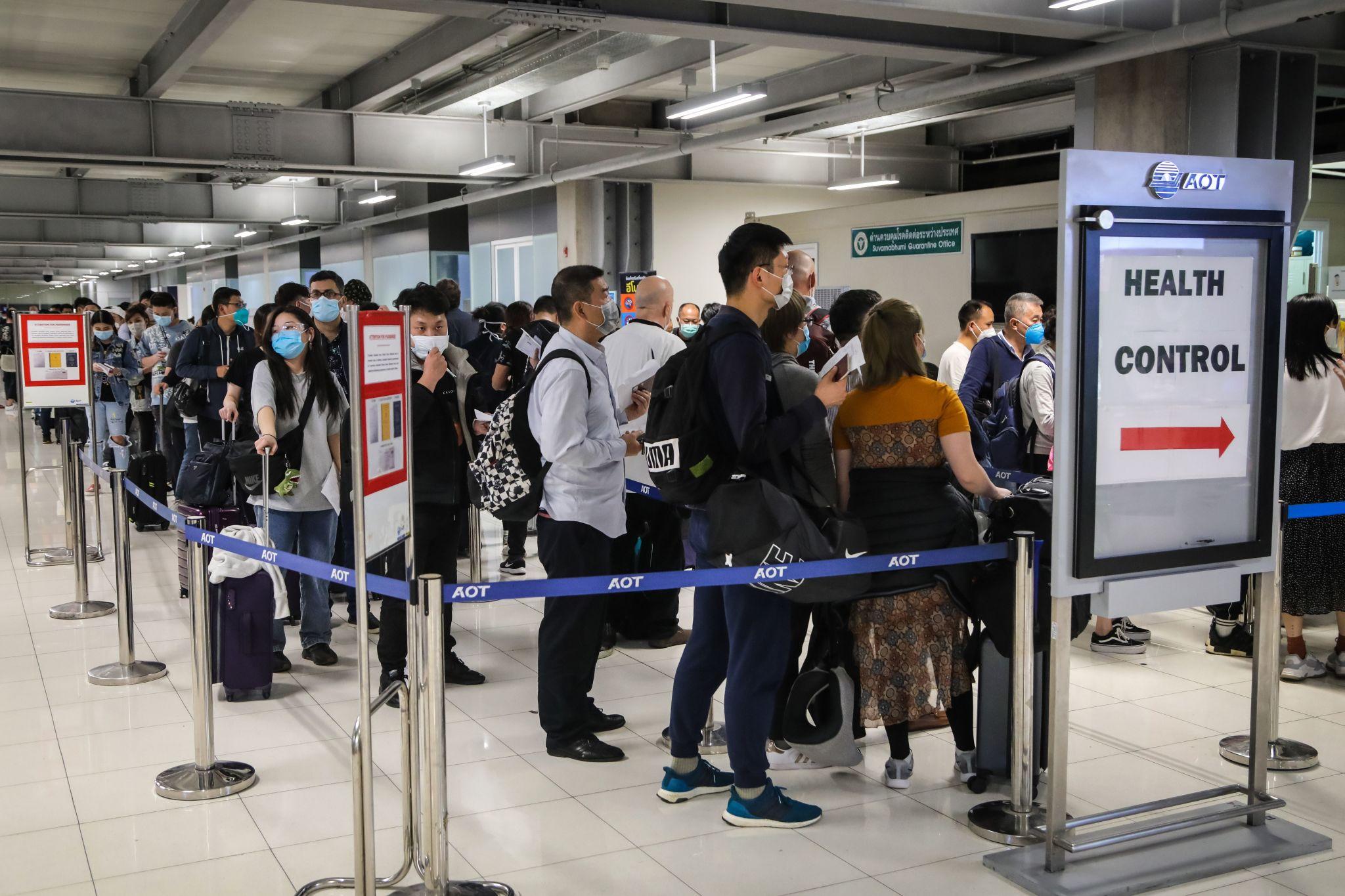
Airlines sit in the middle of the policy.
They are not public-health agencies, but they become the gatekeepers of government restrictions. If a passenger is placed on a do-not-board list, the airline must enforce the rule before the traveller even reaches the destination country.
That is operationally sensitive.
Airlines must verify instructions, avoid mistakes, communicate with passengers and manage the human impact of denied boarding. Staff at check-in desks may become the face of a government decision they did not make.
This is one reason health travel rules can create confusion.
The government writes the policy.
The airline delivers the refusal.
Humanitarian Workers Face A Special Risk
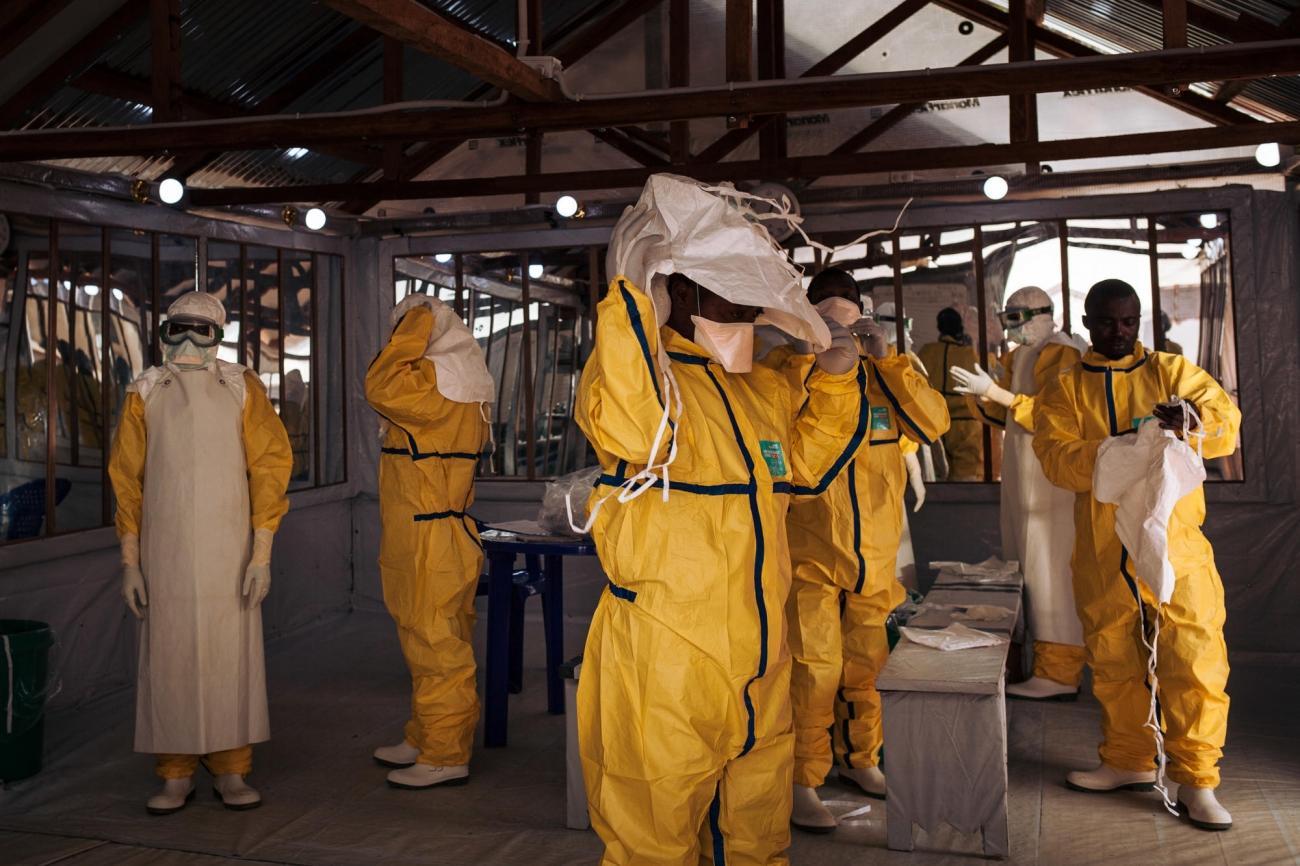
The Reuters report notes that multiple Americans were affected, including a humanitarian worker infected with the Bundibugyo strain and another U.S. doctor receiving treatment in Germany.
That detail matters.
Humanitarian workers, medical staff and aid organisations operate precisely where outbreaks are most dangerous. They help control the disease, but their work also increases their exposure risk.
If travel restrictions become too rigid, governments must be careful not to discourage the very people needed to respond to outbreaks.
The policy challenge is balance.
Protect the home population.
Support the responders.
Avoid making outbreak zones feel abandoned.
Third Countries May Push Back
The idea of requiring travellers to spend 21 days in a third country creates another diplomatic problem.
Which country accepts the traveller?
Under what conditions?
With what medical monitoring?
Who carries the cost and liability if symptoms appear?
Reuters previously reported that a U.S. plan involving quarantine arrangements in Kenya drew opposition from many Kenyans, showing how quickly health travel policy can become politically sensitive beyond the countries directly involved.
No country wants to feel like a waiting room for another country’s public-health risk.
That is why regional cooperation matters.
Mobility Is No Longer A Simple Right
The deeper travel story is that mobility is becoming conditional in more situations.
War can block travel.
Sanctions can block travel.
Security alerts can block travel.
Natural disasters can block travel.
Now disease exposure can block even direct return for some citizens, at least temporarily.
For travellers, this creates a new reality: being allowed to enter a country may depend not only on who you are, but where you have recently been and how long ago you left.
That has always existed in some form through health declarations and vaccination rules.
But do-not-board measures turn the restriction into a hard barrier before the flight begins.
Public Trust Will Decide The Reaction
Strict health measures can work only if people trust the logic behind them.
If the public believes the rules are necessary, targeted and temporary, they may accept the inconvenience. If they believe the rules are political, chaotic or unfair, resistance grows quickly.
This is why communication is essential.
Authorities must explain who is affected, how long the restriction lasts, what support is available, how medical monitoring works and what evidence will remove the travel barrier.
Silence creates fear.
Confusion creates anger.
In public-health travel policy, clarity is not a courtesy. It is part of the response.
The Tourism Industry Watches Carefully
The Ebola restrictions are not a mass-tourism story in the usual sense, but the travel industry will still watch them.
Every new health restriction reminds airlines, insurers, tour operators and corporate travel departments that mobility can change quickly. It also affects how companies plan staff movement, emergency evacuation and duty-of-care obligations in higher-risk regions.
For global business, humanitarian work and diplomatic travel, the lesson is clear.
Health risk is now a travel-planning variable that can change the route home.
The question is no longer only whether a destination is open.
It is whether return remains simple if the situation worsens.
The Ethical Question Will Not Disappear
Public-health authorities may argue that strict restrictions are necessary to prevent an imported Ebola case.
Critics may argue that citizens should not be blocked from returning home, especially if safer medical evacuation and monitoring options exist.
Both concerns are serious.
A government must prevent dangerous disease spread. It must also avoid abandoning citizens in crisis zones or outsourcing its risk to third countries.
That is why the Ebola Travel Wall is more than a border story. It is a test of how democratic states balance public safety, citizen rights and international responsibility during an outbreak.
The Bottom Line
The Ebola Travel Wall shows how quickly health rules can turn mobility into a security test.
The United States is moving to block some citizens in or recently departed from the Democratic Republic of Congo from returning directly on commercial flights until they spend at least 21 days in a third country. The measure comes as Congo’s Ebola outbreak has reached 1,926 confirmed cases and 702 deaths, according to data cited by Reuters.
The policy may reduce the risk of importing Ebola, but it also raises hard questions about citizenship, airline enforcement, third-country responsibility and support for humanitarian workers.
The lesson for modern travel is clear.
In a world of outbreaks, borders no longer check only passports.
They check risk.