

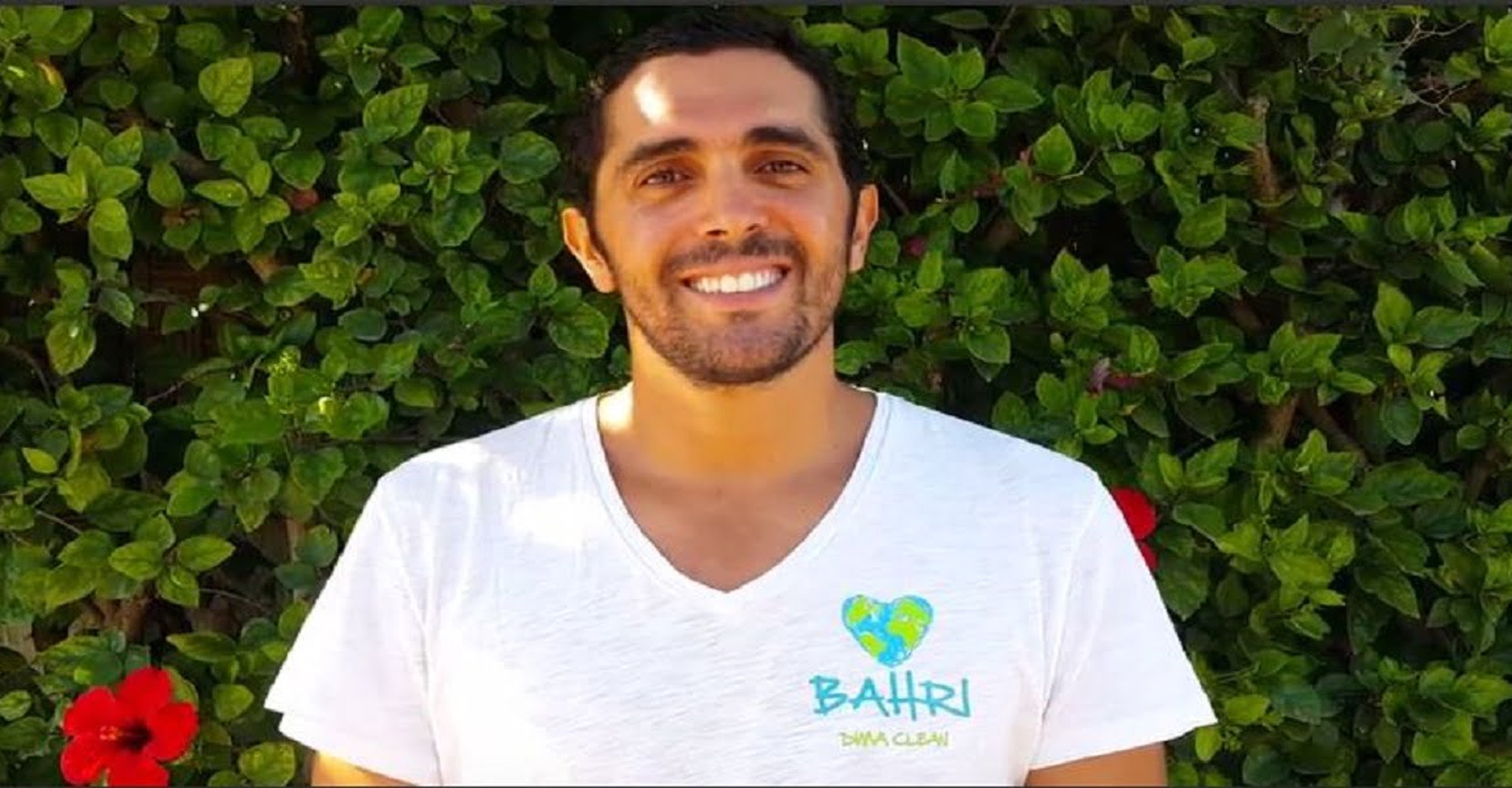
More than 120 volunteers have joined an environmental cleanup in Morocco’s Atlas Mountains as Association Bahri expands its activities beyond the country’s beaches through a collaboration with Greenpeace MENA.
The Moroccan environmental organisation, led bySaadAbid, has announced a series of three cleanup operations covering a mountain, a forest and a beach as part of Greenpeace MENA’s Plastics Free Futurecampaign.
The first operation took place inImlil, near Marrakech,bringing together local residents, children and volunteers who travelled from the city.
According to Abid, more than 120 people participated, with local authorities helping coordinate the initiative.
Two further cleanups are planned, extending the campaign to different natural environments.
For Bahri, the collaboration represents another step in an environmental mission that began on Morocco’s coastline nearly 16 years ago.
From Morocco’S Beaches To The Atlas Mountains
Founded in 2010, Association Bahri has developed environmental activities around beach cleanups, public awareness and community volunteering.
Its programmes often combine waste collection with sport and educational activities, encouraging young people to take part in protecting public spaces.
The initiative with Greenpeace MENA takes that approach inland.
Imlil, in the High Atlas Mountains, hosted the first of the three announced operations.
Volunteers joined local residents in collecting litter, while children also participated in the activity.
Abid described the collaboration as an important moment for an organisation that has spent years mobilising communities around environmental protection.
The quantities of waste collected during the Imlil operation have not been independently established.
A Record Of Community Cleanups
Bahri's previous initiatives offer examples of its work across Morocco.
During a cleanup in Safi, the association reported mobilising315 participants who removed 5,059 kilograms of waste.
In another operation in the Bouskoura forest, Abid reported that volunteers collected1,440 kilograms.
More recently, during an initiative connected to World Maritime Day in September 2026, Bahri worked alongside a Tangier diving club on an operation involving both underwater and beach cleaning.
The association reported collecting222 kilogramsof waste.
These figures come from Bahri's own communications and have not been independently audited by Morocco Times Daily.
They illustrate the range of locations and activities in which the organisation has involved volunteers.
Why The Greenpeace Collaboration Matters
The partnership announced by Bahri brings together a Moroccan environmental association and Greenpeace MENA's regional campaign against plastic pollution.
For Bahri, it creates an opportunity to extend its volunteer-based activities across different landscapes.
For participating communities, the programme provides a practical way to engage with environmental protection.
Cleanup events can remove waste from individual locations, but they also offer opportunities for public education and discussion about reducing pollution.
Their longer-term impact depends on sustained participation, waste prevention and appropriate disposal of the materials collected.
The two remaining operations — one in a forest and another on a beach — have been announced but their outcomes are not yet available.
Protecting Morocco’S Natural Spaces Together
Bahri's work illustrates how volunteers, associations and community partners can contribute to the protection of public spaces.
The involvement of children and local residents in Imlil is an important part of that approach.
It introduces environmental responsibility through direct participation rather than awareness campaigns alone.
For Saad Abid and his team, the latest initiative builds on years of organising cleanups and encouraging people to become involved.
The collaboration with Greenpeace MENA also extends the association's activities beyond the coastal locations where much of its work began.
The first operation has taken place in the Atlas Mountains.
Two more are planned.
From mountain trails to forests and coastlines, protecting Morocco's natural spaces begins with the people willing to care for them.