
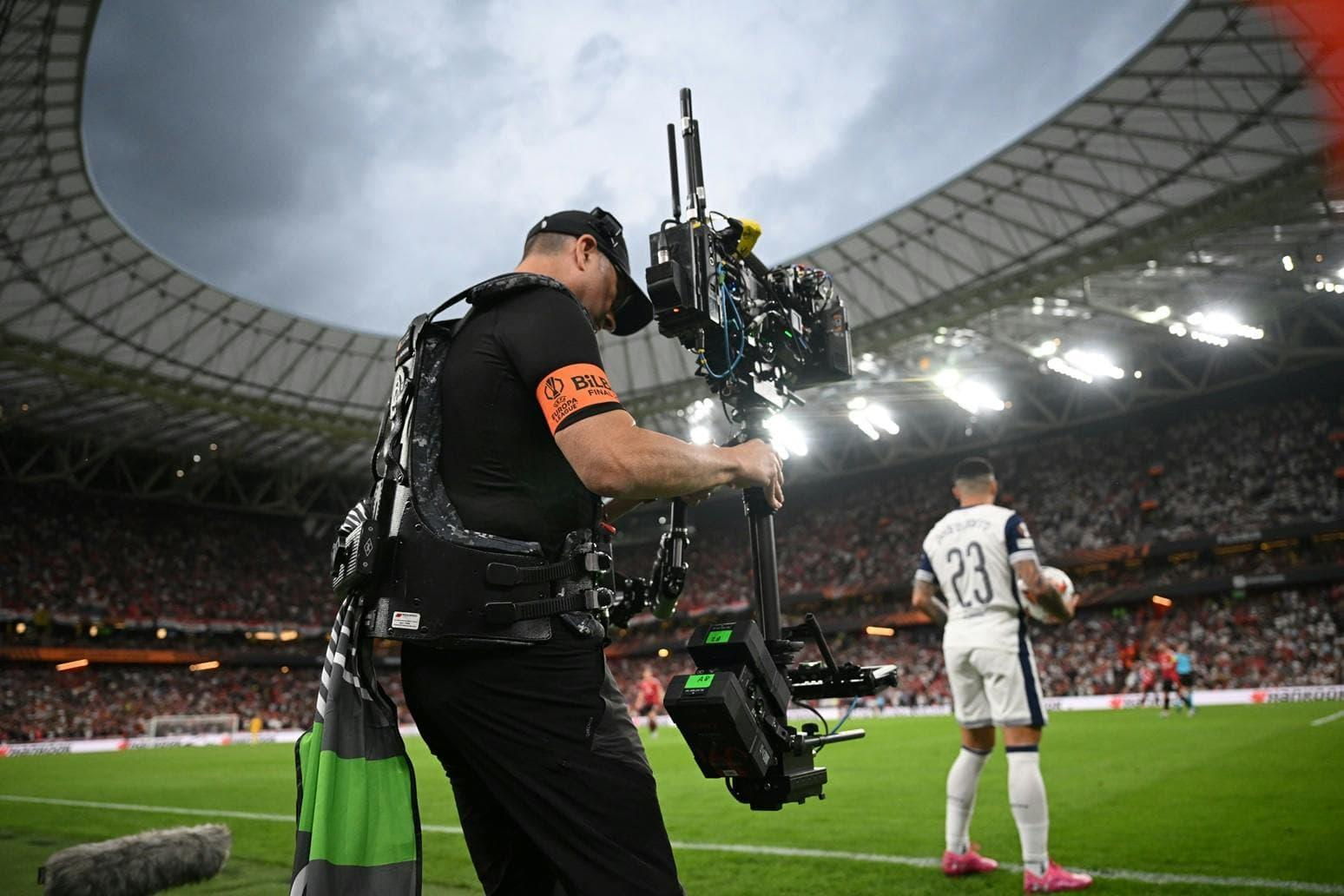
Morocco is investing billions in the physical infrastructure required for 2030.
Stadiums.
Airports.
Railways.
Hotels.
Roads.
Telecommunications.
But another infrastructure race has already started, and it will be much less visible.
Content.
When the FIFA World Cup arrives in 2030, millions of people will not experience Morocco primarily through a stadium seat.
They will experience it through a screen.
A smartphone video from Tangier.
A podcast recorded in Casablanca.
A stadium livestream from Rabat.
A hotel review from Marrakech.
A football analysis produced by a Moroccan creator.
A documentary about the country.
A sponsor campaign distributed across several continents.
That creates an economic opportunity extending far beyond traditional television.
Morocco has four years to build the companies, creators and technical skills capable of capturing it.
2030 Will Be A Content Event

A modern World Cup produces far more than football matches.
Every match creates thousands of secondary stories.
Training sessions.
Press conferences.
Supporter reactions.
City guides.
Player interviews.
Statistics.
Behind-the-scenes footage.
Food.
Fashion.
Travel.
Music.
Architecture.
Culture.
Sponsors need content before, during and after the tournament.
Broadcasters need production.
Football federations need digital teams.
Hotels and airlines need campaigns.
International journalists need local partners.
Creators need production support.
The economic opportunity therefore begins years before kick-off.
Morocco should not wait until 2030 to discover that much of the content economy surrounding the tournament is controlled by companies arriving from abroad.
Creators Are Becoming Media Companies
The word “creator” can make the sector sound informal.
That is increasingly inaccurate.
A successful creator may operate a small media company.
Camera operators.
Editors.
Graphic designers.
Commercial managers.
Researchers.
Social-media specialists.
Translators.
Brand partnerships.
Production budgets.
Some audiences now trust individual creators as much as traditional media brands.
By 2030, this influence will be even greater.
A young football supporter may watch the official broadcast while simultaneously following analysis from a creator on another screen.
A traveller may select a restaurant because of a short video rather than a tourism brochure.
A sponsor may reach millions through several specialised creators instead of one large advertising campaign.
Morocco needs to professionalise this economy without removing the independence that makes creators valuable.
Production Skills Will Be In Huge Demand

The opportunity is not limited to people appearing on camera.
Much of the value will exist behind it.
Video editors.
Motion-graphics specialists.
Sound engineers.
Photographers.
Lighting technicians.
Drone operators.
Producers.
Studio managers.
Streaming technicians.
Digital designers.
Copywriters.
Sports-data specialists.
The World Cup can create exceptional temporary demand for these skills.
The objective should be developing enough Moroccan professionals that international media companies can recruit locally rather than importing complete teams.
This is not about excluding foreign expertise.
Large global productions will always bring specialised personnel.
The stronger model puts Moroccan professionals beside them.
Experience gained during one international production can then be applied to dozens of future projects.
Arabic, French And English Are Commercial Assets
Morocco has a major advantage in multilingual production.
Arabic gives access to a vast regional audience.
French connects the country with significant parts of Europe and Africa.
English opens the largest international media and commercial market.
One Moroccan production team capable of working professionally across all three can serve multiple audiences from the same location.
An interview with a footballer could produce an Arabic television segment, a French social clip and an English business feature.
A tourism campaign can be adapted to several markets without rebuilding the complete production process.
Language is therefore not simply a cultural capability.
It is production infrastructure.
Creators and media professionals able to communicate confidently across languages will command greater commercial value.
Morocco Needs Better Creator Studios
Content quality is rising rapidly.
A smartphone can produce excellent footage, but professional commercial work increasingly requires more.
Lighting.
Soundproofing.
Editing suites.
Podcast rooms.
Livestream infrastructure.
Green screens.
Reliable high-speed connectivity.
Product-photography facilities.
Moroccan cities need more flexible production studios that creators and smaller companies can rent without carrying the cost of owning complete facilities.
The business model could resemble coworking.
A creator rents a podcast studio for two hours.
A brand books a video space for a day.
A sports-media company uses a studio throughout a tournament.
A foreign production rents editing facilities temporarily.
Shared infrastructure lowers the barrier to professional production.
It can also create clusters where talent meets clients.
Sports Media Needs Specialist Companies
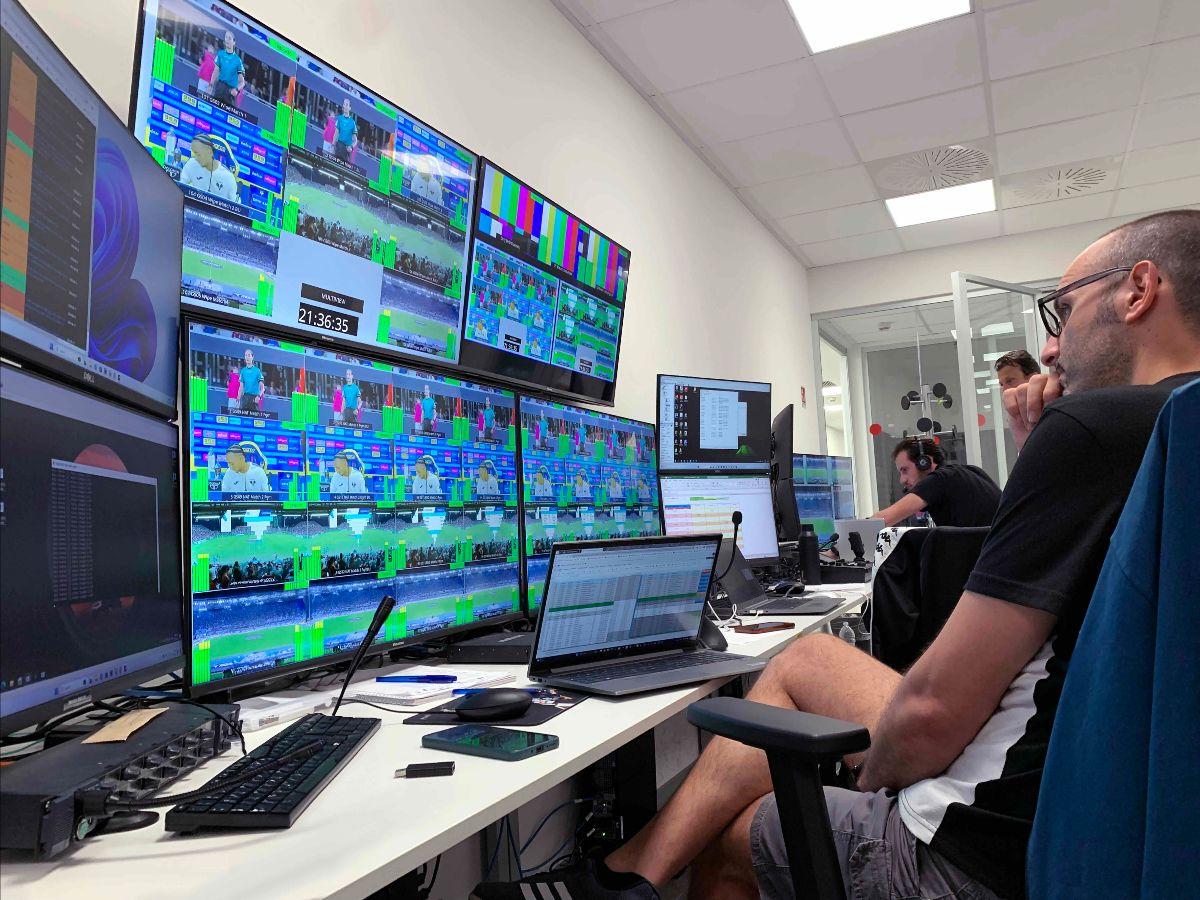
Football coverage is becoming more technical.
Audiences expect more than a commentator describing what happened.
Tactical graphics.
Expected-goals models.
Passing maps.
Player comparisons.
Historical databases.
Automated highlights.
Multilingual clips.
Morocco should develop specialised sports-media and sports-data companies before 2030.
The country already possesses the audience.
The tournament provides the deadline.
The same businesses could later serve Moroccan clubs, CAF competitions and other African leagues.
That is important because the economic objective should extend beyond one tournament.
A company created only to service the World Cup may disappear afterwards.
A company using 2030 to enter a wider African sports market can continue growing for years.
Clubs Are Media Brands Too
Moroccan football clubs possess large audiences but often capture only a fraction of their potential digital value.
Every club can operate as a content producer.
Training footage.
Player interviews.
Academy stories.
Historical archives.
Matchday programmes.
Documentaries.
Multilingual social content.
Merchandise launches.
Supporter features.
Strong content increases the value of sponsorship because brands receive more opportunities to reach supporters.
It can also help clubs build relationships with Moroccans abroad.
The digital audience does not need to live near the stadium.
A supporter in Amsterdam, Brussels, Paris or Montreal can follow a Moroccan club every day.
2030 can accelerate this transition from football institution towards football-media brand.
Sponsors Will Need Local Creative Partners
Global companies arriving around the World Cup will spend heavily on marketing.
Many will need agencies capable of understanding Morocco.
A campaign developed entirely abroad may look technically impressive while missing local cultural detail.
Moroccan agencies and creators can become valuable partners.
But international brands will expect professional standards.
Contracts.
Copyright clearance.
Brand safety.
Production schedules.
Analytics.
Invoices.
Reliable delivery.
Large commercial opportunities usually flow towards companies capable of combining creativity with operational discipline.
The creator economy therefore needs stronger business infrastructure alongside stronger artistic talent.
The best idea in the room still needs to be delivered on time.
Tourism Content Can Have A Longer Life Than Football
The tournament lasts weeks.
The images produced around it can influence tourism for years.
Millions of viewers will see Moroccan cities, coastlines, architecture, restaurants and daily life while watching football-related content.
Creators can convert that attention into destination discovery.
A supporter attending a match in Tangier may produce content from Chefchaouen.
A journalist based in Marrakech may explore the Atlas Mountains.
A team travelling through Rabat may show the city to audiences that previously knew little about it.
Morocco should make it easy for creators to discover stories outside the stadium environment.
This does not require turning every cultural experience into advertising.
Authentic content often performs precisely because it does not feel scripted.
The commercial opportunity lies in enabling discovery.
Hotels Will Become Production Locations
Hospitality companies should prepare for a different type of guest.
Creators and media teams need strong Wi-Fi, quiet working areas, flexible check-in and spaces suitable for filming.
Some hotels may become temporary production hubs.
Podcasts can be recorded from lounges.
Sponsors may use suites for interviews.
Media organisations may reserve meeting rooms as editing centres.
The properties that understand these requirements can capture additional revenue.
This is another example of how the media economy extends into traditional sectors.
The creator may appear to be producing a video.
Behind that video are hotel nights, transport, meals, equipment rentals and local employees.
Copyright Will Become More Important
A larger creator economy also creates legal complexity.
Music cannot automatically be used commercially.
Match footage is protected.
Photographs have owners.
Sponsor marks carry restrictions.
A creator can build millions of views around material they do not have the right to monetise.
Morocco needs stronger practical understanding of intellectual property across the industry.
Creators should know what they can publish.
Agencies need clear licensing procedures.
Brands need contracts defining usage.
Production companies should understand international rights standards.
Copyright expertise may sound less exciting than video production.
It is essential if Moroccan content companies want to work with global clients.
Artificial Intelligence Will Change Production
By 2030, AI will be deeply embedded in media workflows.
Translation.
Subtitling.
Transcription.
Editing assistance.
Graphics.
Content search.
Personalisation.
Archive management.
Highlight identification.
Moroccan companies should use these tools to increase productivity.
A long interview could be transcribed and translated quickly.
A football match could generate several short clips automatically.
A multilingual newsroom could distribute content faster.
But AI does not eliminate the need for editorial judgment.
Context matters.
Accuracy matters.
Cultural nuance matters.
The winners will not simply be companies using the most AI.
They will be companies combining technology with people who know what deserves to be produced.
Creators Need Sustainable Revenue
Audience size is not the same as a business.
A creator with hundreds of thousands of followers may still depend on irregular brand deals.
Morocco needs more sophisticated monetisation.
Advertising.
Subscriptions.
Ticketed events.
Production services.
Merchandise.
Licensing.
Brand partnerships.
Platform revenue.
A diversified business is more resilient than one dependent on a single sponsor or algorithm.
Financial and commercial education should therefore become part of creator development.
Creators need to understand contracts, taxes, pricing and intellectual property.
The sector becomes an industry when talented people can build stable companies around their audiences.
The Diaspora Expands The Market
Moroccan media does not have to serve only the domestic population.
The diaspora creates a much larger potential audience.
France.
Spain.
Belgium.
The Netherlands.
Germany.
Canada.
The United States.
And beyond.
World Cup content can reconnect younger diaspora audiences with Morocco through sport, culture and modern lifestyle.
English and European-language content become particularly valuable here.
A Moroccan media company capable of producing for both domestic and diaspora audiences has a larger commercial market from the beginning.
The tournament can provide the shared event that brings those audiences together.
The Real Prize Is Africa
Morocco should think beyond national demand.
African sport, music, travel and entertainment contain enormous audiences but remain commercially fragmented.
A Moroccan creator economy strengthened through 2030 could export services across the continent.
Production.
Streaming.
Sports data.
Advertising.
Creator management.
Studio services.
Multilingual content.
Morocco’s geographic position and connections with both Europe and Africa provide an advantage.
The World Cup can provide the credibility.
The larger commercial prize is building companies capable of operating after 2030 across several markets.
The Four-Year Media Race
Morocco has four years before the world arrives for the 2030 World Cup.
Much of the physical infrastructure is already being built.
The media infrastructure is more difficult to see.
Creators.
Editors.
Studios.
Sports-data companies.
Production houses.
Multilingual journalists.
Digital agencies.
Streaming specialists.
Copyright professionals.
These capabilities cannot be constructed from concrete.
They must be developed through experience.
That process needs to accelerate now.
When the opening match arrives, international broadcasters and brands will spend substantial amounts producing content around Morocco.
The question is how much of that economy Moroccan companies will capture.
2030 should not leave the country only with stadiums and transport infrastructure.
It should leave Morocco with media businesses capable of telling stories to the world long after the final whistle.