
Football is no longer only a sporting industry.
It is becoming one of the world’s most valuable media businesses.
That reality became especially visible in late July and early August 2026, when FIFA explored a plan to raise as much as $4.2 billion from outside investors through a new commercial entity valued at approximately $20 billion.
The proposal generated significant international debate and was ultimately pulled back.
For Morocco, however, the most important lesson is not the controversy surrounding the structure.
It is the valuation.
Commercial rights connected with global football are now valuable enough for investors to discuss them in the tens of billions of dollars.
Morocco will co-host the FIFA World Cup in 2030.
That means the country should think beyond stadiums, airports and transport.
It should also prepare for the much larger sports-media economy that will develop around them.
Broadcasting.
Streaming.
Advertising.
Sponsorship.
Production.
Data.
Hospitality.
Digital content.
Creator media.
Football can generate an entire commercial ecosystem before a supporter even enters the stadium.
The $20 Billion Valuation Changes The Conversation
FIFA’s proposed structure, FIFA Forward Enterprise, was intended to bring commercial and event activities into a dedicated subsidiary.
The organisation initially discussed raising up to $4.2 billion by selling a minority interest while retaining control.
Whatever ultimately happens with that proposal, the underlying message is remarkable.
Football rights are being viewed as long-duration financial assets.
Investors do not value them only because of one tournament.
They value the global audience that repeatedly returns to football.
Sponsors want access to that audience.
Broadcasters pay for exclusivity.
Streaming platforms compete for viewing time.
Brands purchase digital inventory.
Hospitality companies monetise premium access.
The football match creates the attention.
The commercial ecosystem converts that attention into revenue.
Morocco should understand this distinction before 2030.
Hosting matches is one opportunity.
Participating in the economy surrounding those matches is much larger.
Morocco Must Produce, Not Only Host
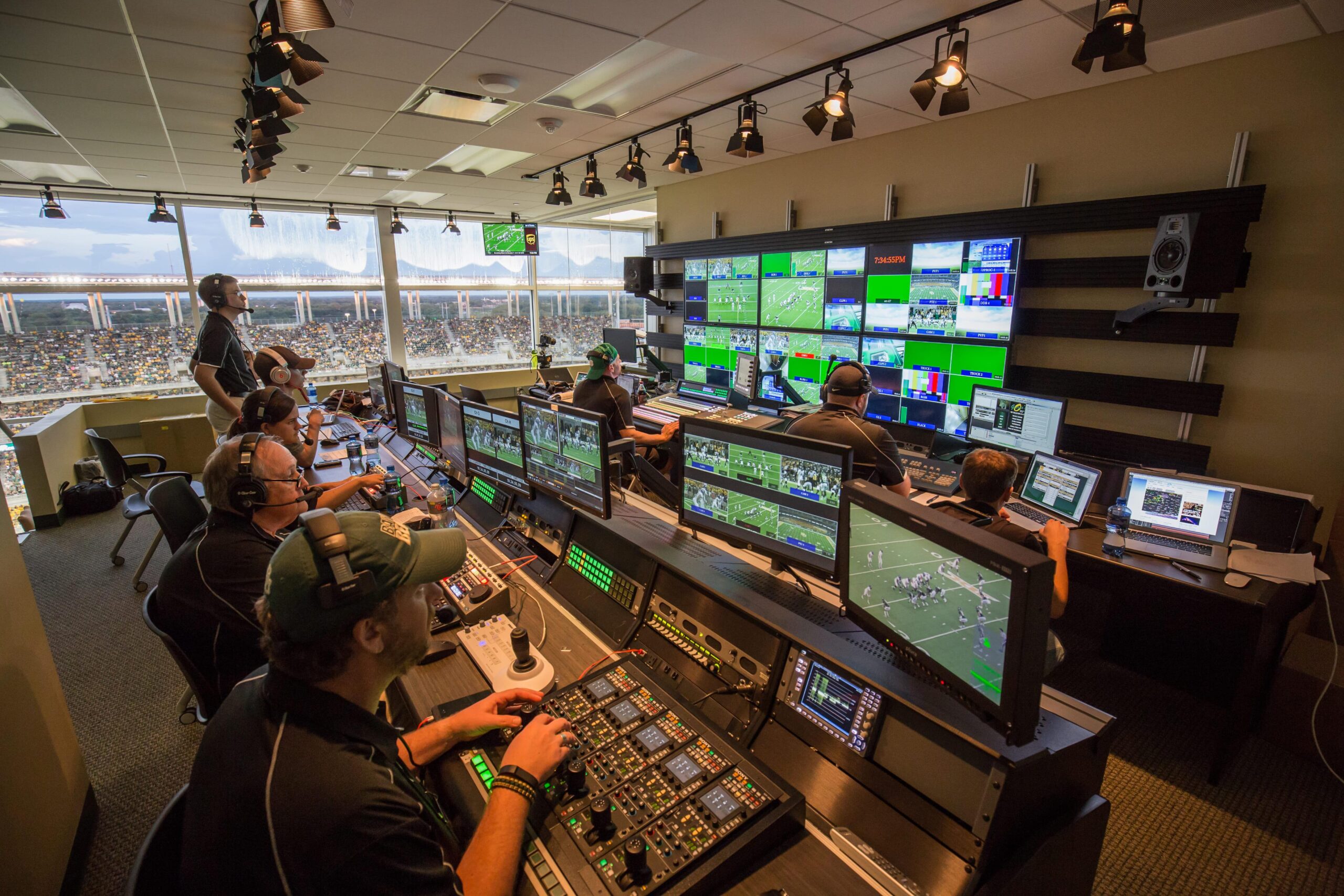
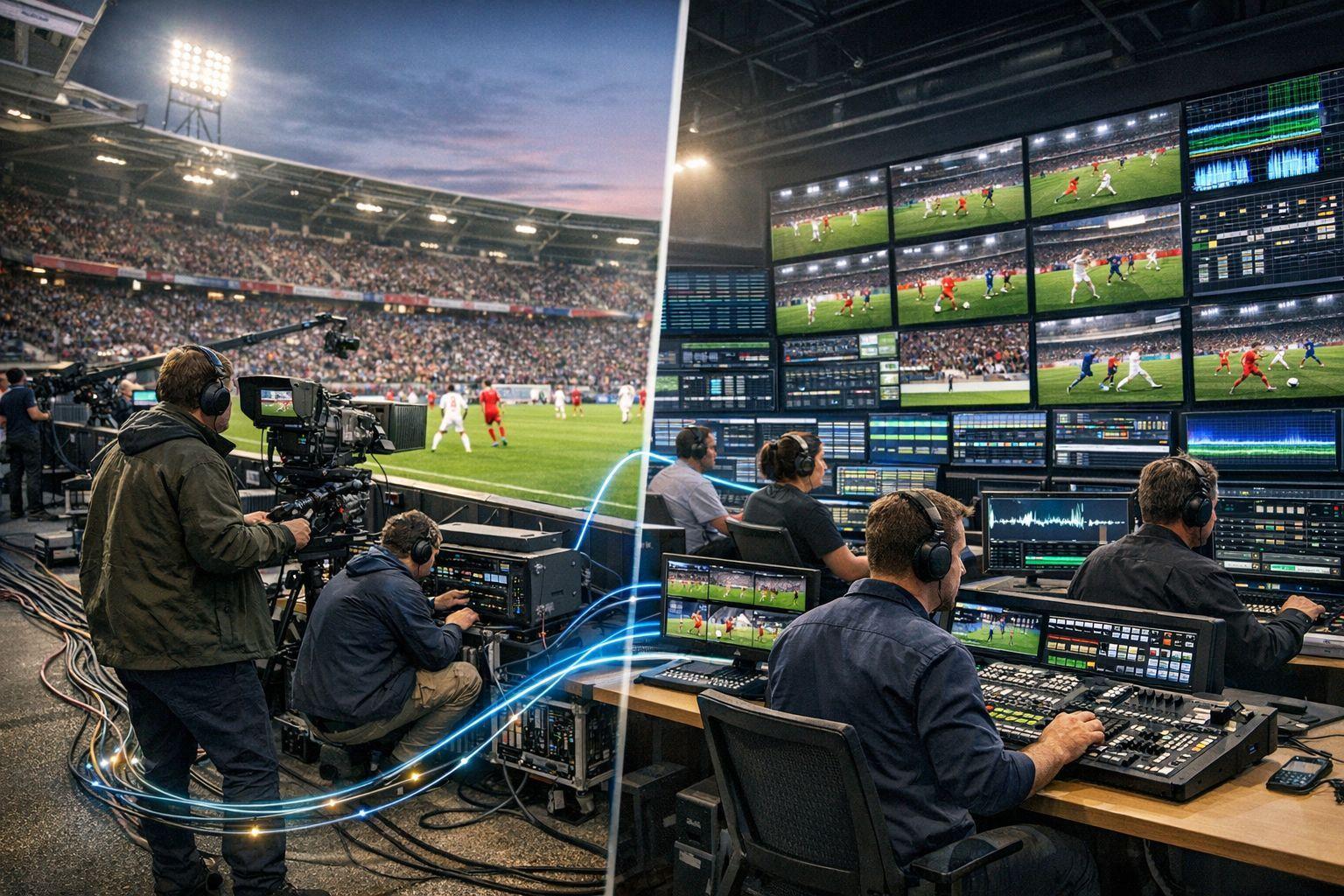
A World Cup requires enormous volumes of media production.
Camera crews.
Directors.
Sound technicians.
Editors.
Graphics specialists.
Drone operators.
Studio teams.
Photographers.
Multilingual journalists.
Digital-content producers.
Technical broadcast engineers.
Much of this expertise may initially arrive from international companies.
But Morocco has four years to increase the local share.
Broadcasters, universities, production houses and training institutions should already be asking which skills will be required in 2030.
The objective should not be replacing international specialists artificially.
It should be creating Moroccan professionals capable of working beside them at the same standard.
A technician trained through 2030 can continue working in sport, entertainment, television and international productions for decades afterwards.
That is how a temporary event creates permanent capability.
The World Cup Will Be A Smartphone Event

The 2030 tournament will not be consumed only through television.
Supporters will watch highlights on phones.
Creators will publish from stadium districts.
Fans will follow press conferences through short-form platforms.
Sponsors will distribute interactive campaigns.
Visitors will upload enormous quantities of video.
Football media has become continuous.
The ninety-minute match is only the centre.
Before the game comes prediction, analysis and entertainment.
During the match comes live commentary and social reaction.
Afterwards comes highlights, interviews, tactical analysis and creator content.
Moroccan telecom networks therefore become part of the media infrastructure.
5G capacity around stadiums, fan zones and transport corridors will directly affect how the tournament is experienced and shared internationally.
A supporter unable to upload a video may consider it a connectivity problem.
From Morocco’s perspective, it is also a media-economy problem.
Local Broadcasters Need A 2030 Strategy
Moroccan broadcasters already possess substantial experience covering football.
The next step is to use the World Cup cycle to strengthen production capability beyond traditional television.
Audiences increasingly expect several formats from the same event.
Long-form analysis.
Short clips.
Vertical video.
Podcasts.
Live digital shows.
Second-screen statistics.
Multilingual coverage.
Broadcasters capable of producing once and distributing across several platforms can extract more value from the same editorial operation.
This requires different workflows.
A television segment cannot simply be cut into random pieces and placed online.
Digital audiences expect content designed for the platform where they consume it.
The Moroccan sports-media company of 2030 will therefore look less like a conventional television channel and more like an integrated content organisation.
Arabic, French And English Create An Advantage
Morocco possesses an unusual linguistic position.
Arabic connects the country with a huge regional football audience.
French connects it with Europe and large parts of Africa.
English provides access to the global commercial and media market.
A Moroccan production company capable of operating professionally in all three languages has an important advantage.
The same interview can become Arabic television content, a French digital clip and an English international business story.
This matters because the 2030 World Cup will be global while Morocco’s natural media reach already crosses several regions.
Language skills can therefore become a commercial capability.
Training journalists, presenters and production teams in professional multilingual communication should be treated as part of the tournament’s media preparation.
African Football Creates A Market Beyond 2030
The commercial opportunity does not end with the World Cup.
African football remains under-monetised relative to the size and intensity of its audience.
Millions follow domestic leagues, CAF competitions and European clubs.
Yet media rights, production quality and digital distribution remain uneven across markets.
Morocco could develop companies capable of serving this wider ecosystem.
Broadcast production.
Rights distribution.
Sports marketing.
Event management.
Data services.
Digital subscriptions.
Advertising technology.
The skills developed before 2030 could then be exported across Africa.
This would be a stronger legacy than building production capacity used intensively for one month and then left without a market.
The World Cup should accelerate an industry that already has customers.
Sports Data Will Become More Valuable

Modern football broadcasts increasingly depend on data.
Possession.
Passing maps.
Player speed.
Expected goals.
Heat maps.
Live rankings.
Historical comparisons.
These statistics improve the viewing experience and create additional digital content.
They also generate commercial opportunities.
Data providers can serve broadcasters, clubs, betting-regulated markets where permitted, sponsors and fan applications.
Moroccan technology companies should see sports data as a potential business category.
Artificial intelligence can automate clips, translate interviews and identify important moments in matches.
Computer vision can support performance analysis.
Cloud infrastructure can distribute content at scale.
The intersection between sport and technology will become increasingly valuable as audiences demand more personalised experiences.
Sponsors Need More Than A Logo
The traditional sponsorship model placed a brand beside the pitch or on a shirt.
Modern sponsors expect measurable engagement.
How many people interacted?
How long did they watch?
Did they visit a website?
Did they purchase?
Did the campaign reach the intended market?
The World Cup will bring enormous sponsorship spending into Morocco’s commercial environment.
Local agencies need the capability to design campaigns that compete with international standards.
A Moroccan brand should not participate merely because the tournament occurs in Morocco.
It should have a strategy for converting visibility into customer relationships.
The strongest agencies will combine creative work with data.
This creates an opportunity for marketing, production and technology companies far beyond football itself.
Hospitality Is Also A Media Product
Premium football hospitality can generate extraordinary value.
Corporate customers purchase more than a seat.
They purchase access, convenience, networking, food, entertainment and exclusivity.
Much of that experience is shaped through content before and after the match.
Digital invitations.
Player stories.
Behind-the-scenes material.
Event photography.
Personalised highlights.
Sponsors increasingly want to extend hospitality beyond the stadium.
Moroccan event and media companies can participate in these packages.
Hotels, restaurants and entertainment venues can also integrate their offers into the wider football experience.
The commercial value of a match can therefore spread across the city when the surrounding experience is designed professionally.
Creators Will Compete With Traditional Media For Attention
By 2030, individual creators may be as important to some younger audiences as conventional sports broadcasters.
A supporter might watch the official match on television but follow a creator for analysis, humour or atmosphere.
Morocco already has a large population of digital creators.
The World Cup can professionalise this sector.
Creators need accreditation standards, production skills, copyright awareness and stronger commercial relationships with brands.
Media organisations can also collaborate with independent voices rather than treating them only as competitors.
A creator understands community.
A broadcaster understands production.
A sponsor understands commercial objectives.
Combining these strengths can create new formats that traditional media would struggle to produce alone.
Rights Remain The Most Difficult Part
The enormous value attached to football exists partly because rights remain scarce.
Not every company can show every match.
Licensing determines who may broadcast, stream or commercially distribute footage.
Moroccan businesses entering sports media must understand these rules.
Owning a camera does not mean owning the right to distribute what it records.
A strong media economy therefore requires expertise in intellectual property, contracts and licensing.
Lawyers and commercial specialists become part of the sports ecosystem alongside journalists and technicians.
The companies that understand rights will be better positioned to create legitimate businesses rather than temporary audiences built around content they cannot monetise safely.
2030 Must Create Companies, Not Only Content
During the World Cup, Morocco will generate enormous quantities of media.
Most of it will disappear quickly.
The more important objective is to create businesses capable of continuing afterwards.
A sports-production company serving the World Cup can later cover CAF competitions.
A data company can work with Moroccan clubs.
A multilingual sports newsroom can serve African audiences.
A digital agency can support brands across football and entertainment.
A production technician can work on films, concerts and international events.
This is how investment becomes industrial capability.
The tournament creates demand.
Moroccan companies must convert that temporary demand into permanent expertise.
The $4.2 Billion Lesson
The recent debate around FIFA’s proposed commercial structure revealed just how valuable football’s commercial rights have become.
A potential $4.2 billion capital raise attached to an approximately $20 billion enterprise valuation is not merely a football story.
It is evidence that sports attention has become a major financial asset.
Morocco will sit at the centre of that global attention in 2030.
The country is already investing heavily in physical infrastructure.
The next opportunity is less visible.
Production studios.
Sports-tech companies.
Multilingual media teams.
Data platforms.
Advertising agencies.
Creator businesses.
Hospitality content.
Digital distribution.
Morocco does not need to own FIFA’s rights to benefit from the commercial economy surrounding them.
It needs companies capable of providing the services that make those rights valuable.
The stadium will host the match.
The larger business opportunity will exist on millions of screens around the world.