
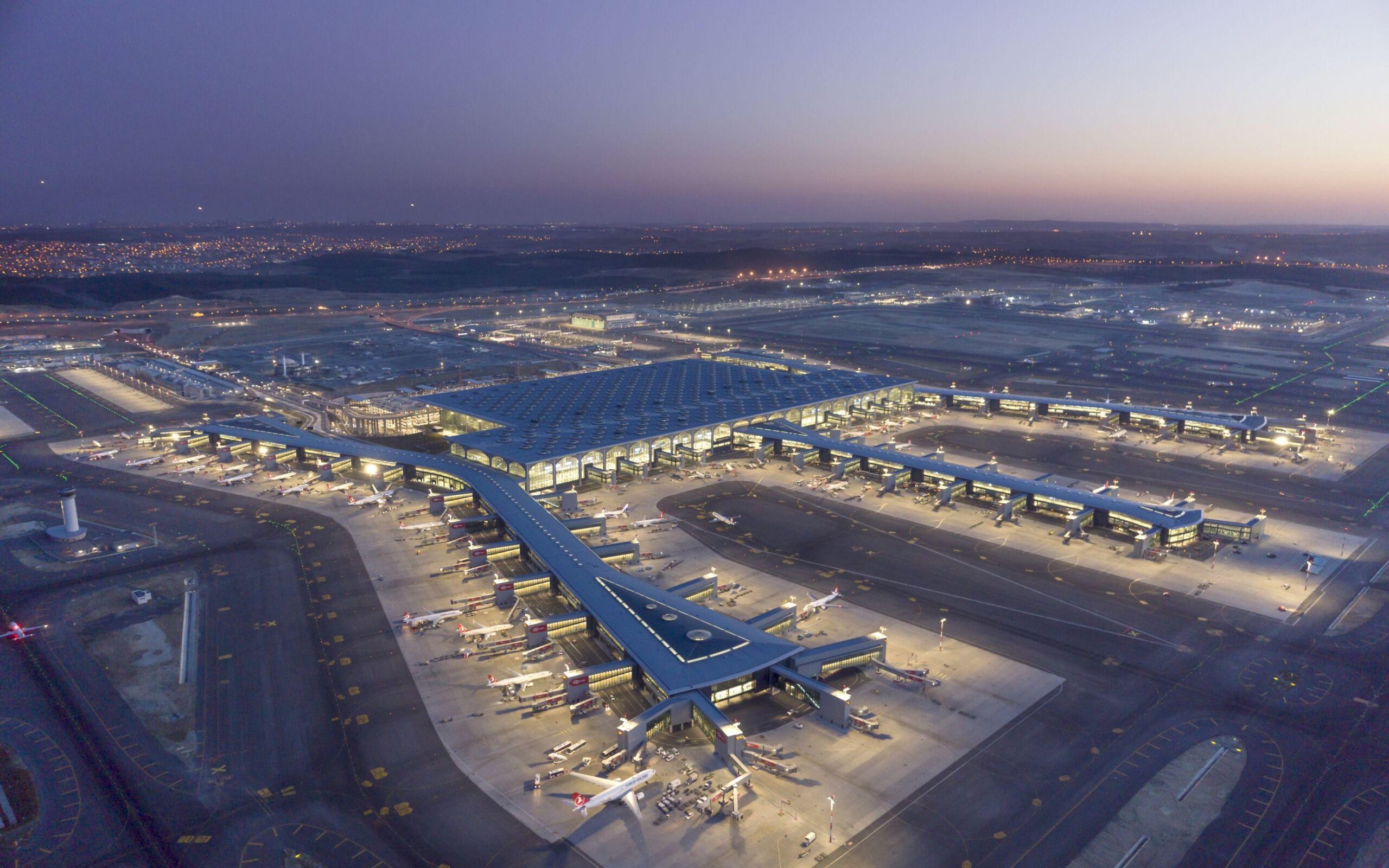
Morocco’s airport plan is becoming one of the country’s biggest pre-2030 money stories.
The government wants to lift national airport capacity to 80 million passengers by 2030, more than double the current level, as the Kingdom prepares to co-host the FIFA World Cup with Spain and Portugal.
The number is not only about terminals and runways.
It is about tourism, airlines, hotels, jobs, retail, transport, logistics and the way Morocco wants to position itself as a regional travel hub.
If the plan works, airports could become one of Morocco’s most powerful economic machines before 2030.
The Big Number
The target is 80 million passengers.
Reuters reported that Morocco plans to expand airport capacity to 80 million passengers by 2030, compared with about 38 million previously, as part of its preparation for the 2030 World Cup and wider tourism ambitions.
That is a major infrastructure jump.
It means more gates.
More terminals.
More check-in capacity.
More baggage handling.
More security lanes.
More parking.
More staff.
More flights.
For travelers, the goal is smoother movement.
For the economy, the goal is larger traffic.
Why Airports Matter
Airports are not just places where people catch flights.
They are economic platforms.
Every passenger can spend money before, during and after travel.
Taxi rides.
Train tickets.
Hotel rooms.
Coffee.
Restaurants.
Duty-free.
Car rentals.
SIM cards.
Guided tours.
Business meetings.
Airport expansion therefore creates value beyond the airport walls.
A bigger airport system can support tourism, trade, conferences, investment and regional development.
That is why the 80 million passenger target matters.
The World Cup Deadline
The 2030 World Cup gives Morocco a hard deadline.
The country will need to move large numbers of fans, teams, officials, journalists, sponsors and visitors through its transport system.
That means airports must be ready before the tournament begins.
But the World Cup is not the only reason for the investment.
It is the accelerator.
If Morocco builds capacity well, the benefits should last long after the final whistle.
That is the difference between event spending and long-term infrastructure.
The Investment Plan
Morocco has already moved from ambition to financing.
Reuters reported in 2025 that the country planned to spend about 38 billion dirhams, roughly $4 billion, to upgrade its airport infrastructure over five years.
The plan includes airport expansion, maintenance and land acquisition.
The African Development Bank also approved a 270 million euro loan to help finance airport upgrades ahead of the 2030 World Cup.
That gives the airport push both domestic and international financial backing.
Casablanca Is The Centrepiece
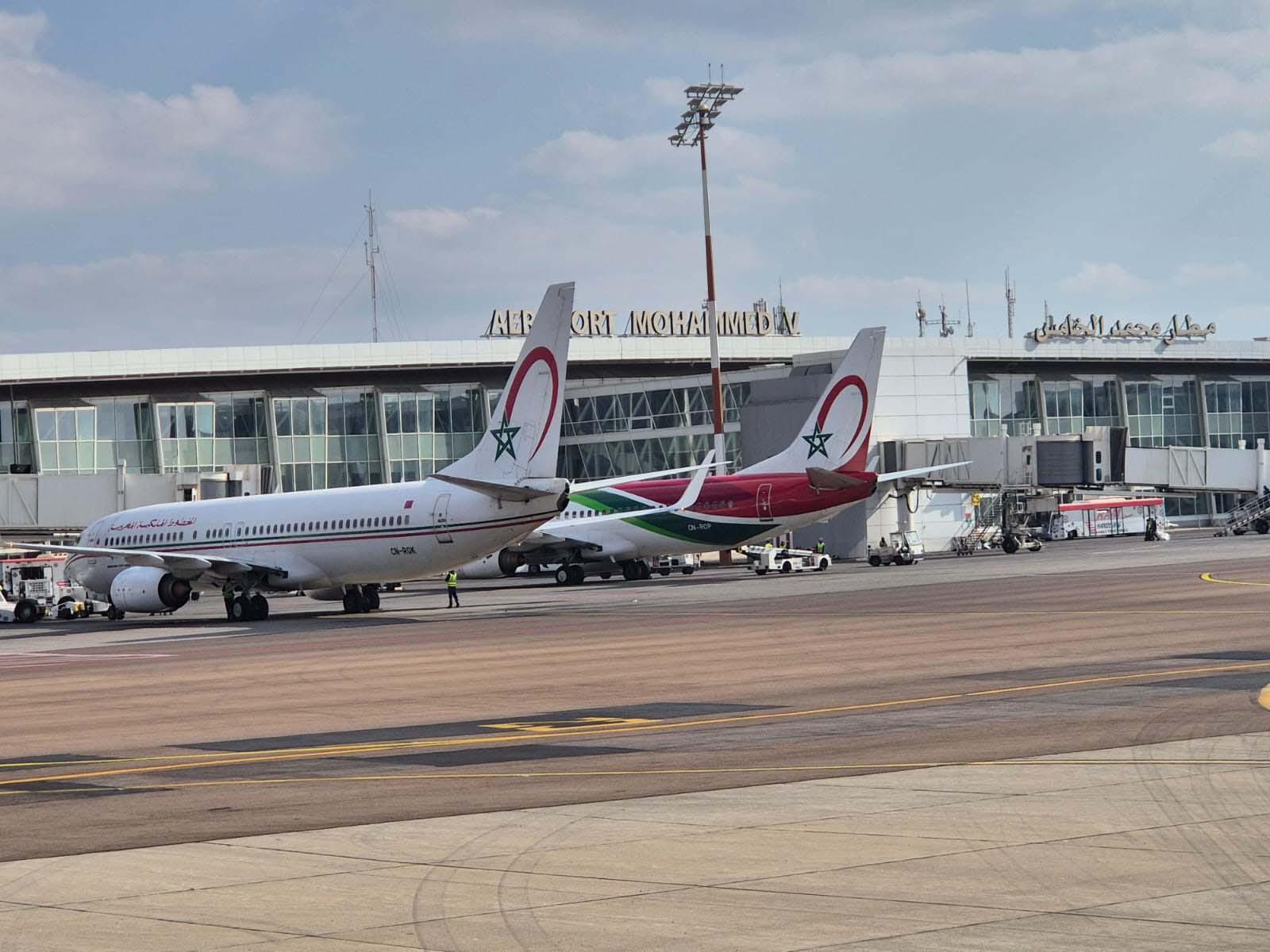
Casablanca’s Mohammed V airport is one of the most important pieces of the plan.
Reuters reported that Morocco planned a $1.5 billion expansion of Casablanca airport, with capacity expected to rise to 35 million passengers by 2029 from 10.5 million.
That is a huge leap.
Casablanca is already Morocco’s main air gateway and a key hub for Royal Air Maroc.
If it becomes faster, larger and more connected, the impact could spread across tourism, business travel and Africa-Europe routes.
A stronger Casablanca airport can help Morocco compete more seriously as a regional hub.
Tourism Is The Main Driver
Morocco’s tourism targets are aggressive.
Reuters reported that the country is aiming for 26 million visitors by 2030, the year it co-hosts the World Cup.
That makes airport capacity essential.
Tourism growth is difficult without air seats.
Hotels cannot fill if visitors cannot arrive easily.
Conferences cannot scale if flight access is weak.
New destinations cannot grow if they remain hard to reach.
The airport plan is therefore a core part of Morocco’s tourism strategy, not a separate transport project.
More Passengers, More Spending
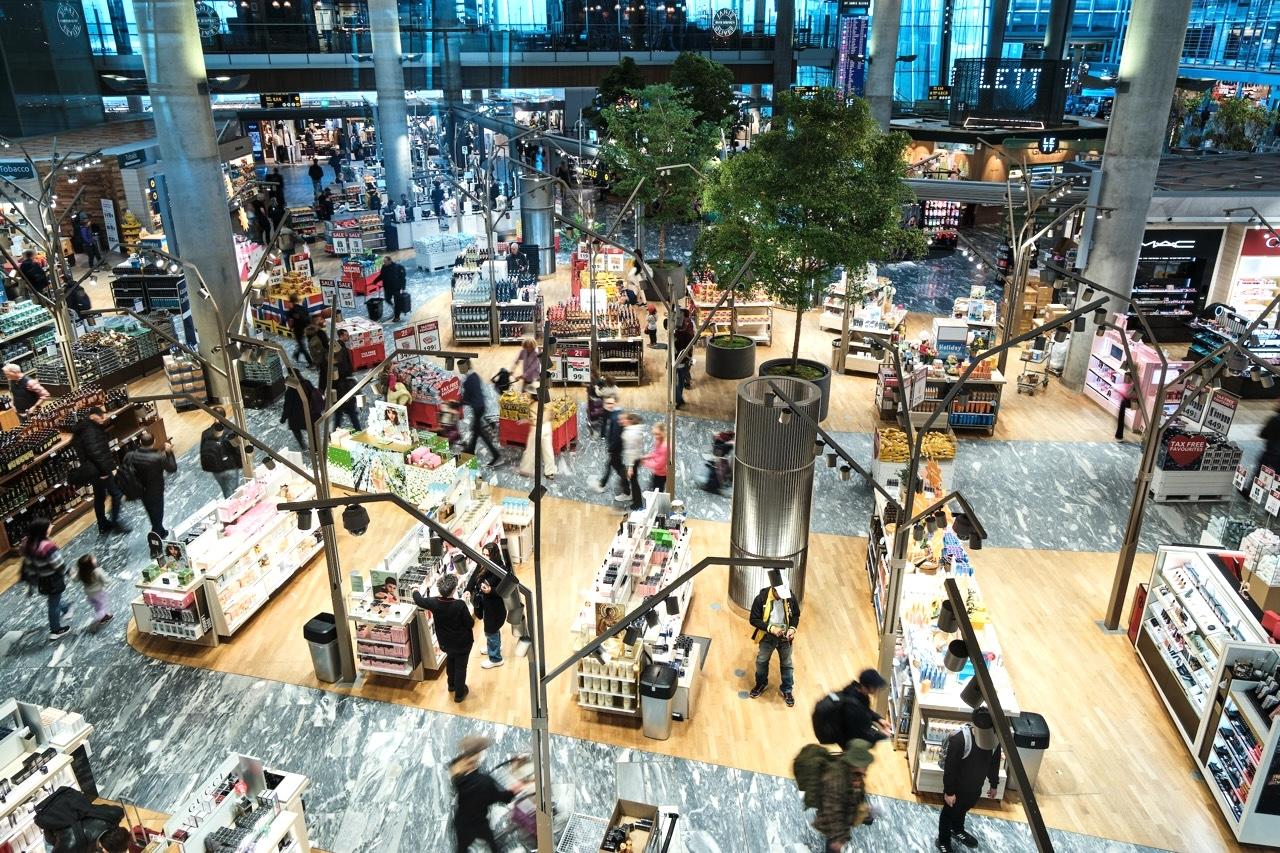
Passenger growth can push money through many parts of the economy.
A tourist arriving in Marrakech may spend on hotels, restaurants, taxis and excursions.
A business traveler arriving in Casablanca may spend on meetings, transport and premium services.
A diaspora family arriving in Tangier may spend on retail, gifts, food and domestic travel.
An event visitor arriving for 2030 may add demand for hotels, fan zones and local transport.
Airports are the entry point.
The spending happens everywhere after that.
Airlines Need Capacity
Airport expansion also matters for airlines.
More capacity can allow more routes, more frequencies and larger passenger flows.
Royal Air Maroc can strengthen Casablanca’s role as a hub.
Foreign airlines can add flights to Marrakech, Agadir, Tangier, Rabat and other cities.
Low-cost carriers can increase tourism access.
Long-haul operators can test new connections.
But airlines need confidence that airports can handle growth efficiently.
Congestion, delays and weak service can limit expansion.
Capacity is part of the pitch.
Jobs Could Follow
Airport growth can create jobs directly and indirectly.
Direct jobs include ground handling, security, customs support, baggage handling, cleaning, retail, hospitality, maintenance and airport operations.
Indirect jobs include hotels, taxis, restaurants, car rentals, travel agencies, construction, logistics and tourism services.
The construction phase creates one kind of employment.
The operating phase creates another.
That is why airport investment can become a jobs story, not only a passenger story.
Retail And Food Are Part Of The Machine
Airports make money through more than landing fees.
Retail, food, parking, lounges, advertising and services all matter.
More passengers mean more potential customers for cafés, restaurants, duty-free shops, currency exchange, SIM cards, transport desks and premium services.
If Morocco improves the passenger experience, airports can capture more spending.
The best airports do not only move people.
They keep them spending while they wait.
That is where the money machine becomes visible.
Regional Cities Can Benefit
Casablanca is central, but Morocco’s airport strategy is not only about one city.
Marrakech, Agadir, Tangier, Rabat and Fes all matter for tourism and regional growth.
Each city has a different economic role.
Marrakech sells leisure and luxury.
Agadir sells beach tourism.
Tangier connects industry, port activity and Europe.
Rabat serves administration, diplomacy and business.
Fes carries culture and heritage tourism.
Airport capacity can help each destination convert identity into visitor spending.
The Diaspora Factor
Moroccans living abroad are a major part of the country’s travel economy.
Every summer, diaspora families return with luggage, gifts, savings and spending power.
They support airlines, airports, taxis, restaurants, shops, family homes and domestic tourism.
A larger and smoother airport network can improve that annual flow.
For many MRE families, airport experience is the first and last impression of the trip.
If Morocco wants repeat visits and stronger diaspora spending, airport quality matters.
Business Travel And MICE Tourism
Airports also support Morocco’s push into MICE tourism: meetings, incentives, conferences and exhibitions.
The country has set a target of attracting 2.3 million business and conference tourists by 2030, according to Moroccan media reports.
That target depends heavily on air access.
A conference destination must be easy to reach.
Delegates need predictable flights, efficient arrivals and strong city connections.
If airport expansion works, it can support Morocco’s business-tourism ambitions.
The 2030 Effect Could Last
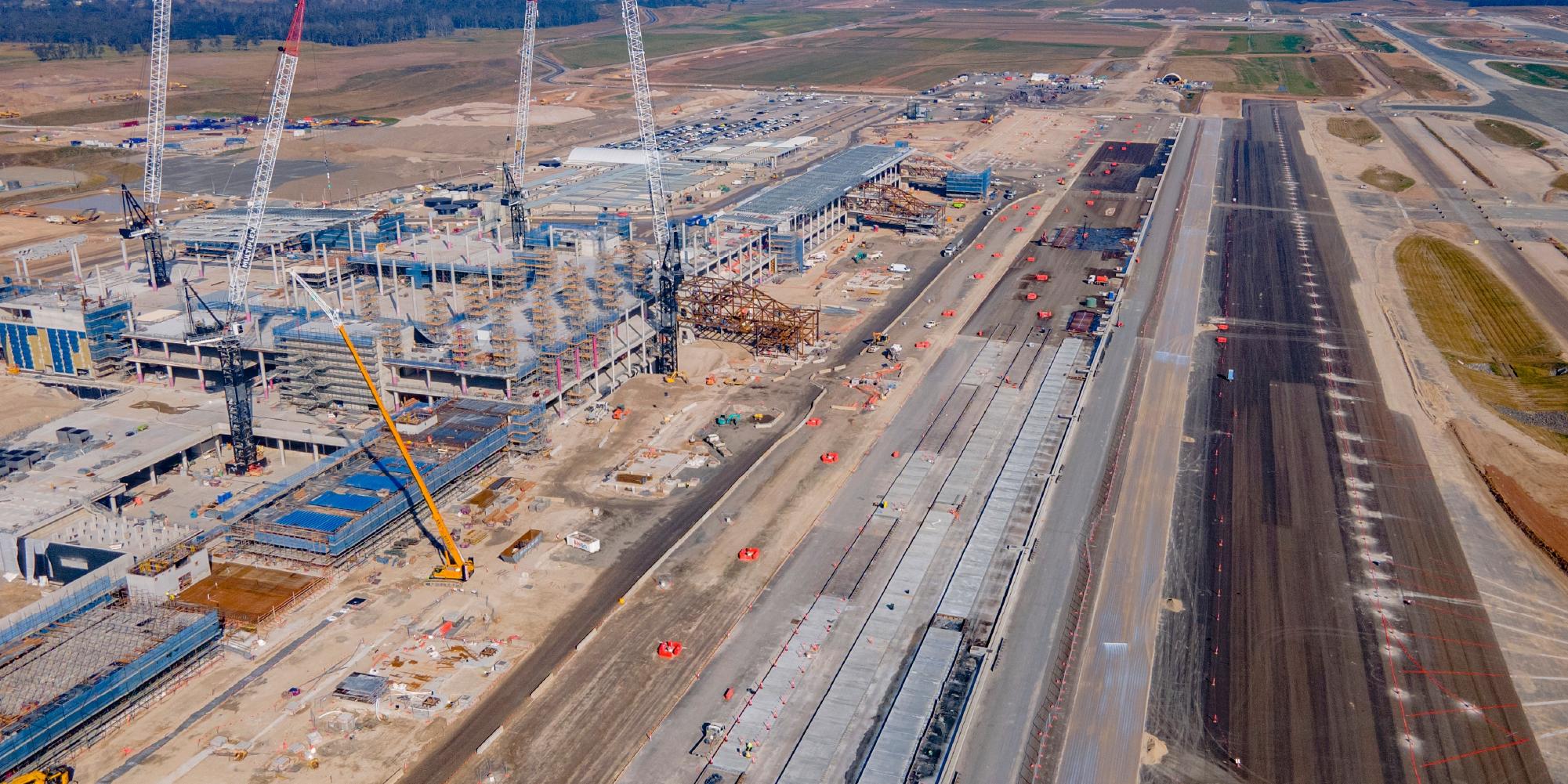
The strongest argument for airport spending is long-term use.
World Cup visitors will come and go.
But airports can keep serving tourism, business travel, trade and diaspora movement for decades.
The risk with mega-event spending is building too much for a short moment.
The opportunity is building infrastructure that works after the event.
Morocco’s 80 million passenger goal only becomes a money machine if the capacity remains useful beyond 2030.
That means route development, hotel supply, service quality and regional planning must all move together.
Execution Is The Real Test
The target is impressive.
The execution will decide the result.
Airports must be built or expanded on time.
Budgets must be controlled.
Passenger experience must improve.
Staffing must match capacity.
Security and border procedures must remain efficient.
Transport links to city centres must be reliable.
If the terminal is bigger but the taxi queue is chaotic, the passenger experience still suffers.
Infrastructure is only as strong as the system around it.
The Competition Is Regional
Morocco is not building in isolation.
Airports across the region are competing for passengers, routes and hub status.
Istanbul, Dubai, Doha, Lisbon, Madrid and other airports all compete in different ways for tourism and transfer traffic.
Morocco does not need to copy them.
But it does need to offer reliability, connectivity and a strong visitor experience.
The airport rush is therefore part of a wider competition for travel flows.
Why This Is A Money Story
This belongs in Money because airport capacity is economic infrastructure.
It affects tourism receipts.
Airline routes.
Hotel occupancy.
Retail revenue.
Conference business.
Jobs.
Regional development.
Foreign investor confidence.
A bigger airport network can make Morocco more accessible, more competitive and more visible.
The question is not whether airports are expensive.
They are.
The question is whether they create enough economic activity to justify the rush.
The Bottom Line
Morocco’s 80 million passenger goal could become a 2030 money machine if it turns airport expansion into lasting tourism, business travel and regional growth.
The plan is ambitious: more than double capacity, upgrade major airports and prepare the country for a World Cup-driven surge in visitors.
But the real prize is bigger than 2030.
If Morocco can combine airport capacity with better routes, smoother service, stronger hotels, reliable transport and year-round tourism demand, the airport rush could keep paying long after the tournament ends.
Category: Money