
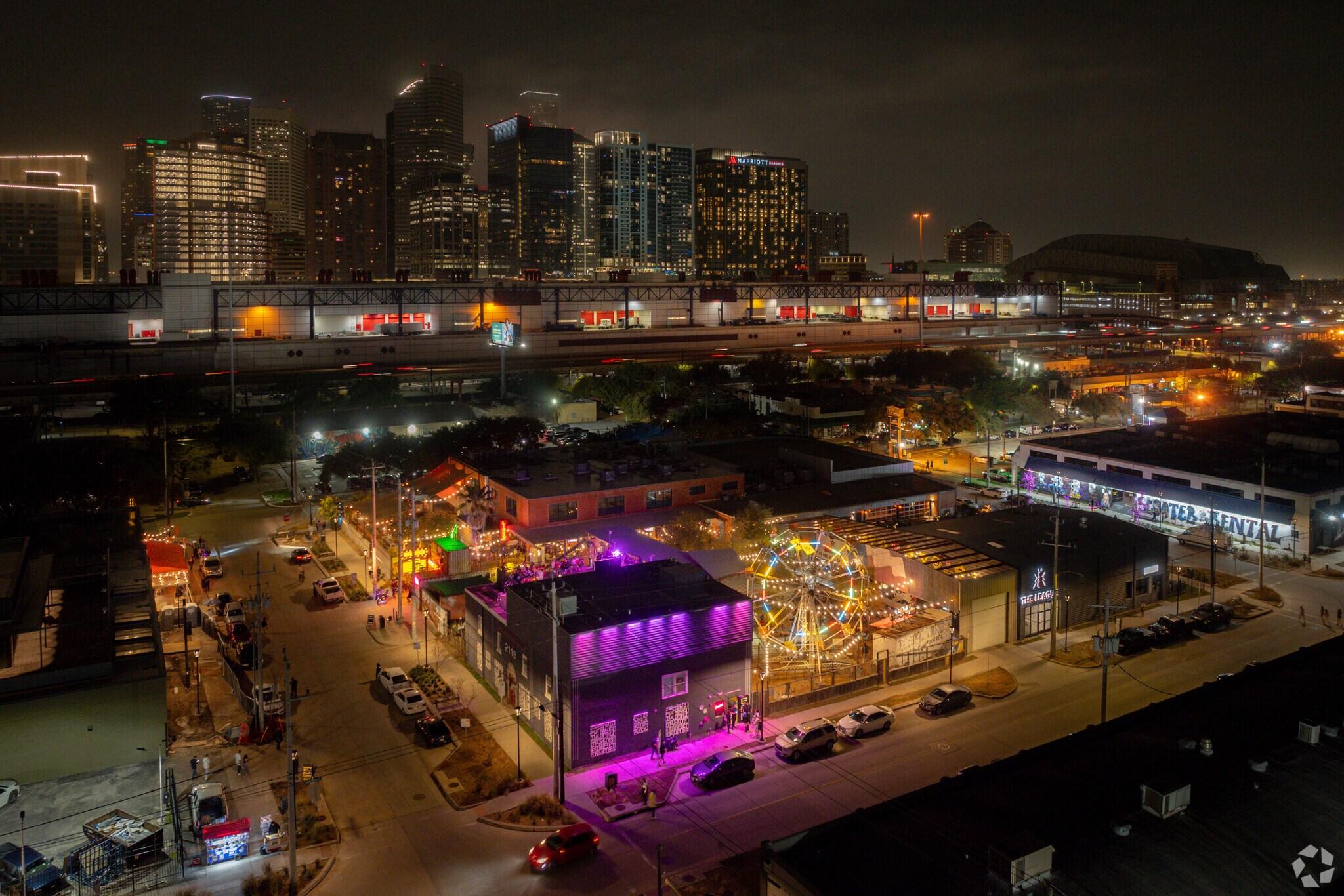
One World Cup match can move a city. Tickets. Hotels. Flights. Restaurants. Rides. Parking. Food. Merchandise. When Morocco and Canada meet in Houston, the match is not only a football event — it is a spending wave. Canada vs Morocco is Houston’s final World Cup match of 2026, closing the city’s run of seven tournament games with a knockout clash that concentrates emotion and spending into a single powerful day.
Ticket Prices Show The Market Moving

Ticket prices tell part of the story. According to the Houston Chronicle, the cheapest available tickets for Morocco vs Canada were around $630 on the morning of July 3. Prices had reportedly reached much higher levels before moving down closer to match day. That is World Cup demand in real time — prices can rise with hype, fall with availability and move quickly when teams, cities and fan expectations change. For fans, it is stressful. For the market, it is a signal. Knockout football creates pressure, and pressure moves prices. Morocco fans added their own urgency: Royal Air Maroc launched 12 special flights to Houston with capacity for more than 3,000 supporters.
Houston Gets One Last World Cup Boost
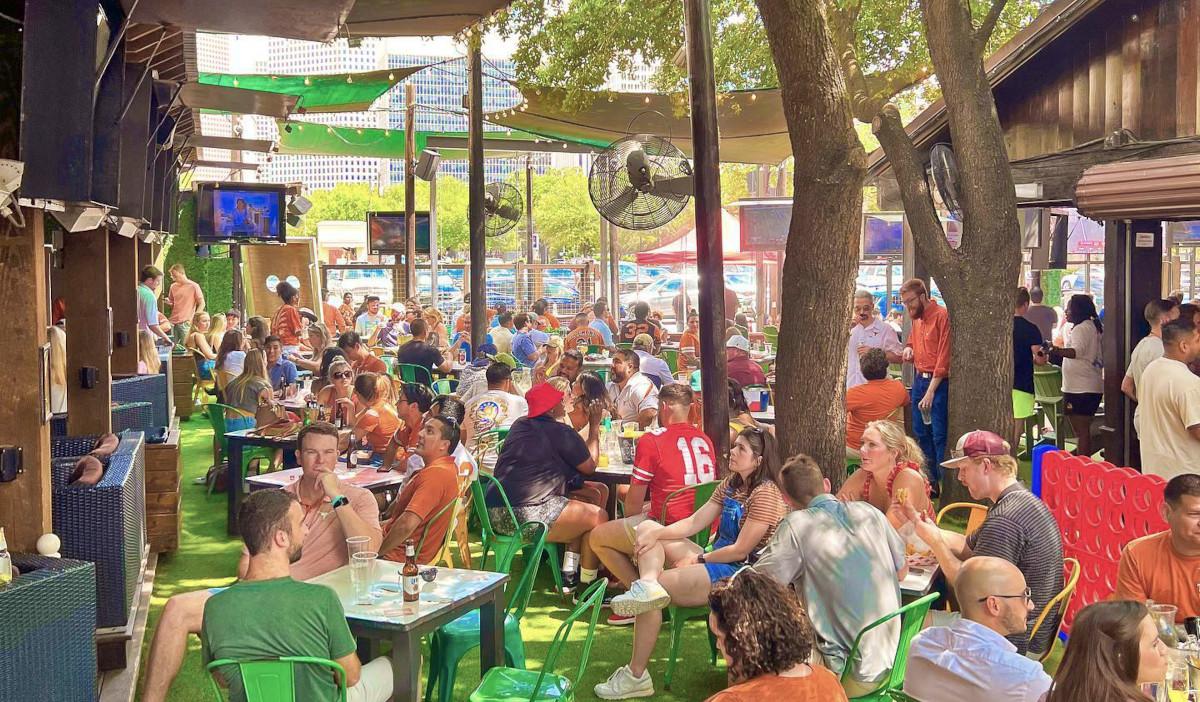
Houston has hosted seven World Cup games during the 2026 tournament. Canada-Morocco is the final one — giving the city one last chance to capture match-day spending. Hotels, restaurants, food trucks, bars, transport providers and small shops all benefit when supporters arrive with time to fill and money to spend. The stadium hosts the match, but the city hosts everything around it. A fan may spend more outside the stadium than inside it. Canada’s co-host status adds a second demand layer: supporters can realistically travel within North America, making the match more accessible and therefore more economically active across flights, hotels, food and ground transport.
Restaurants And Bars Feel The Rush
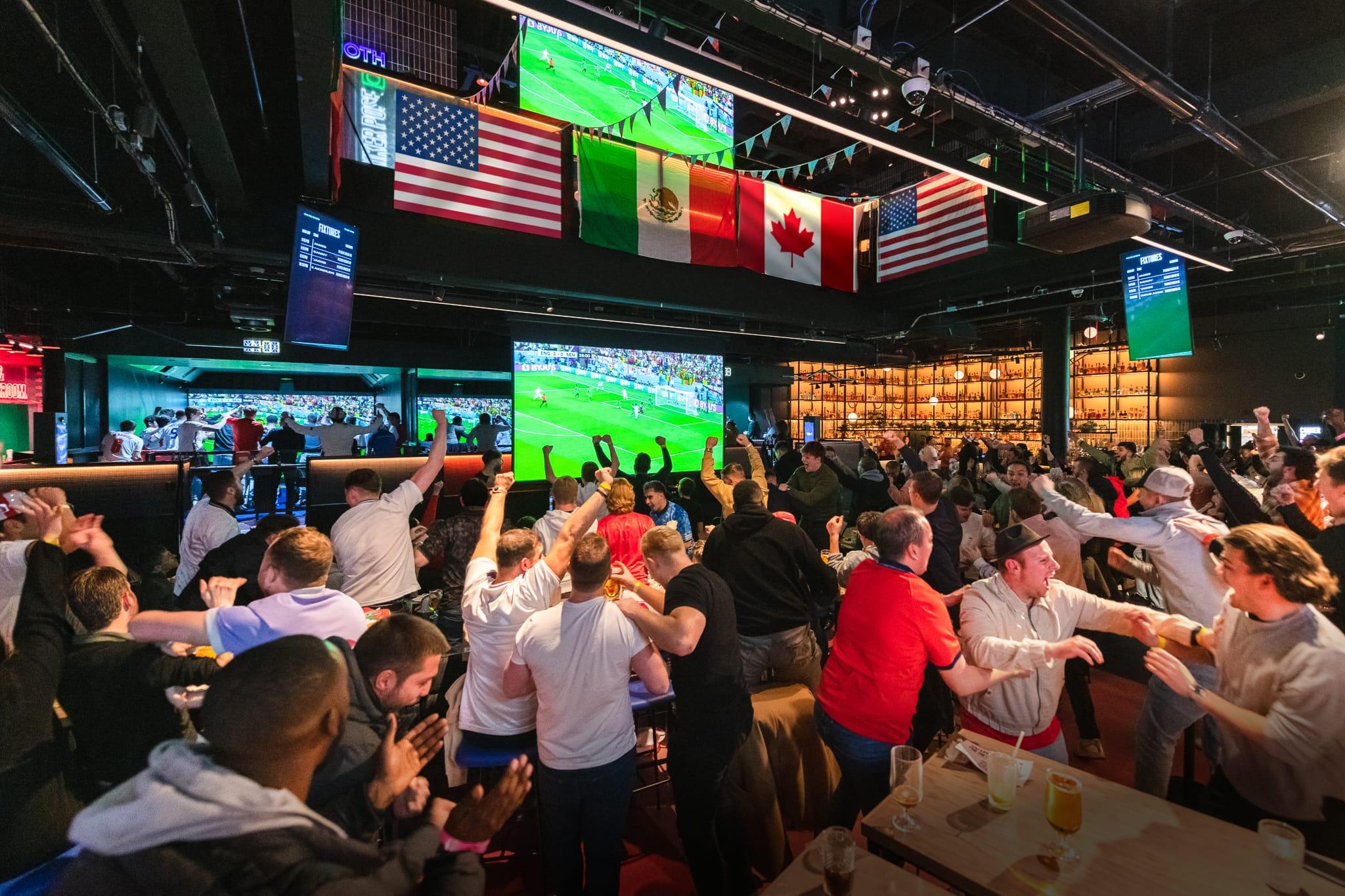
Match days are powerful for food and drink businesses. Fans arrive early, wait, meet friends, eat before kick-off, drink after the match and search for places with screens. For restaurants and bars near fan routes, stadium movement can become a major opportunity. Even businesses away from the stadium can benefit if they become meeting points for supporters. Football creates crowds. Crowds create demand. Demand creates sales. Transport is the hidden money story too: fans need to move from hotels to the stadium, from airports to the city, from fan zones to restaurants — rideshares, taxis, parking and public transit all become part of the match-day economy, and urgency often increases spending.
Merchandise Turns Emotion Into Purchases
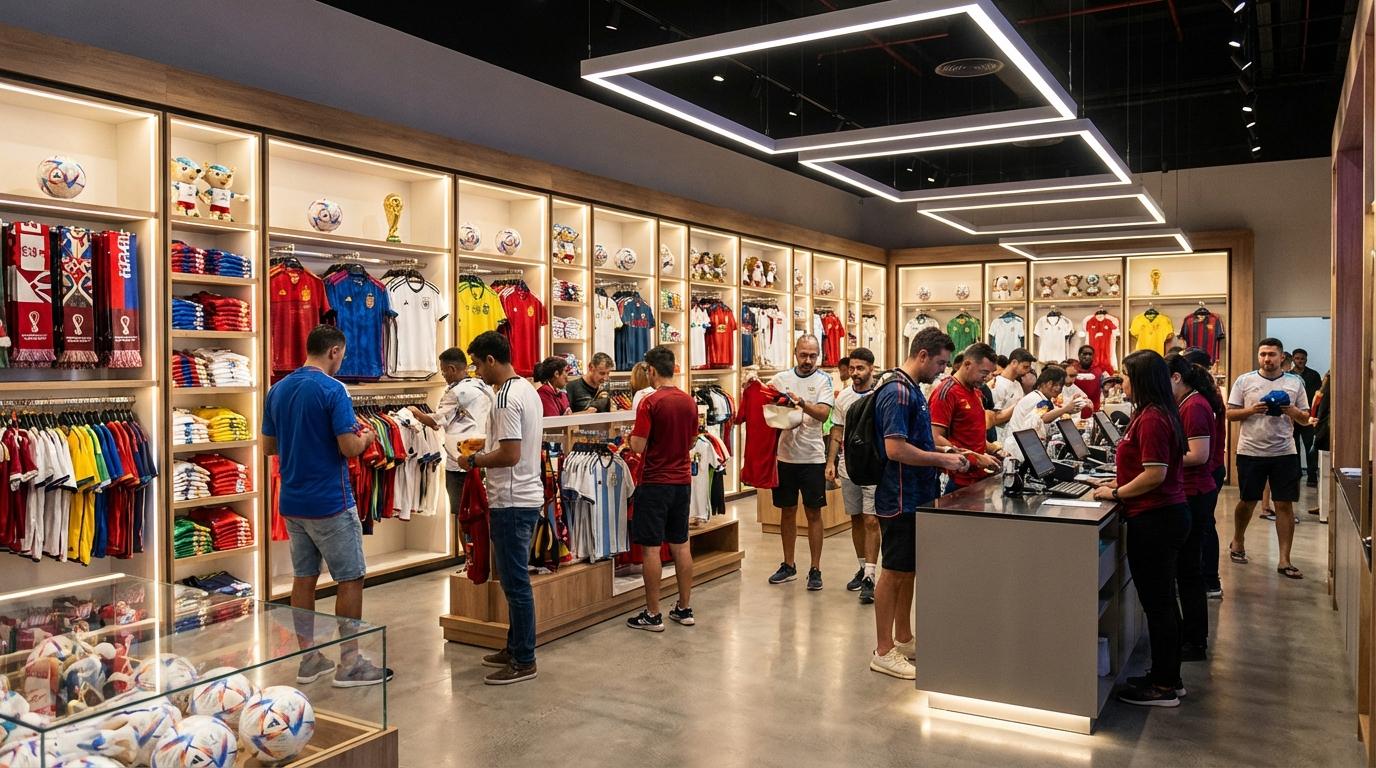
A knockout match creates merchandise demand. Fans want to look ready: shirts, flags, scarves, caps and anything that makes the day feel more official. For families, one match can turn into multiple purchases — a shirt for the father, a flag for the child, a scarf for the photo, a cap for the heat, a souvenir for the memory. That is how football emotion becomes retail spending. People are not only buying items. They are buying proof that they were part of the day. Even fans without tickets still spend — they watch in bars, gather in fan zones, buy food, travel into the city and join the atmosphere. That is why knockout football is so valuable: the match becomes bigger than the attendance number and creates a full-day economy.