

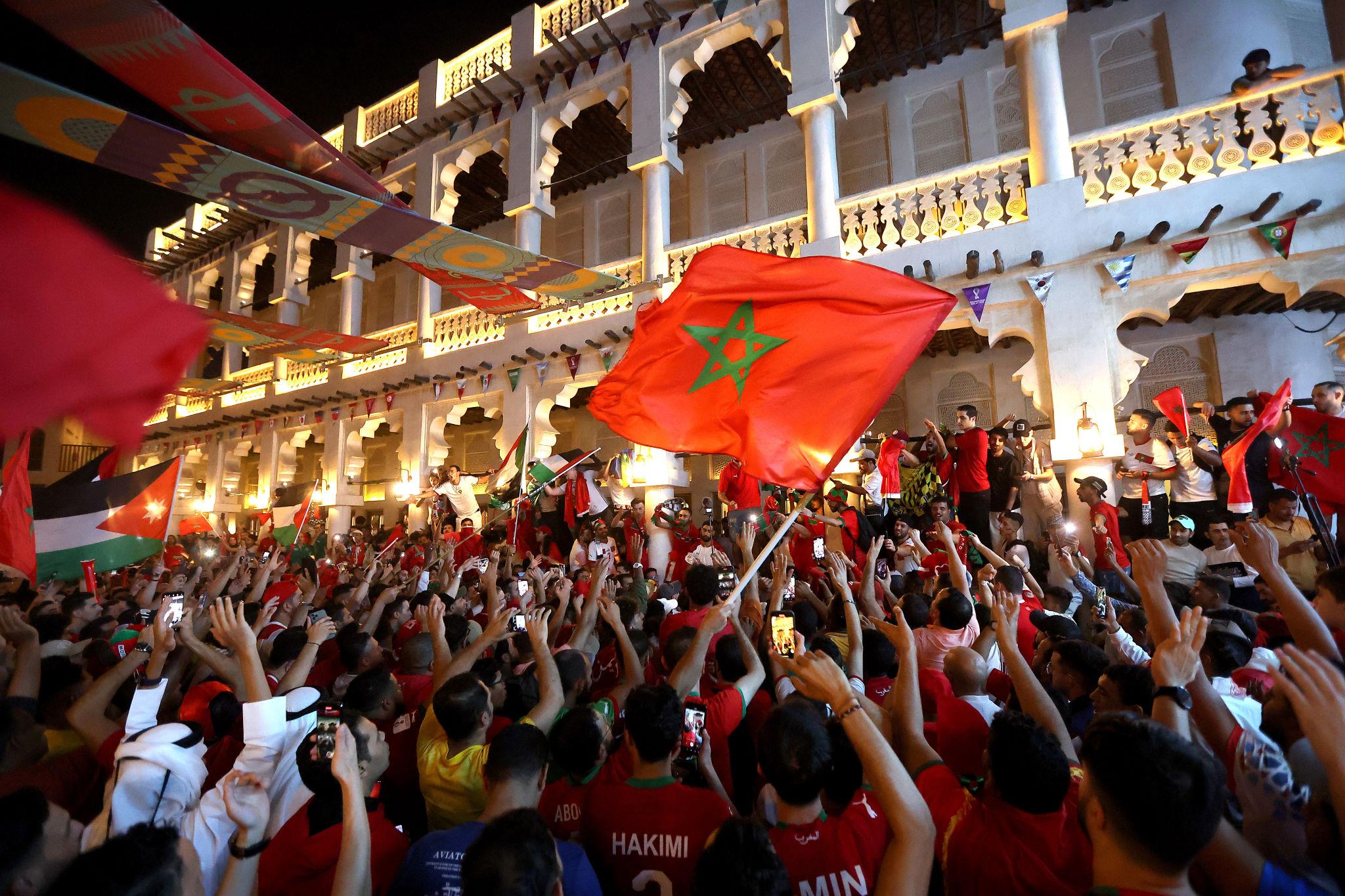
Morocco’s World Cup journey is not only happening inside stadiums. It is happening on the road. Across Texas, Moroccan supporters are turning the trip toward Houston into a moving fan parade of flags, cars, shirts, songs and belief. For many fans, this is not just travel. It feels like a pilgrimage — a World Cup pilgrimage, a red-and-green mission built around one question: can the Atlas Lions keep going?
Flags Turn Cars Into Moving Stadiums
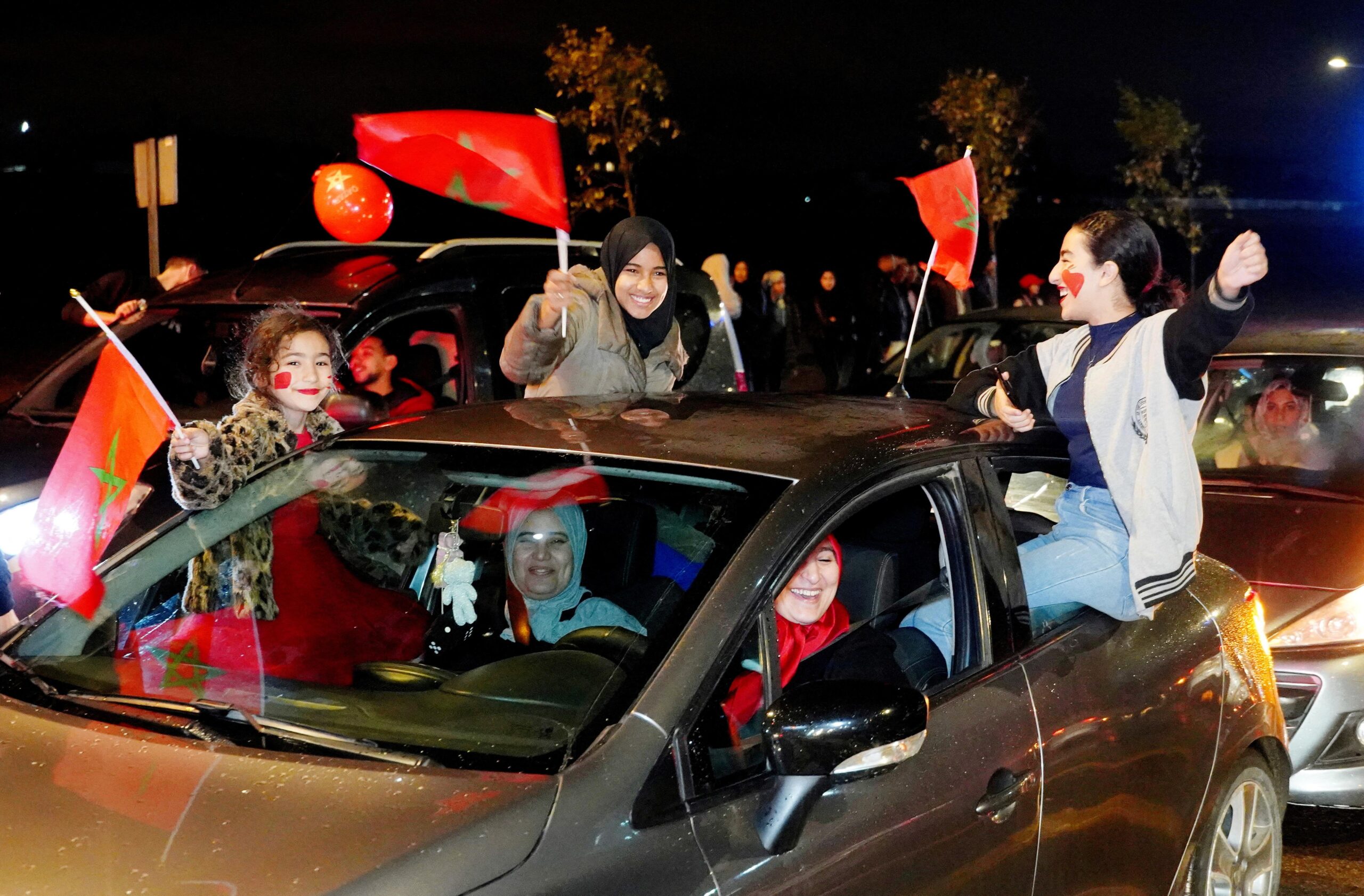
The most powerful image is simple: a car, a Moroccan flag, a World Cup shirt. During big tournaments, flags change everything. They turn ordinary streets into football spaces. They turn car windows into national symbols. They turn parking lots into pre-match gatherings. For Morocco supporters, the red flag with the green star is more than decoration — it is identity. It tells other fans: we are here. It tells the city: Morocco has arrived. It tells the players: you are not alone. That is why the fan caravan matters. Fans are not only thinking about tickets and hotels. They are thinking about routes, cars, fuel, timing, parking, meet-up points and flags. Every kilometre matters. Every stop becomes part of the story. For supporters already in the United States, the road to Houston is becoming a match-day experience before the match even begins.
Diaspora Pride Drives The Journey
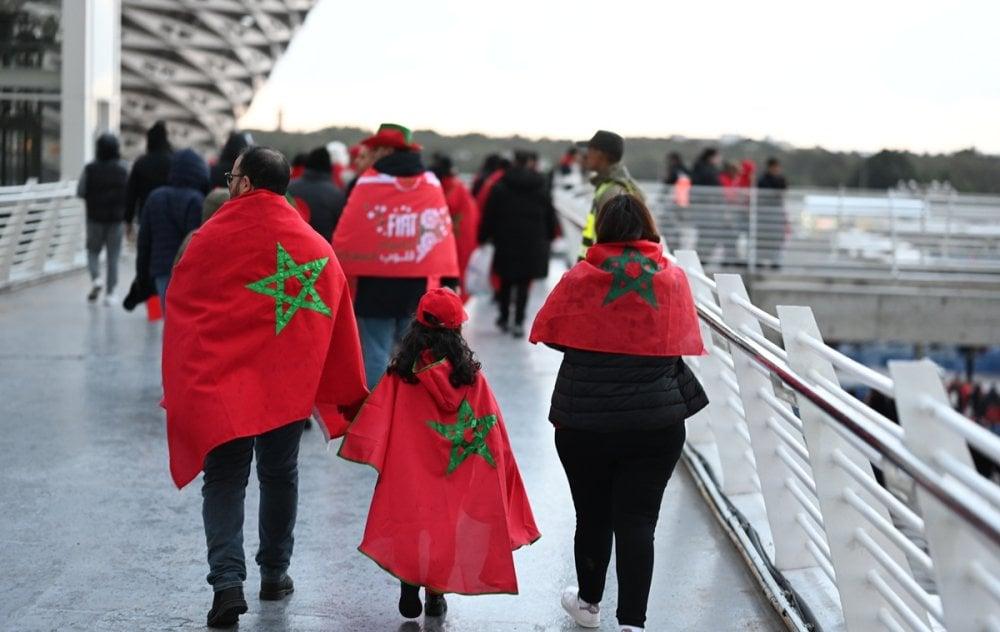
The Moroccan diaspora gives this story extra power. World Cup matches never belong only to the people inside Morocco — they also belong to Moroccans in Europe, North America, the Gulf and beyond. In the United States, that pride becomes very visible. Families who live thousands of kilometres from Casablanca, Rabat, Tangier, Fez or Marrakech can still feel close to the national team. A shirt does that. A flag does that. A song in the car does that. A World Cup road trip does that. The fan caravan becomes a way of saying: distance does not weaken the connection. Some fans are travelling from nearby cities. Others are coming from further away. Some are part of the Moroccan diaspora in North America. Others are international supporters who planned their entire World Cup summer around the Atlas Lions.
Social Media Turns The Road Into Content
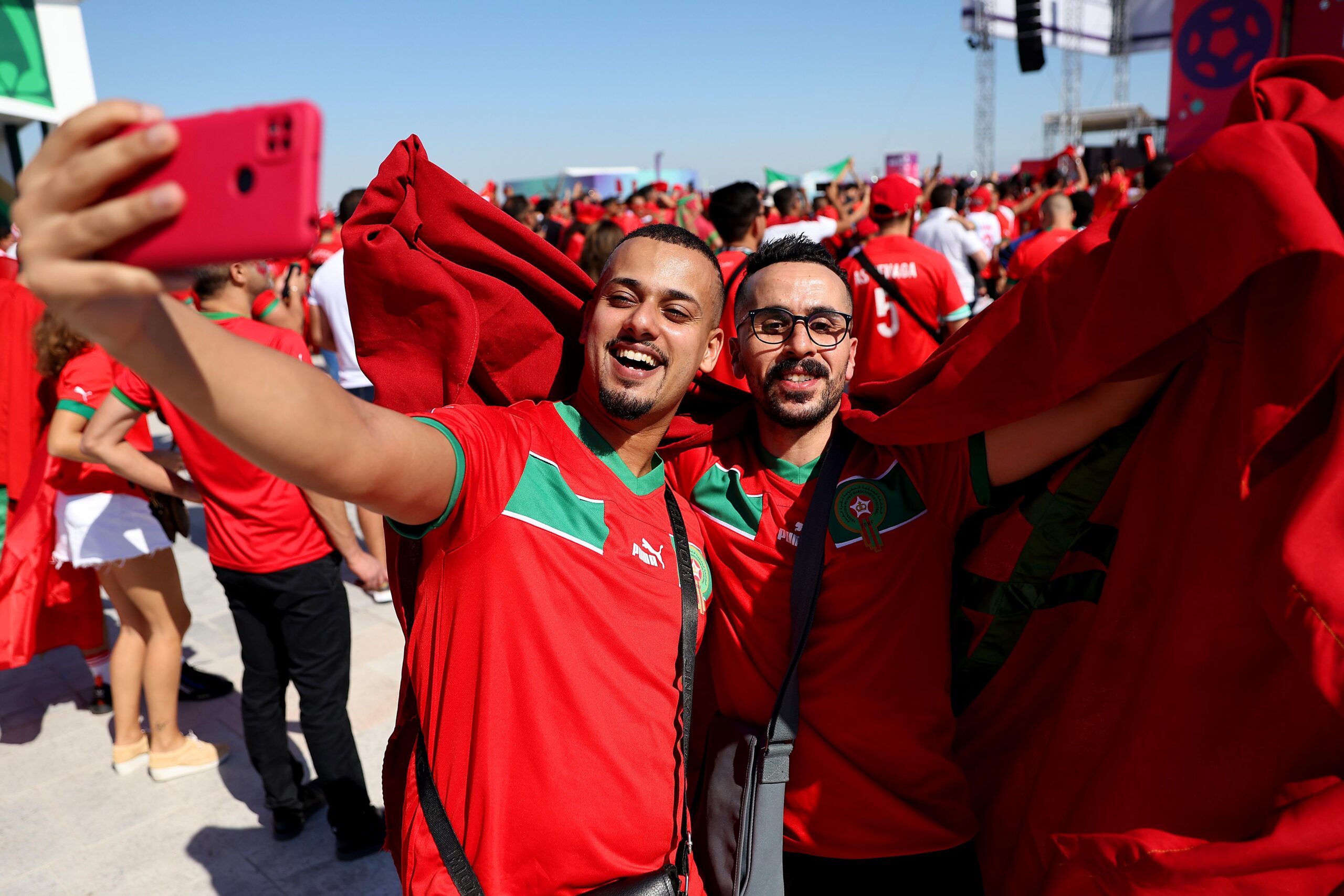
This World Cup is not only watched — it is filmed. Fans are turning the journey to Houston into content before they even reach the stadium. A flag on a car, a group singing, a petrol station stop, a family in Morocco shirts: all of it can become a viral clip. That changes the fan experience. The road trip becomes a feed. The convoy becomes a video. The match-day build-up becomes shareable. For Morocco fans, that matters because the tournament emotion is bigger than one location. A clip filmed in Texas can be watched in Casablanca within seconds. World Cup travel can also be stressful: hotels can be expensive, roads can be busy, parking can be difficult, and families need food, water, shade and patience in summer heat. But that is also part of tournament travel — the discomfort becomes part of the memory, and the long road becomes part of the celebration if Morocco win.
Houston Becomes The Next Moroccan Stop
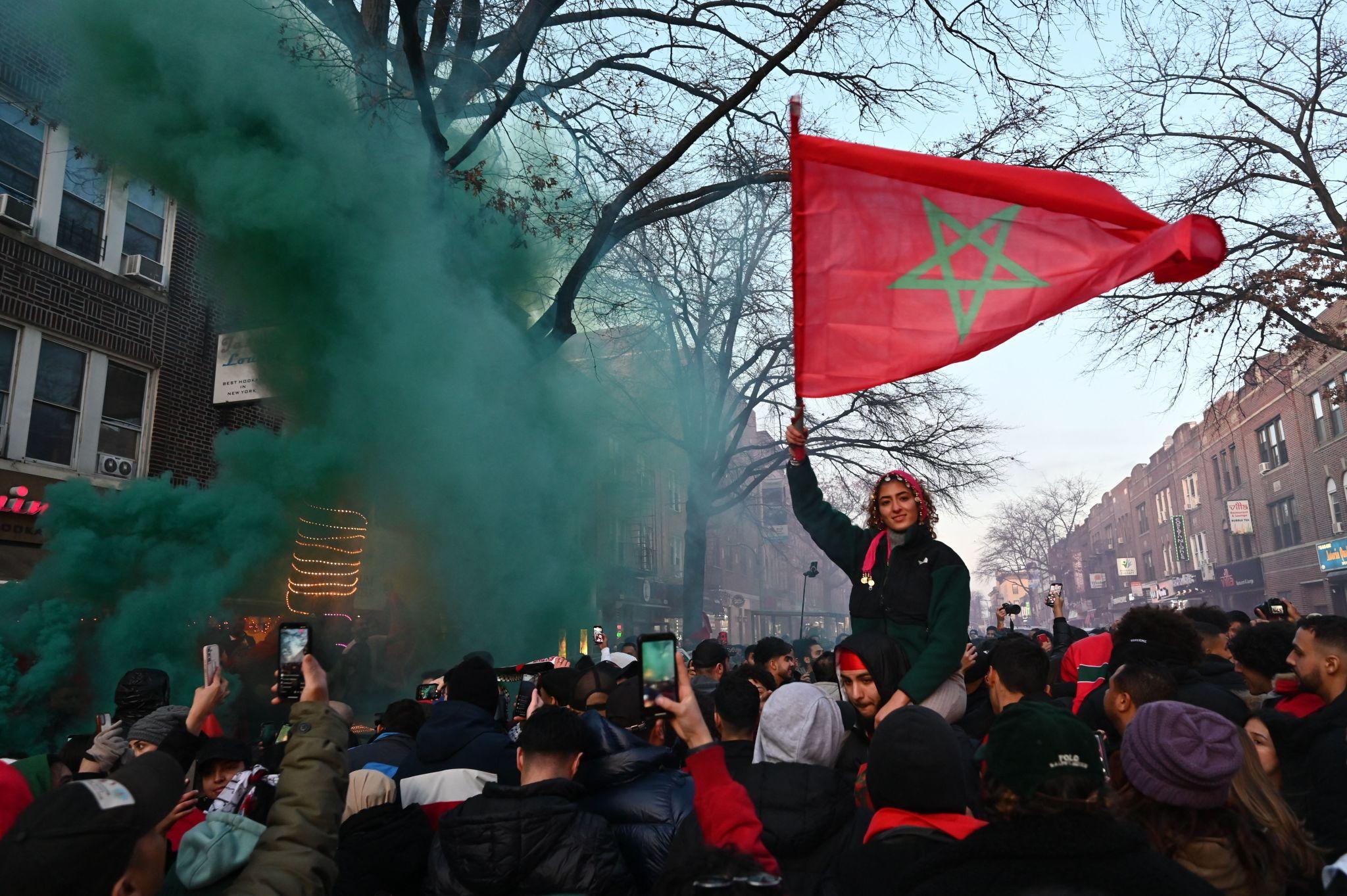
Houston now becomes more than a host city. For Moroccan fans, it becomes the next emotional checkpoint in the tournament. The city already has the ingredients for a huge World Cup day: heat, traffic, fan zones, hotels, restaurants, stadium movement and thousands of supporters trying to get into position. That creates pressure — but it also creates theatre. Every airport arrival, every road trip, every café meeting and every flag-filled street adds to the build-up. The match does not start at kick-off. For fans, it starts the moment they leave home. A Morocco win would turn the road home into a celebration route. A defeat would make the same journey feel longer, quieter and heavier. That is tournament football — one match can change the emotional temperature of an entire city, an entire fan base and an entire road.