

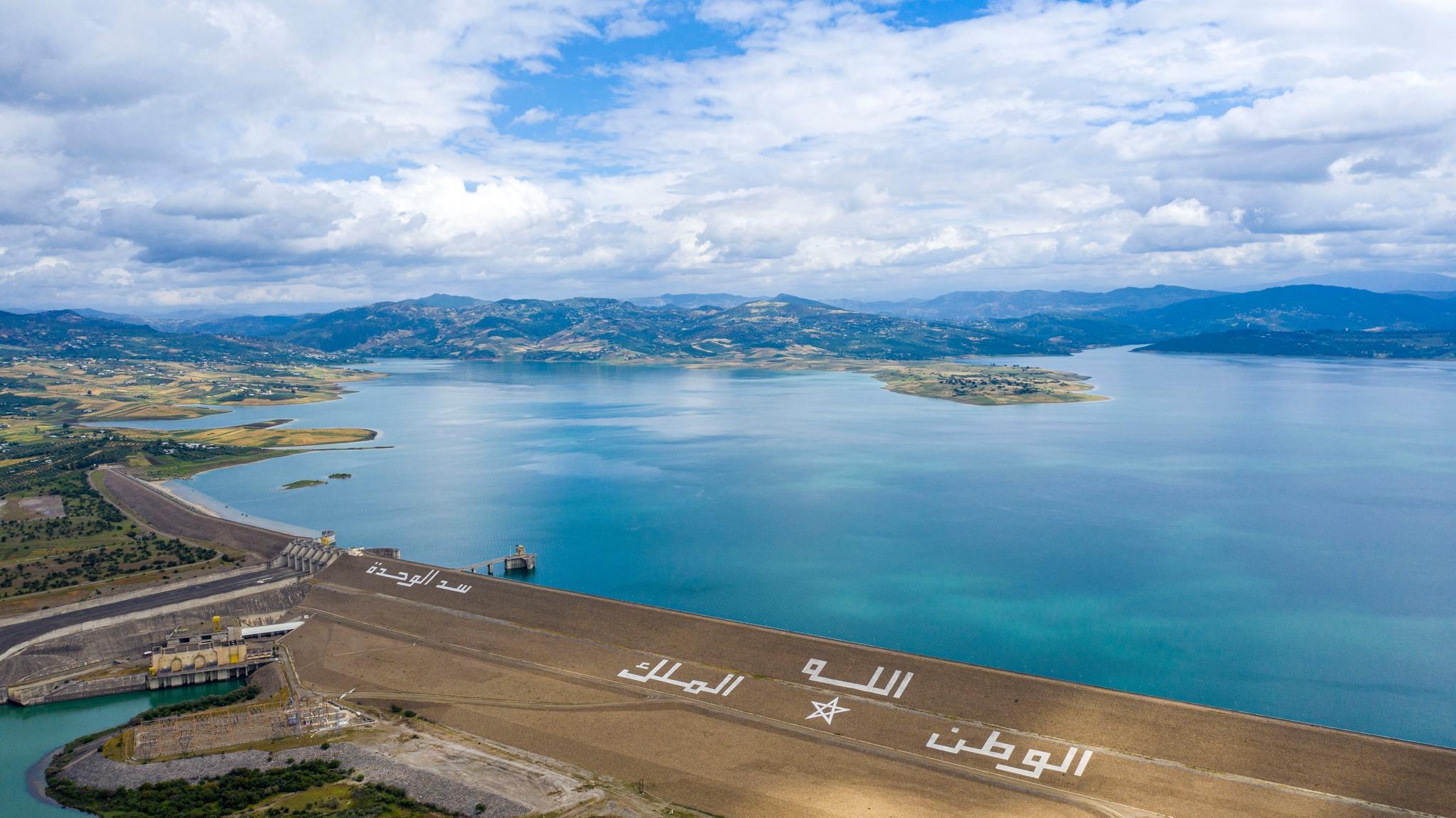
Morocco’s major reservoirs reached a national filling rate of 70.6% on 27 July 2026.
Stored water stood at approximately 12.02 billion cubic metres, almost twice the volume recorded at the same point last year.
After years in which falling dam levels became a symbol of national vulnerability, the recovery is significant.
It improves the short-term outlook for drinking water.
It offers greater security to cities, households and parts of the agricultural economy.
It also provides psychological relief after a prolonged period of drought, restrictions and uncertainty.
But one wet cycle does not eliminate a structural water challenge.
Reservoir recovery can create confidence.
It can also create complacency.
Morocco’s real test is whether the country uses this period of stronger reserves to accelerate reform before scarcity returns.
Water Security Changes Daily Life
Water statistics can appear distant from ordinary life.
Their impact is not.
Reservoir levels influence whether households fear restrictions during summer.
They affect the reliability of urban supply.
They shape agricultural decisions, food prices, construction planning and regional confidence.
When reserves fall sharply, uncertainty enters daily routines.
Residents become more conscious of every litre used.
Farmers delay planting decisions.
Municipalities prepare restrictions.
Businesses dependent on water begin calculating operational risk.
Hotels, restaurants, hospitals, factories and residential developments all require reliable supply.
The improvement to 70.6% therefore represents more than a hydrological statistic.
It changes the national mood.
A country that spent years discussing emergency scarcity can temporarily shift towards planning from a position of greater security.
But confidence should not be confused with permanence.
The current reserves create breathing space.
They do not remove the forces that made Morocco vulnerable in the first place.
The National Average Hides Regional Differences
A national filling rate can create the impression that all regions have benefited equally.
They have not.
Northern and western basins currently hold the strongest reserves.
Tensift exceeded 86%, while Loukkos and Sebou were both above 83%.
The Bouregreg basin, which supports major urban centres along the Rabat–Casablanca corridor, was also close to 83%.
Conditions remained weaker farther south.
Souss-Massa stood near 51%.
Ziz-Guir-Rheris remained below 43%.
Drâa-Oued Noun was around 35%.
These differences matter because water cannot always be moved easily from the regions where it is available to those where demand is greatest.
A full reservoir in one basin does not automatically solve scarcity hundreds of kilometres away.
Morocco’s water reality is therefore regional as much as national.
Some communities can enter the next period with stronger security.
Others remain dependent on desalination, groundwater, transfers and strict demand management.
Public communication should reflect that distinction.
National optimism is justified.
Regional caution remains necessary.
A Good Year Can Hide A Structural Problem
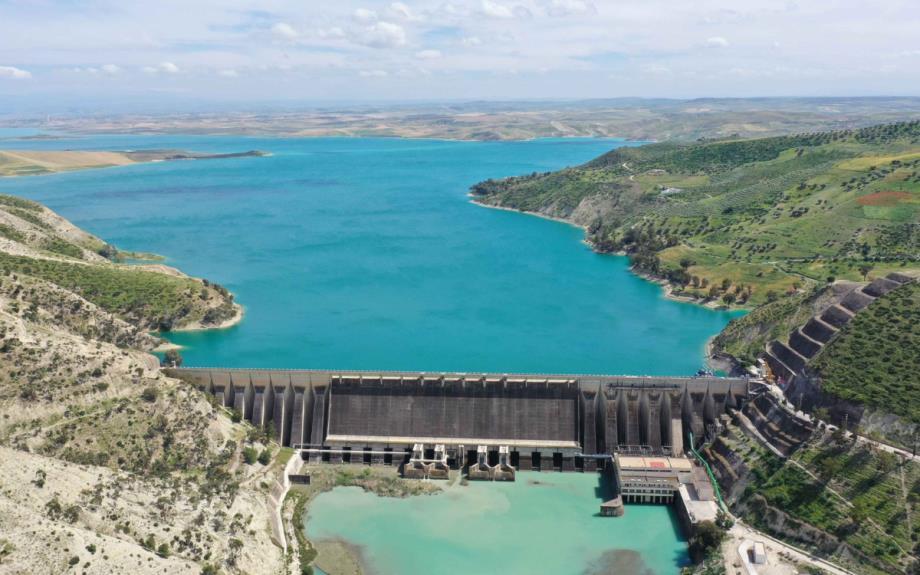
Morocco’s reservoir recovery followed a period of unusually strong rainfall after seven years of drought.
That is welcome.
But rainfall remains outside the control of public policy.
The country cannot build long-term security on the expectation that every dry period will eventually be corrected by one exceptionally wet season.
Climate patterns are becoming less predictable.
Long dry periods can be interrupted by intense rainfall that produces floods without creating stable water availability everywhere.
High temperatures also increase evaporation and agricultural demand.
During July alone, reservoir levels continued to decline gradually under summer pressure, even while remaining far stronger than the previous year.
The lesson is not that dams have failed.
They remain essential.
The lesson is that reservoirs alone cannot provide complete protection against a changing climate.
Morocco needs a system capable of managing abundance and scarcity.
It must capture water when rain arrives, protect communities when rainfall becomes extreme and reduce demand before reserves become critical again.
Households Should Not Receive The Wrong Signal
Visible improvement in reservoir levels can influence behaviour.
When scarcity dominates public discussion, households become more careful.
When reserves recover, conservation can weaken.
Longer showers return.
Gardens receive more water.
Leaks appear less urgent.
Car washing and unnecessary consumption become easier to justify.
This behavioural reversal can reduce part of the benefit created by stronger reserves.
Water-saving habits should not exist only during emergencies.
They should become part of normal urban life.
That does not require permanent anxiety or unrealistic restrictions.
It requires practical efficiency.
Leaks should be repaired quickly.
Modern buildings should use water-saving fixtures.
Public gardens should prioritise plants suited to local climate conditions.
Cleaning systems should use reclaimed water where possible.
Consumers should receive clear information about their usage.
The objective is not to make households responsible for a national challenge they did not create.
It is to ensure that stronger public infrastructure is supported by more efficient everyday behaviour.
Cities Need To Design For Permanent Pressure
Morocco’s urban population continues to grow.
New neighbourhoods, hotels, offices, hospitals and commercial projects are increasing demand around major cities.
Water planning must therefore become a central part of urban development.
A construction permit creates future water demand.
A tourism project creates permanent operational consumption.
A new residential zone requires drinking water, sanitation and wastewater treatment for decades.
These decisions should not be evaluated independently from basin capacity.
Cities need to understand how much water new development will require and where that water will come from.
Building standards can also reduce long-term consumption.
Greywater systems can reuse water from showers and sinks for appropriate non-drinking purposes.
Rainwater can be captured where local conditions allow.
Smart meters can identify unusual consumption.
Landscaping can be designed around lower-water species.
Wastewater networks can support reuse rather than treating every litre as disposable.
A water-secure city is not simply connected to a large reservoir.
It is designed to require less from that reservoir.
Desalination Has Become Structural Infrastructure
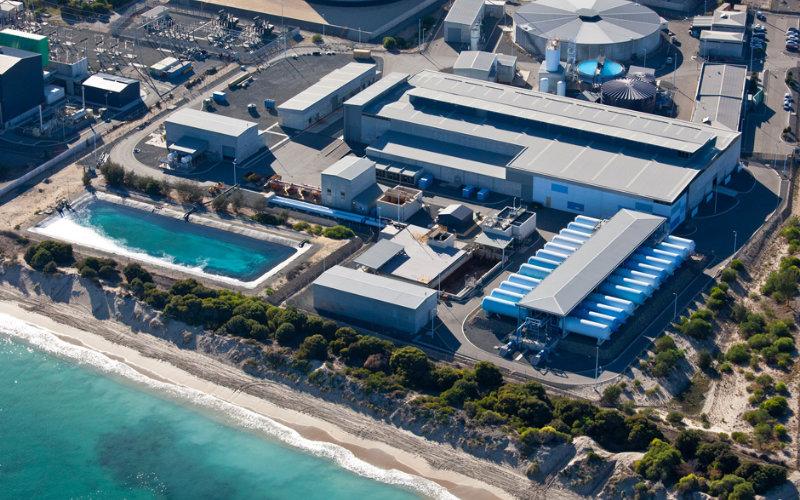
Morocco has expanded desalination as part of its response to prolonged drought.
Coastal cities and industrial regions can no longer rely exclusively on rainfall and dams.
Desalination creates a supply source less directly dependent on weather.
That makes it strategically valuable.
But desalinated water carries financial and energy costs.
Plants require major investment.
Operating systems consume electricity.
Water must be transported from the coast to demand centres.
Environmental impacts, including the management of concentrated brine, must also be controlled.
Desalination should therefore not become an excuse to avoid efficiency.
Producing expensive new water while allowing existing networks to leak would weaken the economics of the entire strategy.
The strongest model combines desalination with renewable energy, efficient distribution and disciplined consumption.
It should provide additional security, not permission for unlimited demand.
Wastewater Can Become A Second Resource
Every litre used in a city does not need to disappear after one purpose.
Treated wastewater can support landscaping, industrial processes and some forms of agricultural use.
This reduces pressure on drinking-water supplies.
It also creates value from infrastructure that cities already operate.
The difficulty is not only technical.
Reuse requires separate networks, quality controls, investment and public confidence.
Municipalities need reliable treatment plants.
Users need clarity about which applications are safe.
Developers and industrial operators need incentives to connect.
Large consumers can play an important role.
Golf courses, industrial zones, public parks and major real-estate developments should increasingly use treated water where drinking quality is unnecessary.
Fresh drinking water is too valuable to remain the default input for every urban activity.
Wastewater reuse turns consumption into a cycle rather than a one-way system.
Agriculture Remains The Central Equation
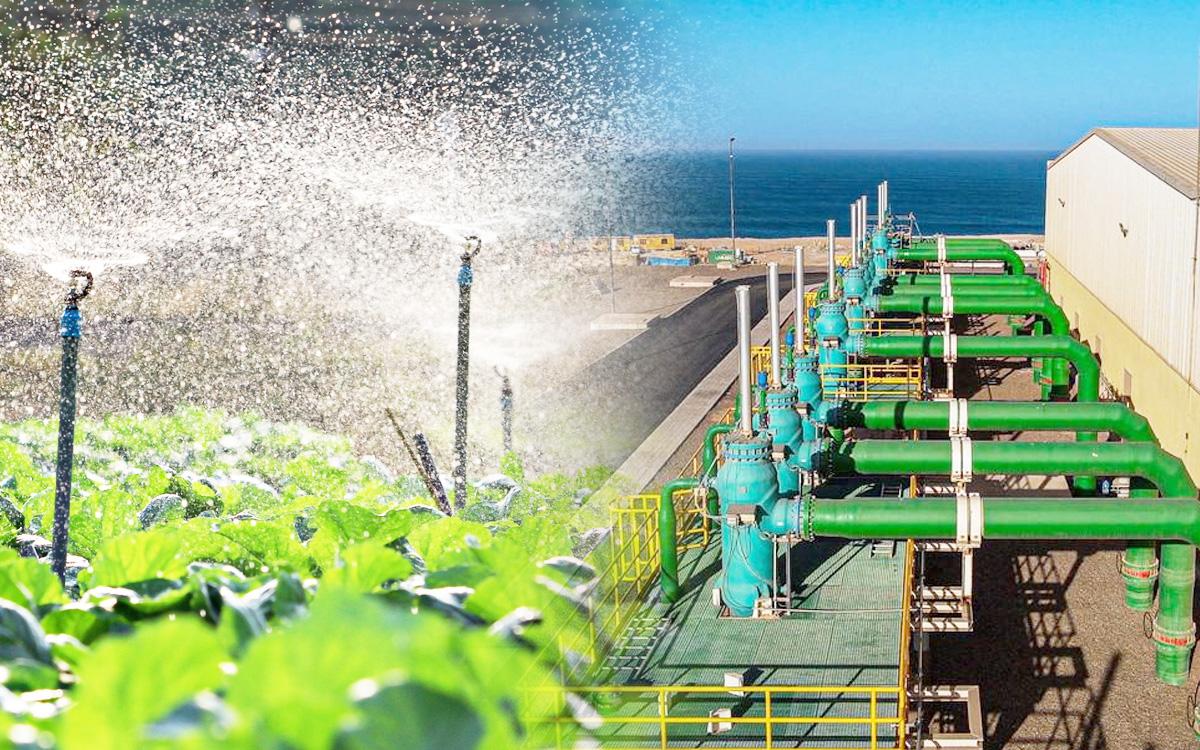
Agriculture represents the largest share of Morocco’s water demand.
That makes agricultural efficiency essential to every national water strategy.
The issue is not simply whether farming uses too much water.
Agriculture supports livelihoods, rural stability, exports and food security.
Reducing water allocation without providing viable alternatives could create serious social and economic consequences.
The question is how to generate more value from every cubic metre.
Drip irrigation has improved efficiency in many areas.
But efficient irrigation can sometimes encourage expansion into more irrigated land, reducing part of the expected saving.
Crop selection also matters.
Different products generate different levels of employment, export revenue and food value relative to their water consumption.
Morocco needs transparent information about these trade-offs.
Water policy should help farmers adapt rather than impose abrupt change.
That may require technical support, financing, insurance, alternative crops and more predictable allocation rules.
A stronger reservoir year provides the ideal moment to make these reforms.
Waiting until the next emergency would make every decision more painful.
Groundwater Recovery Cannot Be Assumed
Reservoirs are visible.
Groundwater is not.
This makes underground reserves easier to ignore and harder for the public to assess.
In some agricultural and urban areas, groundwater has absorbed pressure when surface supplies declined.
Wells became deeper.
Extraction increased.
Aquifers were asked to provide water accumulated over long periods.
Strong rainfall and fuller dams do not necessarily restore these underground resources immediately.
Groundwater can take years to recover.
Some aquifers may remain structurally overused even while national reservoir indicators look positive.
Monitoring must therefore include both surface and underground reserves.
Extraction rules need credible enforcement.
Illegal wells and uncontrolled pumping weaken the security of communities and businesses using the same resource responsibly.
A reservoir recovery should reduce pressure on groundwater where possible.
It should not create the assumption that every part of the water system has returned to health.
Tourism Must Grow With Water Discipline
Morocco’s tourism ambitions are expanding rapidly.
More visitors, hotels, restaurants, swimming pools, landscaped resorts and leisure facilities will increase demand.
This creates a sensitive balance.
Tourism generates revenue, jobs and regional development.
But destinations facing water pressure cannot allow growth to weaken supply for local residents.
The strongest tourism projects will treat water efficiency as part of commercial quality.
Guests increasingly understand environmental pressure.
Hotels can communicate conservation without reducing comfort.
Low-flow systems, efficient laundry operations, treated-water landscaping and leak monitoring can significantly reduce consumption.
New developments should be evaluated against regional availability rather than national averages.
A project in a water-secure basin faces a different reality from one in a structurally stressed destination.
Tourism investment must therefore become more geographically and operationally water-aware.
Premium hospitality should mean efficient hospitality.
Pricing Must Protect Access And Discourage Waste
Water pricing is politically and socially sensitive.
Access to safe drinking water is essential.
Low-income households must be protected.
But pricing systems should also discourage excessive consumption.
A household using water for essential daily needs should not face the same logic as a large consumer using significantly more than average.
Progressive pricing can preserve affordability while making waste more expensive.
The system must remain clear and fair.
Billing errors or unexplained increases damage public confidence.
Infrastructure efficiency must also improve before authorities ask consumers to carry greater costs.
Citizens are more likely to accept conservation measures when they believe institutions are also reducing leaks, improving networks and enforcing rules consistently.
Water reform requires shared responsibility.
Households cannot be asked to save while large losses continue elsewhere.
The Recovery Creates An Investment Window
Water infrastructure is easiest to reform when the system is not already in crisis.
Emergency periods force governments to prioritise immediate supply.
Long-term projects become harder to design calmly.
The current recovery creates a valuable window.
Networks can be repaired before shortages become acute.
Inter-basin transfers can be planned more carefully.
Desalination capacity can be expanded with stronger environmental and financial preparation.
Wastewater reuse can be integrated into new urban projects.
Agricultural reforms can be introduced gradually.
Public communication can move from crisis warnings to permanent water literacy.
This is the moment when reform is politically more difficult to explain but operationally easier to deliver.
When reservoirs are full, urgency fades.
When they are empty, time has already been lost.
The strongest institutions act between those two moments.
Water Data Should Become Easier To Understand
Morocco now provides frequent information about reservoir filling rates.
That transparency is valuable.
But citizens and businesses need more than one national percentage.
They need context.
How fast are reserves declining?
Which basins remain vulnerable?
How much water is available for drinking, agriculture and industry?
What changes are expected during the next season?
How do current levels compare with long-term averages rather than only last year?
Clearer data can improve decision-making.
Farmers can plan more responsibly.
Developers can understand regional constraints.
Businesses can assess operational risk.
Households can see whether conservation remains necessary.
Public confidence increases when water policy is explained through consistent evidence rather than only emergency announcements.
A well-informed population is easier to mobilise before a crisis.
Recovery Must Become Resilience
The rise to a 70.6% national reservoir filling rate is one of Morocco’s most positive environmental developments in years.
It improves the immediate outlook.
It reduces pressure on several major urban and agricultural systems.
It proves how quickly sustained rainfall can change the national water picture.
But the deeper lesson of the past drought should not be forgotten.
Water security cannot depend on rainfall returning at the right moment.
Morocco needs diversified supply, stronger networks, efficient agriculture, responsible urban growth and permanent conservation.
The current recovery should change the national mood.
It should replace fear with confidence.
But it should not replace reform with relief.
A full reservoir is a valuable resource.
The greater opportunity is to use the time it provides.