

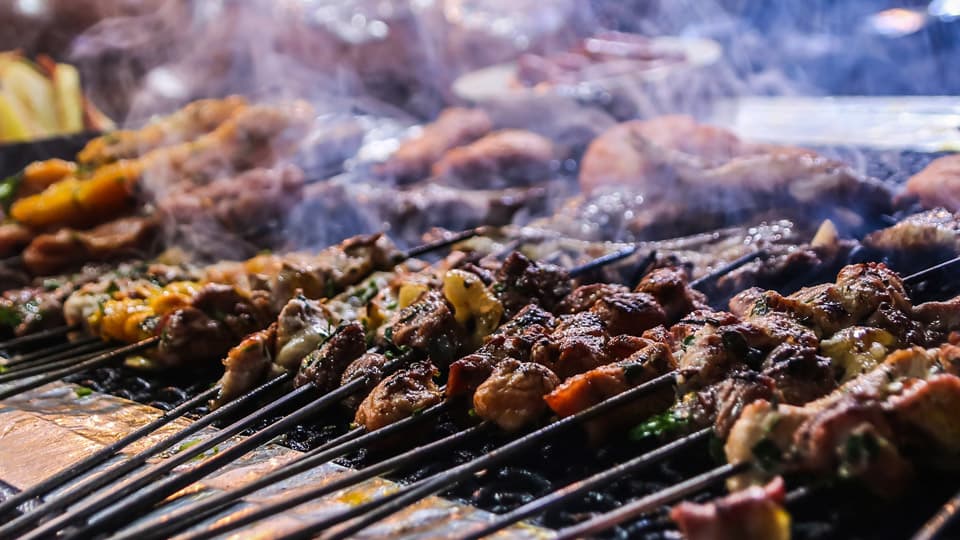
Forget white tablecloths and tiny luxury plates.
In Morocco, some of the best food moments happen on the street — hot, loud, smoky and impossible to ignore.
From Marrakech to Tangier, Casablanca to Fez, tourists are discovering that Moroccan street food is not just cheap food.
It is theatre.
It is culture.
And for many visitors, it becomes the taste they remember most.
The Smell Hits Before The Menu Does
Moroccan street food does not wait politely for attention.
It pulls people in.
Grilled meat smoke. Fresh bread. Spices. Mint tea. Fried fish. Hot soup. Orange juice stalls. Sweet pastries stacked high behind glass.
In cities like Marrakech and Fez, food is not hidden inside restaurants.
It spills into the streets.
That is what makes it powerful.
Tourists do not just eat it.
They walk into it.
Marrakech Still Owns The Street Food Drama
If one Moroccan city knows how to turn food into a show, it is Marrakech.
The famous Jemaa el-Fnaa square is one of the most recognisable food scenes in North Africa.
At night, the square changes mood.
Stalls light up.
Smoke rises.
Crowds gather.
Waiters call out to passing tourists.
For first-time visitors, it can feel chaotic.
But that chaos is part of the magic.
This is not a quiet dinner.
This is a memory.
Tangier Gives Street Food A Coastal Twist
Tangier offers a different flavour.
Here, the food story often comes with sea air.
Grilled sardines, fried fish, seafood sandwiches, café culture and mint tea all feel connected to the city’s position between Africa and Europe.
A simple fish meal near the coast can feel more special than a fancy dinner somewhere else.
That is the secret of Tangier.
It does not always need to shout.
Sometimes the sea does the selling.
Casablanca Is Where The Everyday Food Lives
Casablanca may not always feel as romantic as Marrakech or as dreamy as Chefchaouen.
But for real everyday food, it matters.
This is Morocco’s biggest city and economic engine.
That means workers, students, taxi drivers, families and office crowds all need fast, filling food every day.
Sandwiches.
Grilled meat.
Harira.
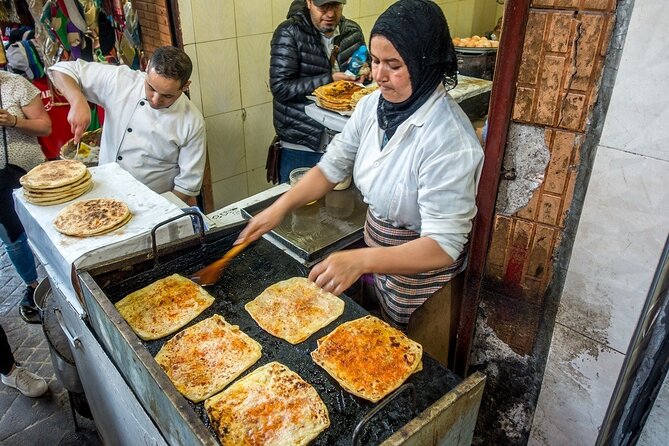
Msemen.
Fresh juice.
Street snacks that fit into real life, not just tourist photos.
That gives Casablanca a food energy that feels honest.
Fez Keeps The Old-School Soul
Then there is Fez.
The city’s old medina is one of the most atmospheric places in Morocco, and food is part of that feeling.
Narrow lanes, old ovens, spice stalls, bread sellers and traditional sweets make the city feel deeply connected to the past.
In Fez, eating is not just about flavour.
It is about history.
A tourist walking through the medina can feel that food traditions here are older than any travel trend.
That gives the city serious food power.
The 10-Dirham Snack Still Wins Hearts
One reason street food works so well is value.
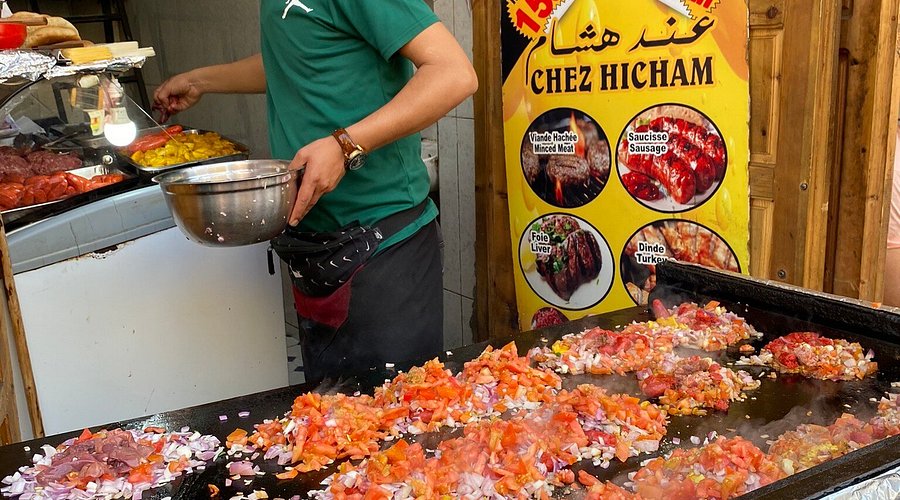
A traveller can spend serious money on hotels and tours, then fall in love with a simple snack that costs around 10 dirhams.
That is the beauty of Moroccan street food.
The best moment of the trip does not always come with the biggest bill.
It might be a hot msemen.
A bowl of soup.
A fresh orange juice.
A grilled skewer eaten while standing up.
That kind of food feels real.
And tourists love real.
Mint Tea Is More Than A Drink
No Moroccan food story is complete without mint tea.
For visitors, the first glass can feel like a welcome ceremony.
Sweet.
Hot.
Fragrant.
Served slowly, often from a height, with a style that turns tea into performance.
Across Morocco, mint tea appears in homes, cafés, markets, riads and roadside stops.
It is more than a drink.
It is hospitality in a glass.
Why Tourists Love The Chaos
Street food gives travellers something restaurants often cannot.
A feeling of being inside the country.
Tourists want taste, but they also want atmosphere.
They want to hear the noise, see the grill, watch the bread being made and feel like they found something alive.
That is why Moroccan street food is so powerful.
It is not polished.
It is not perfect.
It is memorable.
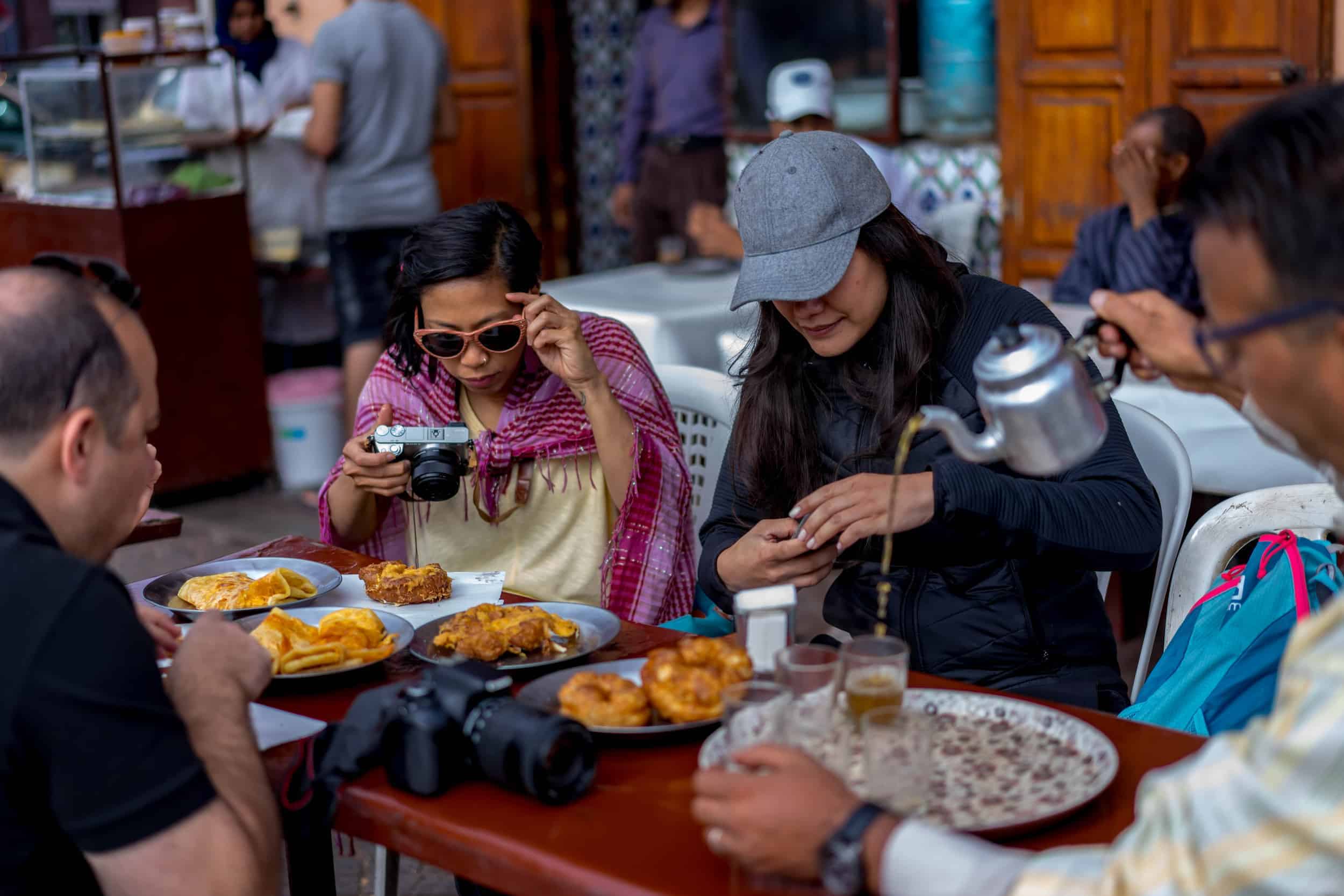
The Instagram Factor Is Huge
Food is now part of travel content.
A table full of small Moroccan dishes can stop people scrolling.
So can a sizzling grill in Marrakech, a seafood plate in Tangier, a tea pour in Fez or fresh orange juice in a busy square.
Moroccan food looks good on camera.
But more importantly, it feels good in the story.
It gives tourists something they can post, talk about and crave again later.
The Final Whistle
Morocco’s street food scene is one of the country’s strongest travel weapons.
It is affordable, emotional, colourful and impossible to fake.
From Jemaa el-Fnaa in Marrakech to seafood streets in Tangier, everyday bites in Casablanca and old medina flavours in Fez, the country gives tourists something more powerful than a meal.
It gives them a taste of Morocco they want to come back for.