
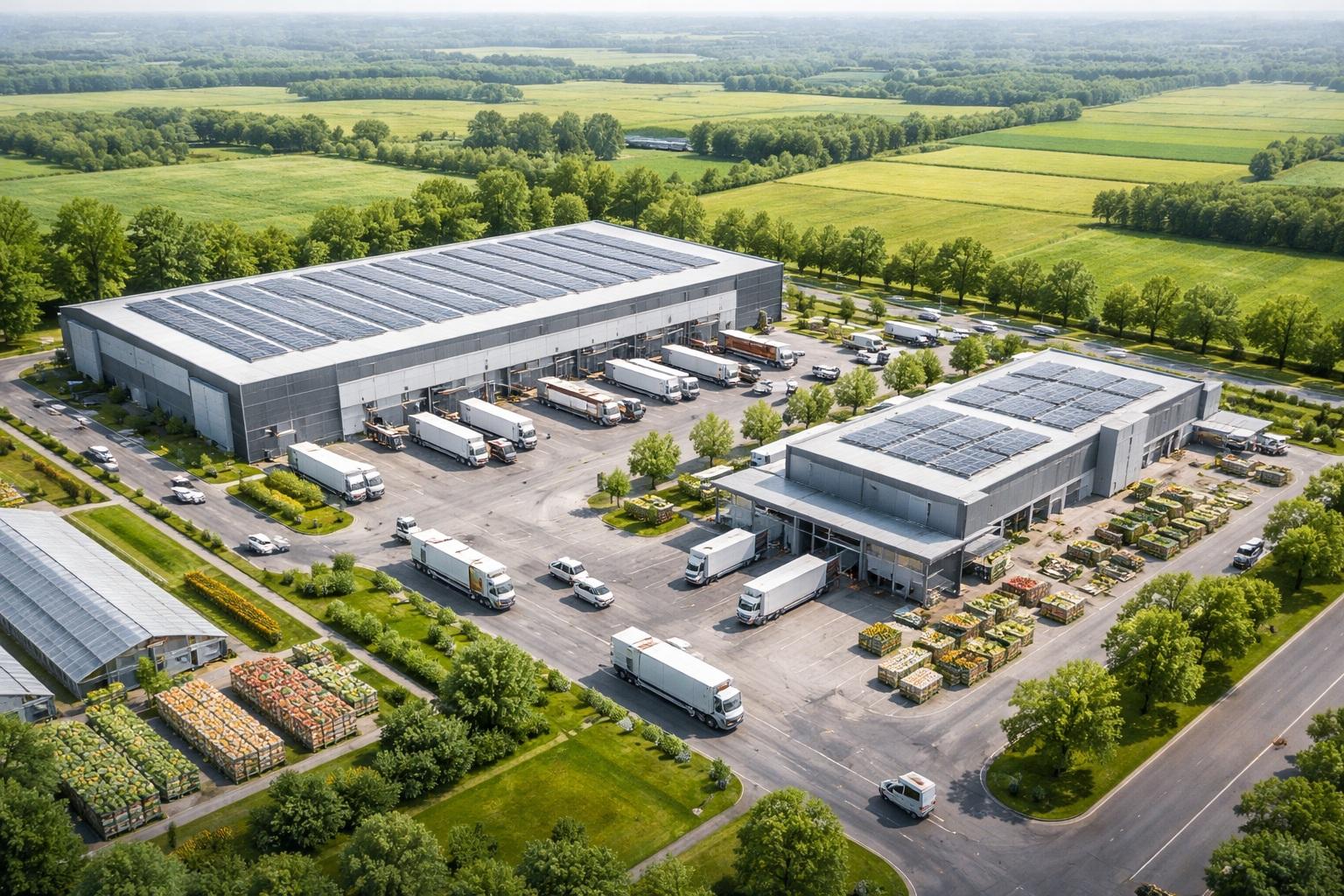
Morocco’s agricultural challenge does not end when crops leave the field.
A significant part of the economic risk begins after the harvest.
Fresh fruit, vegetables, dairy products, meat, seafood and other temperature-sensitive goods must move quickly through storage, transport, wholesale markets and retail distribution.
When refrigeration is unavailable, fragmented or too expensive, quality declines before food reaches the consumer.
Products lose commercial value.
Export opportunities become harder to secure.
Retailers face shorter selling periods.
Farmers absorb lower prices.
Consumers ultimately pay for inefficiencies occurring throughout the supply chain.
Morocco has invested heavily in agricultural production, irrigation, food processing and export capacity.
The next competitiveness test is whether the country can protect that production between the farm and the final market.
The cold chain is therefore not simply a logistics service.
It is part of Morocco’s food security, export strategy and agricultural income system.
Production Has Expanded Faster Than Protection
Morocco produces a wide range of agricultural and food products for domestic consumption and international markets.
The country has developed strong positions in tomatoes, citrus fruit, berries, vegetables, seafood and processed food.
But increasing production creates value only when products arrive in marketable condition.
A farmer can produce a high-quality crop and still lose much of its commercial potential during the hours or days that follow.
Heat exposure can accelerate deterioration.
Poor packaging can damage products during transport.
Delayed collection can reduce freshness.
Inadequate refrigeration can shorten shelf life.
Congested wholesale markets can leave goods waiting too long before distribution.
The result is a structural gap between what Morocco produces and what its logistics system can preserve.
Agricultural strategy has traditionally focused on raising output, improving irrigation and expanding exports.
Those objectives remain important.
But the next phase must give equal attention to everything that happens after the harvest.
Producing more food without protecting it efficiently can increase volume without maximising value.
The First Hours Matter Most
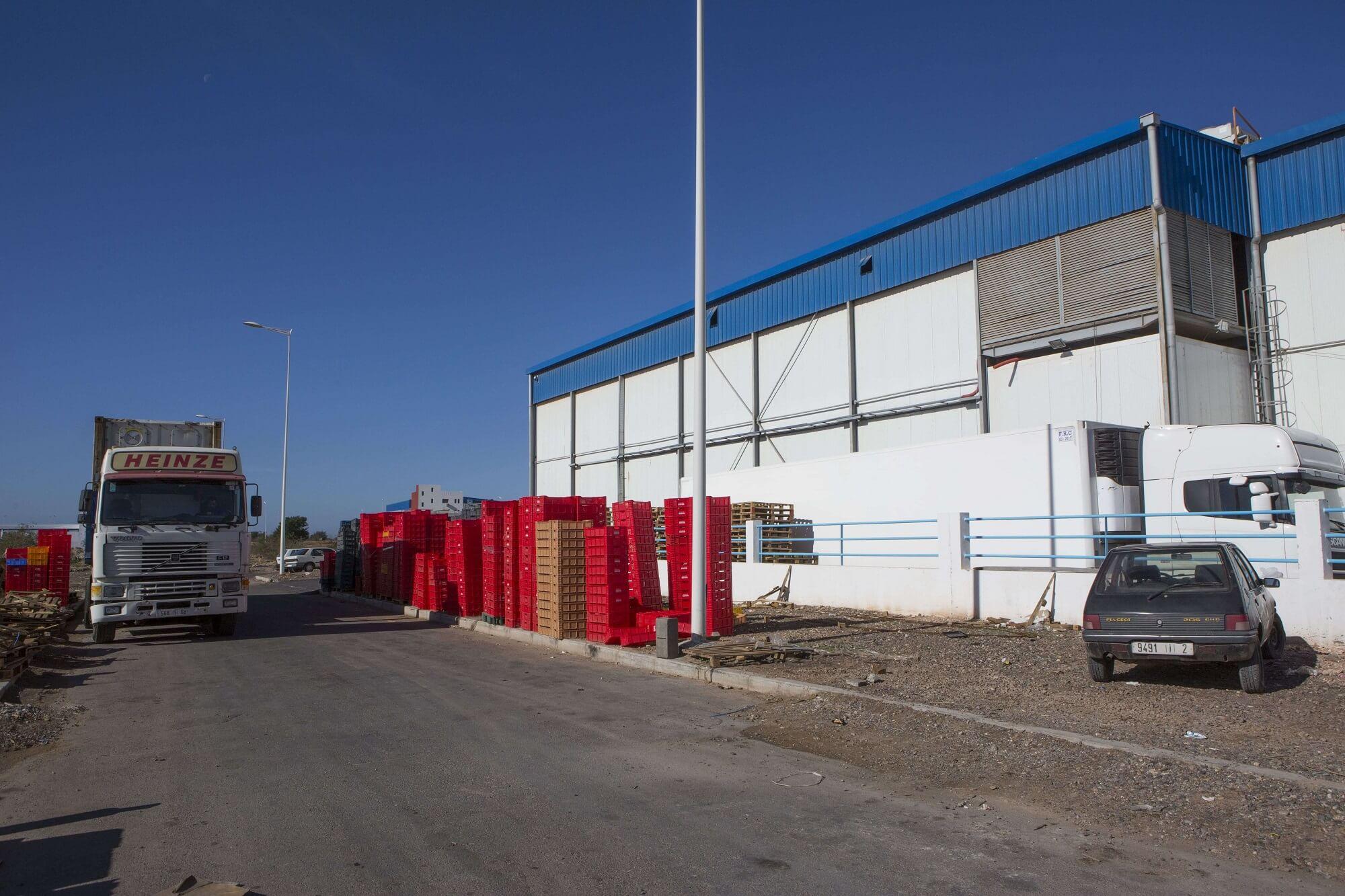
The cold chain begins before a refrigerated truck arrives.
Fresh products often need to be cooled quickly after harvesting.
This reduces biological deterioration and helps preserve texture, appearance and nutritional quality.
When that first cooling stage is delayed, refrigeration later in the journey may not recover the quality already lost.
That makes collection points and local storage facilities essential.
Small farmers may be located far from modern packing stations or refrigerated warehouses.
They may also lack the volume required to negotiate directly with large logistics operators.
As a result, harvested products can remain exposed while farmers wait for transport or attempt to sell quickly through intermediaries.
This weakens their negotiating position.
A farmer under pressure to move perishable goods cannot wait for the strongest price.
The product must be sold before its quality declines.
Cold storage changes that relationship.
Even a limited extension of shelf life can give producers more time to organise transport, reach alternative buyers or negotiate better terms.
Refrigeration is therefore not only a technical service.
It can influence who holds economic power within the food chain.
Small Farmers Face The Largest Barrier
Large exporters and food companies are generally better positioned to invest in cold rooms, refrigerated transport and quality-control systems.
Smaller producers face a different reality.
The cost of equipment can be too high.
Electricity expenses may be difficult to absorb.
Maintenance requires technical knowledge.
Individual farms may not produce enough volume to justify private infrastructure.
This creates an uneven system.
High-value export chains may operate according to strict temperature and traceability standards, while smaller domestic supply chains remain more exposed to loss and price volatility.
The solution does not require every farmer to own refrigeration equipment.
Shared infrastructure can be more efficient.
Cooperatives, local collection centres and regional logistics platforms can allow multiple producers to access cooling, grading, packaging and transport services.
This model spreads costs across larger volumes.
It can also improve consistency.
Buyers prefer suppliers capable of delivering predictable quality and reliable quantities.
By combining production, smaller farmers can become more commercially credible.
The cold chain can therefore support agricultural inclusion when access is designed collectively rather than only for large operators.
Wholesale Markets Are A Critical Link
Morocco’s wholesale food markets occupy a central position between producers, traders, retailers and consumers.
Their performance affects prices, food quality and urban supply.
But traditional market structures can create delays and unnecessary handling.
Products may pass through several intermediaries.
Storage conditions may vary.
Information about supply, demand and pricing may remain fragmented.
Temperature-sensitive goods can lose value each time they are moved, opened or left waiting.
Modernising wholesale markets should therefore include more than rebuilding physical spaces.
It requires refrigerated zones, digital inventory management, hygiene controls, organised loading areas and clearer traceability.
Market schedules should also be coordinated with transport and retail demand.
Food arriving at the wrong time may remain exposed even when the final buyer is ready to purchase it.
Better coordination can reduce waiting periods and unnecessary movement.
Wholesale-market reform is often discussed as an administrative or commercial issue.
It should also be understood as a food-preservation strategy.
Refrigerated Transport Must Become More Accessible
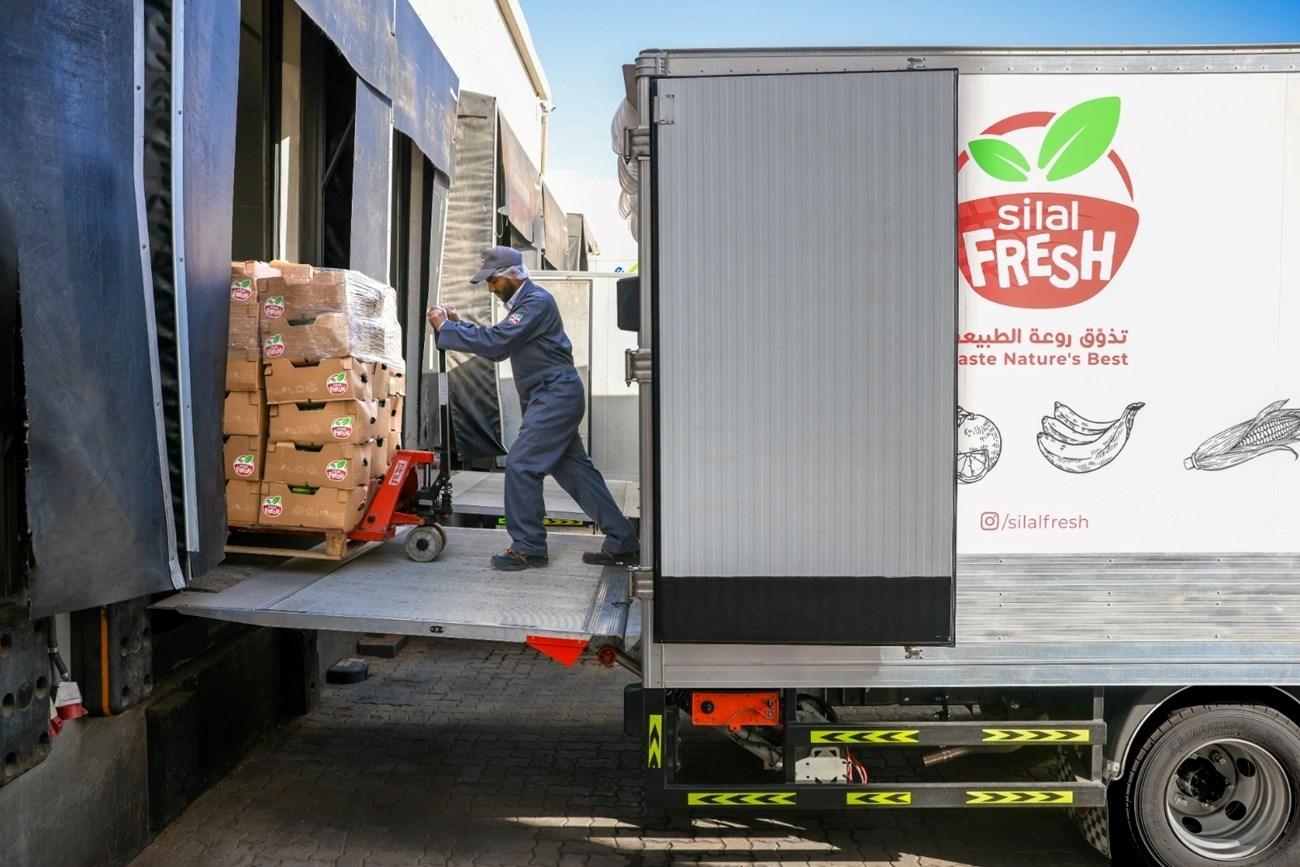
Cold storage has limited value if products lose temperature control during transport.
Refrigerated trucks connect farms, packing stations, warehouses, ports, supermarkets, hotels and restaurants.
But access can be uneven.
Smaller businesses may rely on conventional vehicles because specialised transport is too expensive or unavailable on the required route.
Partial loads create another challenge.
A farmer or small processor may not have enough product to fill an entire refrigerated truck.
Paying for unused capacity makes the journey commercially unattractive.
Shared transport platforms could help solve this problem.
Digital systems can group compatible shipments from multiple suppliers travelling towards the same market.
This can reduce empty space, lower transport costs and make refrigeration more accessible.
Route planning is equally important.
Delays caused by congestion, poor scheduling or repeated stops increase fuel costs and temperature risk.
The objective should not simply be to place more refrigerated vehicles on the road.
It should be to use them efficiently.
Food Loss Is Also A Water Loss
When food is damaged after harvest, Morocco does not lose only the final product.
It also loses every resource used to produce it.
Water.
Energy.
Seeds.
Fertiliser.
Labour.
Land.
Transport.
This matters particularly in a country where water security has become one of the defining economic challenges.
Agriculture can improve irrigation efficiency and still waste significant resources if part of the harvest deteriorates before consumption.
Reducing food loss is therefore an indirect water strategy.
Every kilogram preserved represents agricultural resources that do not need to be used again to replace lost production.
This makes the cold chain relevant far beyond logistics.
It connects agricultural policy with climate resilience, resource management and consumer affordability.
Producing more with less requires protecting more of what has already been produced.
Exports Depend On Consistency
International buyers do not judge suppliers only by the quality of the first shipment.
They expect consistency across every delivery.
Temperature control, hygiene, packaging and traceability determine whether Moroccan products can meet demanding commercial standards.
A single failure can damage an entire shipment.
Repeated failures can weaken the reputation of a supplier or product category.
Strong cold-chain systems can therefore improve Morocco’s export position.
They extend shelf life, allowing goods to travel farther.
They reduce rejection risk.
They support better documentation.
They enable producers to serve premium markets where appearance, freshness and timing are essential.
This is particularly important as Morocco seeks to diversify its export destinations.
Longer journeys require stronger logistics.
A product travelling to a nearby European market faces different conditions from one travelling to North America, the Gulf or Asia.
Export diversification cannot depend only on trade agreements and production capacity.
It also requires the ability to protect quality over greater distances.
Domestic Consumers Also Carry The Cost
Cold-chain investment is sometimes presented mainly as an export priority.
But domestic consumers are equally affected.
Food deterioration reduces the quantity available for sale.
Retailers must recover the cost of products that cannot be sold.
Traders may include expected losses in their pricing.
Supply disruptions can create sudden price movements.
These costs move through the chain until they reach households.
Better preservation can improve supply stability and reduce waste-related price pressure.
It can also strengthen food safety.
Temperature-sensitive products require reliable handling to prevent contamination and protect public health.
This is especially important for dairy, meat, seafood and prepared foods.
A modern cold chain therefore supports both affordability and confidence.
Consumers should not have to choose between fresh products and accessible prices because too much value was lost before the food reached the shelf.
Energy Costs Shape The Business Model
Refrigeration requires reliable electricity.
That creates a central commercial challenge.
Cold rooms and refrigerated warehouses may operate continuously.
High energy costs can make storage unaffordable for small producers and distributors.
Power interruptions can also damage inventory quickly.
The business model must therefore include energy efficiency.
Modern insulation, efficient cooling systems, temperature monitoring and preventive maintenance can reduce operating costs.
Solar energy may also support some facilities, particularly in agricultural regions with strong sunlight.
But technology alone is not enough.
Facilities must be designed according to actual demand.
An oversized warehouse may remain underused while generating high fixed costs.
An undersized facility may become congested during peak harvest periods.
Regional planning should match storage capacity with production calendars, transport routes and market demand.
The cold chain must be economically sustainable, not merely technically impressive.
Data Can Reduce Empty Capacity
Morocco’s food logistics system would benefit from stronger visibility.
Producers need to know where storage space is available.
Transporters need information about upcoming loads.
Warehouses need better forecasts of seasonal demand.
Retailers need clearer information about supply and delivery times.
Without shared data, trucks may travel partially empty while products wait elsewhere for transport.
Cold rooms may remain unused in one region while facilities in another become overloaded.
Digital platforms can help connect these participants.
Real-time information about available capacity, product volumes and destinations can reduce waste and improve utilisation.
Traceability systems can also identify where temperature failures occur.
This allows businesses to correct the weakest stage rather than treating every loss as unavoidable.
The cold chain becomes more efficient when information moves as reliably as the food itself.
Investment Must Cover The Entire Chain
Building a refrigerated warehouse does not solve the problem if the rest of the system remains fragmented.
A complete cold chain requires coordination across several stages.
Harvesting.
Initial cooling.
Sorting and packaging.
Storage.
Transport.
Wholesale distribution.
Retail display.
Each stage must protect the previous one.
A product kept at the correct temperature for most of its journey can still be damaged during one unprotected transfer.
This is why investment should be evaluated as a network rather than a collection of isolated assets.
Public policy can support enabling infrastructure and common standards.
Private operators can provide logistics, technology and specialised services.
Banks can finance equipment and working capital.
Insurers can help businesses manage inventory risk.
Cooperatives can aggregate smaller producers.
Retailers and exporters can create predictable demand.
The strongest model will connect these participants around measurable service standards.
Morocco’s Next Food Advantage Is Logistics
Morocco already knows how to produce food for demanding markets.
It has agricultural diversity, geographic proximity to Europe, established export relationships and growing food-processing capacity.
The next competitive advantage will come from protecting more value between production and consumption.
That means reducing the hours products remain exposed.
Expanding access to shared refrigeration.
Improving refrigerated transport.
Modernising wholesale markets.
Using data to coordinate capacity.
Making energy costs manageable.
The cold-chain gap is not as visible as a new farm, factory or port.
But its economic impact is found everywhere.
In the price received by farmers.
In the inventory lost by retailers.
In the water embedded in spoiled products.
In the quality experienced by consumers.
In the export contracts Morocco can win or lose.
Morocco can continue increasing agricultural output.
But the larger opportunity is to ensure that more of what it already produces reaches the market safely, efficiently and at full value.