
Forget the old idea that Morocco is just a World Cup underdog.
With Achraf Hakimi, Brahim Diaz, Yassine Bounou and a planned 115,000-seat mega-stadium near Casablanca, Moroccan football is now thinking much bigger.
The Atlas Lions are not just chasing another magical run.
They are building a football era.
The Atlas Lions Are No Longer A Surprise
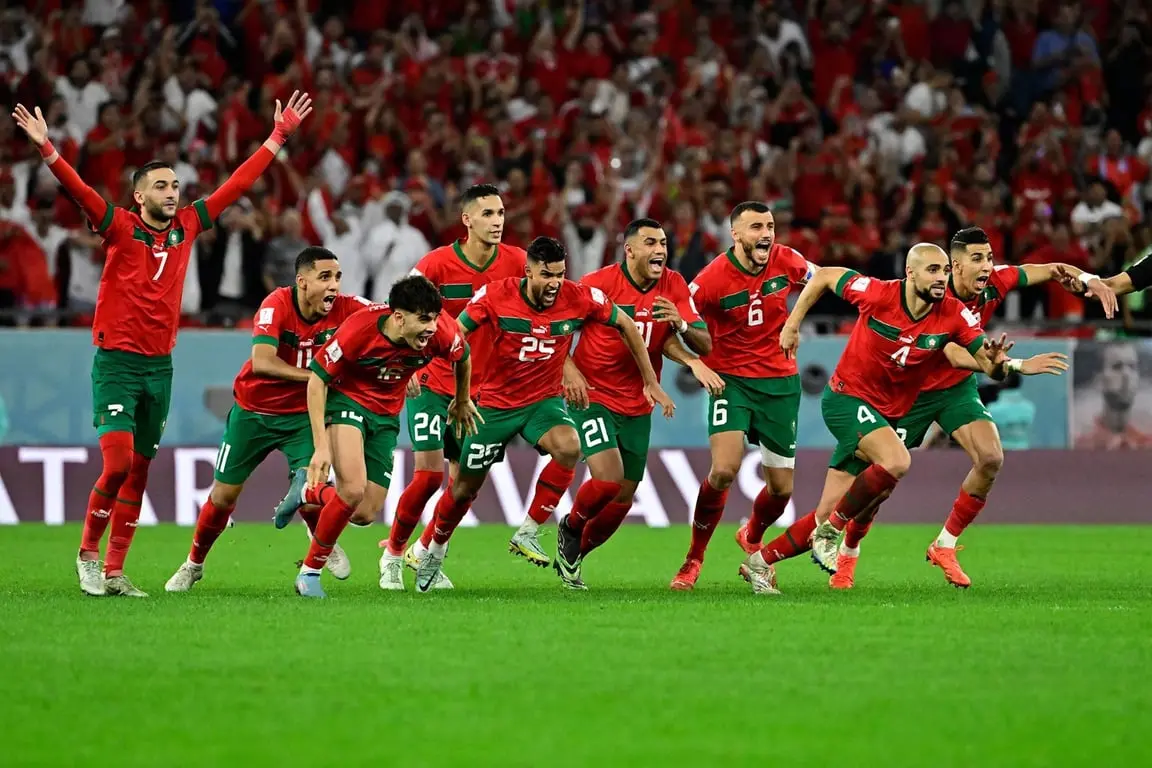
Morocco shocked the world in 2022 when it became the first African nation to reach a World Cup semi-final.
That run in Qatar changed everything.
It was not only about beating big teams. It was about changing the way the world looked at Moroccan football.
Suddenly, Morocco was not just passionate.
Morocco was dangerous.
Hakimi, Brahim And Bono Give Morocco Star Power
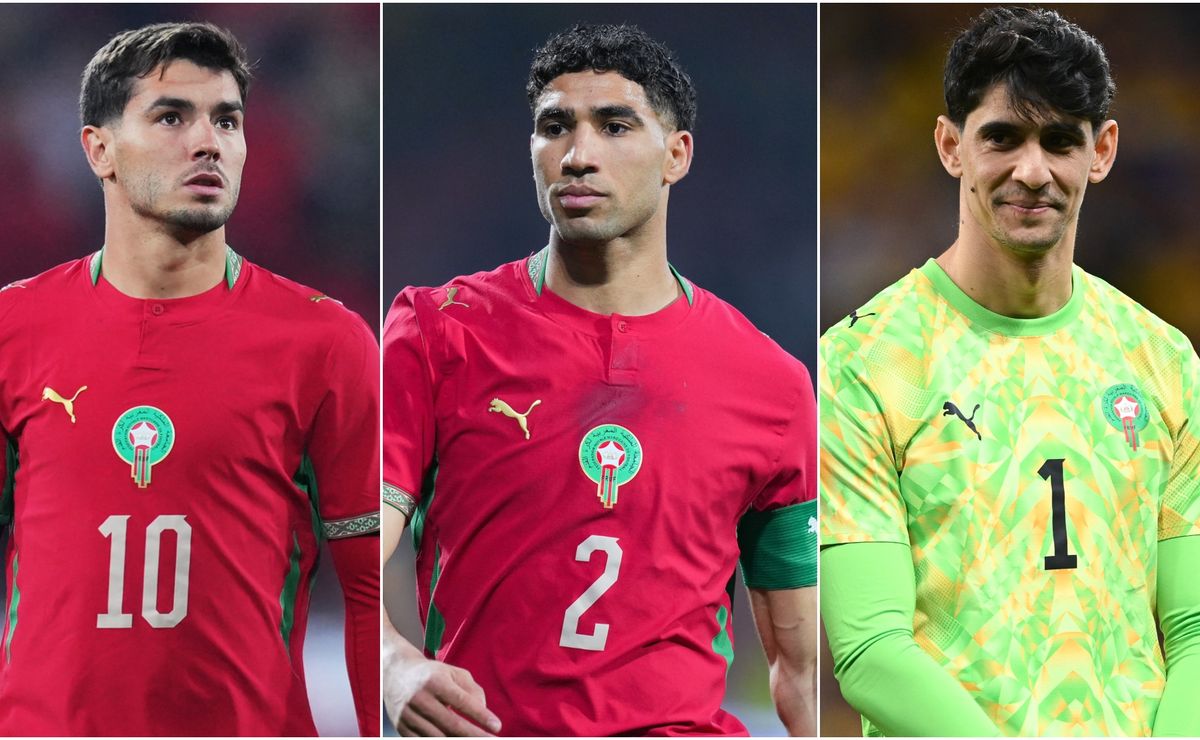
The team now has names that football fans across the world know.
Achraf Hakimi, the explosive right-back from Paris Saint-Germain, is one of Morocco’s biggest global football stars.
Brahim Diaz, the Real Madrid playmaker, gives the Atlas Lions creativity, speed and elite-club experience.
Then there is Yassine Bounou, known to millions as Bono, the goalkeeper who became a national hero during Morocco’sunforgettable World Cup run.
These are not unknown players hoping for attention.
These are serious names on football’s biggest stage.
2026 Is The Pressure Test
The next World Cup will be different.
Morocco has moved from surprise package to serious contender.
The 2026 FIFA World Cup will be hosted across the United States, Canada and Mexico, with 48 teams and global attention on a massive scale.
That means one thing.
Nobody will take Morocco lightly this time.
Opponents will prepare harder. Fans will expect more. Every mistake will feel bigger.
That is what happens when a team becomes important.
The $1 Billion Masterplan Is Already Moving
The clearest sign of Morocco’s football ambition is not only on the pitch.
It is rising in concrete, steel and money.
Near Casablanca, Morocco is building the planned Hassan II Stadium, a jaw-dropping 115,000-seat venue that could become one of the largest football stadiums on the planet.
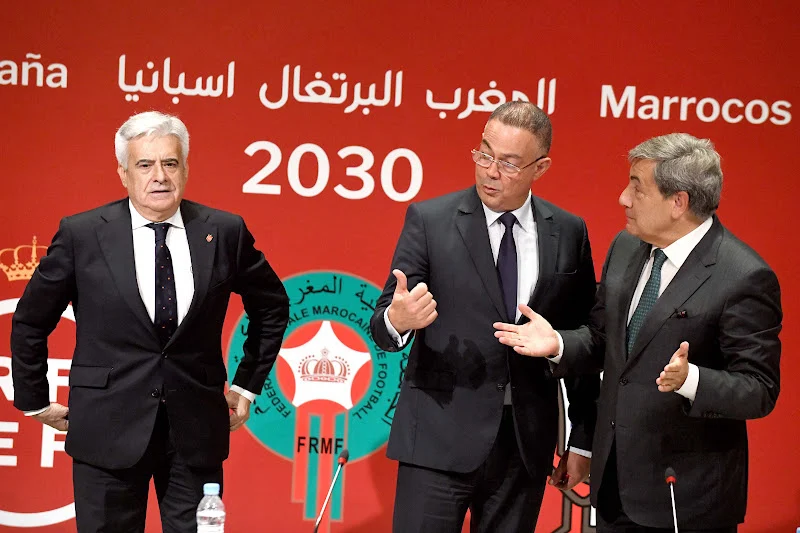
Expected to cost around $1 billion, the project is part of Morocco’s massive push for the 2030 FIFA World Cup, which it will co-host with Spain and Portugal.
That is not a small dream.
That is a statement.
Spain, Portugal And Morocco: A New Football Map
The 2030 World Cup will put Morocco, Spain and Portugal together on football’s biggest stage.
That alone changes the story.
For decades, European football was seen as the centre of the game. Now Morocco is standing right next to Spain and Portugal.
That matters.
It tells young Moroccan fans that their country is not watching football history from the outside.
It is part of it.
From Casablanca To Tangier, The Energy Is Real
The rise of Moroccan football can be felt far beyond the national team.
In Casablanca, football is part of daily life.
In Rabat, the national team carries huge pride.
In Tangier, Marrakech, Agadir and across the Moroccan diaspora in Paris, Brussels, Amsterdam and Madrid, Atlas Lions matches feel like global family events.
The flags come out.
The cafés fill up.
The streets get louder.
Moroccan football is not just sport.
It is identity.
Why Fans Believe Again
The biggest change is belief.
Before 2022, many fans hoped Morocco could surprise people.
Now they believe Morocco can compete.
That is a massive difference.
The team has European experience, African pride and a fanbase that turns every big match into an emotional event.
For young Moroccan fans, the message is powerful.
You can dream bigger now.
You can imagine Morocco beating giants.
You can imagine a World Cup match in Morocco in 2030.
You can imagine the Atlas Lions going even further.
The Final Whistle
Morocco’s football dream is no longer small.
With Hakimi at PSG, Brahim Diaz at Real Madrid, Bono as a World Cup hero, a 2026 tournament ahead and a planned 115,000-seat stadium near Casablanca, the country is playing a much bigger game.
The Atlas Lions are no longer asking the world to notice them.
The world is already watching.
And Morocco is not finished yet.