

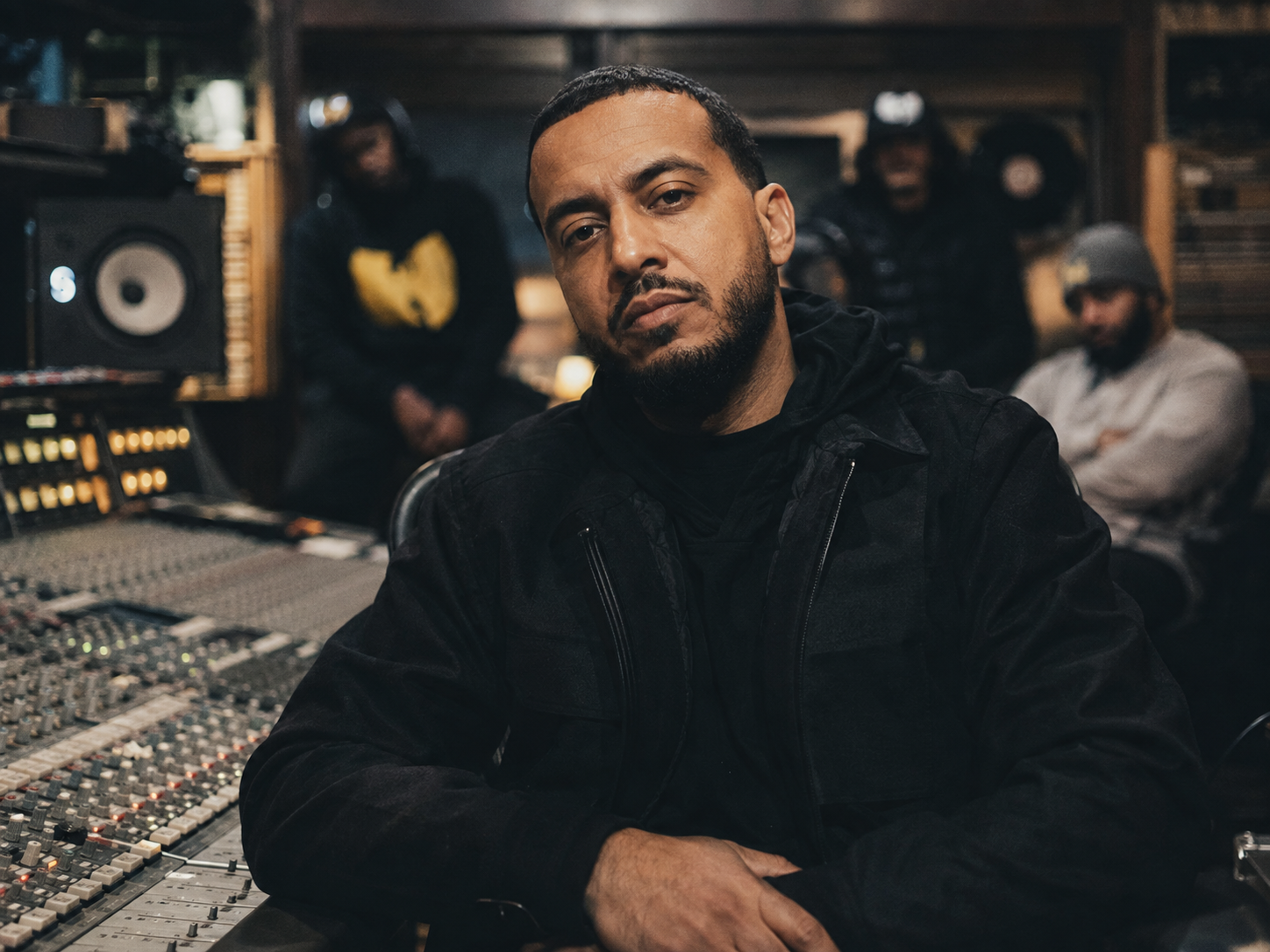
Netflix has acquired a new Wu-Tang Clan documentary built around one of the strangest stories in modern music — and at the centre of it is Dutch-Moroccan rapper and producer Cilvaringz.
Netflix is putting one of hip-hop’s most unusual stories in front of a global audience.
The streaming giant has acquired The Disciple: A Wu-Tang Fable, a documentary centred on Cilvaringz, the Dutch-Moroccan artist who became closely connected to the Wu-Tang Clan and later helped create one of the most controversial albums ever made.
The film follows the extraordinary path that took Cilvaringz from the Netherlands into the orbit of one of hip-hop’s most influential groups.
And eventually into a story involving secrecy, money, art, ownership and an album so rare that only one copy was made.
CILVARINGZ ENTERED THE WU-TANG WORLD FROM THE OUTSIDE
Cilvaringz, whose real name is Tarik Azzougarh, was born in the Netherlands to Moroccan parents.
He was not part of Wu-Tang Clan’s original New York lineup.
He entered their world much later.
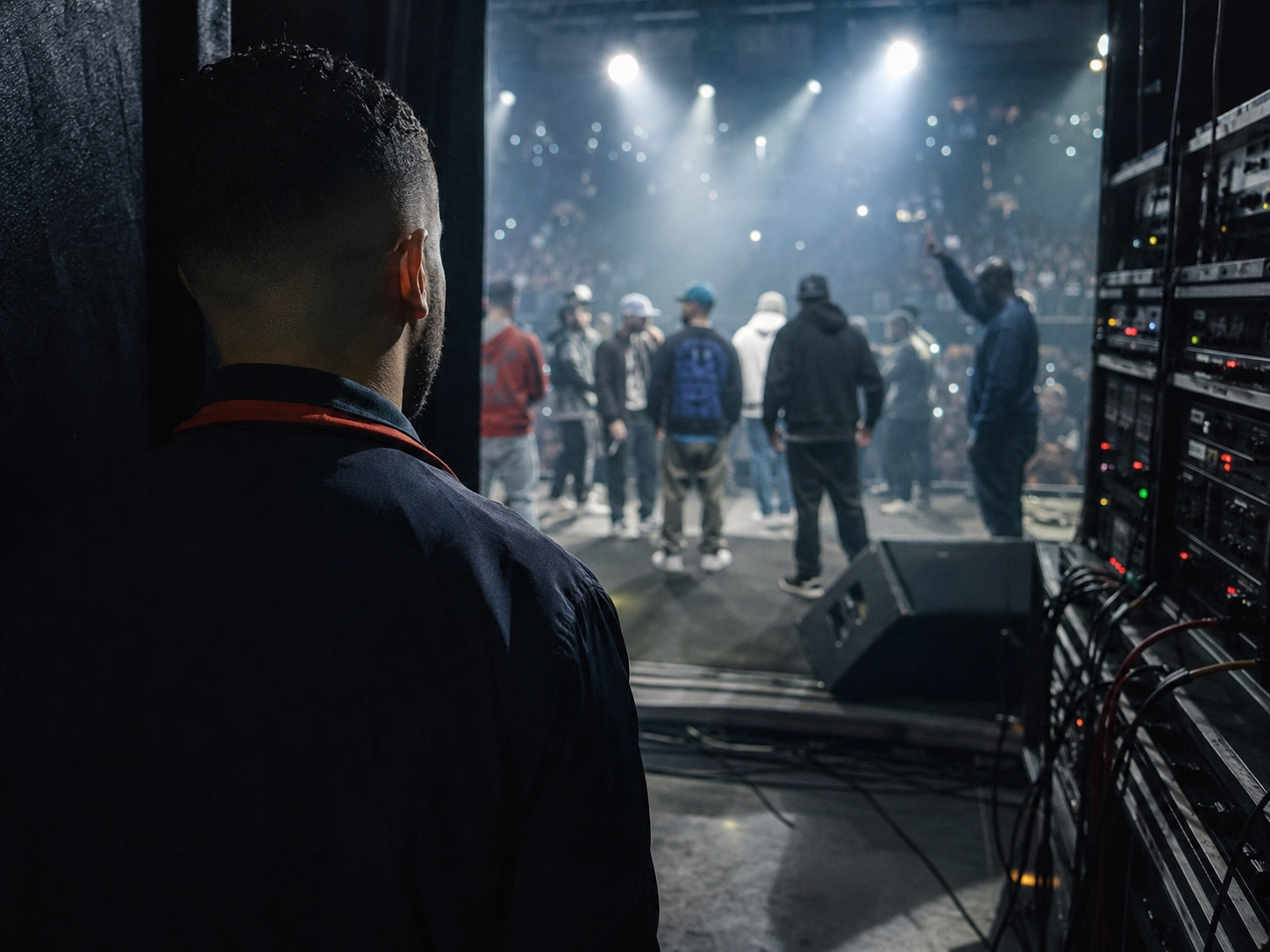
As a young rapper, he attended a Wu-Tang concert in Amsterdam and managed to get the attention of the group.
That encounter eventually led to a relationship with RZA and other members of the collective.
Over time, Cilvaringz moved from fan to collaborator.
That alone would have made for an unusual career.
What came next made his story far bigger.
THE ONE-COPY ALBUM THAT SHOCKED HIP-HOP
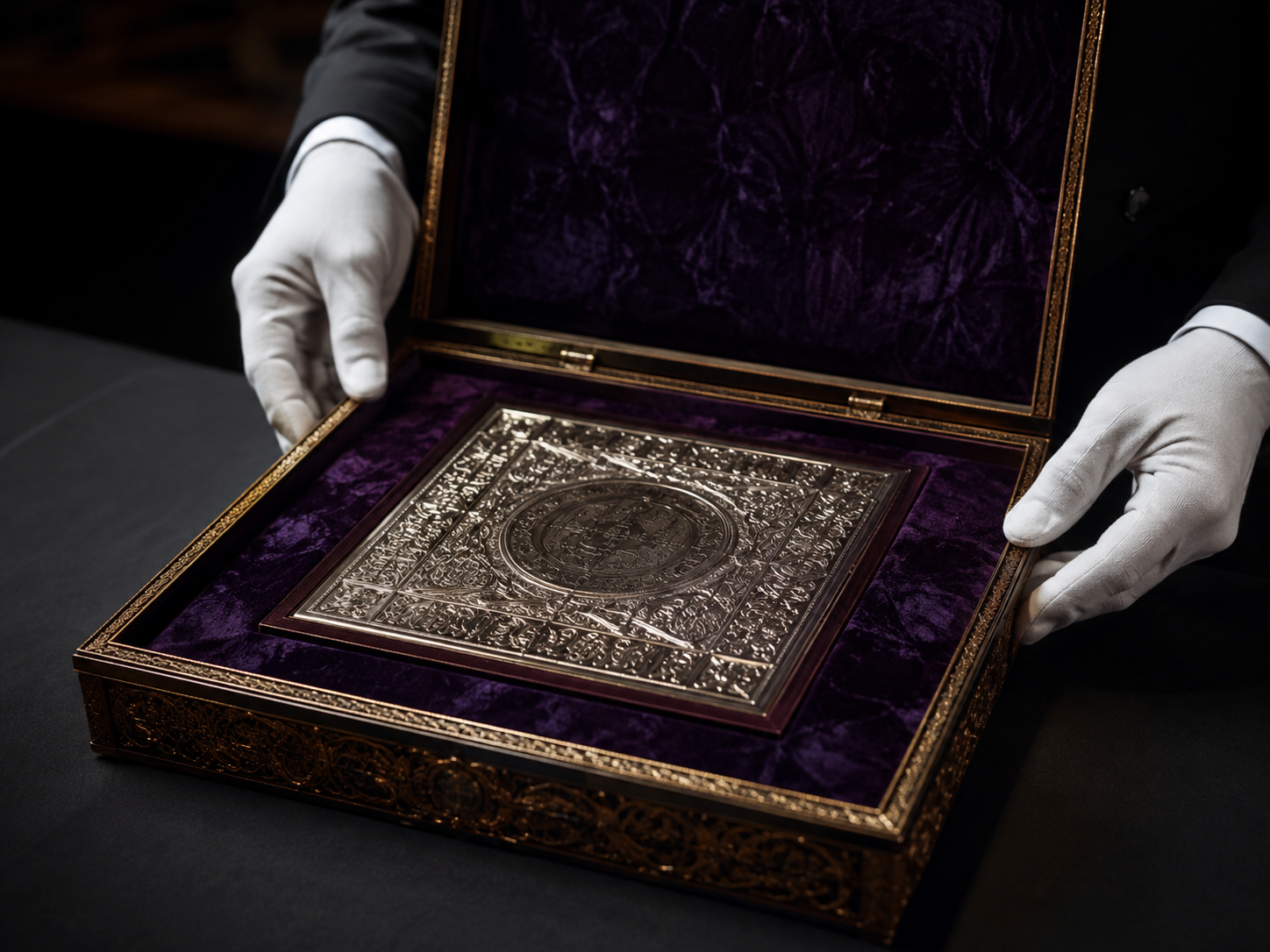
Cilvaringz became one of the key figures behind Once Upon a Time in Shaolin.
The album was created as a single physical copy.
One.
No mass release.
No normal streaming launch.
No thousands of CDs.
The concept was deliberately provocative.
Cilvaringz and Wu-Tang wanted the album to be treated less like an ordinary commercial recording and more like a unique piece of art.
That decision turned the project into a global story.
THEN MARTIN SHKRELI BOUGHT IT
The album became even more famous when it was purchased by pharmaceutical executive Martin Shkreli.
Shkreli was already one of the most controversial figures in American business after dramatically increasing the price of a life-saving drug.
His purchase of the Wu-Tang album made the story even stranger.
Hip-hop fans wanted to hear it.
The public knew that a copy existed.
But almost nobody could access it.
The album became part music project, part art experiment and part cultural argument.
NETFLIX NOW WANTS TO TELL THE STORY
That combination is exactly what makes the documentary attractive.
It is not simply a film about a rapper.
It is a story about what music is worth.
Who gets to own culture.
Whether an album can be treated like a painting.
And what happens when one of the world’s most famous hip-hop groups deliberately removes a piece of music from the normal market.
Netflix’s acquisition gives the documentary a potentially enormous international audience.
It also puts Cilvaringz in a rare position.
A Dutch-Moroccan artist who entered one of America’s most famous rap circles is now at the centre of a global streaming story.
CILVARINGZ HAS ALWAYS BEEN AN UNUSUAL FIGURE
His career has never followed the standard route.
He was not a mainstream chart rapper.
He was not built through a major-label pop machine.
Instead, his name became closely associated with the mythology and business experiments surrounding Wu-Tang.
That has made him a fascinating figure for people interested in the group’s history.
But it has also meant that many casual music fans know the story of the album without necessarily knowing the man behind part of its creation.
The documentary could change that.
THE MOROCCAN CONNECTION MAKES IT EVEN MORE INTERESTING
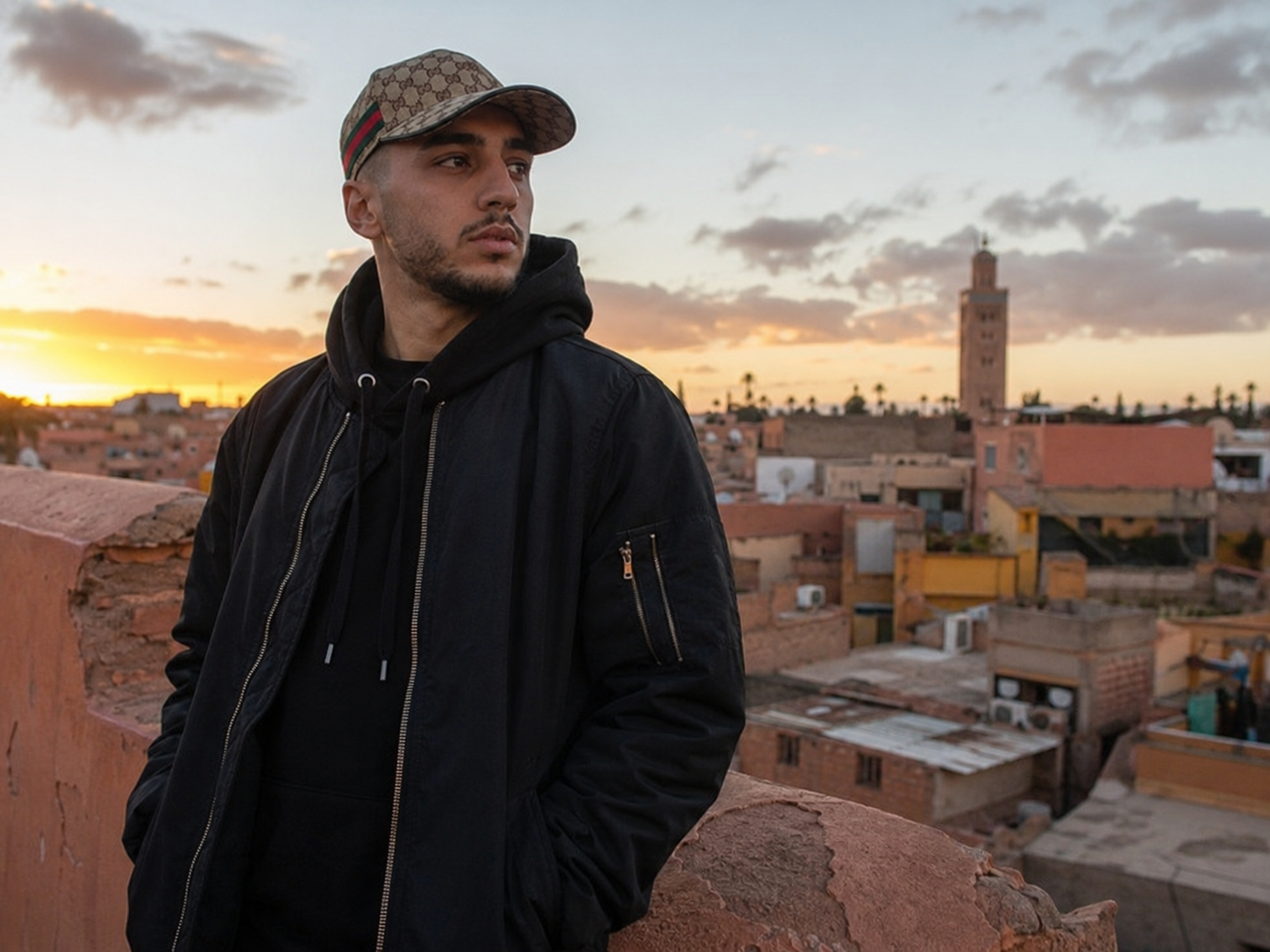
For Moroccan audiences, there is another layer.
Cilvaringz represents an unusual part of the Moroccan diaspora story.
His career sits between Europe, North Africa and American hip-hop.
He built his name inside a cultural movement created thousands of kilometres from where he grew up.
And he did it without following the obvious path into mainstream European music.
That makes his story much larger than simply “Moroccan rapper works with Wu-Tang.”
It is a story about access.
Persistence.
Cultural crossover.
And being accepted into a world that was not originally built around you.
WU-TANG STILL HAS GLOBAL PULL
Wu-Tang Clan remains one of the most recognisable names in hip-hop decades after its rise in the 1990s.
The group’s influence extends far beyond music.
Fashion.
Art.
Collecting.
Business.
Street culture.
And increasingly, documentaries and streaming projects.
That continued cultural relevance gives Netflix a built-in audience.
But The Disciple has something many music documentaries do not.
A genuinely strange central story.
THIS IS NOT JUST ANOTHER MUSIC DOCUMENTARY
The best music documentaries usually have more than music.
They have conflict.
Money.
Ego.
Risk.
A mystery.
Or an idea that was so strange it should probably never have worked.
This story has all of them.
A young rapper from the Netherlands enters the Wu-Tang universe.
He becomes part of the creation of a one-copy album.
The album is sold for a huge sum.
It ends up connected to one of America’s most controversial businessmen.
And years later, Netflix decides the story deserves its own film.
That is not a normal career path.
FROM MOROCCAN ROOTS TO A GLOBAL STREAMING STORY
For Cilvaringz, the documentary is another extraordinary chapter in a career built around unlikely connections.
Morocco.
The Netherlands.
New York.
Wu-Tang.
And now Netflix.
Most artists spend their careers trying to get millions of people to hear their music.
Cilvaringz helped create an album almost nobody was allowed to hear.
Now millions may get to watch the story behind it.