


Nigeria is getting a new ride-hailing player — and this one wants electric cars to be part of the business from day one.
ProTaxi, a home-grown Nigerian e-hailing platform developed by PromiseLand Innovations, is set to launch in Abuja today, October 1.
The company is entering the market with an ambitious plan: give up to 1,000 drivers access to electric vehicles while building a locally developed alternative in one of Africa’s biggest transport markets.
If it works, ProTaxi will be doing more than putting another taxi app on Nigerian phones.
It will be testing whether electric mobility can make practical sense for thousands of people who drive for a living.
Starting In Abuja
ProTaxi is beginning in Nigeria’s Federal Capital Territory before targeting expansion into other cities.
Passengers are expected to be able to book rides through the app, track trips in real time, share their location and access driver information and ratings.
But the more unusual part of the model is what happens behind the wheel.
PromiseLand says it wants electric vehicles to help drivers reduce their dependence on petrol and lower some of the costs associated with working long hours on the road.
That could matter in a business where fuel can take a large bite out of a driver’s daily earnings.
The 1,000-Driver Plan
The headline number is difficult to ignore.
PromiseLand says its programme is designed around 1,000 drivers and 1,000 households.
Prospective drivers are expected to register, go through screening and complete onboarding before gaining access to the scheme.
The company’s pitch is not simply that drivers should buy an electric car themselves.
It is trying to create a route into electric mobility for people who may otherwise struggle with the upfront cost.
That is important because electric vehicles remain expensive in many African markets.
For drivers covering long distances every day, however, the potential savings on fuel could make the economics very different from those of a private car owner.
Why Electric Ride-Hailing Could Work
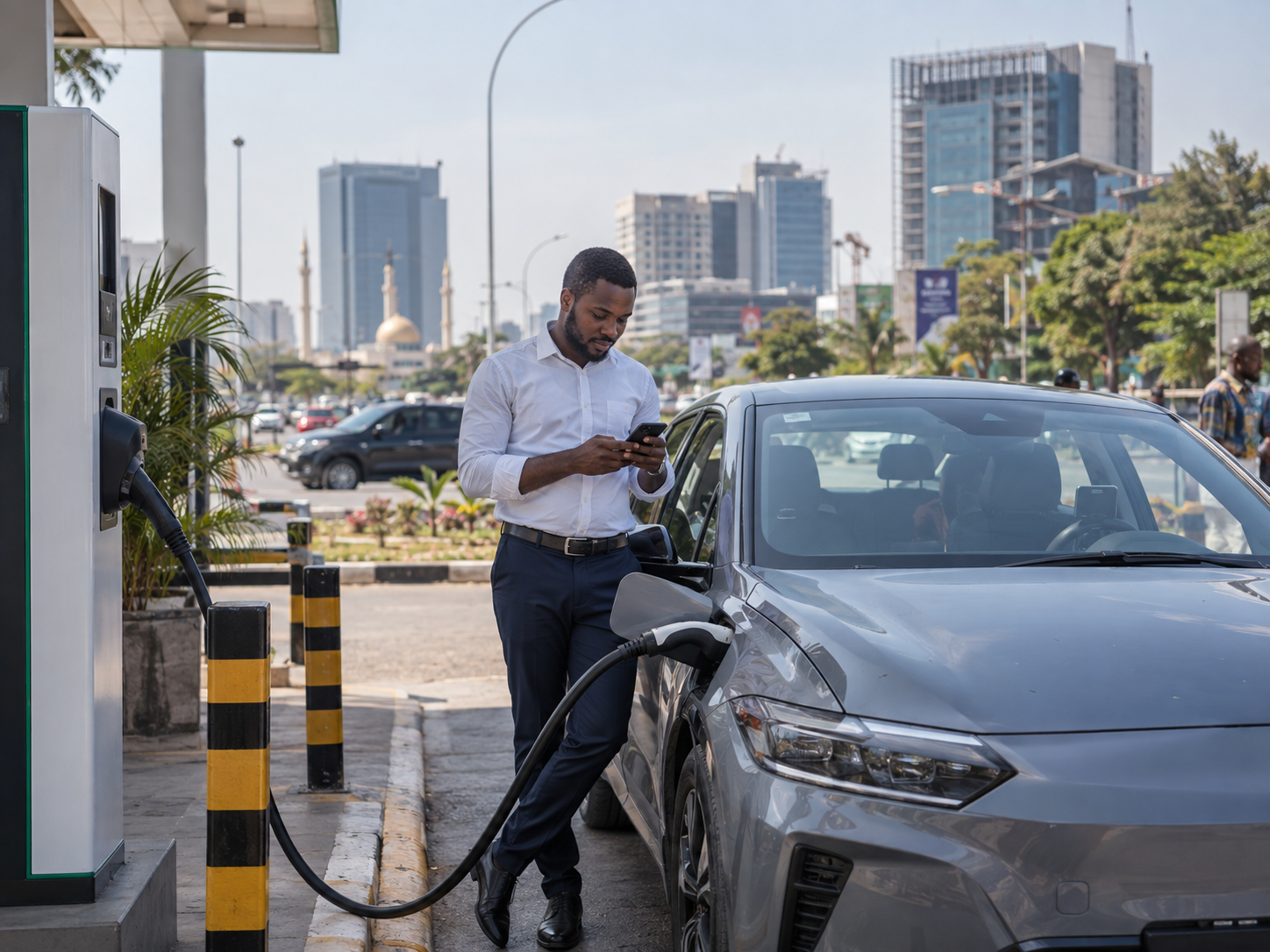
Ride-hailing is one of the more logical places to test electric vehicles.
Professional drivers spend far more time on the road than most motorists.
That means fuel costs repeat every day.
If charging is affordable and accessible, an electric vehicle could potentially lower running costs over time.
But there are still big questions.
Charging infrastructure has to be reliable.
Vehicles need financing.
Maintenance has to be available.
And the cars themselves still have to make economic sense for drivers.
Those factors will ultimately determine whether ProTaxi’s model can scale.
The basic idea, however, is straightforward: connect riders and drivers through an app, then use electric vehicles to reduce dependence on petrol.
A Nigerian-Built Alternative
ProTaxi is also positioning itself as a locally built platform.
That gives the launch another layer.
Many of the digital services used across African cities were originally created elsewhere.
ProTaxi is part of a growing group of African companies trying to build technology around local costs, habits and infrastructure.
Its longer-term ambition extends beyond Abuja.
The company says it wants to expand into other Nigerian cities and eventually into other African markets.
That ambition will depend on execution.
The app has to work.
Drivers have to join.
Passengers have to trust the service.
And the electric-vehicle programme has to move from announcement to cars actually operating on the road.
More Than Another Taxi App
That is what makes ProTaxi worth watching.
Nigeria does not need another ride-hailing app simply because another company can build one.
The interesting part is whether a Nigerian platform can combine local technology, driver access and electric mobility in a way that solves real problems.
If ProTaxi can make electric vehicles more accessible to people whose income depends on driving, the impact could extend beyond convenience for passengers.
It could provide a glimpse of what a different kind of urban transport model might look like in African cities.
For now, the company is starting with Abuja and a very clear target.
1,000 drivers. 1,000 households. And a plan to put electric cars at the centre of the ride.