

The official page received a new date on September 4, but Morocco remains at Level 2. Here is what changed, what did not and what travellers need to know.
The date changed. The warning level did not.
The United States updated its Morocco Travel Advisory on September 4, 2026. But the new date does not mean Washington placed Morocco under a higher warning.
Morocco remains at Level 2, Exercise Increased Caution. The US Department of State explicitly says there was no change to the advisory level, while confirming that the written summary was updated. Terrorism remains the listed risk indicator.
That distinction can easily disappear in a social media post or headline. Travellers should read the full official page before assuming that a newly dated advisory signals a new alarm.
US MOROCCO TRAVEL ADVISORY AT A GLANCE
Latest issue date: September 4, 2026
Current advisory level: Level 2
Official description: Exercise Increased Caution
Risk indicator: Terrorism
Did the level increase? No
What changed? The advisory summary was updated
Issued by: US Department of State, Bureau of Consular Affairs
Official page: Morocco Travel Advisory
Last checked by MTD: September 7, 2026 at 12:57 Morocco time
THE DATE CHANGED, THE LEVEL DID NOT
The current advisory is dated September 4, 2026. Its official history makes the position clear: there was no change to Morocco’s advisory level, but the summary was updated.
The previous update listed in the history is dated April 21, 2025. Morocco was also classified at Level 2 then.
A fresh date can attract attention, especially when the page concerns travel safety. But an advisory may be reissued or revised without the country moving to a different level.
The official Morocco page showed no subsequent advisory update when MTD checked it on September 7.
MOROCCO REMAINS AT LEVEL 2
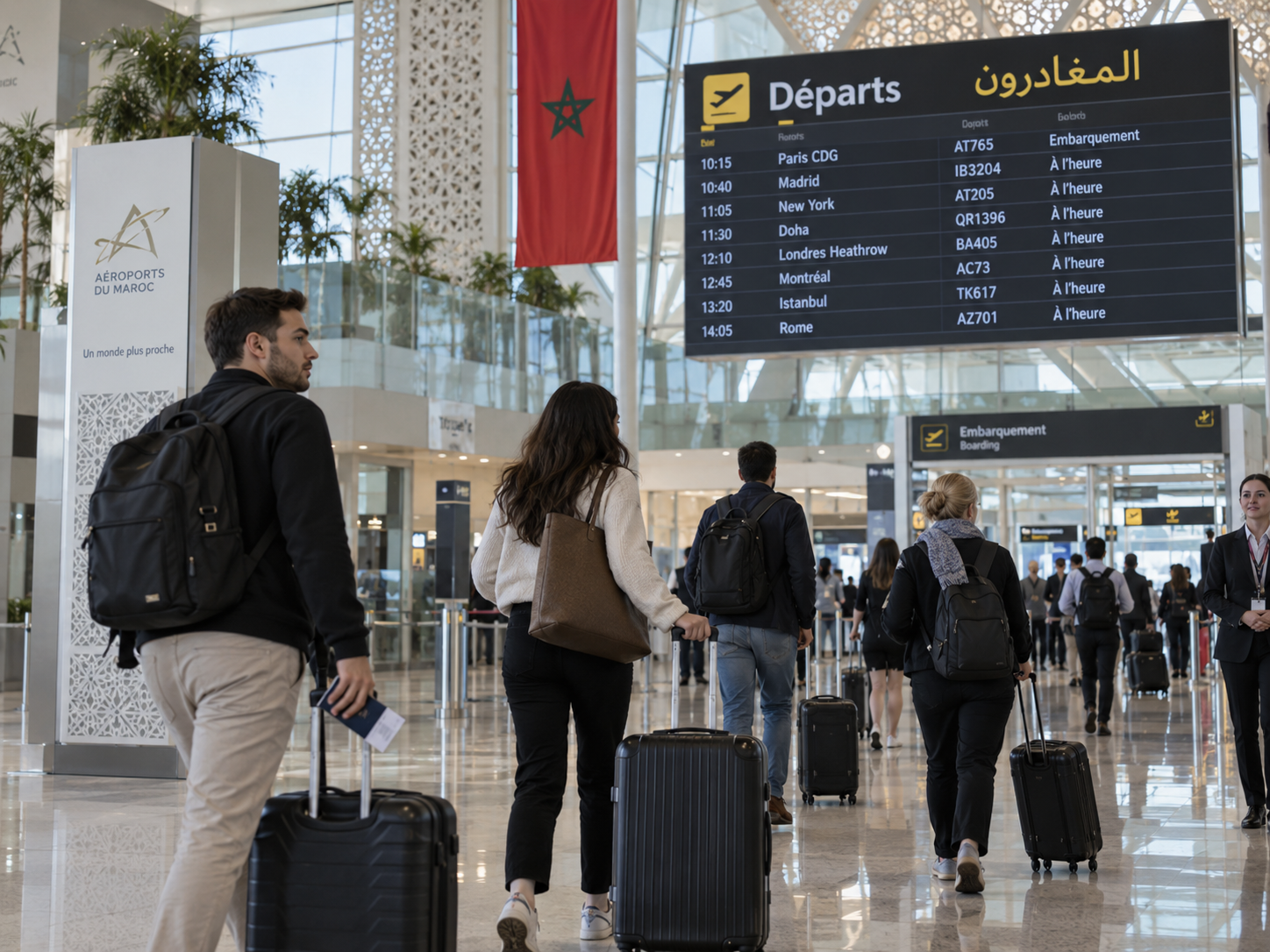
Level 2 asks travellers to exercise increased caution. For Morocco, the country-level advisory identifies terrorism as the reason for that classification.
The Department of State advises travellers to stay aware of their surroundings, remain alert in tourist locations and review the complete country guidance.
It does not say that travel to Morocco is prohibited. It does not tell Americans generally to reconsider travelling to the country, which is the wording used for Level 3. Nor does it place Morocco at Level 4, Do Not Travel.
But Level 2 is not a declaration that a destination is risk-free. It is an instruction to take additional care and to understand the risks described on the official page.
WHAT LEVEL 2 DOES AND DOES NOT MEAN
DOES MEAN:
- Travellers are advised to exercise increased caution.
• The official safety guidance should be read in full.
• Travellers should remain aware of their surroundings.
DOES NOT AUTOMATICALLY MEAN:
- Travel is prohibited.
• Morocco has moved to Level 3.
• Morocco has moved to Level 4.
• Every part of the country has identical circumstances.
• Travel insurance is automatically valid or invalid.
WHERE LEVEL 2 SITS ON THE US SCALE
The Department of State uses four advisory levels.
| Level | Official description |
|---|---|
| Level 1 | Exercise Normal Precautions |
| Level 2 | Exercise Increased Caution |
| Level 3 | Reconsider Travel |
| Level 4 | Do Not Travel |
The number is only the starting point. Travellers must also read the country-specific explanation because the risks, recommendations and any local distinctions vary by destination.
Morocco remains on the second level of this four-level system. The September 4 update did not move it into either of the two higher categories.
WHAT WAS ACTUALLY UPDATED?
The public advisory history confirms that the summary changed. It does not provide a line-by-line comparison identifying every word or sentence that was altered.
It would therefore be misleading to claim that every risk or recommendation appearing on the current page was newly introduced on September 4.
Five elements should be kept separate:
- The issue date records the latest published version.
• The advisory level provides the overall classification.
• The risk indicator identifies the reason attached to that level.
• The summary explains the concern and recommended precautions.
• Embassy Security Alerts cover separate, often more immediate developments.
A Security Alert from the US Embassy and Consulate in Morocco is not automatically a change to the nationwide Travel Advisory. An alert may concern a demonstration, disruption, security development or particular location while the national level remains unchanged.
The country page also includes detailed guidance on subjects such as crime, local laws, health, transport and entry requirements. That broader information should not be confused with the short advisory summary.
WHO IS THE ADVISORY WRITTEN FOR?
The Department of State publishes Travel Advisories as part of its responsibility to inform and assist Americans travelling or living abroad, with its consular services principally focused on US citizens.
The pages are public, so tourists, travel companies and permanent residents of other countries may also consult them. However, people who are not travelling as US citizens should check the official advice issued by the authorities responsible for their own nationality as well.
A US Travel Advisory is not a Moroccan visa rule, border decision or entry restriction.
Level 2 does not itself prevent an eligible traveller from visiting Morocco. Passport validity, visa requirements, permitted length of stay and customs rules are separate matters that must be checked with the appropriate Moroccan authorities.
WHAT TRAVELLERS SHOULD CHECK BEFORE DEPARTURE

Anyone planning a journey should open the full official advisory, not rely on a screenshot or social media summary. Check the displayed date, the level, the risk indicator and the detailed recommendations.
Repeat that check shortly before departure because official guidance can change.
Travellers should also:
- Review current messages and Security Alerts from the US Embassy and Consulate in Morocco.
• Confirm passport, visa and entry requirements separately.
• Check their travel insurance, including medical, cancellation and evacuation cover.
• Save contact details for their embassy or consulate and relevant local emergency services.
• Monitor reliable local information during their visit.
• Follow instructions issued by Moroccan authorities when circumstances require it.
American travellers can also use the Smart Traveler Enrollment Program, known as STEP. The free service sends email updates and alerts from US embassies and consulates. It can also help consular officials contact a traveller or an emergency contact during an emergency.
The Department of State recommends STEP, but enrolment is not a Moroccan entry requirement.
A NEW DATE IS NOT A NEW ALARM
The September 4 update should be noticed, read and understood. It should not be misrepresented.
The United States refreshed the written summary of its Morocco travel guidance, but it did not raise Morocco above Level 2. Terrorism remains the stated risk indicator, and travellers are still advised to exercise increased caution.
The correct response is neither panic nor dismissal.
Take the official advice seriously. Read beyond the date. Check what actually changed. Then make travel decisions using the complete and most current information.
In this case, the headline fact is simple: the advisory was updated, but the warning level was not.