

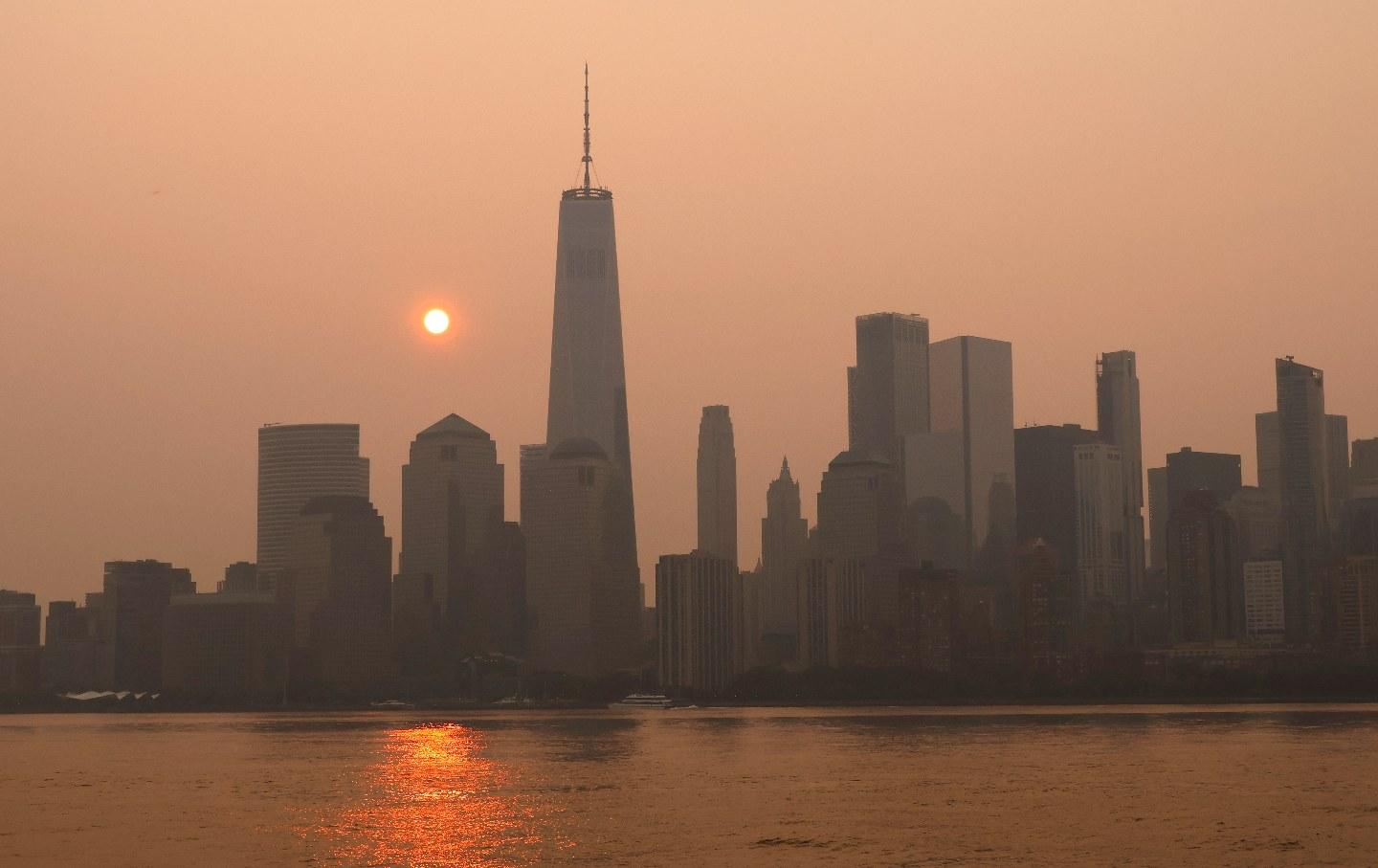
The Smoke Alert Summer is changing how people think about travel in America.
For years, summer travel meant heat, crowded airports, expensive hotels and packed highways. Now another factor is moving into the centre of the travel decision: air quality.
Wildfire smoke from Canada has pushed haze across parts of the United States, triggering warnings, changing skylines and forcing travellers to ask questions they once rarely considered before a trip.
Is the air safe?
Can children go outside?
Will flights be delayed?
Will outdoor plans survive?
Can a city still host a major event when the sky turns gray?
This is the new travel reality.
Smoke Alert Summer Reaches The World Cup
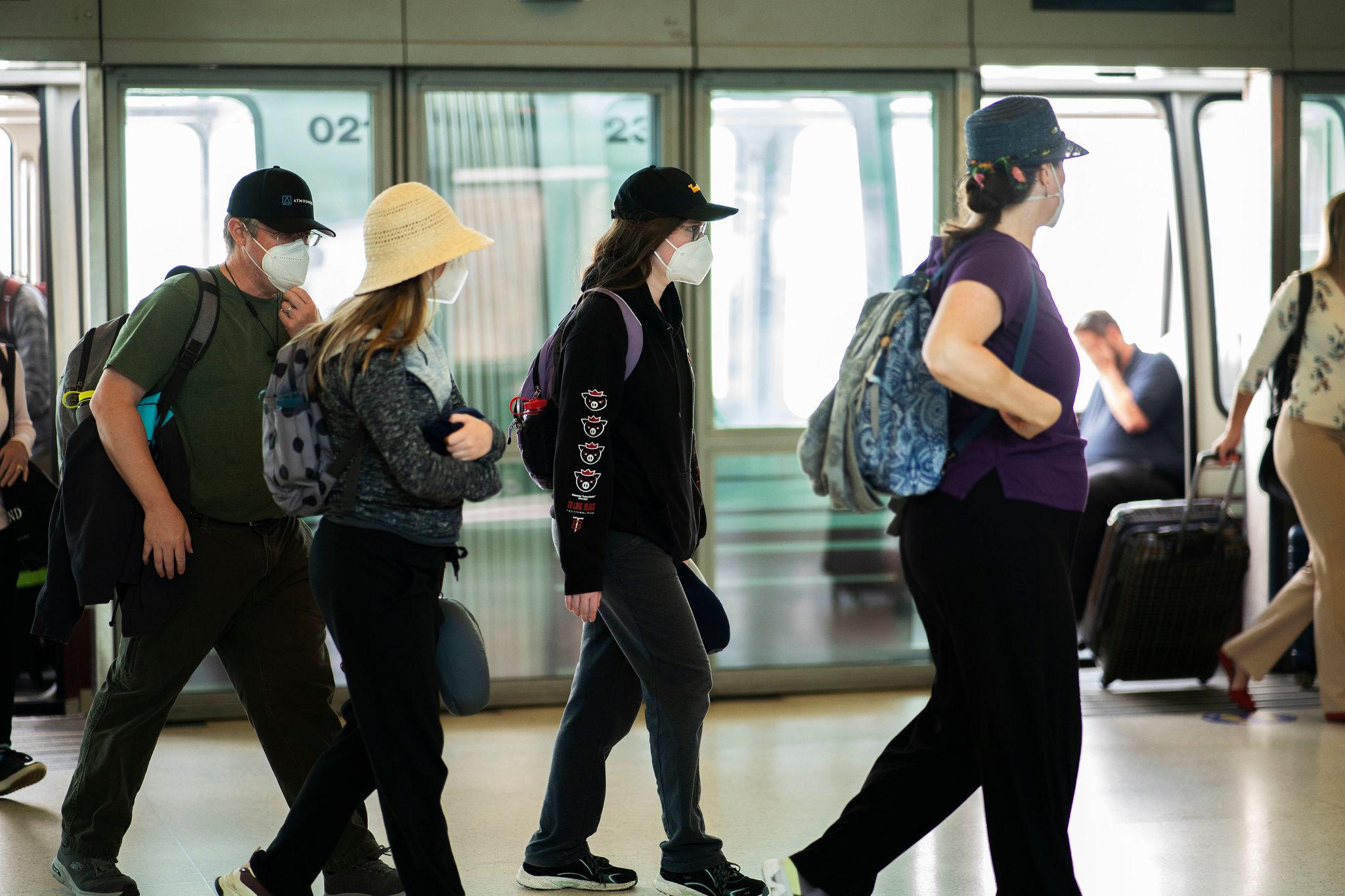
The Smoke Alert Summer became impossible to ignore around the World Cup final.
AP reported that smoke from Canadian wildfires had engulfed parts of the Northeast in haze before thunderstorms were expected to improve conditions around the New Jersey area in time for the final at MetLife Stadium. The same report noted that unhealthy-air warnings remained active across a wide part of the United States, and that a storm had forced Spain to suspend its final outdoor training session before facing Argentina.
That matters because mega-events depend on outdoor confidence.
Fans travel.
Teams train.
Broadcasters film skylines.
Sponsors build outdoor activations.
Cities host public gatherings.
When smoke enters the picture, the event is still possible, but the experience changes. The question is no longer only whether the stadium is ready.
It is whether the air around the event can cooperate.
Air Quality Is Now A Travel Variable
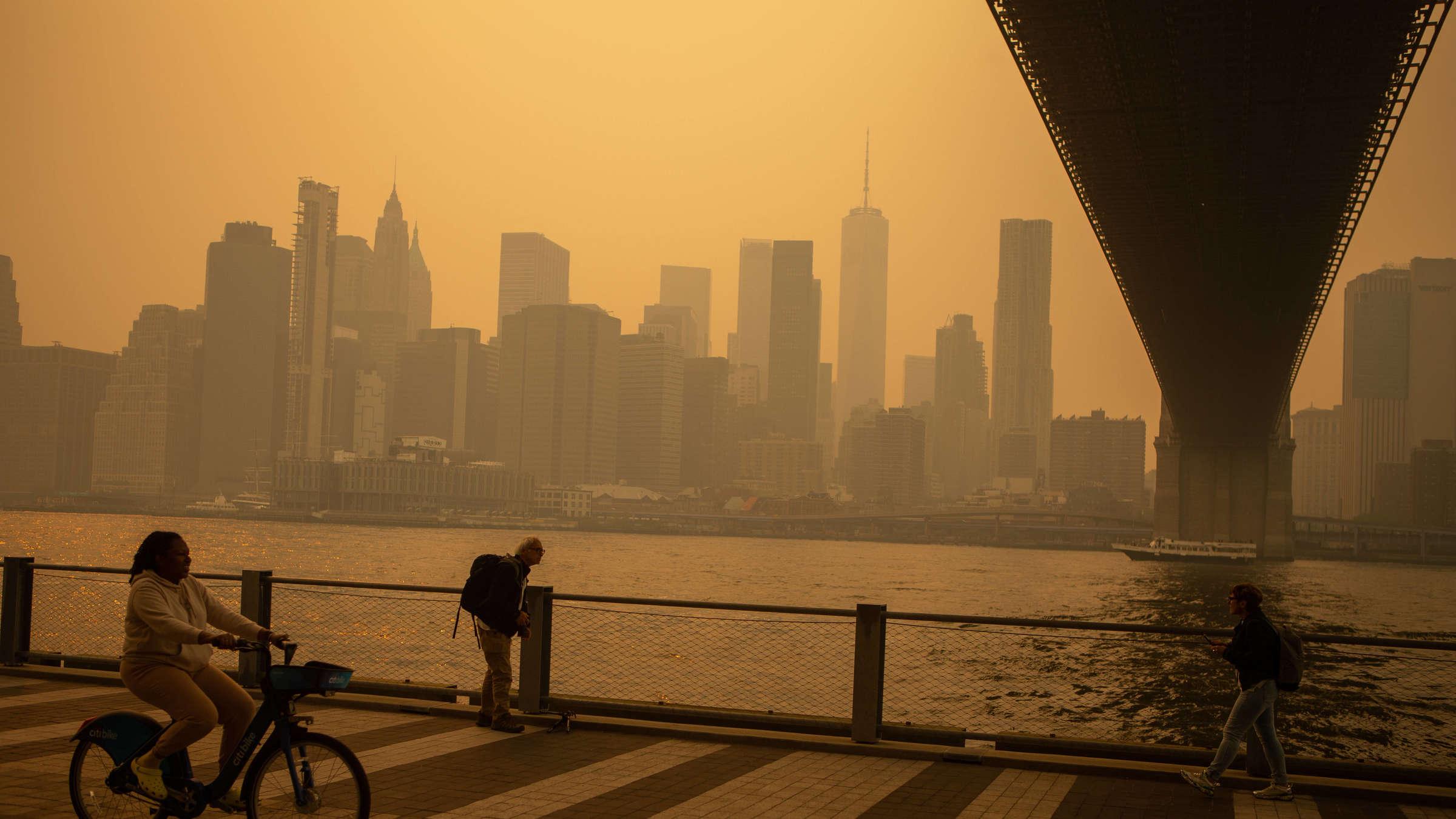
Travelers already check weather.
They check temperature, rain, flight status and hotel prices.
Now many need to check the Air Quality Index too.
That changes the mental process of planning a trip. A city may have sunshine but unsafe air. A weekend may look dry but still be unhealthy for outdoor activity. A flight may land on time, but families may cancel walking tours, rooftop dinners, beach plans or stadium tailgates because the air feels wrong.
This is especially important for children, older travellers, pregnant women and people with asthma, heart disease or respiratory conditions.
A bad air day can turn a holiday into a health calculation.
Travel is no longer only about destination.
It is also about exposure.
Canada’s Fires Become America’s Travel Problem
The smoke story also shows how climate risk ignores borders.
Reuters reported that wildfires in Ontario had burned around 655,000 hectares of forest, while winds carried smoke south of the Canada-U.S. border, prompting air-quality alerts and health warnings in parts of the United States.
That is the difficult geography of smoke.
A person in New York, Washington, Chicago, Detroit or Minneapolis may be affected by fires burning hundreds or thousands of kilometres away. They do not need to see flames for the fire to enter their daily life.
This creates a new kind of travel uncertainty.
The local weather may be fine.
The regional air may not be.
And the source of the problem may be far outside the control of the city receiving the tourists.
The Outdoor Travel Economy Is Exposed
Smoke does not hit all travel equally.
Indoor museums, restaurants, hotels and shopping districts can continue with less disruption. But outdoor tourism is much more exposed: beaches, parks, walking tours, stadium events, festivals, cycling, outdoor dining, sightseeing decks and waterfront attractions.
That matters economically.
Cities sell outdoor identity. New York sells skyline walks, parks, rooftops and waterfront views. Western states sell national parks and open-air adventure. Smaller towns sell festivals, lakes and summer weekends.
When smoke arrives, the image changes.
A skyline becomes hidden.
A mountain view disappears.
A festival becomes uncomfortable.
A walking tour becomes a health warning.
Travel does not stop automatically, but its value can decline quickly.
Airports Feel Smoke In Several Ways
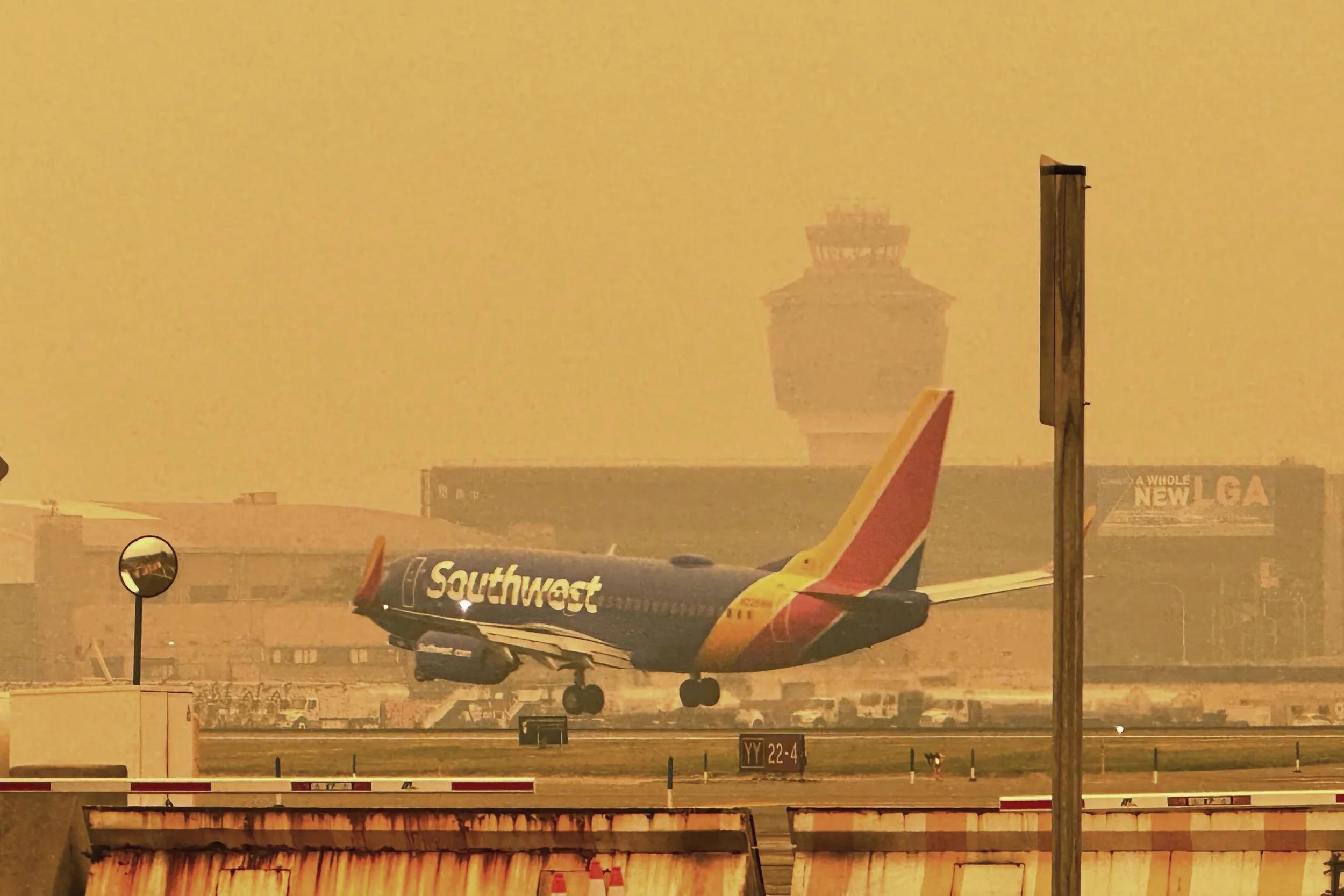
Airports are also vulnerable.
Smoke can reduce visibility, affect flight operations, complicate air-traffic decisions and make passengers more anxious. Even when flights are not cancelled, airport movement can become more stressful if travellers arrive into haze, storms or warnings.
The problem is not only the runway.
It is the full journey.
A traveller may land during a smoke alert, wait longer for ground transport, abandon outdoor plans, buy masks, keep children inside and rethink the next day’s itinerary.
That creates a different kind of travel disruption.
Not always dramatic enough for a cancellation headline.
But enough to make the trip feel degraded.
Hotels Must Become Air-Quality Managers
Hotels used to sell comfort, location and service.
Now some may need to sell clean indoor air.
During smoke episodes, travellers may ask whether hotel windows seal properly, whether the air-conditioning system filters smoke, whether indoor common areas are safe, and whether staff can advise on local air-quality conditions.
This is especially true for premium hotels.
Luxury guests paying high rates during major events will expect more than a room. They will expect information, protection and options.
A hotel that can communicate clearly during smoke events gains trust.
A hotel that appears unprepared looks outdated.
In the new summer travel economy, indoor air is part of hospitality.
Families Travel Differently Under Smoke Alerts
For families, wildfire smoke changes everything.
Adults travelling alone may accept discomfort. Parents with young children are less likely to ignore warnings. They may cancel park visits, skip fan zones, avoid long queues, change restaurant plans or stay inside a hotel longer than planned.
That affects spending.
A family that stays indoors spends differently from a family walking through a city all day. Outdoor vendors lose traffic. Attractions lose visits. Public transport patterns change. Restaurants with indoor space may gain. Outdoor-only venues may suffer.
Smoke does not only affect health.
It changes consumer behaviour.
And consumer behaviour is the core of tourism economics.
The World Cup Shows The New Mega-Event Risk
The World Cup final is a powerful example because it combines several vulnerabilities at once.
International fans.
Outdoor stadium access.
Training sessions.
Security queues.
Broadcast optics.
Fan zones.
Transport pressure.
Political guests.
Celebrity attention.
When air quality becomes uncertain, organisers must adapt quickly. They need health messaging, contingency planning, cooling and clean-air areas, medical readiness and clear communication for people who may not understand local alerts.
A mega-event cannot control the wind.
But it can control how it warns people, protects vulnerable visitors and adjusts outdoor activity.
That is where host cities will increasingly be judged.
Smoke And Storms Create A Double Threat
The recent Northeast situation also shows how risks can overlap.
AP reported that thunderstorms were expected to help clear smoke before the World Cup final, but one storm also brought warnings of flash flooding and interrupted Spain’s outdoor training.
That is the new complexity.
The same weather system that improves air quality may create flooding risk.
A city may need rain to clean the air, but too much rain can disrupt roads, fan travel, drainage systems and outdoor events.
This makes travel planning harder because the solution to one hazard may create another.
Smoke.
Storms.
Flooding.
Heat.
Delays.
Modern travel is becoming a multi-risk calculation.
Travel Insurance May Become More Important
As climate volatility grows, travel insurance becomes more relevant.
But most travellers still do not fully understand what is covered. Bad air quality may not automatically qualify for reimbursement. A trip may be unpleasant but not technically impossible. A flight may operate even if outdoor conditions are poor.
That creates frustration.
A traveller may decide the trip is unsafe for a child with asthma, while the airline and hotel still treat the booking as valid.
The gap between personal health risk and official cancellation rules may become a bigger issue.
Travel companies will need clearer policies.
Consumers will need better information before booking.
Cities Need Air-Quality Communication For Visitors
Local residents may know where to check air alerts.
Visitors may not.
That is why tourism boards, airports, hotels, stadiums and event organisers need simple messaging. Not technical language. Practical guidance.
Check the AQI.
Limit outdoor time if air is unhealthy.
Use N95-style masks if needed.
Keep windows closed.
Use filtered indoor spaces.
Protect children and vulnerable travellers.
Follow official local health alerts.
This kind of communication should not feel alarmist.
It should feel professional.
Travelers forgive risk more easily when they feel informed.
They lose confidence when nobody explains what is happening.
The New Summer Packing List Is Changing
The summer travel packing list used to be simple.
Sunglasses.
Sunscreen.
Light clothes.
Phone charger.
Now some travellers add masks, allergy medication, portable air-quality monitors, inhalers, eye drops and indoor backup plans.
That is not normal travel psychology.
It shows how environmental uncertainty is entering daily consumer behaviour.
For cities and brands, this creates both challenge and opportunity. Clean-air lounges, indoor cultural programming, flexible tour schedules and air-quality-aware travel apps may become more valuable.
A city that adapts can still attract visitors.
A city that ignores the shift may feel less prepared.
Wildfire Smoke Is Becoming A Repeated Summer Story
The concern is not one bad weekend.
It is repetition.
The Guardian reported that air-quality alerts had been issued across more than 20 U.S. states as smoke from Canadian and Minnesota wildfires drifted south, with residents describing the emotional and physical strain of repeated smoke events.
That repetition matters for travel.
If smoke becomes a regular summer risk, travellers may begin changing where and when they book. They may avoid certain regions during peak fire season. They may choose indoor-heavy destinations. They may pay more for flexible reservations.
The climate map becomes a tourism map.
And the tourism map becomes less predictable.
The Travel Industry Cannot Treat Smoke As Rare
Airlines, hotels, stadiums and tour operators may need to treat wildfire smoke as a recurring operational risk, not an exceptional inconvenience.
That means staff training.
Refund flexibility.
Indoor alternatives.
Medical coordination.
Customer alerts.
Air-filtration investment.
Better coordination with local authorities.
The industry has already learned to manage storms, hurricanes and winter weather. Smoke may need the same seriousness because it affects health even when infrastructure remains intact.
A clear sky used to be a comfort.
Now travellers may need proof that the air itself is safe.
The Bottom Line
The Smoke Alert Summer shows how wildfire smoke is changing American travel.
Canadian fires have pushed haze and air-quality alerts across large parts of the United States, while AP reports that thunderstorms were expected to improve conditions around MetLife Stadium before the World Cup final after smoky skies and flash-flood risks disrupted final preparations.
This is the new travel test.
A city may have the stadium.
It may have the hotels.
It may have the flights.
It may have the global event.
But if the air becomes unsafe, every part of the visitor experience changes.
In the climate era, travel planning no longer ends with weather.
It begins with air.