

The most hated seat on the plane is becoming a product.
For years, passengers dreamed of opening the boarding app and discovering one small miracle: the middle seat stayed empty.
Now United Airlines wants to sell that feeling.
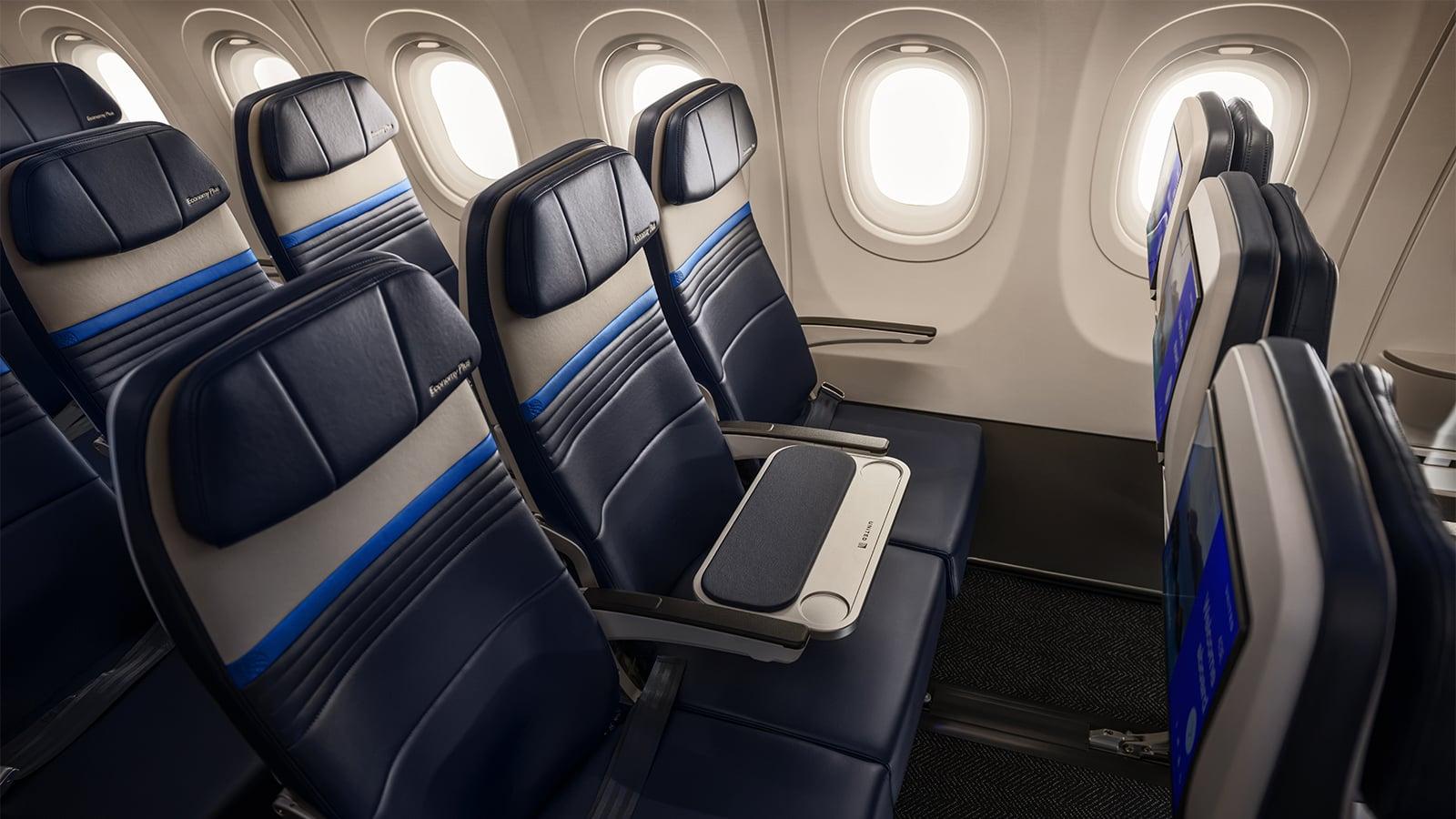
The airline is introducing an Economy Plus row with the middle seat blocked on its new Airbus A321XLR aircraft, turning extra elbow room into a paid upgrade and showing how far airlines are willing to go in segmenting the economy cabin.
This is not business class.
It is not premium economy.
It is economy with breathing space.
And that may be exactly why it works.
Empty Middle Seat Becomes A Product
The Empty Middle Seat story matters because it monetises one of the most basic passenger desires.
People do not always want champagne, lie-flat beds or lounge access. Sometimes they want to avoid being squeezed between two strangers for several hours.
AP reports that United’s new Economy Plus option will block the middle seat and replace it with a shared table across the empty space, giving passengers more elbow room on selected rows of the new Airbus A321XLR. (apnews.com)
That is the key innovation.
The airline is not inventing a new luxury cabin.
It is charging for absence.
No person in the middle.
No shoulder battle.
No armrest war.
No trapped feeling between two passengers.
In air travel, empty space has become the luxury.
The Middle Seat Is The Pain Point
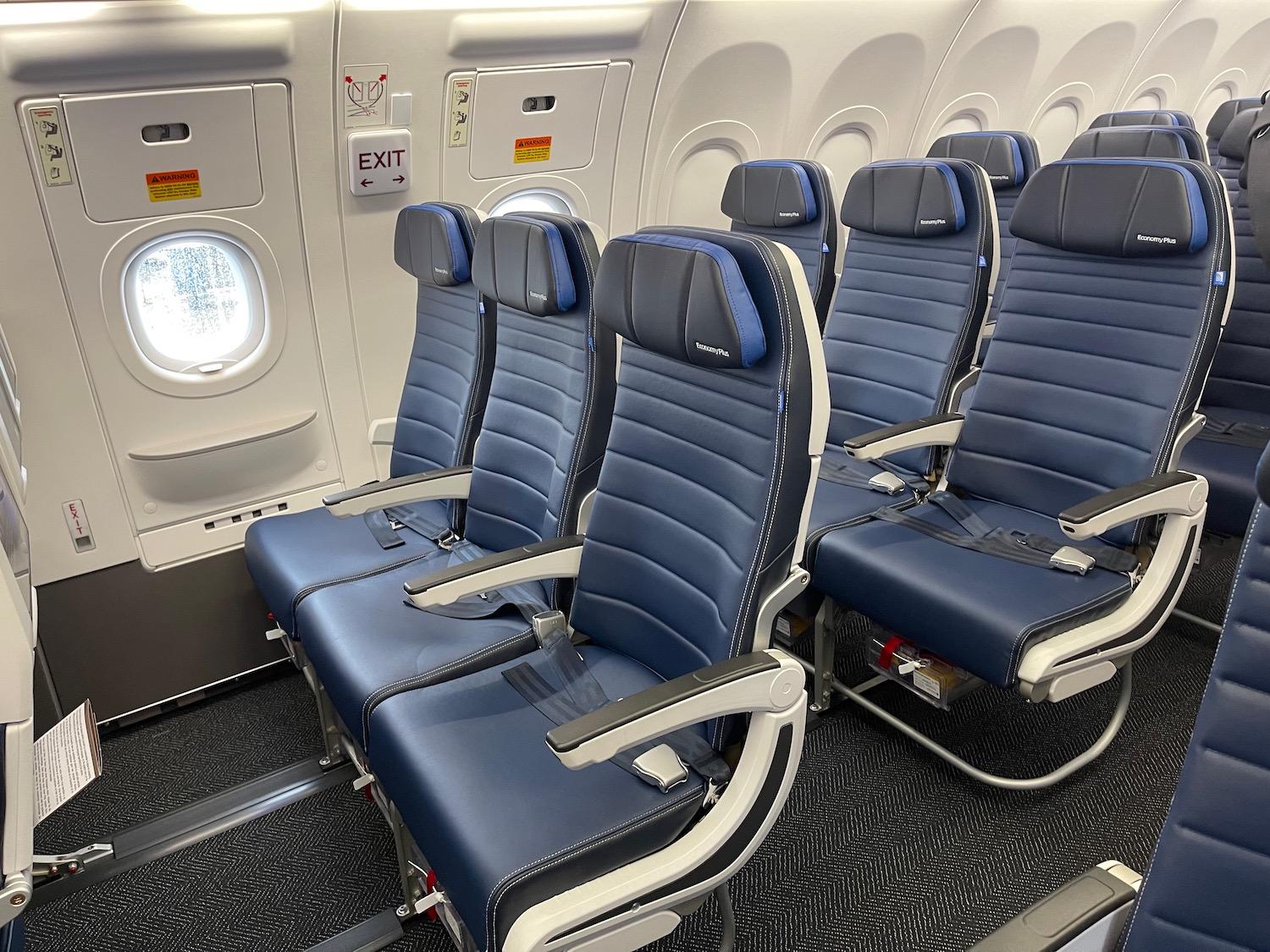
Airlines know passengers hate the middle seat.
It has no window.
It has no aisle.
It has less personal control.
The person in the middle often fights for armrest space, feels more physically exposed and has to negotiate with both neighbours for basic comfort.
That is why this product is psychologically smart.
United is not selling something abstract. It is solving a pain point every economy passenger understands immediately.
There is no need to explain the value.
A blocked middle seat explains itself.
Economy Plus Gets More Layered
Economy used to be relatively simple.
You bought a seat in the back of the plane.
Then airlines started adding layers: extra-legroom seats, preferred seats, basic economy restrictions, priority boarding, checked-bag fees, bundled fares and premium economy cabins.
United’s new blocked-middle-seat row adds another layer.
Business Insider reports that the special row will be located inside Economy Plus, which already offers extra legroom, and that United plans to sell it as a distinct upgraded option. (businessinsider.com)
That shows where the airline business is going.
The cabin is no longer divided only into economy and business.
It is becoming a menu.
Every inch, benefit and inconvenience can be priced.
Europe Already Knows This Model
The idea is not completely new.
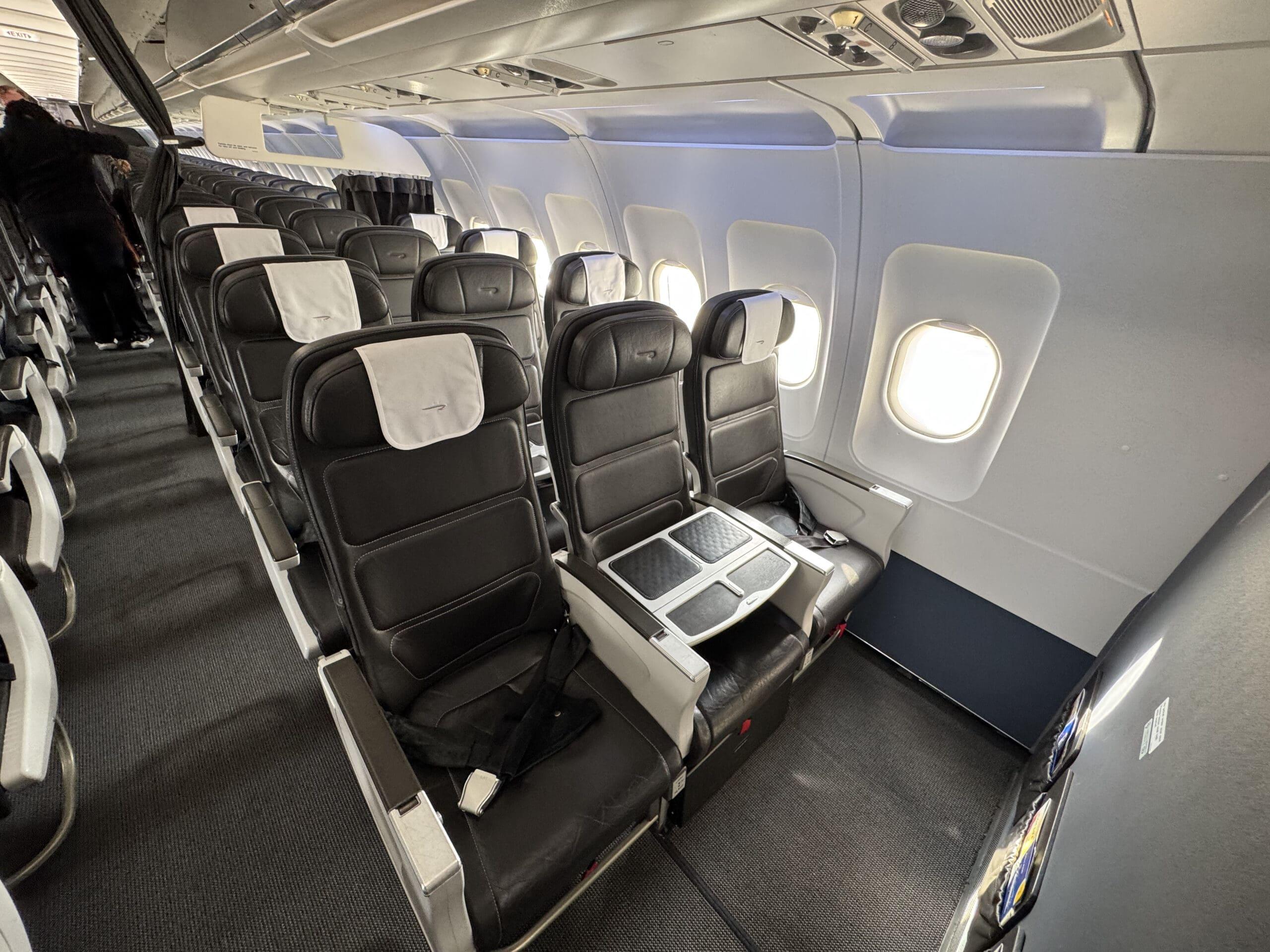
Many European airlines have long used a blocked middle seat in short-haul business class. The seat itself may be similar to economy, but the empty middle creates separation, comfort and a more premium feel.
AP notes that blocked middle seats have been common among some European carriers, while United is bringing a version of that idea into its own cabin design. (apnews.com)
The difference is context.
In Europe, the blocked seat is often part of a business-class product.
United is placing the idea inside Economy Plus on a narrow-body aircraft designed for longer routes.
That makes it feel less like old European business class and more like a new American upsell.
The A321XLR Changes The Equation
The aircraft matters.
The Airbus A321XLR is designed for longer-range narrow-body flying. That means passengers may spend more time in a single-aisle cabin on routes that once felt more associated with wide-body aircraft.
On longer flights, small comfort differences become bigger.
An empty middle seat on a short hop is pleasant.
An empty middle seat on a long narrow-body flight can feel much more valuable.
That is why United’s timing makes sense. As airlines use narrow-body jets on longer routes, they need more ways to make the cabin feel tolerable without giving every passenger a full premium seat.
The empty middle seat becomes a bridge product.
Better than standard economy.
Cheaper than business.
Simple enough for passengers to understand.
The Shared Table Is A Smart Visual
The blocked seat could have been left empty.
United is making it visible by adding a shared table.
That matters because passengers like proof of what they paid for. A blocked seat without a clear physical marker can create awkwardness. Another passenger may try to sit there. A crew member may need to explain. The space may feel unofficial.
A fixed table changes that.
It makes the empty seat look intentional.
It gives the row a distinct identity.
It reduces the chance that passengers treat the middle as available space.
It also creates a small functional benefit for drinks, phones or personal items.
The table turns absence into design.
Airlines Are Monetising Comfort By The Inch
This is the deeper business story.
Airlines have become experts at turning discomfort into revenue.
Want to choose your seat?
Pay.
Want to board earlier?
Pay.
Want more legroom?
Pay.
Want a checked bag?
Pay.
Want flexibility?
Pay.
Now the logic extends to elbow room.
This can frustrate passengers because it feels like comfort is being removed from the base product and sold back as an upgrade. But from the airline’s perspective, segmentation is attractive. Different travellers have different willingness to pay, and the airline can capture more revenue without redesigning the entire aircraft.
The empty middle seat is not only a passenger perk.
It is an ancillary revenue strategy.
Business Travellers May Like It
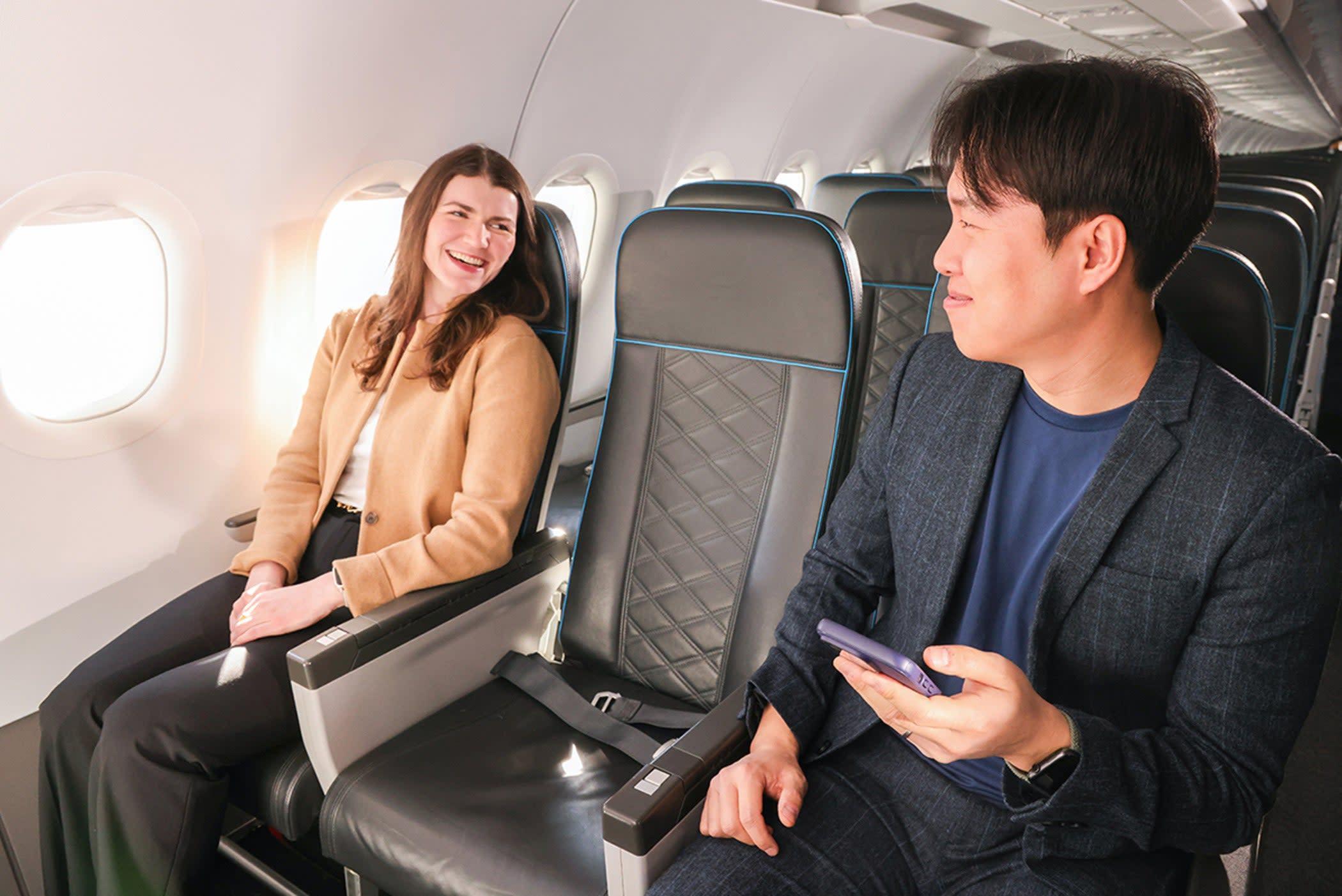
The product could appeal strongly to business travellers who do not have the budget, status or seat availability for business class.
A traveller taking a medium-haul or long narrow-body route may not need a lie-flat seat. They may simply want enough room to open a laptop, avoid shoulder contact and arrive less irritated.
That makes the blocked middle seat practical.
It gives companies a middle option between standard economy and expensive premium cabins. It may also appeal to small-business travellers paying their own way, who want comfort but still care about price.
This is where United may find demand.
Not luxury travellers.
Practical comfort buyers.
Couples May See It Differently
The product could also appeal to couples or companions travelling together.
A window and aisle pair with an empty middle between them has long been one of the best economy outcomes. It allows shared space without full separation. A fixed table could make that arrangement feel more secure and useful.
But there may also be limits.
If the table is truly fixed and the seat cannot be used, families with small children may prefer traditional seating together. Solo travellers may prefer the aisle or window but still care about who occupies the nearby seat.
The key is choice.
United is not forcing the product on every passenger.
It is creating a new option for those who value space enough to pay.
The Upgrade Also Reveals A Passenger Truth
Passengers complain about airlines charging for everything.
But they also reveal their preferences through what they buy.
Extra-legroom seats sell.
Preferred seating sells.
Early boarding sells.
Premium economy sells.
Lounge access sells.
If blocked middle seats sell too, airlines will learn that many passengers are willing to pay not only for luxury, but for reduced discomfort.
That is a powerful insight.
The future of economy may not be about making every seat better.
It may be about creating more paid escapes from the worst parts of the cabin.
The Fairness Debate Will Follow
Not everyone will celebrate the new option.
Some passengers will see it as another example of airlines monetising basic dignity. They may ask why enough personal space has become an add-on rather than a standard expectation.
That criticism is understandable.
Airline seats have become a symbol of shrinking comfort, rising fees and consumer frustration. When airlines sell extra space, they are also reminding passengers that standard space is limited.
But airline economics are difficult.
Passengers want low fares.
Airlines want higher margins.
Aircraft space is finite.
Every blocked seat reduces potential capacity unless priced correctly.
The empty middle seat is attractive precisely because it solves comfort for some without changing the whole cabin.
That is also why it will remain controversial.
Pricing Will Decide The Reaction
The product’s success will depend heavily on price.
If the upgrade feels reasonable, passengers may love it. If it feels too expensive, it may become another target for airline frustration.
The sweet spot is delicate.
Price it too low, and United gives up seat revenue without enough return.
Price it too high, and passengers compare it with premium economy or business class and may reject it.
Airlines are skilled at dynamic pricing, so the cost may vary by route, demand, flight length, booking window and customer profile.
The passenger question will be simple.
How much is comfort worth today?
Other Airlines Will Watch Closely
If United’s blocked middle seat works, rivals will pay attention.
Airlines copy profitable cabin ideas quickly. Extra-legroom seats, premium economy, basic economy, unbundled fares and paid seat selection all spread because they generated revenue.
A successful empty-middle-seat product could push other carriers to experiment.
That does not mean every airline will remove middle seats. The economics must work. But airlines may create limited rows, premium zones, table inserts or companion seating products designed around space rather than traditional class labels.
The middle seat may become a new battleground.
The Product Fits The Post-Pandemic Comfort Memory
The pandemic briefly made blocked middle seats feel normal on some flights.
Many passengers remember that period as unusually comfortable, even if airlines could not maintain it economically forever.
That memory matters.
People learned what economy felt like with more space.
Then they lost it.
United’s new product gives passengers a way to buy back part of that feeling without requiring the entire plane to fly with empty seats.
It is not a public-health policy.
It is a comfort memory turned into a revenue product.
The Bottom Line
The Empty Middle Seat is becoming one of the clearest signs of where air travel is heading.
United Airlines plans to offer a new Economy Plus row on its Airbus A321XLR aircraft with the middle seat blocked and replaced by a shared table, giving passengers extra elbow room as a paid upgrade. (apnews.com)
The idea is simple because the pain point is universal.
Nobody likes the middle seat.
United is betting that enough passengers dislike it so much they will pay to make it disappear.
In the new airline economy, comfort is no longer just about where you sit.
It is about who does not sit next to you.