

The Gulf airline story is no longer only about luxury cabins, giant hubs and long-haul ambition.
It is about confidence under pressure.
At the Farnborough Airshow, Middle Eastern aviation executives are trying to send a clear message to passengers, aircraft makers, investors and governments: the region is still flying, still buying and still central to global air travel, even as war fears darken the map around it.
That is not an easy message to sell.
Regional conflict changes everything in aviation.
Airspace.
Insurance.
Fuel.
Passenger confidence.
Crew planning.
Flight times.
Safety perception.
Yet Emirates and its rivals are not presenting themselves as victims of disruption.
They are presenting themselves as resilient operators in a dangerous neighbourhood.
Gulf Airline Confidence Takes The Stage
Gulf Airline Confidence matters because aviation depends on trust.
Passengers must believe a route is safe.
Investors must believe demand will hold.
Aircraft manufacturers must believe orders will stay alive.
Airports must believe traffic will keep moving.
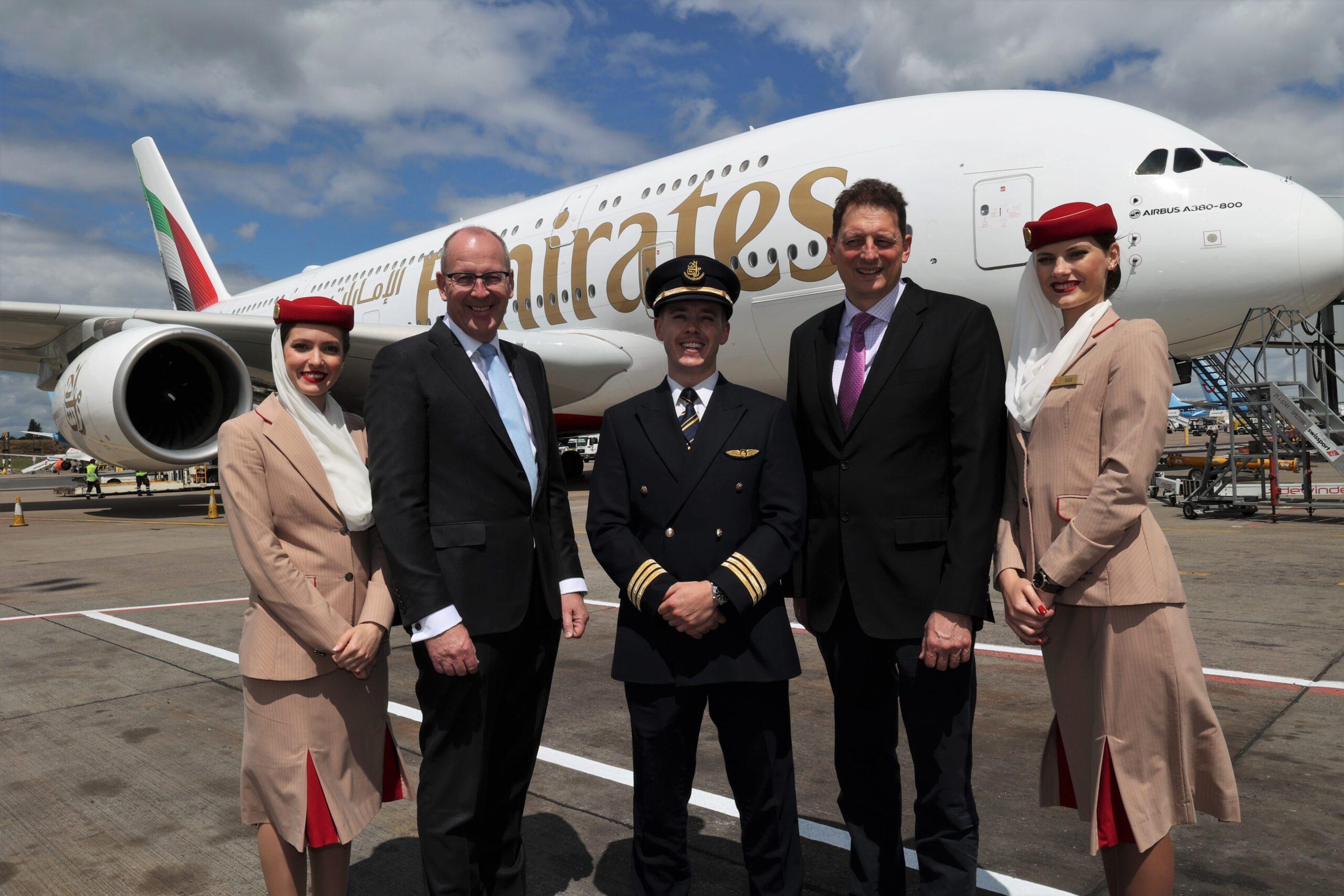
Reuters reported that Middle Eastern airline executives at Farnborough projected stability despite conflict, with Emirates President Tim Clark saying the airline could continue operating as long as the situation remained manageable. He said Emirates was flying at 90% capacity and that premium cabins were full.
That is a strong signal.
Not full normality.
But not collapse either.
In travel markets, resilience can be as important as growth.
The Region Is Selling Normality
The Gulf aviation model has been built on connectivity.
Dubai, Doha, Abu Dhabi, Riyadh and other regional hubs sit between Europe, Asia, Africa and Oceania. Their power comes from geography, fleet scale, service quality and transfer traffic.
War risk threatens that model because passengers and airlines start asking uncomfortable questions.
Is the airspace safe?
Will routes be longer?
Will flights be suspended?
Will airports remain connected?
Will passengers choose alternative hubs?
That is why Gulf carriers must sell normality aggressively.
They cannot control every military headline.
But they can control operational messaging.
Emirates Still Carries Symbolic Weight
Emirates is more than an airline.
It is one of the symbols of Dubai’s global positioning.
When Emirates says it is operating at high capacity, the message travels beyond aviation. It tells tourists, business travellers, investors and rival hubs that Dubai remains open.
That matters because aviation is part of the Gulf’s economic identity.
The airline feeds hotels, conferences, tourism, real estate, retail, logistics and business travel. If passenger confidence weakens, the impact spreads far beyond the aircraft cabin.
Emirates’ confidence at Farnborough is therefore not only corporate communication.
It is economic signalling.
Premium Cabins Tell A Different Story
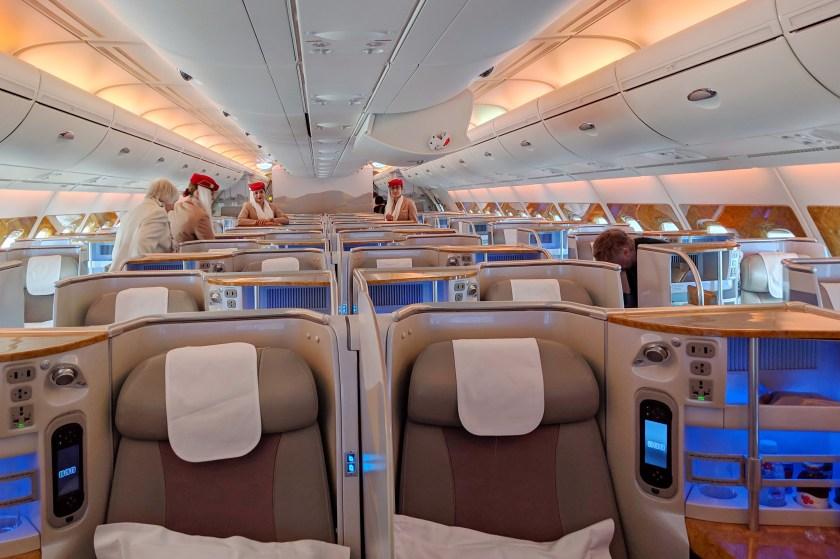
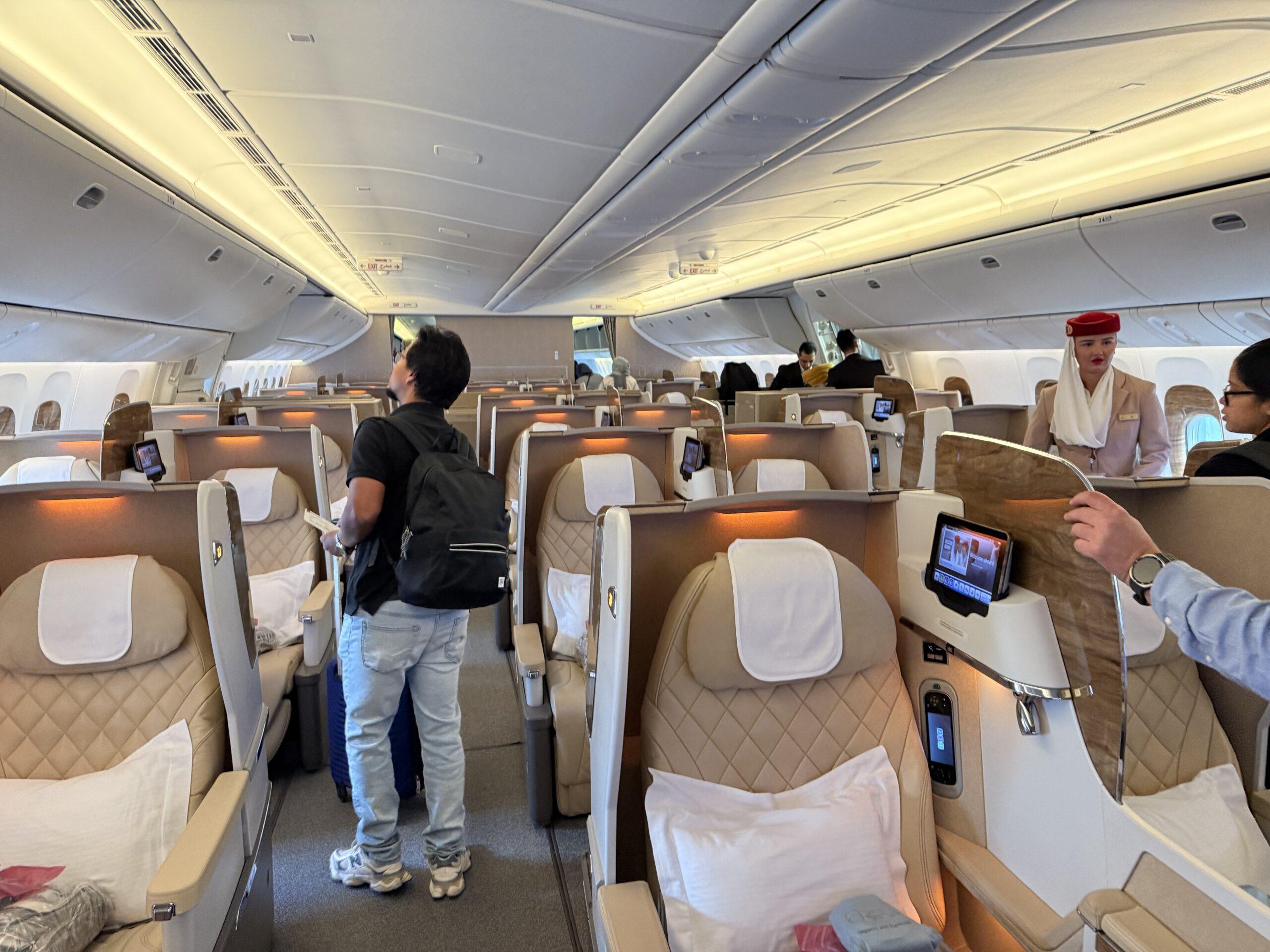
The detail that premium cabins remain full is important.
Premium travel is sensitive to corporate confidence, wealthy travellers, luxury tourism and long-haul business demand. If premium cabins stay strong during regional tension, it suggests the highest-value travellers are not yet abandoning the Gulf route.
That is valuable for airlines.
Premium cabins produce outsized revenue.
They support long-haul economics.
They help airlines absorb cost shocks.
They reinforce brand strength.
A full economy cabin matters.
A full premium cabin matters more.
For Emirates, Qatar Airways, Etihad and other Gulf operators, premium loyalty is one of the shields against volatility.
Airspace Risk Is The Real Constraint
The problem is that confidence has limits.
Airlines do not decide safety alone. Regulators, governments and aviation safety agencies influence routes and risk assessments.
Reuters reported that Europe’s aviation safety regulator extended an advisory to avoid airspace in the region until July 29, while Air France-KLM suspended flights to and from Riyadh and Dubai until July 27.
That shows the split.
Regional executives can say the sector is open for business.
Foreign carriers may still decide the risk is too high.
This creates a competitive and reputational dilemma. Gulf carriers may keep operating where others pause, but they must do so without appearing careless.
Safety confidence must be earned, not declared.
The Passenger Anxiety Problem
Aviation is emotional.
Many passengers do not fully understand airspace maps, military exclusion zones or flight-routing decisions. They see headlines about missiles, drones, regional conflict or advisories and wonder whether their flight is safe.
That anxiety can change booking behaviour.
A passenger travelling from Europe to Asia may choose a different hub.
A family may delay a holiday.
A business traveller may ask for a reroute.
A nervous flyer may cancel altogether.
Airlines must therefore communicate clearly. Silence creates fear. Overconfidence creates distrust. The best message is calm, operational and specific.
Flights are operating.
Routes are monitored.
Safety decisions are coordinated.
Passengers will be updated.
In crisis travel, confidence comes from clarity.
Farnborough Becomes A Reputation Test
Farnborough is one of the world’s major aerospace stages.
Airlines use it to announce deals, pressure aircraft manufacturers, meet suppliers, brief journalists and show strategic direction. This year, for Gulf carriers, it is also a reputation test.
Can they appear strong without ignoring the conflict?
Can they reassure the market without sounding political?
Can they push Boeing, Airbus and engine makers while managing regional risk?
Can they show that long-term growth plans remain intact?
Reuters separately reported that Clark used Farnborough to voice frustration over jet and engine issues, saying Emirates expected Boeing 777-9 deliveries in the second quarter of 2027 and criticising delays and durability concerns across the supply chain.
That shows Emirates is not only talking about war.
It is still fighting the normal aviation battles: aircraft delays, engine reliability and fleet planning.
Aircraft Delays Add Pressure
Aircraft delivery delays matter more during regional uncertainty.
If airlines need to reroute around dangerous airspace, flight times can increase. Longer routes can require more aircraft, more crew hours and more fuel. If new aircraft arrive late, flexibility becomes tighter.
This is why Clark’s frustration with manufacturers matters.
Gulf carriers have built their strategies around large long-haul fleets and high utilisation. Delays from Boeing, Airbus or engine suppliers can disrupt capacity planning just when the region needs operational resilience.
A war-risk environment rewards airlines with spare capacity and modern fleets.
Supply-chain delays reduce that cushion.
The Gulf Hub Model Is Built For Shocks
The Gulf carriers have experience managing disruption.
Pandemics.
Airspace closures.
Diplomatic crises.
Oil swings.
Regional tensions.
Aircraft delays.
Demand cycles.
That experience matters. The hub model is complex, but it is also adaptable. Routes can be adjusted. Connections can be retimed. Aircraft can be redeployed. Passenger flows can be protected where demand remains strong.
This does not make the model invincible.
But it makes it battle-tested.
The Gulf aviation sector has spent years operating in a region where geopolitical risk is never far away. That creates a managerial discipline that some less exposed regions may not develop.
Dubai’s Airport Math Is Sensitive
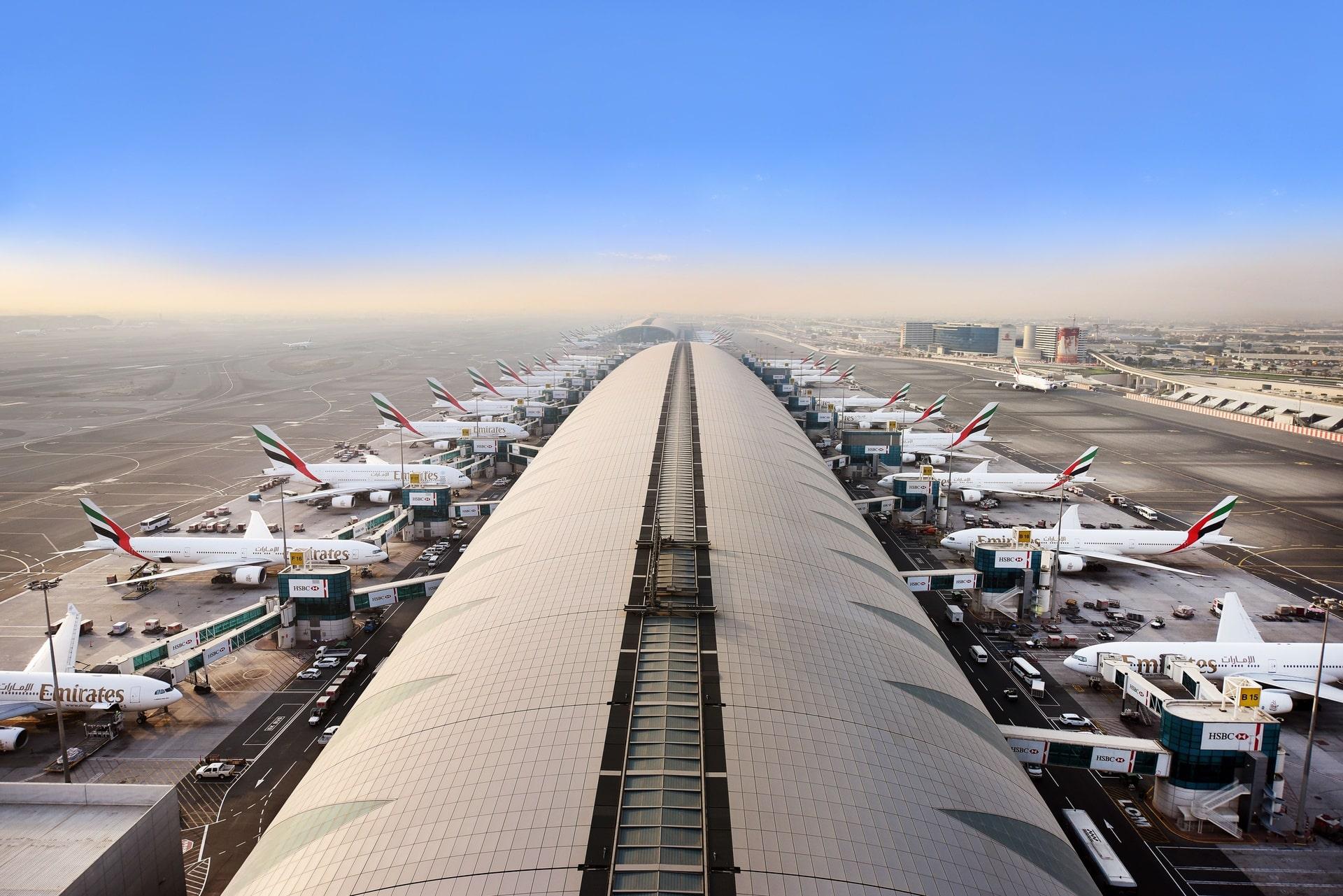
Dubai’s airport system is especially sensitive because it is a global connector rather than only a local origin-and-destination market.
A disruption to transfer confidence can ripple quickly through route networks. If fewer airlines operate into Dubai, or if foreign carriers pause service, the hub still functions but the ecosystem changes.
The National reported that the number of airlines operating at Dubai airports had fallen sharply during the Iran conflict, even as Emirates added capacity made available by the disruption.
That shows the complexity.
The national champion may gain relative share.
But the broader airport network can still feel pressure if foreign carriers pull back.
A hub is strongest when many airlines trust it.
Gulf Airlines Can Gain From Rival Suspensions
There is also a competitive opportunity.
When foreign carriers suspend routes, Gulf airlines that continue operating can capture displaced demand. Passengers still need to travel. Cargo still needs to move. Business routes do not disappear simply because some airlines pause service.
If Emirates or regional rivals maintain reliable operations, they can strengthen customer loyalty.
But this opportunity comes with reputational risk.
An airline that keeps flying during tension must convince passengers that it is acting from confidence, not from commercial pressure. The distinction is essential.
In aviation, being bold is valuable.
Being seen as reckless is dangerous.
Insurance And Fuel Are Hidden Pressures
Conflict affects airlines beyond passenger demand.
Insurance costs can rise.
Fuel prices can rise.
Rerouting can burn more fuel.
Crew scheduling can become harder.
Overflight permissions can change.
Maintenance rotations can be disrupted.
Cargo timing can shift.
These costs are less visible than a cancelled flight, but they shape profitability.
A Gulf carrier may operate at 90% capacity and still face higher cost pressure if routes become longer or insurance premiums increase. That is why investors watch not only traffic, but margins.
Resilience is not free.
Premium Demand May Not Protect Everyone
Emirates’ full premium cabins are powerful, but not every regional carrier has the same brand, network or customer base.
Some airlines are more exposed to price-sensitive travellers.
Some rely more heavily on religious tourism, labour flows, regional connections or low-cost demand.
Some have less flexibility to reroute.
Some have weaker balance sheets.
This means “Gulf airline confidence” is not equal across the sector.
The strongest carriers can project stability.
Smaller or less diversified operators may feel the stress more sharply.
The region may remain resilient while individual airlines diverge.
The Safety Standard Must Stay Absolute
The biggest rule is simple.
No commercial argument can outrank safety.
Airlines can discuss resilience, capacity and demand, but passengers need to know that safety decisions remain non-negotiable. If airspace becomes unsafe, flights must change. If risk assessments worsen, schedules must adapt.
Confidence is useful only when it sits on top of discipline.
This is why aviation safety agencies matter. Their advisories may frustrate airlines, but they provide an independent check on risk.
Passengers trust airlines more when they believe the system has multiple layers of caution.
Long-Term Growth Still Looks Strong
Despite the current risk, the long-term Gulf aviation story remains powerful.
Population growth.
Tourism investment.
Saudi Arabia’s aviation ambitions.
Dubai’s global hub role.
Qatar’s premium transfer network.
Abu Dhabi’s recovery strategy.
Africa-Asia-Europe connectivity.
High-income long-haul demand.
These structural forces do not disappear because of one crisis.
That is why Gulf carriers are still visible at Farnborough. They want manufacturers, financiers and passengers to understand that the region’s aviation growth remains intact.
The short-term map is dangerous.
The long-term strategy is still expansion.
The Passenger Will Decide The Real Confidence Level
Executives can project confidence.
Passengers will confirm it.
If travellers keep booking through Dubai, Doha, Abu Dhabi and Riyadh, the market will believe the story. If bookings soften, cancellations rise or rerouting demand grows, the pressure will show quickly.
The real confidence index is not only what airline presidents say at Farnborough.
It is what passengers do at checkout.
Do they book the Gulf connection?
Do they pay for premium cabins?
Do they accept longer routing?
Do they trust the carrier’s safety messaging?
That is where the market’s verdict appears.
The Bottom Line
Gulf Airline Confidence is the aviation story of the day because Middle Eastern carriers are trying to prove that regional conflict does not erase their global role.
Reuters reports that Emirates President Tim Clark told the Farnborough Airshow the airline was flying at 90% capacity with full premium cabins, even as European safety regulators extended regional airspace warnings and Air France-KLM suspended flights to Riyadh and Dubai until late July.
That is the tension.
The Gulf remains open for business.
But aviation confidence now depends on every route, every advisory, every passenger decision and every headline from the region.
Emirates and its rivals are still flying.
The bigger question is whether the world keeps trusting the path through the Gulf.