

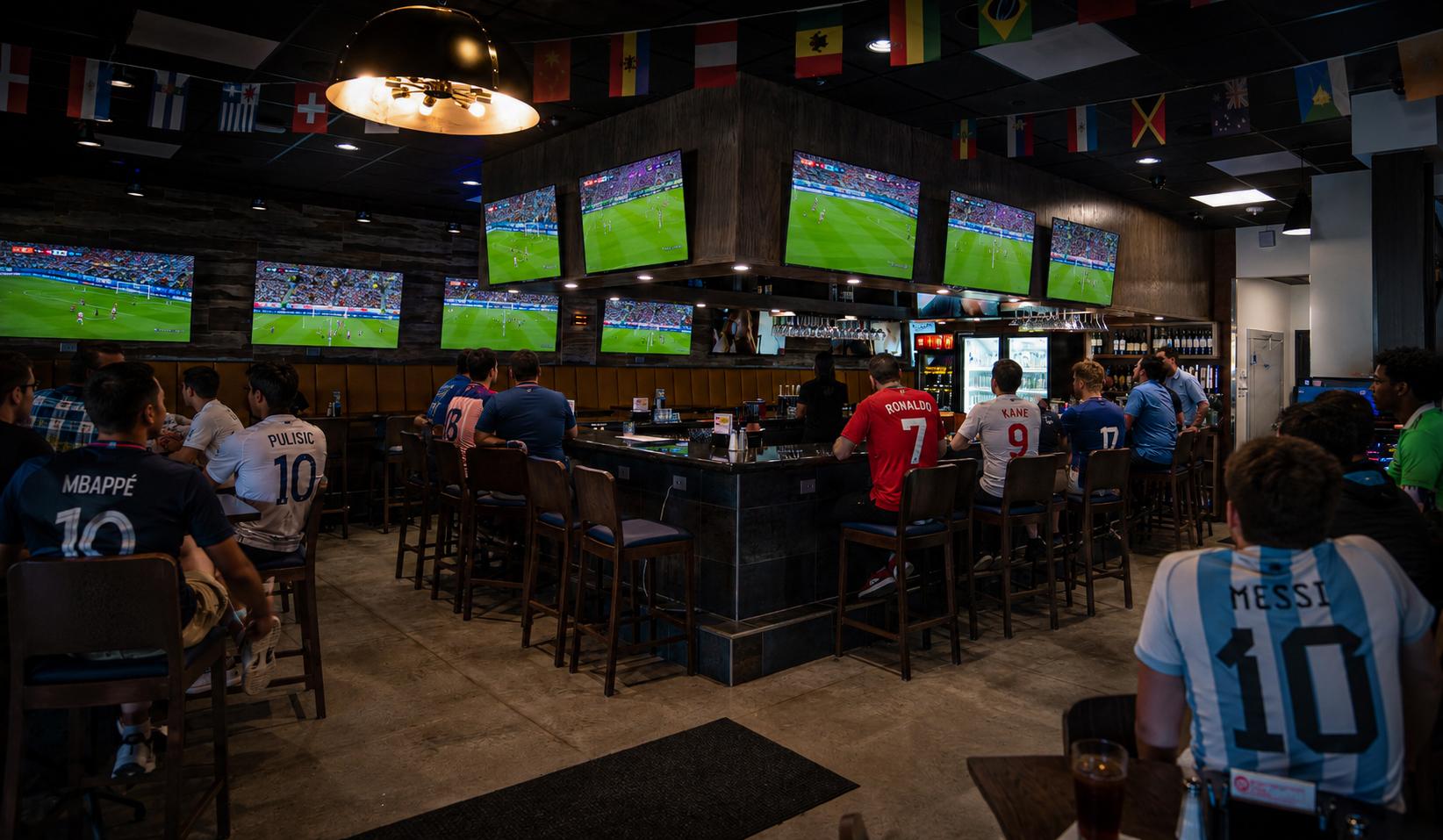
The Final Screen Battle is no longer only about who wins on the pitch.
It is about who owns the screen.
As Spain and Argentina meet in the World Cup final at MetLife Stadium, millions of viewers will not experience the match from the stands. They will experience it through phones, smart TVs, laptops, streaming apps, social media clips, creator reactions, illegal streams, group chats and second-screen commentary.
The World Cup final is still football’s biggest match.
But in 2026, it is also one of the biggest tests of the global streaming economy.
Final Screen Battle Starts Before Kick-Off
The Final Screen Battle begins long before the referee blows the whistle.
Fans search where to watch.
Broadcasters publish guides.
Streaming platforms prepare for traffic.
Bars check feeds.
Families test apps.
People in different countries compare time zones, free-to-air channels, subscription access and mobile options.
FIFA’s official final guide points viewers to location-specific watch information for Spain vs Argentina, confirming how fragmented the viewing map has become.
That fragmentation matters.
In the old television world, the instruction was simple: turn on the channel.
In the streaming world, the first question is: which platform, which country, which login, which device, which app, which delay?
The match is simple.
Access is complicated.
The Final Is Bigger Than Television
Television remains powerful.
But the World Cup final is no longer only a television event. It is a multi-screen event. A viewer may watch the main broadcast on a TV, follow tactical commentary on X, send voice notes on WhatsApp, watch live reactions on YouTube, scroll TikTok clips at halftime and check statistics on a sports app.
That is the new entertainment reality.
The official broadcast is the centre.
The conversation around it is everywhere.
This changes the value of the final. A broadcaster does not only want viewers. It wants attention that does not leak away to other screens. A streaming platform does not only want the match to play. It wants users to stay, interact, watch pre-game shows, view highlights and return after the final whistle.
The battle is no longer for the remote control.
It is for the entire attention environment.
Messi And Yamal Create A Perfect Streaming Story
A streaming moment needs a clean narrative.
This final has one.
Lionel Messi represents the last chapter of a football era. Lamine Yamal represents the next one. Argentina are defending champions. Spain are unbeaten and chasing their own return to the top. The match carries history, language, generations, emotion and a tactical contrast that even casual viewers can understand.
AP describes the final as Argentina’s defending champions facing an unbeaten Spain side, with Messi and Yamal giving the match a rare generational storyline.
That is exactly what digital platforms love.
Clear characters.
High stakes.
Easy clips.
Global fanbases.
Debate before kick-off.
Emotion after the final whistle.
A final without a storyline can still draw viewers.
A final with Messi and Yamal becomes content before it begins.
Streaming Platforms Face Their Stress Test
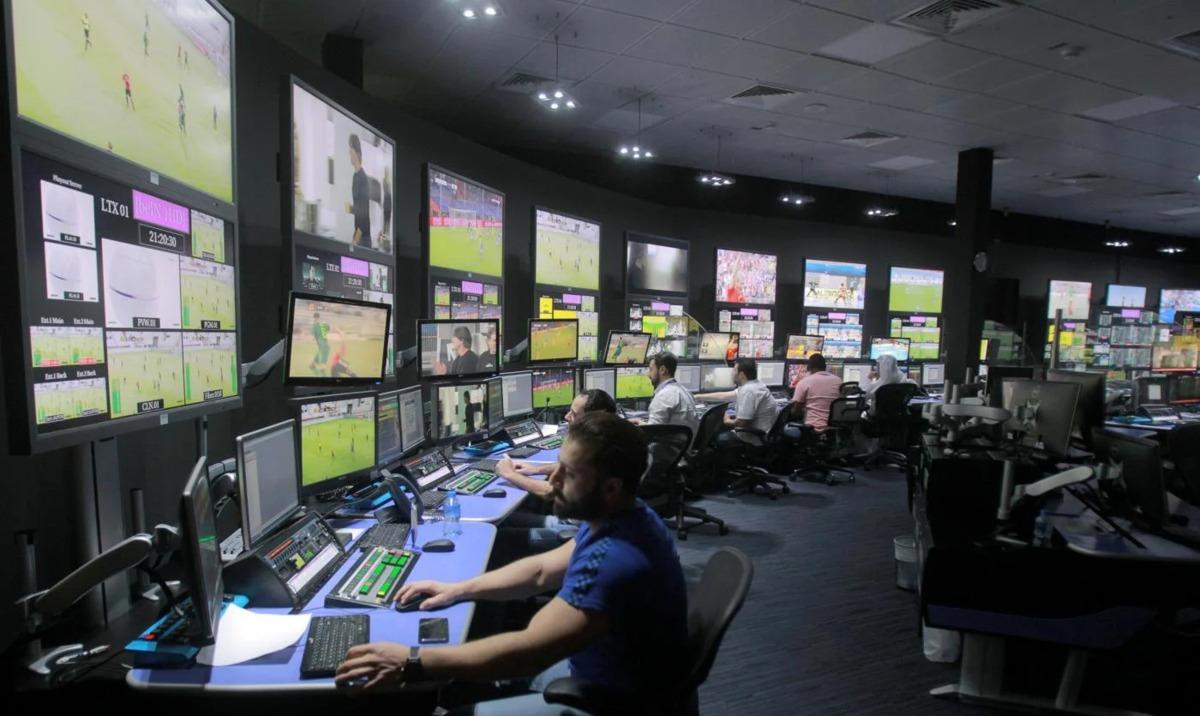
A World Cup final is one of the hardest live-streaming products to deliver.
Viewers will forgive a delay in an ordinary series.
They will not forgive buffering during a penalty, a Messi free kick, a Yamal counterattack or the trophy lift.
Live sport exposes every weakness in the streaming chain: server capacity, app stability, device compatibility, internet speed, login systems, payment checks, regional restrictions and latency.
The problem is emotional.
When a film buffers, people complain.
When a final buffers, people panic.
A platform that fails during the World Cup final does not only create technical frustration. It creates public anger, screenshots, memes and reputational damage.
In live sport, reliability is entertainment.
Latency Is The Hidden Enemy
Streaming delay is one of the biggest frustrations in major sport.
A fan watching through an app may hear neighbours celebrate before seeing the goal. A phone notification may reveal the score before the stream catches up. A group chat may spoil the penalty before the kick appears on screen.
That destroys live emotion.
Sport depends on simultaneity. The whole point is that everyone shares the same moment together. Streaming weakens that if delay becomes too visible.
For broadcasters, reducing latency is now a competitive advantage.
The best stream is not only high-definition.
It is close enough to live that the viewer still feels part of the global heartbeat.
Illegal Streams Will Chase The Final Too
The World Cup final is also a magnet for illegal streams.
When a match is global, expensive, regionally restricted or split across platforms, many viewers search for shortcuts. Some cannot afford official subscriptions. Some are in countries with confusing rights. Some are travelling. Some simply do not want to pay.
That creates a familiar problem.
Rights holders invest heavily in the broadcast.
Pirate streams chase the same audience with unstable, risky feeds.
For fans, illegal streams can be unreliable, delayed or dangerous through malware and scams. For broadcasters, they leak value. For FIFA, they weaken the commercial model that funds the rights system.
The bigger the final, the bigger the piracy fight.
Free-To-Air Still Matters
Streaming may dominate the conversation, but free-to-air television remains crucial for events like the World Cup final.
A match of this importance cannot feel locked only behind premium access. National broadcasters in many countries still play a central role in making the final feel like a public event rather than a private subscription product.
Spain offers a good example. RTVE says the Spain-Argentina final will be shown live on La 1 and streamed through RTVE Play, including additional language options.
That matters because football is cultural infrastructure.
When a national team reaches a final, people expect access. They want grandparents, children, workers, students, fans and casual viewers to share the same national moment.
Subscription platforms can monetise attention.
Free-to-air keeps the event communal.
Bars Become Physical Streaming Hubs
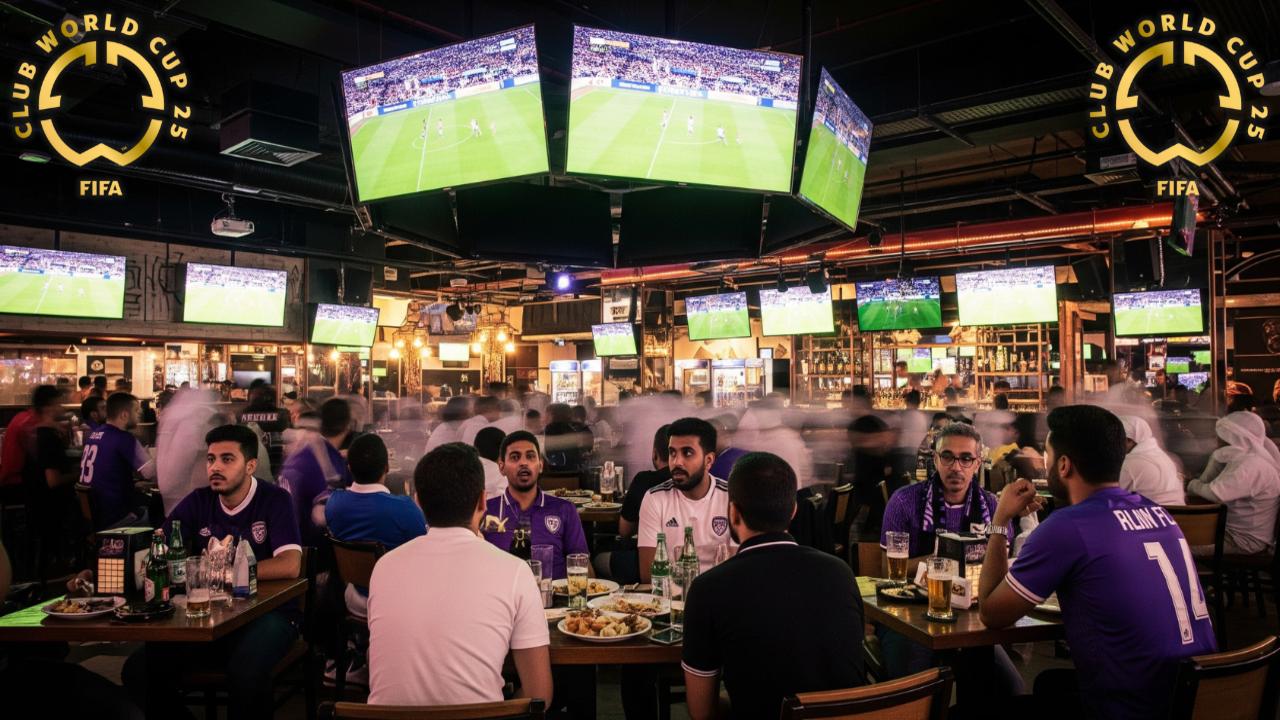
Not everyone watches at home.
Bars, cafés, restaurants, fan zones and hotels become physical streaming hubs. A venue with a reliable feed, big screens and good sound can turn the final into a communal event for people without tickets or home access.
This is especially important in migrant and diaspora communities.
Argentine fans abroad gather in bars.
Spanish fans abroad gather in restaurants.
Neutral fans choose venues with atmosphere.
A final is not only watched.
It is gathered around.
That gives hospitality businesses a major opportunity. But it also gives them pressure: one failed stream, one bad sound system, one delayed feed or one overcrowded room can ruin the experience.
In 2026, even bars must think like broadcasters.
The Second Screen Is Now Part Of The Match
Second-screen behaviour used to be treated as distraction.
Now it is part of the product.
Fans watch the match while checking statistics, replay clips, memes, betting markets, tactical graphics, player heat maps, live blogs and social commentary. The second screen makes the final bigger, louder and more participatory.
But it also changes how attention works.
A viewer may miss part of the match while reacting to a clip.
A controversial refereeing decision may become viral before the official broadcast has fully explained it.
A fan may trust a social media angle more than the commentator.
This creates a new kind of live event: one where the broadcast and the internet argue with each other in real time.
Creators Compete With Commentators
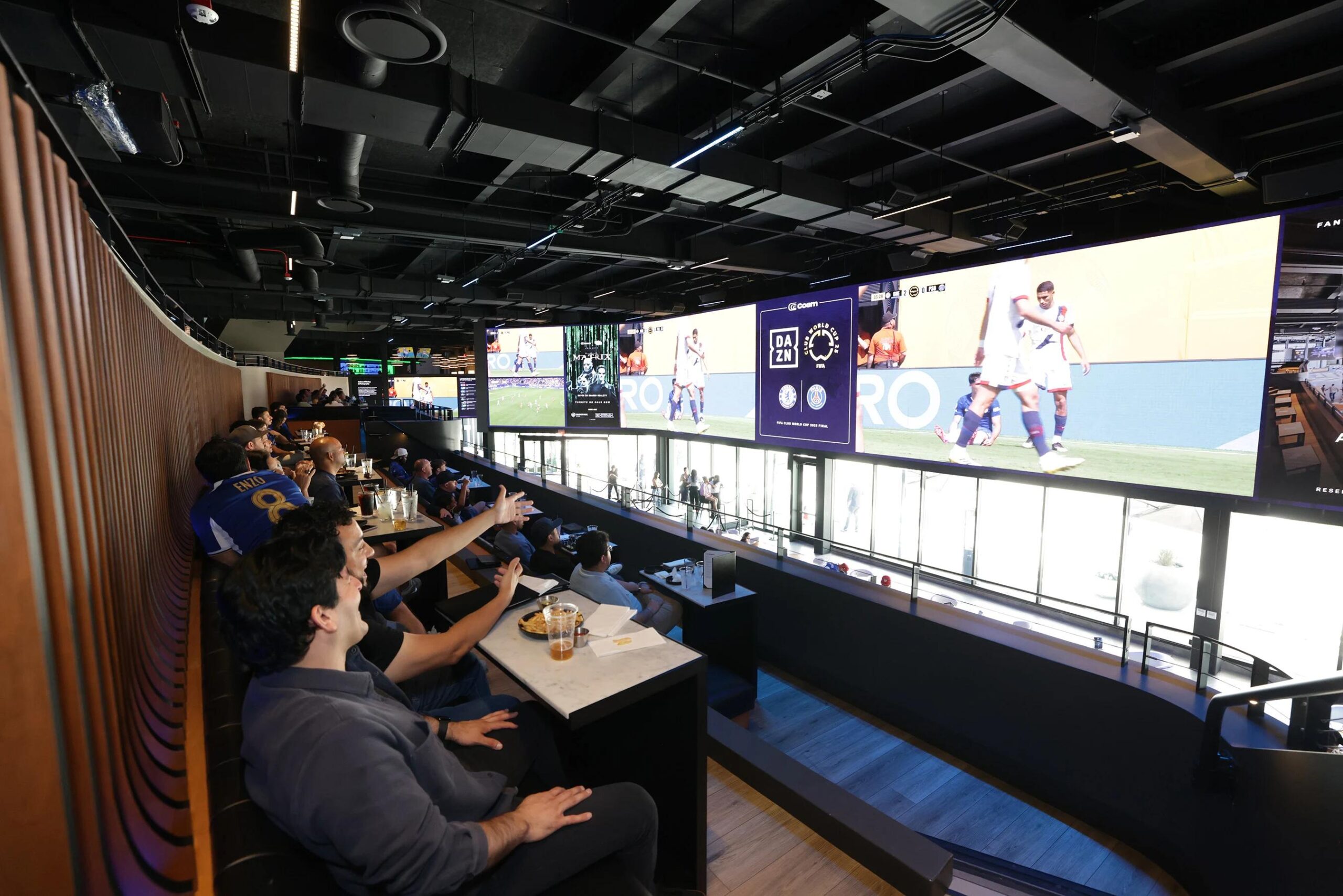
The creator economy has become a major force around football.
YouTubers, streamers, TikTok personalities and fan commentators provide reactions that feel more emotional, less formal and more personal than traditional punditry. Some fans now experience matches through those personalities as much as through professional broadcasters.
That matters for the final.
A young fan may watch the official match while following a creator’s live reaction. Another may skip post-match studio analysis and go directly to short-form reaction clips. Another may remember the final through memes rather than expert commentary.
Traditional broadcasters still control the footage.
Creators often control the conversation.
That is the new power split.
Highlights Are A Separate Battle
The final whistle does not end the screen battle.
It begins the highlights battle.
The winning goal, Messi’s reaction, Yamal’s performance, the trophy lift, fan tears, celebrity shots, controversial decisions and celebrations will be clipped, shared and repackaged within minutes.
Platforms want those moments because highlights travel faster than full matches.
A person who did not watch the final live may still consume 20 clips after the match. A goal can reach people who never sat through 90 minutes. A celebration can become a global image. A mistake can become a meme.
This is why rights strategy is no longer only about live broadcast.
It is about the afterlife of the moment.
Advertisers Want The Live Certainty
Advertisers love live sport because viewers still show up at the same time.
In an entertainment world fragmented by on-demand platforms, the World Cup final remains one of the few events capable of forcing simultaneous global attention. That is rare and valuable.
Series can be watched later.
Films can be streamed tomorrow.
A World Cup final must be watched now.
That urgency makes advertising inventory powerful. Brands want to be close to the live emotion because they know viewers are less likely to skip, delay or ignore the event.
The final gives advertisers what the modern media world struggles to provide.
Shared attention.
The 48-Team Tournament Built A Bigger Content Machine
FIFA confirms that the 2026 World Cup involved 48 teams across 16 host cities in three countries.
That scale created more matches, more fanbases, more highlight moments, more local stories and more digital content than any previous World Cup. By the time the final arrives, the audience has already been pulled through weeks of clips, debates, controversies, goals and emotional narratives.
The final is the peak of a much larger content machine.
This is important for streaming platforms and broadcasters because audience habit builds over time. Fans do not arrive cold on final day. They have been trained for weeks to check apps, watch highlights, follow live blogs and share clips.
The final is the climax of a digital routine.
The Trophy Lift Is The Ultimate Clip
The most valuable clip may not be a goal.
It may be the trophy lift.
If Messi’s Argentina win, the images will be historic. If Spain win, Yamal and a new generation will own the frame. Either way, the lift will travel instantly across platforms, countries and languages.
That is the power of the World Cup.
One image can do what a thousand posts cannot.
It can unite a national memory, define a player’s legacy and give platforms the perfect final asset.
For broadcasters, the trophy lift is the moment nobody wants to miss.
For social platforms, it is the moment everybody wants to share.
The Fan Experience Can Still Break
The biggest risk is technical failure.
A streaming login crash.
A delayed feed.
A regional blackout confusion.
A bad app update.
A payment error.
A buffering stream during extra time.
These problems may sound technical, but during a final they become emotional. Fans remember where they watched the match. If the platform fails, that failure becomes part of the memory.
This is why live sport is both valuable and dangerous for streaming companies.
Success builds trust.
Failure becomes viral.
The World Cup final is a dream audience and a nightmare stress test at the same time.
The Future Of Football Viewing Is Hybrid
The future is not television or streaming.
It is both.
Big-screen communal watching will remain essential. Mobile clips will grow. Social reaction will grow. Creator commentary will grow. Official broadcasters will still matter. Free-to-air access will still matter. Paid platforms will continue fighting for premium rights.
The final shows the full hybrid model.
Some fans will watch on traditional TV.
Some on streaming apps.
Some in bars.
Some through mobile feeds.
Some through illegal links.
Some through live blogs and clips.
The match is one.
The screens are many.
The Bottom Line
The Final Screen Battle shows how the World Cup final has become the biggest live-media test of the year.
Spain and Argentina will decide the trophy at MetLife Stadium, but broadcasters, streaming platforms, social networks, creators, advertisers and bars are also fighting for their own version of the moment. FIFA’s expanded 2026 tournament produced more teams, more cities and more content than ever before, while official viewing information now depends heavily on location-specific rights and platform access.
The football will decide the champion.
But the screen battle will decide how billions experience the final.
In 2026, the World Cup is not only watched.
It is streamed, clipped, shared, spoiled, reacted to and replayed before the trophy even reaches the captain’s hands.