
Morocco’s 2030 World Cup preparation is no longer just a construction programme. It is becoming a national showroom.
The stadiums will carry the cameras, but the real post-tournament value may sit in the assets around them: airports, rail links, hotels, city upgrades, transport corridors and the visitor systems that decide whether a country feels easy, premium and repeatable after the final whistle.
That is the central travel question for Morocco now. Hosting the World Cup can create one spectacular month. Turning the infrastructure into a long-term tourism asset is the harder prize.
The Tournament Is Temporary, The Assets Are Permanent
A World Cup ends quickly. The roads remain. The airport terminals remain. The rail lines remain. The hotels remain. The service standards remain. That distinction matters because countries do not win from mega-events by filling stadiums for a few weeks. They win if the event forces upgrades that keep producing value for years.
For Morocco, 2030 is therefore not only a football deadline. It is a test of whether the Kingdom can use global sport to accelerate a tourism economy that was already expanding before the tournament arrived. The best legacy is not the opening ceremony. It is the visitor who comes back three years later because the country became easier to enter, move through and experience.
Airports Are The First Impression
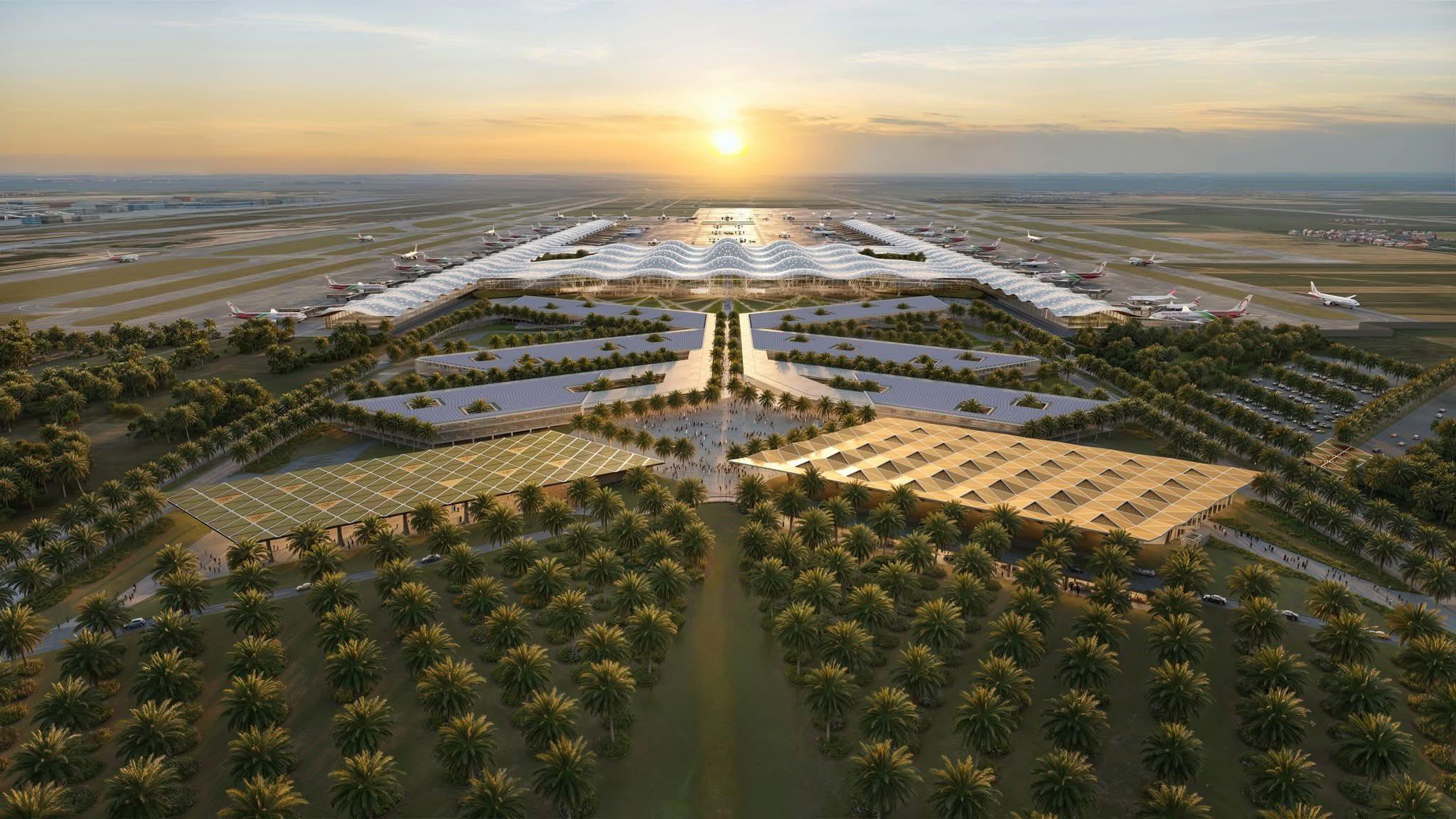
Morocco’s airport plan is one of the most important parts of the 2030 story. Reuters has reported that the country plans to invest 38 billion dirhams, around $4 billion, to increase total airport capacity from 38 million to 80 million passengers by 2030. That is not a cosmetic upgrade. It is a structural bet on Morocco’s ability to absorb a much larger tourism and business-travel market.
Airports matter because they set the tone before the visitor reaches a hotel, restaurant or stadium. A smooth arrival tells travellers the country is organised. A crowded, slow or confusing airport tells them the opposite. If Morocco wants 2030 to lift tourism beyond the tournament, airport execution will be one of the first places where the promise is either confirmed or weakened.
Rail Is The Real Visitor Multiplier
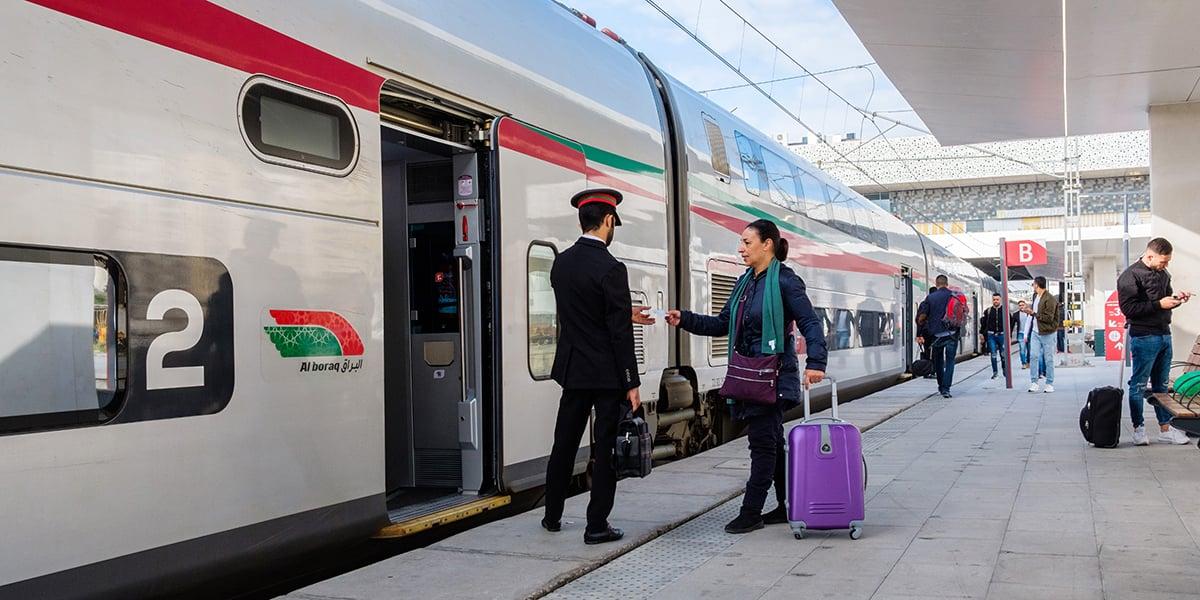
The rail story is just as important. The African Development Bank approved about $234 million in financing to support Morocco’s high-speed rail expansion, reinforcing a transport strategy that could change how visitors experience the country. This is not only about moving football fans between host cities. It is about creating a more connected tourism map.
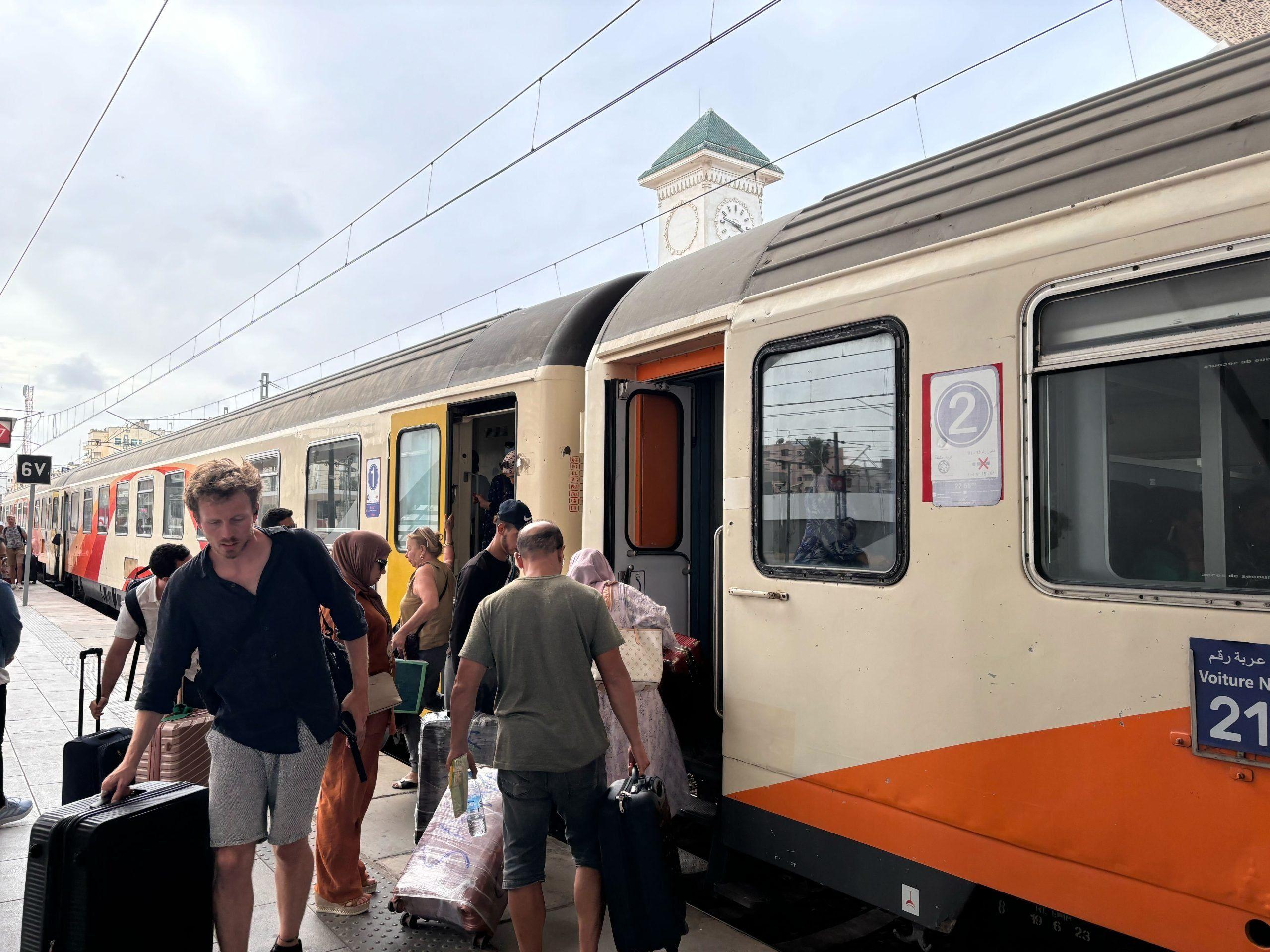
A visitor who can land in Casablanca, reach Marrakech, continue toward Agadir, or move through Tangier and Rabat with less friction becomes more valuable to the economy. They stay longer, spend across more cities and reduce pressure on the same overused tourism zones. Rail can turn a single-city trip into a multi-city itinerary. That is where infrastructure becomes a tourism product.
The Risk Is Building For One Month
The biggest danger is designing too much around tournament demand and too little around normal travel behaviour. Football crowds are different from ordinary tourists. They move in waves, follow match schedules and accept temporary inconvenience because the emotional value is high. Regular travellers are less forgiving.
A family arriving in 2031 will not care that the system worked during a semi-final. They will care whether luggage moves quickly, trains are on time, taxis are transparent, hotels maintain quality and city centres feel safe, clean and navigable. That is why the 2030 investment must be judged by post-event usability, not only pre-event delivery.
Hotels Need Depth, Not Just Luxury
Hotel capacity will become one of the most visible parts of Morocco’s World Cup preparation. But the real issue is not only whether the country can add rooms. It is whether it can add the right mix of rooms. Luxury hotels will attract attention, but Morocco also needs reliable mid-market supply, family options, business hotels, serviced apartments, riads with professional standards and accommodation that can serve both football visitors and ordinary tourists after the tournament.
A tourism boom becomes fragile when prices rise faster than service quality. If 2030 creates a short-term hotel rush without a long-term operating discipline, the market risks building capacity that looks impressive during the event but becomes uneven afterward. The asset is not the room. The asset is the repeatable guest experience.
Marrakech Cannot Be The Whole Strategy
Morocco’s tourism brand is powerful, but it is still too easily concentrated around a few names. Marrakech is already a global product. Fes, Tangier, Rabat, Agadir, Essaouira, Chefchaouen and Dakhla all have different value propositions, but the 2030 opportunity is to connect them more intelligently rather than simply promote them separately.
That is where infrastructure matters. Better airports and rail links can help Morocco distribute demand across multiple cities. That reduces overcrowding, increases regional spending and gives the country a more resilient tourism economy. A mature tourism market does not depend on one postcard. It turns the whole map into an itinerary.
The Soft Power Asset Is Already Working
Morocco’s recent football runs have already changed the country’s global image. The 2022 semi-final created emotional recognition. The 2026 quarter-final confirmed that Morocco’s football presence is no longer a one-off surprise. By 2030, the country will enter the tournament not only as a co-host, but as a nation with recent sporting credibility and global fan visibility.
That matters for tourism. Football gives Morocco attention that traditional advertising cannot buy. But attention is only the opening. The infrastructure must convert that attention into bookings, routes, longer stays and repeat visits. In that sense, 2030 is not only a sports event. It is a conversion test for Morocco’s global brand.
The Real Competition Is Spain And Portugal
Morocco is not hosting in isolation. The 2030 World Cup will be shared with Spain and Portugal, two mature tourism markets with strong airports, established hotel systems, rail networks and deep visitor familiarity. That creates an opportunity, but also a benchmark.
Travellers will compare the experience across all three countries. If Morocco delivers smoothly, it can position itself as the fresh, high-growth side of the tournament. If friction is too visible, the comparison may become less flattering. The goal is not simply to host matches. The goal is to make Morocco feel like a natural extension of a premium Iberian-Atlantic travel circuit.
Local Businesses Must Be Ready
The 2030 showroom will not be built only by the state. Small businesses will decide much of the visitor experience. Drivers, cafes, restaurants, guides, shops, event operators, cleaning services, translators, security staff, digital payment providers and local tour companies will all shape how visitors remember Morocco.
This is where preparation often becomes practical rather than glamorous. Can tourists pay easily? Can they find reliable information? Can service workers communicate clearly? Can prices stay transparent? Can local operators handle volume without damaging trust? Mega-event success depends on thousands of small interactions that never appear in stadium renderings.
The Management Lesson Is Maintenance
The hardest part of infrastructure is not inauguration. It is maintenance. Morocco can build terminals, tracks, hotels and roads, but the long-term tourism value will depend on whether those assets remain clean, efficient, safe and commercially useful after the spotlight leaves.
Many countries have learned that mega-event infrastructure can become a burden when it is designed without a post-event operating model. Morocco’s advantage is that its tourism growth is already real, which means the assets are not being built into a vacuum. Still, the question remains: will each upgrade have a business case after 2030, or only a tournament justification before it?
The Bottom Line
Morocco’s World Cup upgrades are becoming a tourism asset before the tournament even begins. The planned expansion of airport capacity from 38 million to 80 million passengers, new financing for rail development and wider investment in host-city infrastructure all show that 2030 is being treated as more than a football deadline.
The opportunity is enormous: stronger connectivity, longer stays, broader regional tourism and a national brand that can convert football attention into economic value. But the test is execution. Morocco must build for the visitor after the tournament, not only the fan during it. If the country gets that right, 2030 will not be remembered only as the year Morocco hosted the World Cup. It will be remembered as the moment the Kingdom turned infrastructure into a permanent travel advantage.