

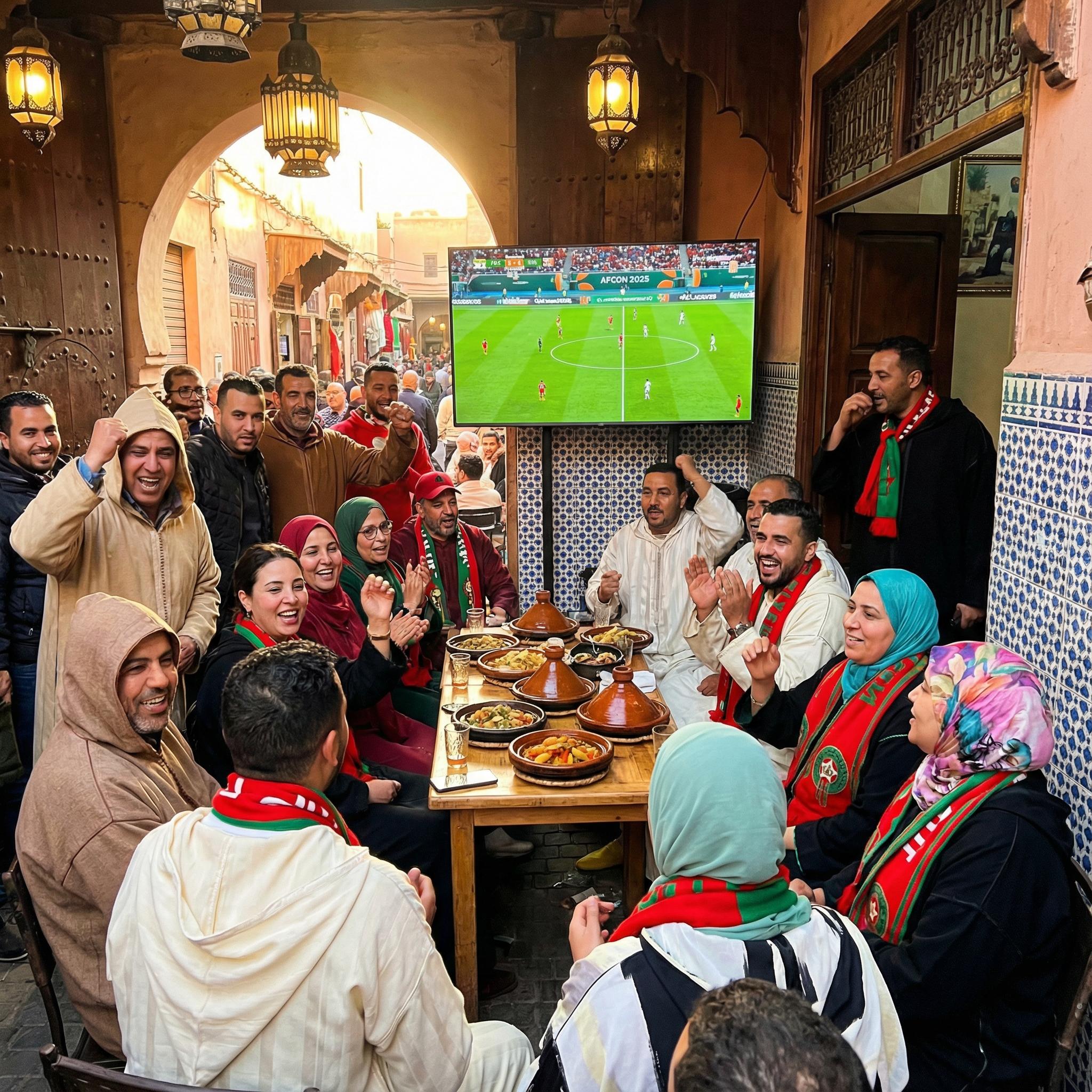
Morocco Match Night is not only about football. It is about the table. When Morocco face the Netherlands in the World Cup Round of 32, millions of supporters will build the night around screens, mint tea, coffee, snacks, family plates and café chairs. The match is in Monterrey, but the food story stretches from Casablanca to Amsterdam, from Rabat to Rotterdam and from family living rooms to packed late-night cafés.
Mint Tea Before Kick-Off
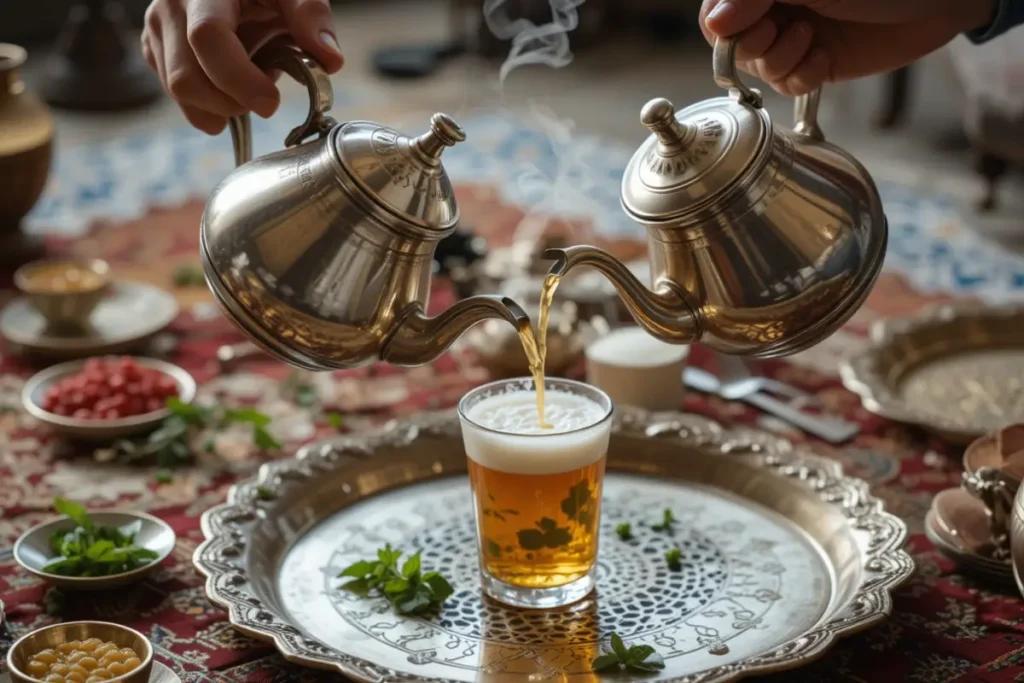
Morocco Match Night begins long before the referee blows the whistle. Families plan where to watch. Friends decide which café has the best screen. Shops sell last-minute snacks. Some people prepare tea early. Reuters reported that the match kicks off at 3 a.m. local time in the Netherlands, pushing it deep into the night for fans across the diaspora and in Morocco too. That changes the menu. Heavy dinners become less practical. Coffee, mint tea, light snacks, sweets, sandwiches and small plates become more important. Mint tea is one of Morocco’s most reliable match-night companions — warm, social, shareable, and able to keep people awake. During Morocco Match Night, tea is not just a drink. It is part of the ritual. The tray comes out, the glasses are filled, people argue about the line-up, someone predicts 2-1, someone tells everyone to calm down, and then the tea is poured again.
Atlas Lions Match Table: The Full Spread
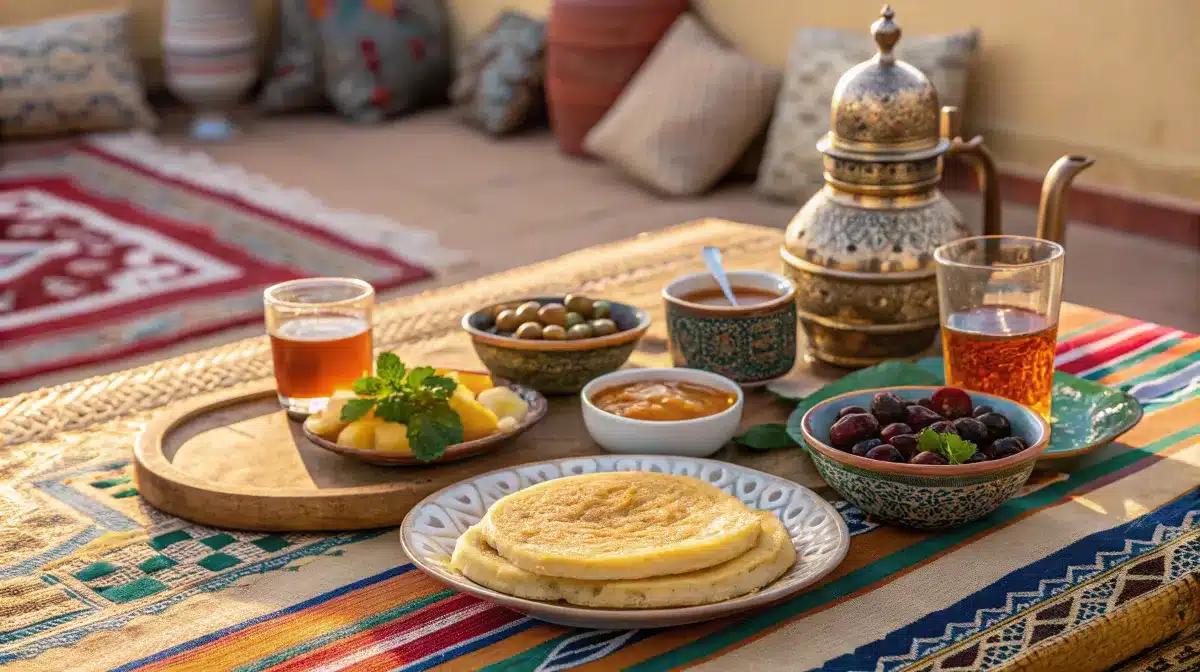
The match table is practical and social. No one wants a complicated plate during a dangerous counterattack. That is why match tables often include easy food: olives, nuts, chips, biscuits, dates, fruit, mini sandwiches, msemen, harcha, pastries, popcorn, pizza slices, cold drinks, coffee and tea. In Dutch-Moroccan homes, the table may look even more interesting — one side Moroccan (mint tea, msemen, olives, dates, sweets), another Dutch (coffee, cheese, bread, chips, soft drinks, bitterballen, fries). Two cultures on one table, two teams on one screen, one family trying to survive 90 minutes. That is why the Morocco Netherlands match feels so different from an ordinary match night.
Late-Night Football Café: The Business Side
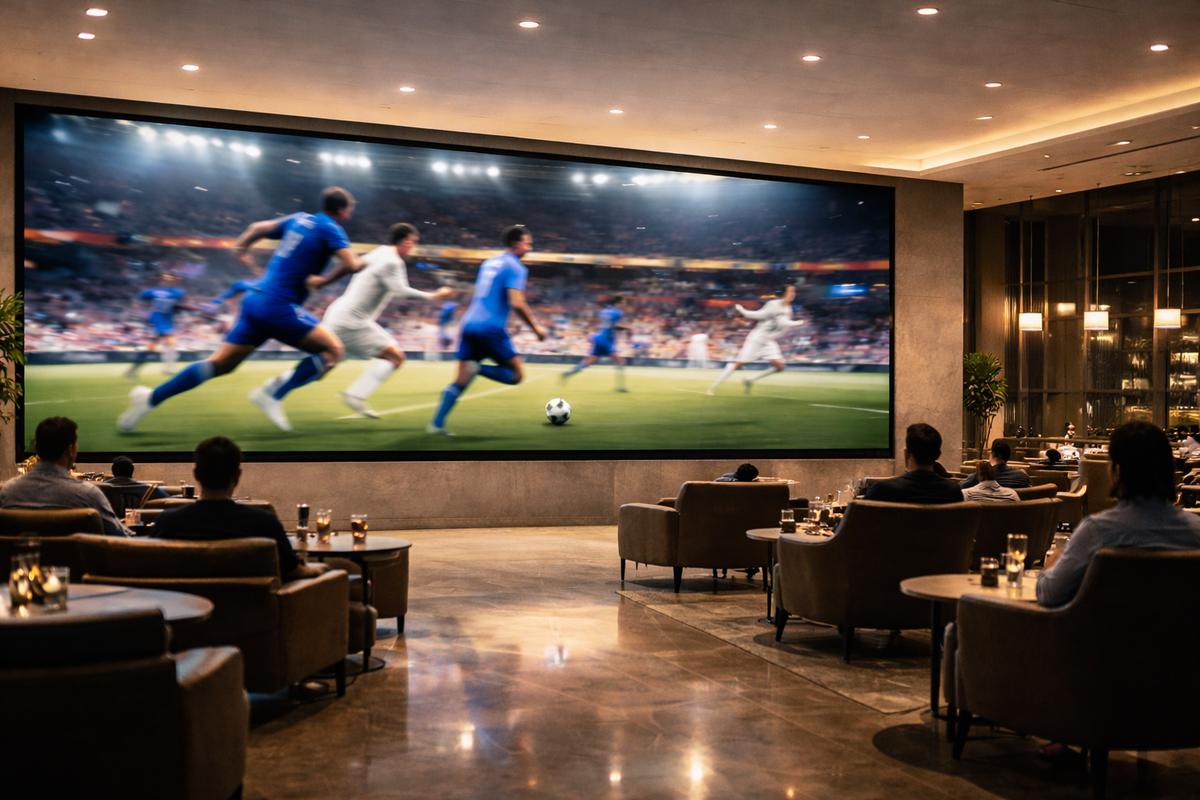
Cafés are the other big stage. When Morocco play a knockout match, cafés with screens become temporary stadiums. People arrive early to find seats, chairs get pulled from corners, and the best screen angle becomes valuable. For café owners, this is not a normal night: extra tea, extra coffee, extra water, extra snacks, extra staff if possible, screens checked, sound tested. A knockout match can bring a rush before kick-off and another rush at half-time. If Morocco score, people order more. If Morocco win, people stay longer. If the match goes to extra time, the night becomes much longer. A café that prepares well can turn one match into a major business night. Extra time brings its own challenge — coffee and tea become survival tools, light snacks become essential, and if it reaches penalties, nobody eats normally. The food sits there. The eyes stay on the screen.
Café Match Night: The Shared Experience
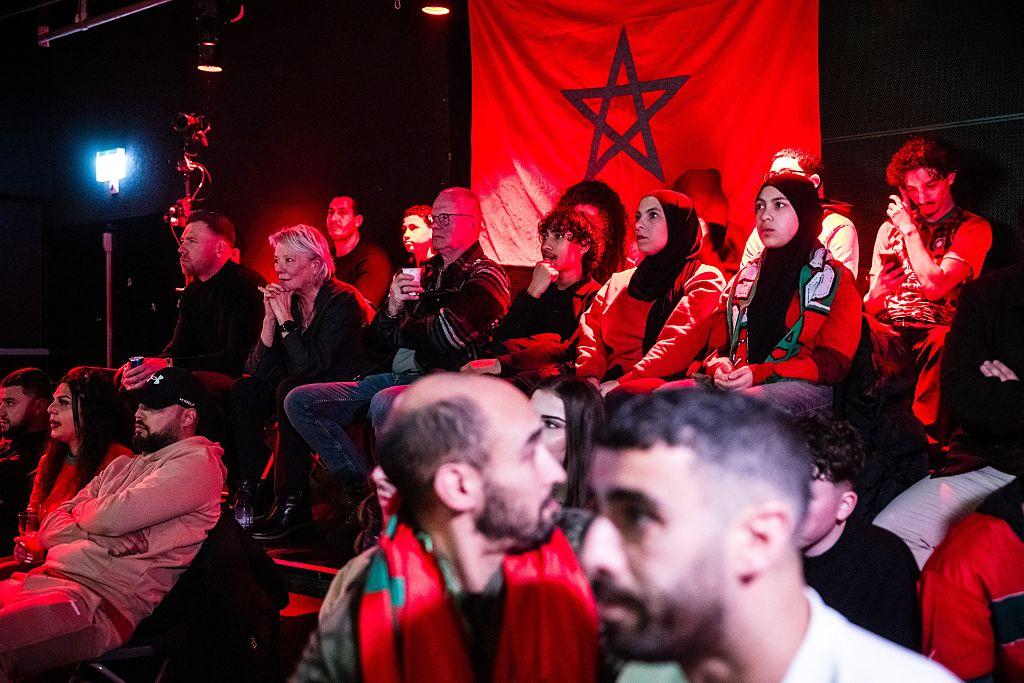
A café is not only selling drinks on Morocco Match Night. It is selling a shared experience: the same chance, the same shout, the same silence after a missed opportunity, the same explosion after a goal. The half-time rush is a business moment — in cafés, people order quickly; at home, someone runs to the kitchen; tea gets refreshed, coffee poured, snacks refilled, phones checked and messages sent. Food makes the story relatable even for people who are not tactical football fans. They may not know every Dutch player, but they know the feeling of a family table during a big match. Whatever the result, the morning after carries the food story too: if Morocco win, breakfast becomes celebration; if Morocco lose, the coffee is quieter. Either way, the match enters the next morning. That is how big football nights stay alive.